Jokulsarlon Glacier Lagoon Day Trip: Tours Compared
From Reykjavik: Jökulsárlón Glacier Lagoon Full-Day Trip
Duration: 14 hours
The lagoon that earns the journey
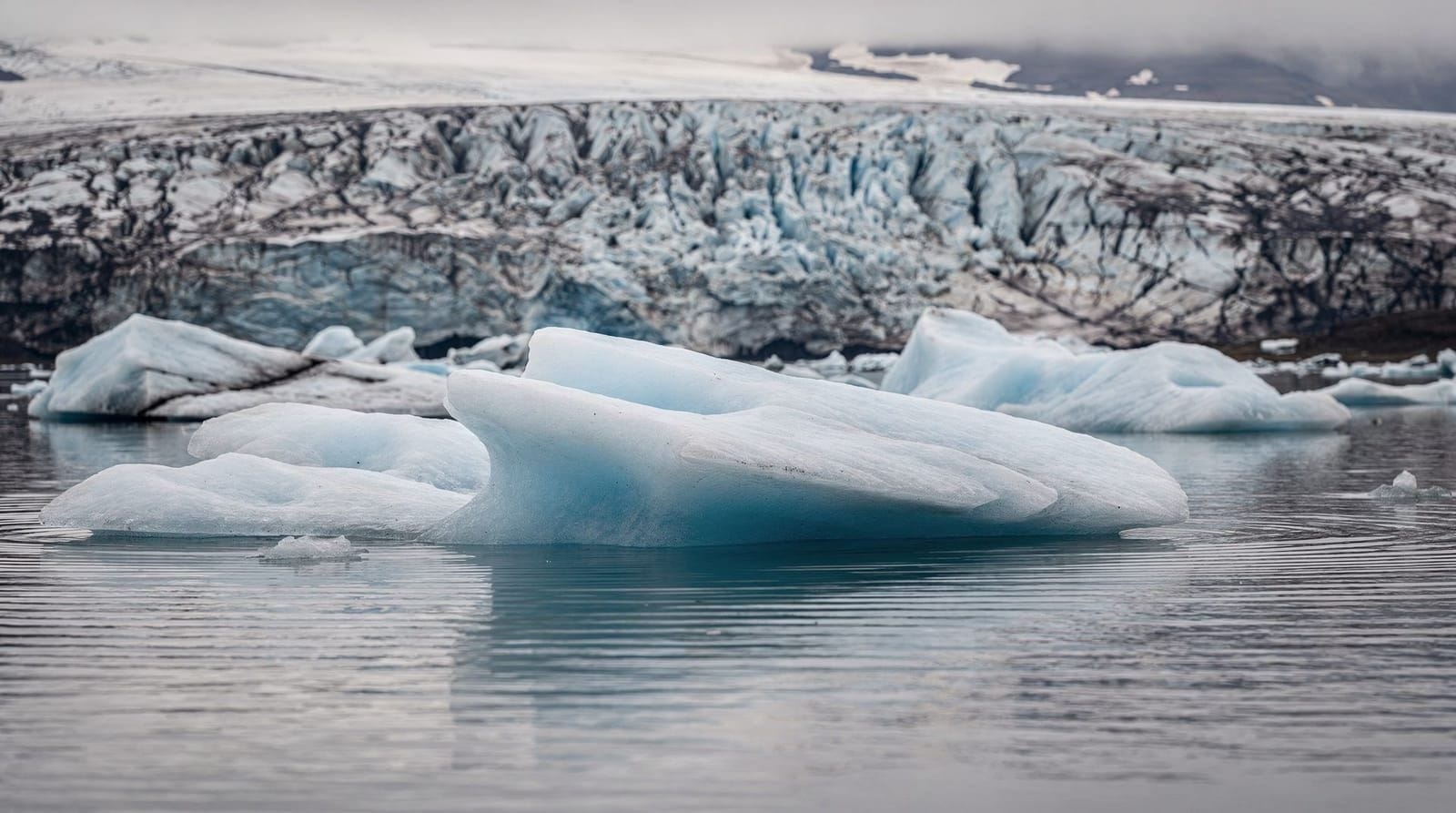
Jokulsarlon Glacier Lagoon is 375 km from Reykjavik — a long way for a day trip. The icebergs floating in the steel-blue lagoon, calved from Breidamerkurjokull glacier, are among the genuinely jaw-dropping sights in Iceland. The question is whether the experience is proportionate to a 15-hour day.
This page compares four tour formats: the standard full-day bus, the Diamond Beach combo with boat ride, the South Coast and Jokulsarlon combo, and a private day trip — honest about time, cost, and what you actually see.
For comprehensive background on the site, see the Jokulsarlon glacier lagoon guide.
| Where | Southeast Iceland, 375 km from Reykjavik along Ring Road 1 |
| Cost | Around €85-450 per person depending on format |
| Time needed | Full day, 14-16 hours from Reykjavik |
| Getting there | Full-day bus tour, combo tour, or private vehicle |
| Best time | Year-round; boat rides May-October only |
Tour format comparison
| Format | Group size | Duration | Boat ride? | Diamond Beach? | Approx. price (pp) |
|---|---|---|---|---|---|
| Full-day standard tour | 30-50 | 14 h | No (extra) | Yes | ~€85-110 |
| Diamond Beach + boat ride | 30-50 | 14-15 h | Yes | Yes | ~€110-140 |
| South Coast + Jokulsarlon combo | 30-50 | 14-16 h | No (extra) | Yes | ~€100-130 |
| Private day trip | 1-8 | Flexible | Available | Yes | ~€250-450+ |
Full-day standard tour: 14 hours from Reykjavik
The full-day Jokulsarlon glacier lagoon trip covers the lagoon and Diamond Beach in a return journey from Reykjavik via Ring Road 1. The journey time each way is around 4.5 hours with brief photo stops at South Coast landmarks en route.
Time at the lagoon itself: typically 45-75 minutes. That is enough to walk the shore, take photos from multiple angles, and watch the icebergs drift. The guided commentary is minimal at the lagoon — most guides let you explore independently. Diamond Beach adds another 20-30 minutes.
This format works well for people who want to see Jokulsarlon but cannot extend their trip. The constraint is real: 45 minutes at one of Iceland’s most remarkable places feels rushed. Plan around this.
Diamond Beach and boat ride combo: the recommended upgrade
The Jokulsarlon and Diamond Beach tour with boat ride includes an amphibious vessel or zodiac tour on the lagoon. The boat tour lasts 30-40 minutes and navigates between the icebergs, allowing passengers to touch 1,000-year-old ice up close.
The experience of seeing the icebergs at water level is meaningfully different from shore-based viewing. Ice that looks blue-white from the bank shows complex greens, deep blues, and black volcanic ash layers when approached closely. The boat ride costs 5,500-7,000 ISK / roughly €35-50 when paid separately; tours that include it save you that hassle.
Note: zodiac/amphibious tours operate May-October only. In winter, boat tours are not available — this is an important distinction if you are visiting in the winter months.
South Coast and Jokulsarlon combo: everything in one long day
The South Coast and Jokulsarlon sightseeing tour combines the main South Coast stops (Seljalandsfoss or Skogafoss, Reynisfjara, Vik area) with Jokulsarlon and Diamond Beach in one day. This sounds efficient; in practice it is very long (14-16 hours) and time at each location is compressed.
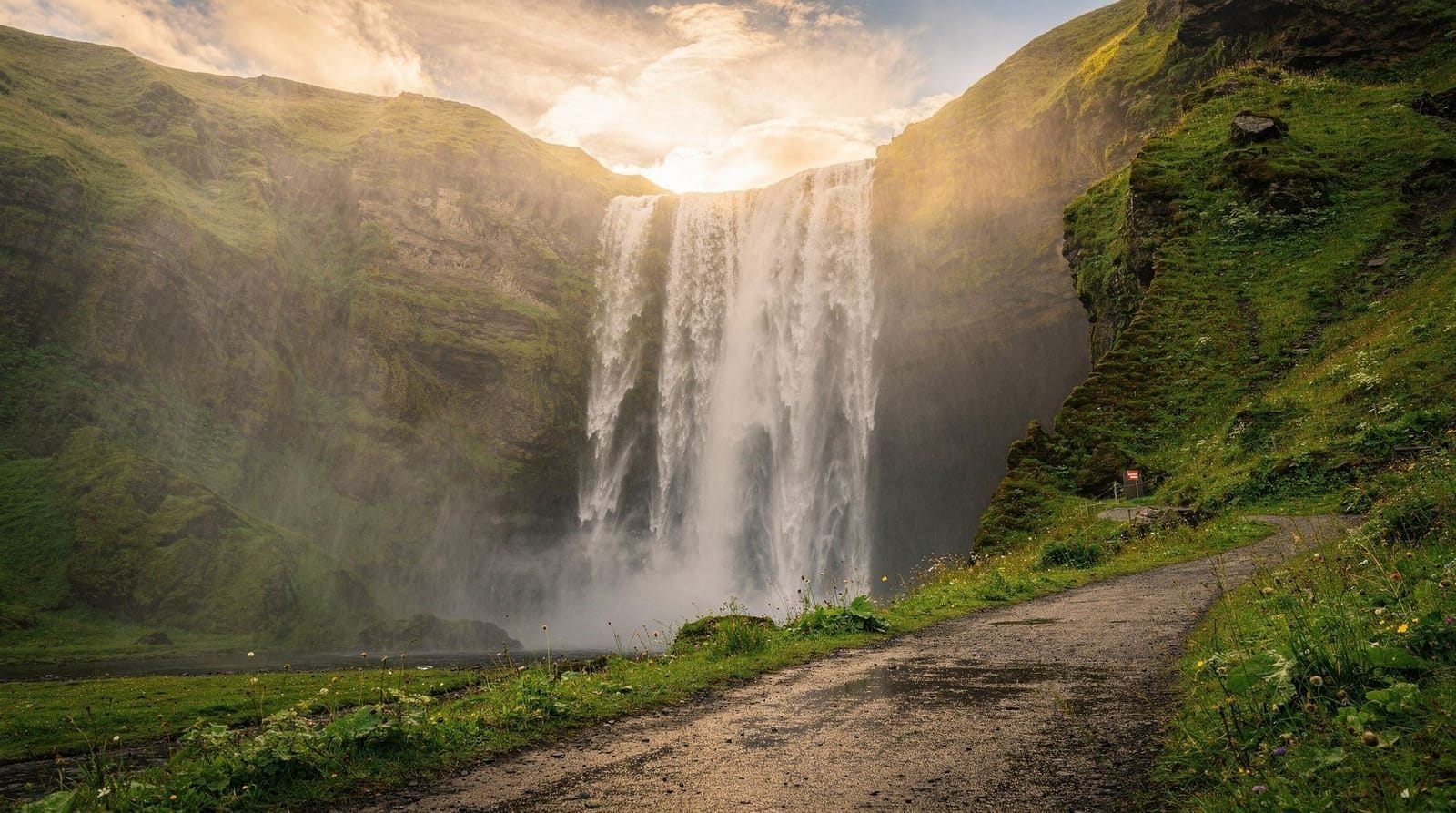
The honest assessment: combining both in one day is possible but unsatisfying for either destination. Seljalandsfoss and Skogafoss deserve time; so does Jokulsarlon. Trying to do both properly in one day means rushing both. If you have five days or more in Iceland, separate these across two days — one for the South Coast (overnight in Vik), one for Jokulsarlon.
If you have only 3-4 days in Iceland and want to see both, this combo is the only way to do it without a car. A similarly structured alternative from a different operator is the Reykjavik South Coast tour with Jokulsarlon glacier lagoon — worth comparing departure times and inclusions against the option above before booking.
Private day trip: the expensive but worthwhile option for groups
The private Jokulsarlon glacier lagoon day trip gives a small group their own vehicle and driver-guide. Total flexibility in timing: you can spend 2 hours at the lagoon if you want, stop at any waterfall or viewpoint along the way, and depart Reykjavik at a time that suits you.
For a group of 4 splitting the cost, a private tour becomes comparable in per-person cost to a small-group tour — approximately €300-450 for the vehicle, divided 4 ways. Families with children particularly benefit from the scheduling flexibility; the 14-hour day is demanding for young children without the ability to take breaks when needed.
Should you overnight instead of day-tripping?
Bluntly: if Jokulsarlon matters to you, consider staying overnight in the area — Hofn, Vik, or one of the farms near the glacier. The lagoon at dawn, when the tourist buses have not yet arrived, is a fundamentally different experience from the peak-hour crowd at 14:00. Icebergs catch the morning light differently. The sounds of the ice are audible without background noise.
Overnight options make Jokulsarlon compatible with a 2-day South Coast trip from Reykjavik, which works well as part of a 7-day Iceland itinerary.
Practical notes
- Departure: Most Reykjavik departures around 07:00-08:30 from BSI Bus Terminal or Harpa.
- Return: Around 21:00-23:00 depending on stops and season.
- Toilet stops: Limited along Ring Road 1 east of Vik. Hydrate sensibly and use facilities at each town stop.
- What to bring: Warm layers even in summer (lagoon area wind is cold), waterproof jacket, camera.
- Booking ahead: Summer tours fill up. Book at least 2-3 days ahead; free cancellation allows flexibility if plans change.
Frequently asked questions about Jokulsarlon day trips
How far is Jokulsarlon from Reykjavik?
About 375 km one-way along Ring Road 1. The drive takes approximately 4.5-5 hours without stops. A full-day tour from Reykjavik typically runs 14-16 hours.
What is the difference between Jokulsarlon and Diamond Beach?
Jokulsarlon is the glacier lagoon where icebergs calve and float to the sea. Diamond Beach is the black sand beach where smaller ice chunks wash ashore, transparent as glass in the sunlight. Both are visited on nearly every tour.
Is the boat tour on the lagoon worth it?
Yes. The amphibious or zodiac boat trips bring you directly among the icebergs — ice you could not approach from shore becomes touchable. Rides are short (30-40 minutes) and cost about €35-50 extra. Not all tours include this; check before booking.
Can you kayak on Jokulsarlon?
Yes, kayaking among the icebergs is possible on calmer days. It cannot be combined with a day trip from Reykjavik due to time constraints — it works if you are staying overnight locally.
What time of year is best for Jokulsarlon?
The lagoon is accessible year-round. Summer brings long daylight and active calving. Winter is quieter; northern lights over the lagoon are spectacular. Zodiac tours only operate May-October.
Is Jokulsarlon worth the long day trip?
It depends on your tolerance for 15-hour days. The lagoon is genuinely astonishing, but 45 minutes there feels compressed. If possible, overnight locally.
Can I visit an ice cave near Jokulsarlon?
Yes, but only realistically between November and March when the ice is stable enough for safe access, and it usually requires an overnight stay near Hofn rather than a single day trip from Reykjavik. Combine it with the 7-day Iceland itinerary if this interests you.
What is the best time of day to photograph Jokulsarlon?
Early morning or late afternoon light brings out the blue tones in the ice far better than the flat midday light most day-tour buses arrive in. An overnight stay or private tour gives you more control over timing than a standard bus schedule.
See the South Coast complete guide and the Jokulsarlon guide to plan the eastern portion of Iceland’s Ring Road properly.
What Jokulsarlon actually looks like
Photographs of the lagoon are not exaggerated. The icebergs are genuinely that blue — a deep cerulean that comes from the compression of ancient ice over centuries, which filters out red wavelengths and transmits blue. Some bergs are streaked with black volcanic ash from eruptions that occurred while the glacier was accumulating. Seals often rest on the ice or swim around the bergs, completely indifferent to human observers.
The lagoon is connected to the sea by a narrow channel — icebergs float out to sea here, which is why Diamond Beach exists on the other side of the road. The tidal flow reverses twice a day. At low tide, icebergs ground out; at high tide, new ones drift through.
Hjorleifshofdi and the road east
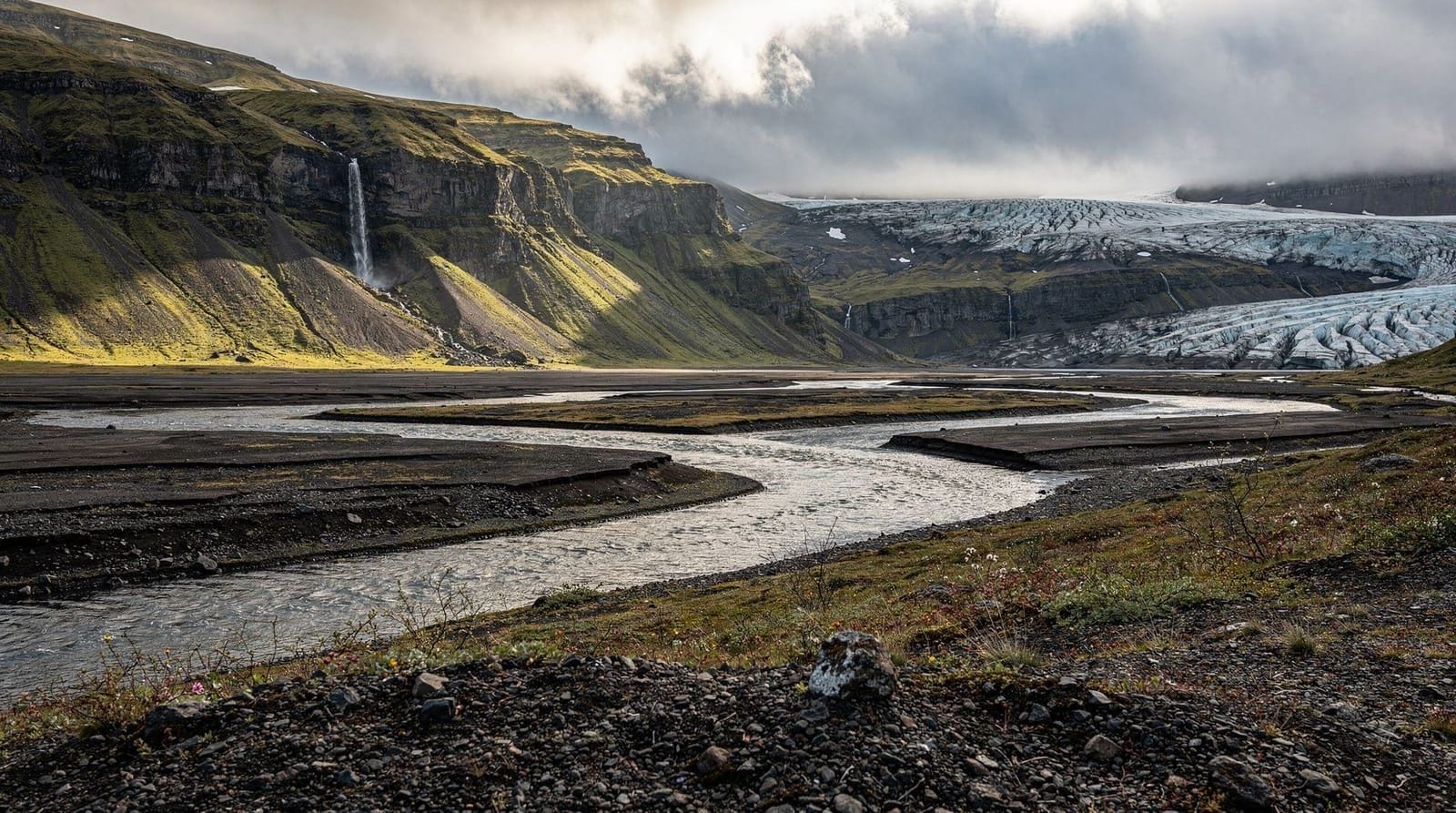
Between Vik and Jokulsarlon, Ring Road 1 passes through one of Iceland’s most remote stretches: the Myrdalssandur and Skeidararsandur outwash plains — vast black sand deserts created by glacial floods. There is almost nothing here except the road, the wind, and the occasional view of glaciers to the north. The Hjorleifshofdi promontory rises alone from the flat plain — a table mountain of palagonite tuff that was an island before glacial sediment built up around it. Some tours stop briefly; most do not.
Fjallsarlon: the quieter alternative nearby
Five kilometres west of Jokulsarlon lies Fjallsarlon, a smaller glacier lagoon fed by the Fjallsjokull outlet glacier. It sees far fewer visitors and offers a more intimate encounter with ice. If you are on a private or flexible tour, a brief stop at Fjallsarlon before or after Jokulsarlon provides useful contrast. Some tour operators include it; most do not.
The cost of seeing Jokulsarlon properly
A round-trip bus tour from Reykjavik to Jokulsarlon costs approximately €85-140 depending on format and inclusions. On a per-hour basis — considering 14+ hours of your day — it is among the cheaper experiences in Iceland. The question is whether 45-75 minutes at the lagoon justifies the full day commitment. For most people who have come to Iceland for the landscape: yes, unreservedly. The lagoon is unlike anywhere else on Earth.
Pairing Jokulsarlon with an ice cave
Between roughly November and March, several tours combine a Jokulsarlon visit with entry to a natural or man-made ice cave in the Vatnajokull area, since the glacier ice is stable enough to access safely only in the colder months. This is genuinely one of the best ways to see the interior of glacier ice rather than only its surface, but it adds several hours and typically requires an overnight stay near Hofn or Skaftafell rather than a single 15-hour push from Reykjavik. If ice caves interest you more than the lagoon itself, it is worth restructuring the trip around an overnight rather than trying to add a cave onto an already long day-tour itinerary. The Skaftafell blue ice cave and glacier hike on Vatnajokull is a differentiated variant worth comparing if you want the glacier hike alongside the cave rather than the lagoon boat ride.
Realistic expectations for photography
Midday light (roughly 11:00-15:00), when most day-tour buses arrive, is the flattest light for photographing the icebergs — the low, warm light of early morning or late afternoon brings out the blue and turquoise tones far better. If photography is a priority, a private tour or an overnight stay that lets you reach the lagoon near sunrise or sunset will produce noticeably better results than the standard bus schedule allows. Weather also matters more than time of day: overcast skies actually help by softening harsh reflections off the ice.