Iceland's South Coast: Complete Guide from Reykjavik to Vík
South Coast Classic: Full-Day Tour from Reykjavik
How long does a South Coast day trip take?
Reykjavik to Vík is 2.5 hours each way. A full South Coast day including stops at the waterfalls, black sand beach, and a glacier hike runs 12-14 hours. Start before 8 a.m.
What makes the South Coast worth a full day
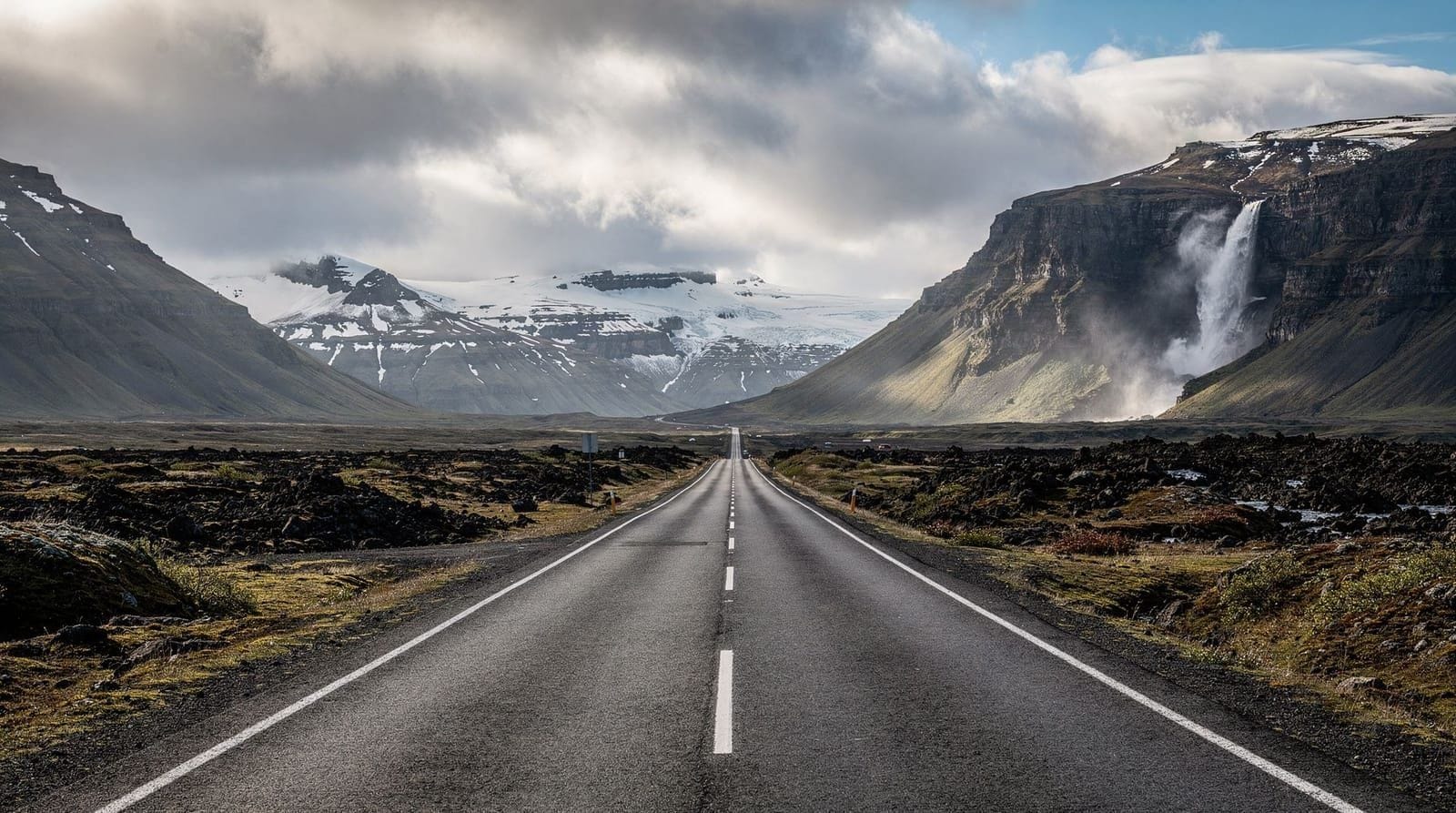
Iceland’s South Coast is the stretch of Route 1 between Reykjavik and Vík (pronounced Veek), roughly 190 kilometres of coast that concentrates an implausible density of dramatic scenery: two major waterfalls, a black sand beach with basalt sea stacks, a glacier tongue accessible on foot, and the remnants of a crashed US military aircraft. All of it is within reach of a single day from Reykjavik if you start early.
The route is straightforward. Route 1 (the Ring Road) is paved the entire way, and none of the main attractions require a 4WD or good weather to reach. This is Iceland’s most forgiving dramatic landscape — which is why it handles more day-trippers than almost anywhere else in the country.
The trap is underestimating the distances. Reykjavik to Seljalandsfoss is 1.5 hours. Seljalandsfoss to Skógafoss is 30 minutes. Skógafoss to Sólheimajökull (glacier) is 20 minutes. Sólheimajökull to Reynisfjara is 40 minutes. Reynisfjara to Vík is 10 minutes. That is 3 hours of driving for the one-way trip, not counting stops — and you need to drive back.
| Where | Route 1, Reykjavik to Vík, roughly 190 km one-way |
| Cost | 5,000-8,000 ISK/person self-drive; 15,000-22,000 ISK/person with a guided glacier hike |
| Time needed | 12-14 hours for the full route in a day; longer if adding Jökulsárlón |
| Getting there | Self-drive on paved Route 1, or a guided day tour with pickup from Reykjavik |
| Best time | Summer for long daylight and puffins; winter for snow, fewer crowds and northern lights chances |
Seljalandsfoss: the walk-behind waterfall
Seljalandsfoss drops 60 metres from an overhanging cliff into a pool. What makes it unusual is the path behind the curtain of water — a narrow trail carved into the rock that lets you walk completely around the waterfall and look out through the falling water.
The path is wet. The closer you get, the wetter. In summer: waterproofs are strongly recommended, or at minimum a windproof jacket you do not mind soaking. In winter the path can freeze and close — check ahead. Entry to the path is free; car park costs 800 ISK.
Seljalandsfoss is also the gateway to Gljúfrabúi, a hidden waterfall 200 metres north. You reach it by wading ankle-deep through a stream into a narrow canyon. It is one of Iceland’s most dramatic secret spots and takes 10 extra minutes. Worth every step.
Nearby Þórsmörk is a mountain valley in the interior, reachable only by 4WD or super jeep tours from Vík. It is a different trip entirely but worth knowing about if you come back.
Skógafoss: the tallest waterfall you can climb
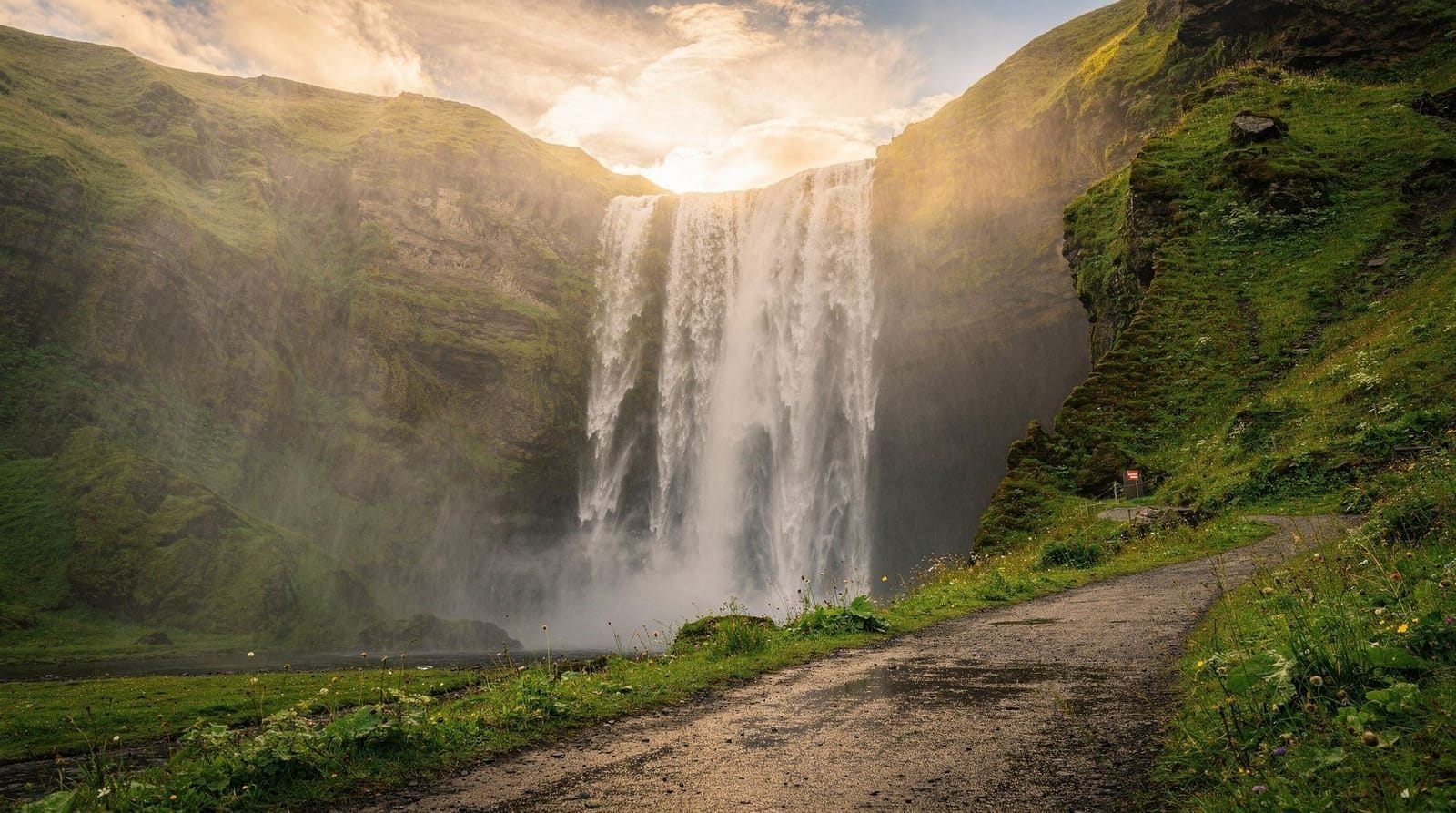
Skógafoss is 60 metres tall and 25 metres wide. Unlike Seljalandsfoss, you cannot go behind it, but a 400-step staircase runs up the right side to a viewpoint at the top. The view from the top shows the river winding across the coastal plain toward the sea and, on clear days, the Eyjafjallajökull glacier in the distance.
On sunny days, double rainbows form in the mist at the base. Bring a wide-angle lens if you photograph. The mist soaks the lower viewing area — waterproofs again.
Above the waterfall a hiking trail continues up the Skógar river past a series of smaller waterfalls before eventually reaching the highland Fimmvörðuháls pass and eventually Þórsmörk. That hike is multiple days, not a day-trip side trip. Stay at the bottom unless you have camping gear.
Sólheimajökull: the accessible glacier
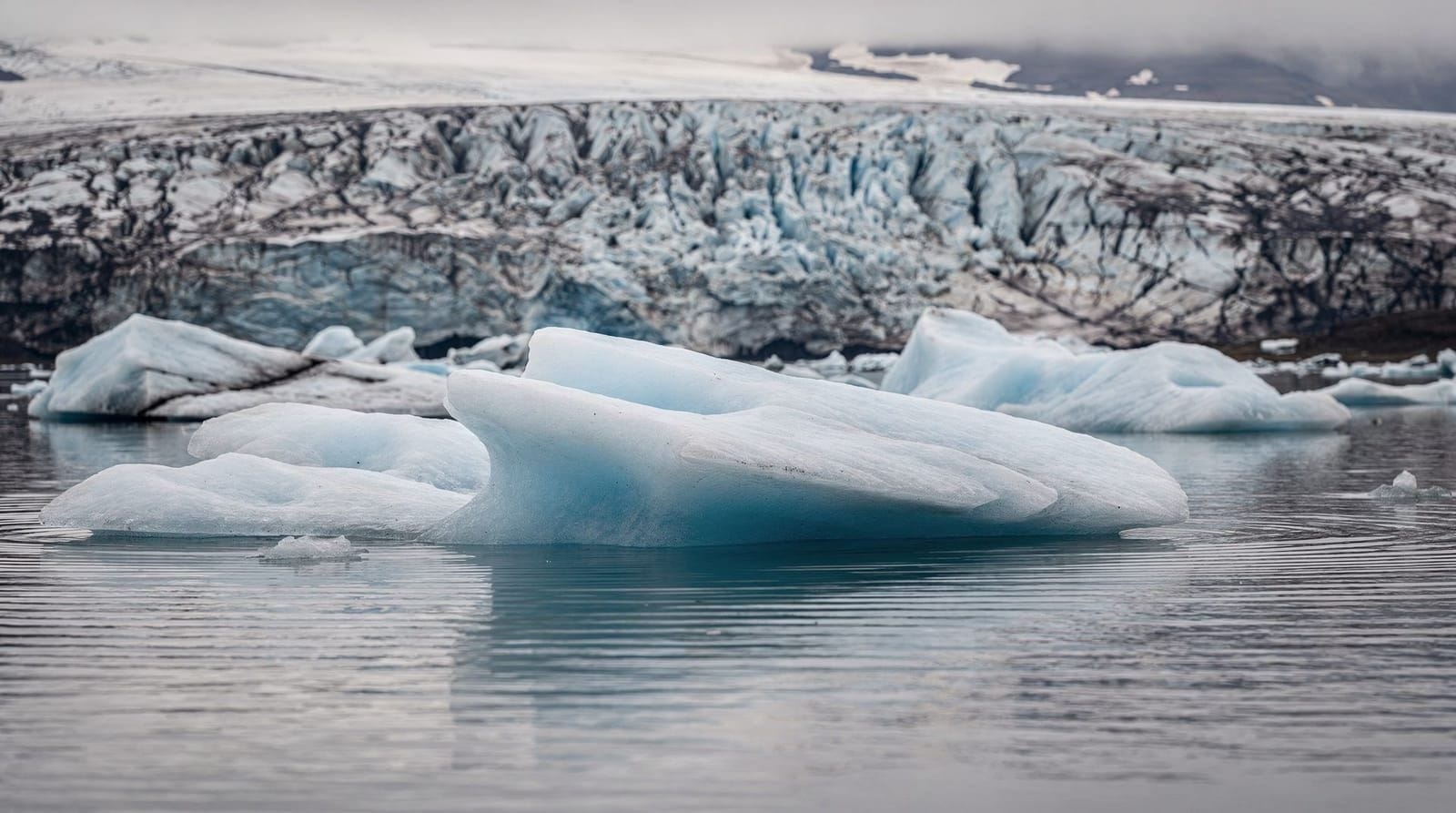
Sólheimajökull is a glacier tongue that extends from the much larger Mýrdalsjökull ice cap. It sits roughly 3 km off Route 1 down a well-maintained gravel road, and you can walk to the glacier edge on your own in about 20 minutes from the car park.
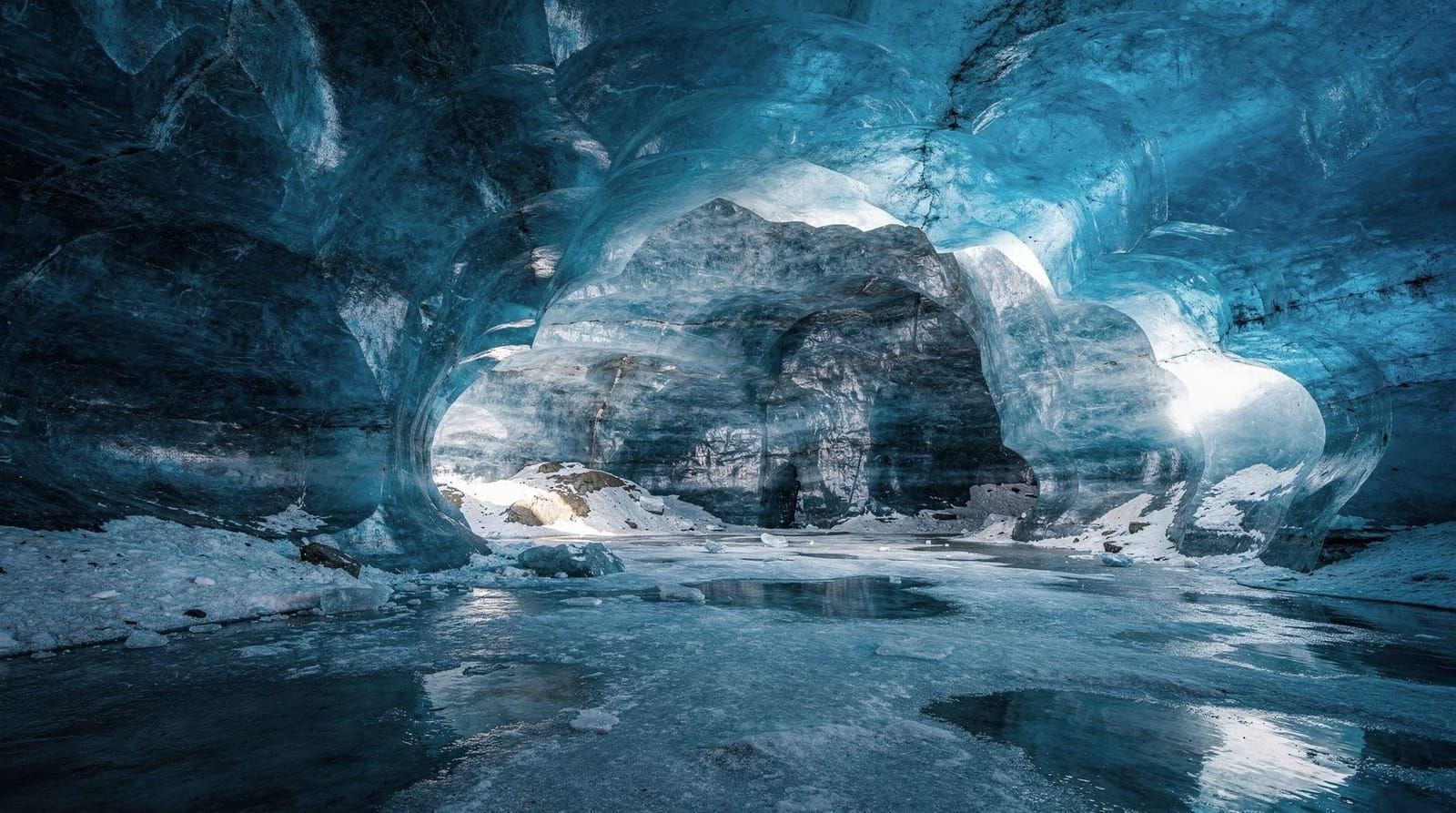
You can see the glacier for free. You cannot walk onto it safely without a guide. The ice surface is riddled with hidden crevasses, unstable ice bridges, and meltwater channels that are invisible from above. Every guided hike provides crampons, a helmet, and a certified glacier guide — this is not optional safety theatre, it is genuinely necessary.
Guided glacier hikes from the car park last 2.5-3 hours and cost around 10,000-14,000 ISK per person. The tours are available year-round. The glacier has retreated significantly in the past two decades — what you see now is noticeably smaller than photographs from the early 2000s. This makes it a genuinely interesting place to understand climate change first-hand.
Small Group South Coast Tour with Glacier HikeReynisfjara: Iceland’s most dangerous beach
Reynisfjara is a black sand beach formed from crushed basalt, backed by tall hexagonal basalt columns (Reynisdrangar). The sea stacks offshore are striking, and puffins nest in the cliffs from May to August.
It is also one of Iceland’s most statistically dangerous tourist sites. Sneaker waves — waves that appear suddenly from a calm sea with no visible warning — have killed tourists here. The waves travel fast enough that there is no time to run if you are near the waterline. The rule is simple: stay at least 30 metres back from the water at all times, watch the sea constantly, never turn your back. When a wave sequence comes, it comes fast and covers more ground than you expect.
Beyond the safety issue, the beach is spectacular. The cave of Hálsanefshellir, cut into the basalt columns on the north end, offers a striking composition for photography. The columns themselves are world-class examples of columnar jointing. Budget 30-45 minutes here.
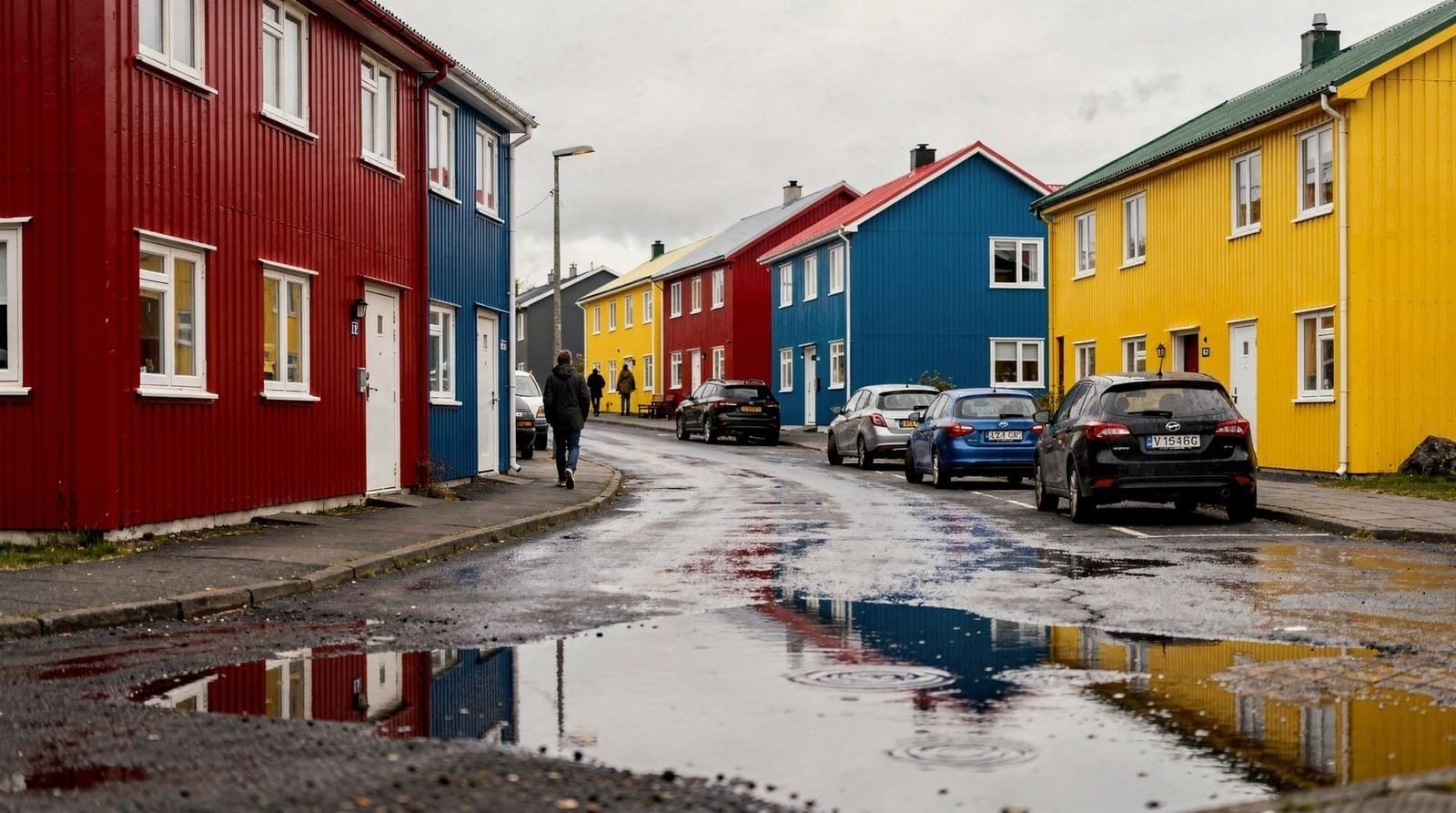
Vík village is 10 minutes east of Reynisfjara. It has the best selection of food and facilities on the South Coast, including the reliable Sudur-Vík restaurant. If you need a sit-down meal on the day trip, Vík is the place.
Plane wreck at Sólheimasandur
The Sólheimasandur DC-3 wreck has become one of Iceland’s most photographed locations since appearing on Instagram around 2012. The aircraft bellied onto the black sand in November 1973 when it ran out of fuel; no crew were killed. All that remains is the fuselage and wings, gradually being claimed by sand and salt.
Access is free but requires a 4-kilometre walk each way across a black sand desert from a designated car park on Route 1. The parking area is signposted; do not park on the roadside. Allow 90 minutes minimum for the round trip, more if you stop to photograph. There is no shade, no facilities, and the wind can be brutal. Good boots and a windproof layer are essential.
Shuttles from the car park to the wreck operate in summer for around 1,500 ISK each way.
Driving the South Coast: practical logistics
Route 1 is single-carriageway for most of this stretch — overtaking opportunities are limited. The road runs close to the coast with no barriers in places. Drive at Icelandic speeds (90 km/h maximum outside towns, but often slower due to conditions). Road conditions update at road.is; check it every morning. The Vík and South Coast destination page has more on the Vík area specifically.
Petrol stations: Selfoss (good), Hvolsvöllur (good), Vík (good). Do not rely on finding fuel between Hvolsvöllur and Vík — there are no stations on that 70 km stretch.
Food: The best options are Selfoss (full town facilities) and Vík. Skógafoss has a basic cafe. Bring snacks for the middle section.
Weather: The South Coast creates its own weather. It can be sunny in Reykjavik and raining sideways at Vík. Waterproofs are non-negotiable regardless of the forecast.
Waterfalls, Black Beach and Glacier Day Trip from ReykjavikSelf-drive vs guided tour
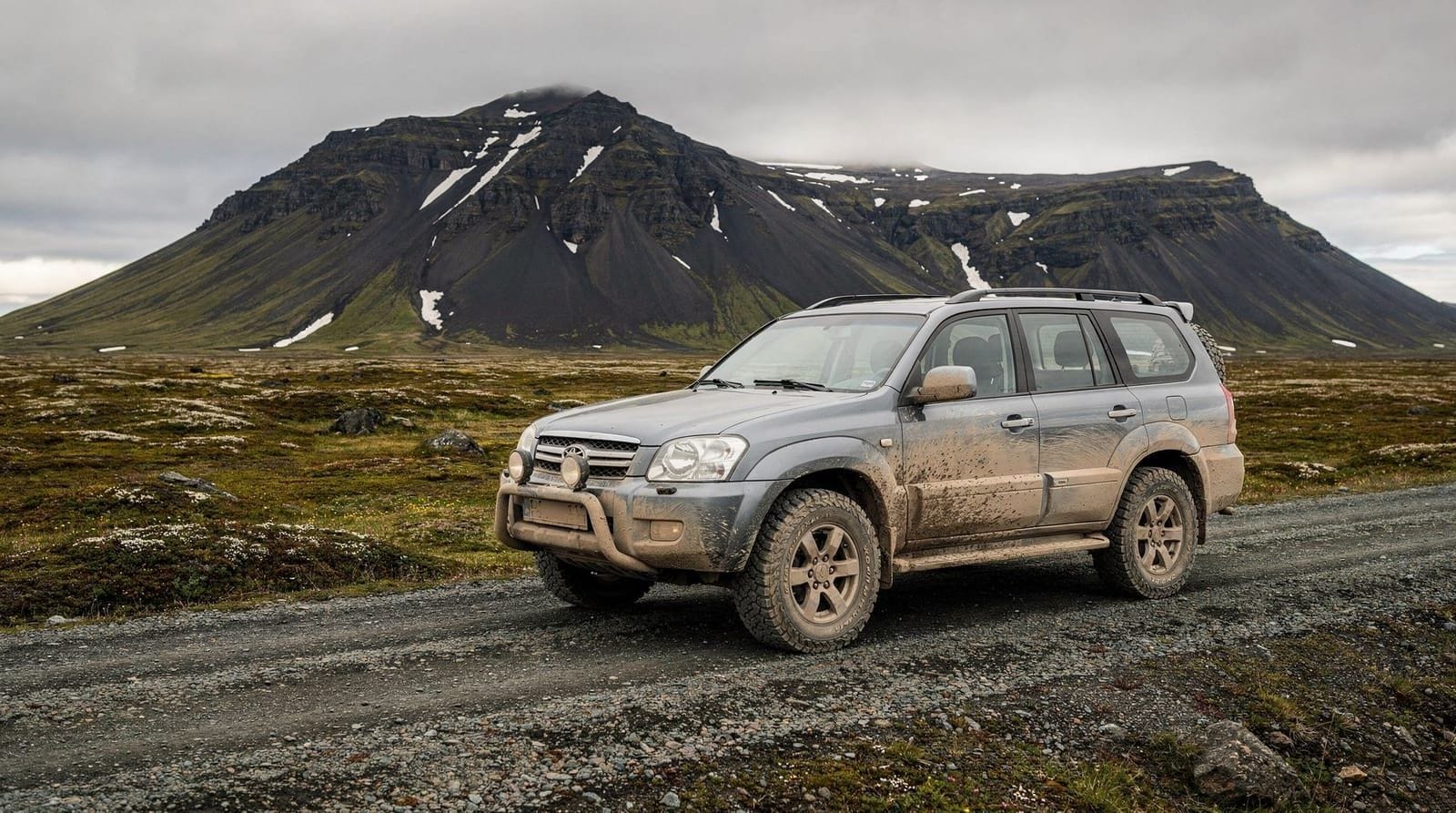
Self-drive is practical here — the roads are paved and the sites are well signposted. It works for those comfortable driving in Iceland, splitting fuel and car rental costs between 2-4 people.
Guided tours are better if you want a glacier hike included (tour operators handle all the logistics and gear) or if you prefer not to drive. Day tours from Reykjavik that include the glacier hike cost around 15,000-20,000 ISK per person. Read how the options compare in getting around Iceland: car vs tours.
Combining the South Coast with Jökulsárlón
Jökulsárlón glacier lagoon is another 2 hours east of Vík. Adding it extends your day to 14-16 hours from Reykjavik — possible in midsummer but exhausting. Most travellers find it better as a dedicated day or a 2-day trip with an overnight in Vík. The Jökulsárlón guide explains the logistics.
For the full picture of what is possible from Reykjavik, the Iceland 7-day itinerary divides these into two separate days. The Iceland winter 4-day itinerary also includes a South Coast day with adjusted expectations for short winter daylight.
A realistic time budget for the day
| Stop | Approx. time from Reykjavik | Time to allow there |
|---|---|---|
| Seljalandsfoss + Gljúfrabúi | ~1.5 hours | 45-60 min |
| Skógafoss | ~2 hours | 30-45 min |
| Sólheimajökull glacier hike | ~2.5 hours | 2.5-3 hours (guided) |
| Reynisfjara black sand beach | ~3 hours | 30-45 min |
| Vík village (food, facilities) | ~3.25 hours | 30-45 min |
| Sólheimasandur plane wreck | ~2.25 hours | 90 min round trip on foot |
Fitting the glacier hike, the plane wreck, and every waterfall into one day is a stretch for most travellers — pick the glacier hike or the plane wreck, not both, unless your day starts before 7 a.m.
Frequently asked questions about Iceland South Coast
What time should I leave Reykjavik for the South Coast?
Before 8 a.m. to do the full route (Seljalandsfoss, Skógafoss, glacier hike, Reynisfjara) and return the same day. In summer this is easy — there is no real dark. In winter with 5-6 hours of daylight, choose 2-3 stops rather than attempting everything.
Is the South Coast better in summer or winter?
Both have merits. Summer offers long daylight, accessible roads, and puffins at Reynisfjara. Winter offers snow-covered waterfalls, possible northern lights, and far fewer crowds. Road conditions are manageable but check road.is daily. See Iceland winter vs summer for a full comparison.
How do I book a glacier hike at Sólheimajökull?
Book directly with operators in Vík or online through GetYourGuide. Do not turn up without a booking in peak season (June-August) — tours sell out. Minimum age is typically 8-10 years; no prior experience required.
Is the South Coast good for kids?
Yes, with caveats. The waterfalls are spectacular for children. The glacier hike has minimum age limits and requires good fitness. Reynisfjara requires extremely close supervision near the water — it is not a beach where children can run freely. The Iceland with kids guide covers the South Coast in detail.
How far is Jökulsárlón from Vík?
Approximately 200 km, about 2 hours’ drive. It is possible to combine both in a single very long day, but a 2-day trip with an overnight is far more comfortable.
Are there toilets along the South Coast route?
Toilets at Seljalandsfoss, Skógafoss, Sólheimajökull car park, and Reynisfjara (sometimes with a 200 ISK coin fee). In Vík the petrol station and restaurants have facilities. Bring cash for coin-operated toilets.
What budget do I need for the South Coast day trip?
Budget self-drive: 5,000-8,000 ISK per person (fuel, parking, glacier hike not included). With guided glacier hike on a day tour: 15,000-22,000 ISK per person all-in. See the Iceland cost and budget guide for full breakdowns.
Is the plane wreck at Sólheimasandur worth the walk?
It is a striking, unusual photo, but the 4 km each-way walk across flat black sand with no shade takes 90 minutes minimum and adds real time to an already packed day. If you are tight on time, prioritise the waterfalls and Reynisfjara instead; if photography is your main goal for the trip, it is worth including.
Should I self-drive or book a guided tour for the South Coast?
Self-drive works well here since the roads are paved and sites are well signposted, and it is the cheaper option split between 2-4 people. A guided tour is worth it mainly for the glacier hike, since operators handle the gear and safety logistics, or if you would rather not drive. See getting around Iceland: car vs tours for the full comparison.
Top experiences
Bookable activities with verified prices and instant confirmation on GetYourGuide.