Iceland Winter vs Summer: Which Season to Visit in 2026
From Reykjavik: Into the Glacier Ice Cave Tour
Is Iceland better in winter or summer?
Summer (June-August) for midnight sun, Highland access, long days, and full activity range. Winter (November-March) for Northern Lights, ice caves, dramatic snow landscapes, and significantly lower prices and crowds. Neither season is universally better -- it depends on what you want from the trip.
The two Icelands: fundamentally different experiences
Iceland in winter and Iceland in summer are not the same destination with a weather difference. They are genuinely different trips. The landscape changes, the light changes, the accessible activities change, and the emotional atmosphere changes.
This guide compares them honestly, identifies who benefits from each, and helps you decide. It does not pretend one season is universally better.
The fundamental tradeoffs at a glance
| Winter (Nov-Mar) | Summer (Jun-Aug) | |
|---|---|---|
| Daylight | 4-6 hours (Dec-Jan) to 12+ hours (Mar) | Nearly 24 hours around solstice |
| Temperature in Reykjavik | -3 to +5°C | +10 to +18°C |
| Northern Lights | Possible on dark clear nights | Not visible (too bright) |
| Midnight sun | Not visible | Yes, late May to late July |
| Ice caves | Open (Nov-Mar) | Closed |
| Highland roads (F-roads) | Closed | Open Jun-Sep |
| Crowds | Low-moderate | High (Jul-Aug especially) |
| Prices | Lower (except Dec 24-Jan 1) | Peak pricing |
| Road conditions | Can be icy, 4WD recommended | Generally straightforward |
| Glacier hikes | Available (conditions vary) | Widely available |
Winter in Iceland: what it actually means
Northern Lights
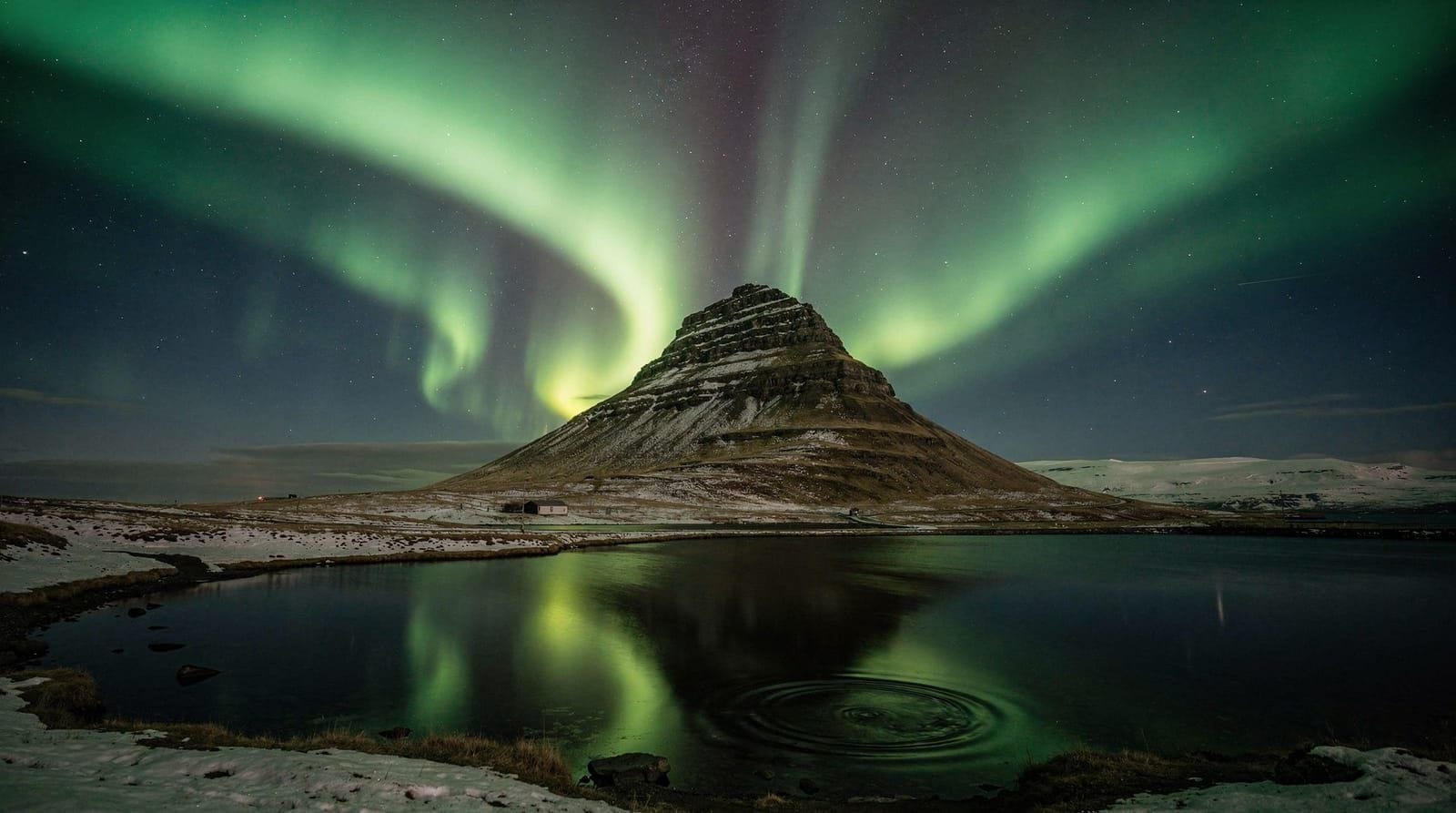
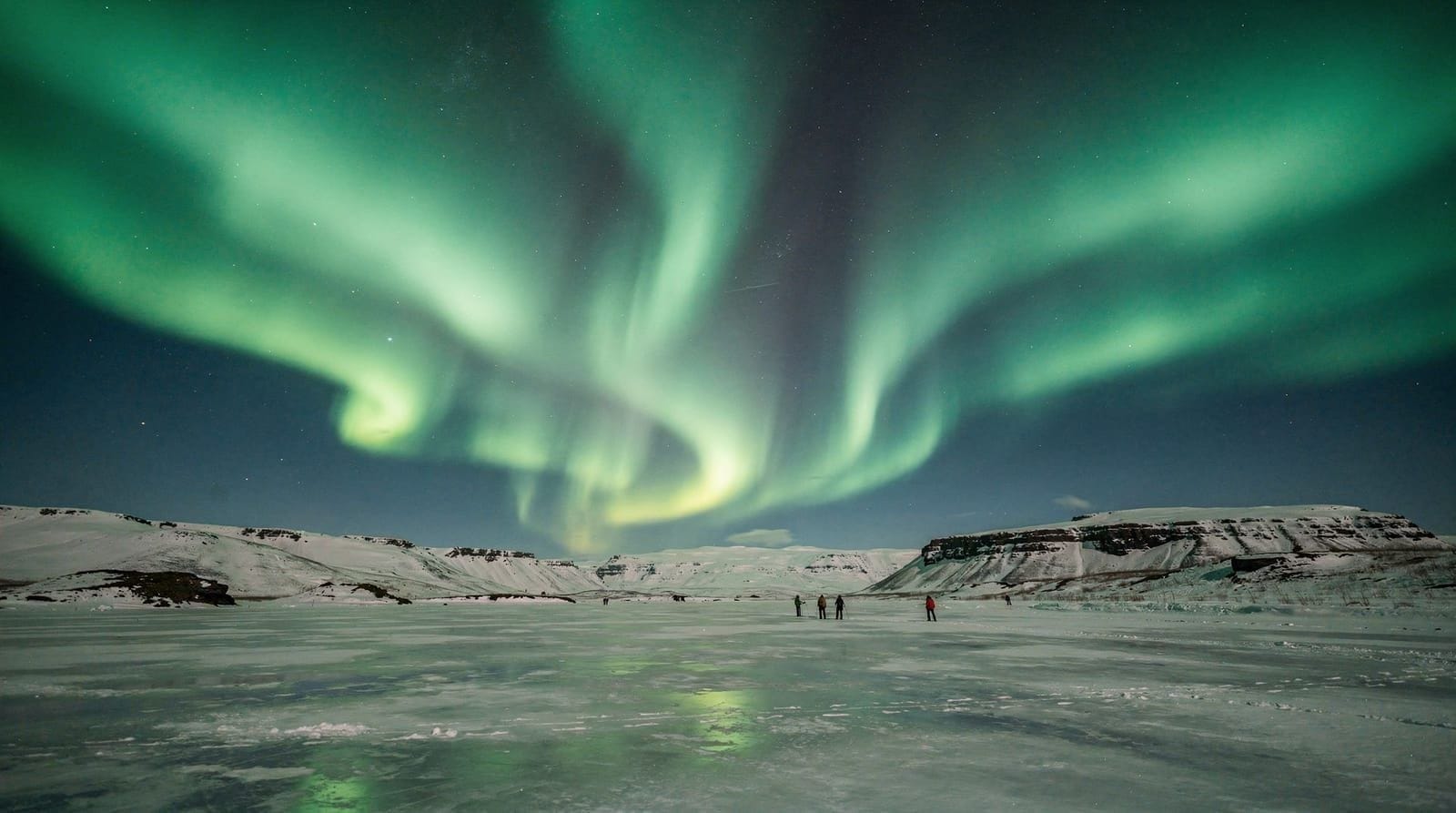
The Northern Lights (aurora borealis) require three conditions: darkness, clear skies, and solar activity. Winter provides the darkness — from November through March, Iceland has enough night hours to give the lights a chance to appear. The peak solar activity period roughly aligns with October through February.
The critical honest point: there is no guarantee. On any given winter night, clouds may cover the sky entirely (Iceland’s weather is notoriously changeable), solar activity may be low, or both. Visitors who come specifically for the Northern Lights and see nothing are not rare. Most Northern Lights tour operators operate on a “we try again if we miss” policy.
For probability information, see Northern Lights season guide. For tour options, see best Northern Lights tours from Reykjavik.
Ice caves
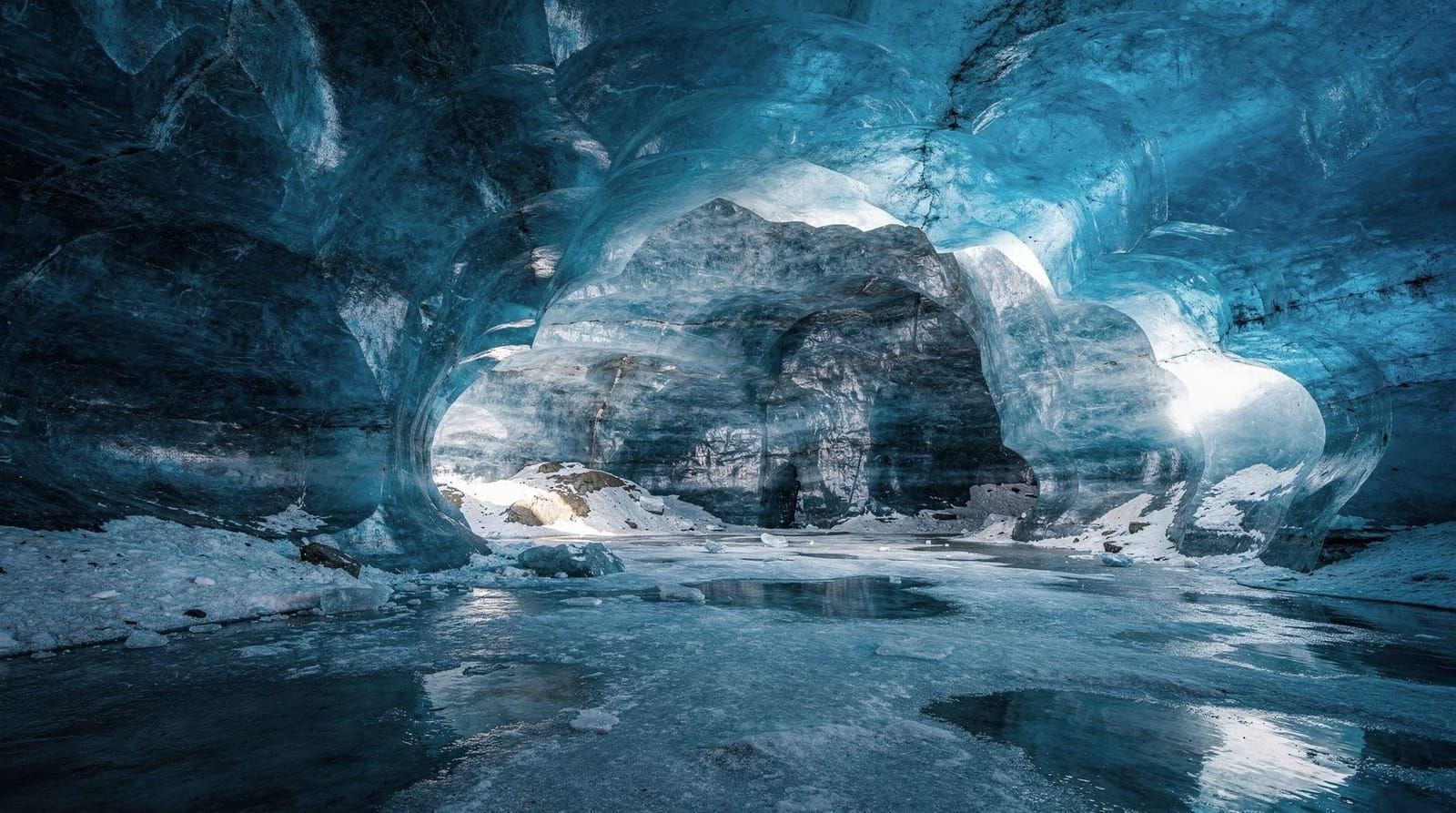
The crystal ice caves inside Vatnajokull glacier and the Katla ice cave near Vik are only accessible in winter when the ice is stable enough to enter. These are genuinely extraordinary — the blue, compressed glacial ice lit from within by LED lights and natural light creates an environment unlike anything accessible elsewhere in the world.
Tour operators control access based on conditions. Booking in advance is essential, and tours can be cancelled on short notice for safety. See glacier hikes and ice caves guide for specifics.
The short-day reality
December in Reykjavik has approximately four hours of daylight. The sun rises around 11:30 and sets around 15:30. This is a genuine constraint on sightseeing and self-driving — you cannot drive the South Coast, stop at six waterfalls, and make it back before dark. Planning a winter itinerary requires accepting that fewer sites are achievable per day.
January and February have slightly longer days (5-7 hours). By March, daylight is around 12 hours and the constraint largely disappears.
Winter practicalities
The Iceland winter 4-day itinerary is a realistic template for what a focused winter trip can cover.
Driving in winter requires a 4WD vehicle (or equivalent all-wheel-drive) and careful road condition checking at vegagerdin.is. The Ring Road stays open but mountain roads and all F-roads are closed. The South Coast is accessible in most winter conditions. The Golden Circle is accessible in most conditions but should be checked before setting out. See getting around Iceland: car vs tours for the full decision.
Cold weather gear is not optional. The wind chill in Iceland can be severe. Thermal layers, a waterproof outer layer, gloves, and a hat are essential from October through April.
Summer in Iceland: what it actually means
Midnight sun
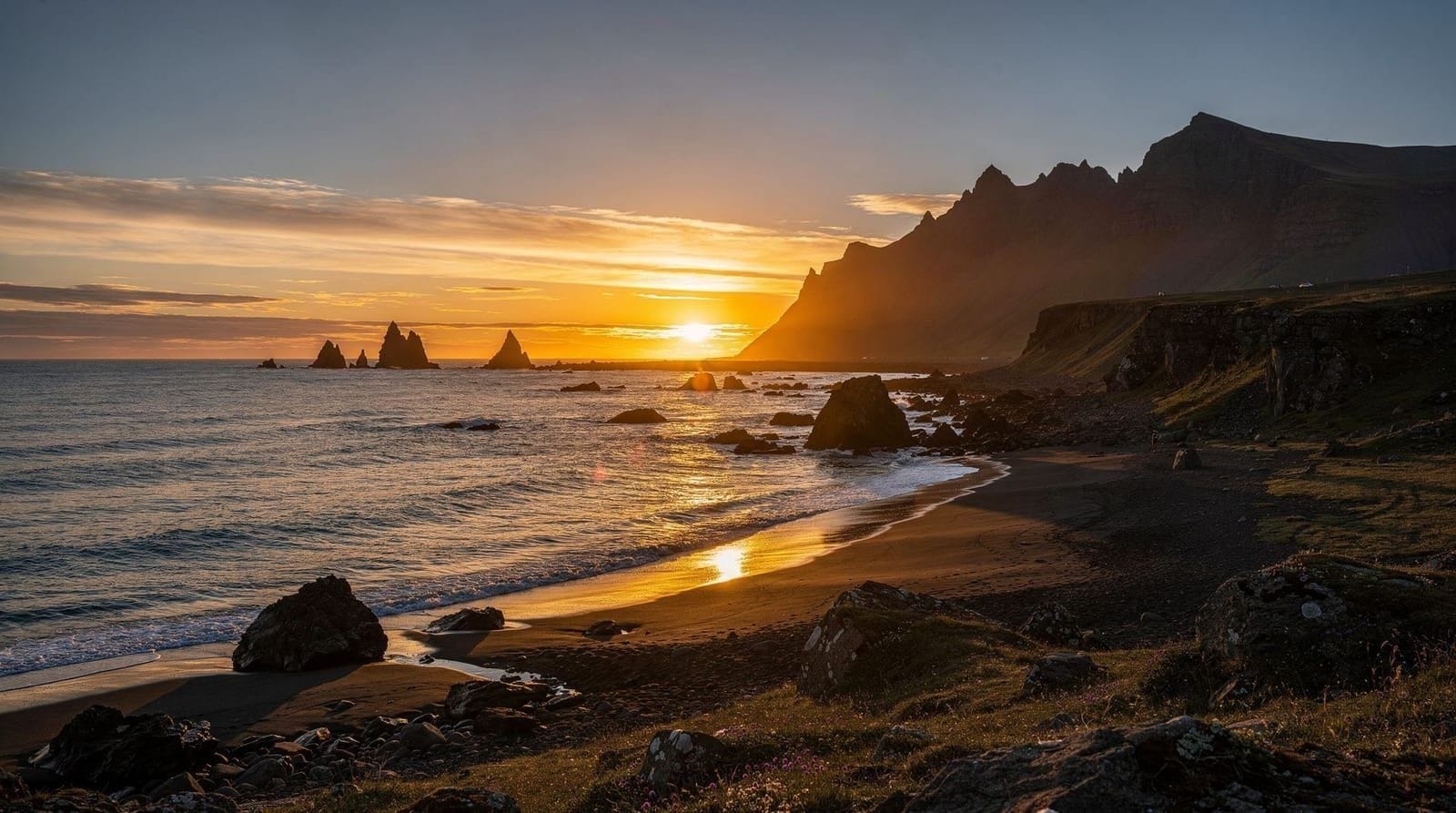
Around the summer solstice, Reykjavik experiences near-continuous daylight. The sun sets briefly around midnight and rises before 03:00, with twilight filling the gap. The effect is disorienting and genuinely memorable — meals at 21:00 in bright sunlight, hikes that start at 18:00 and end at 23:00 still in daylight, a surreal quality to the entire day.
For detailed information, see midnight sun Iceland guide.
The practical implication: sleep is disrupted without blackout curtains. Bring an eye mask. Plan for energy levels that do not follow normal daily rhythms.
Highland access
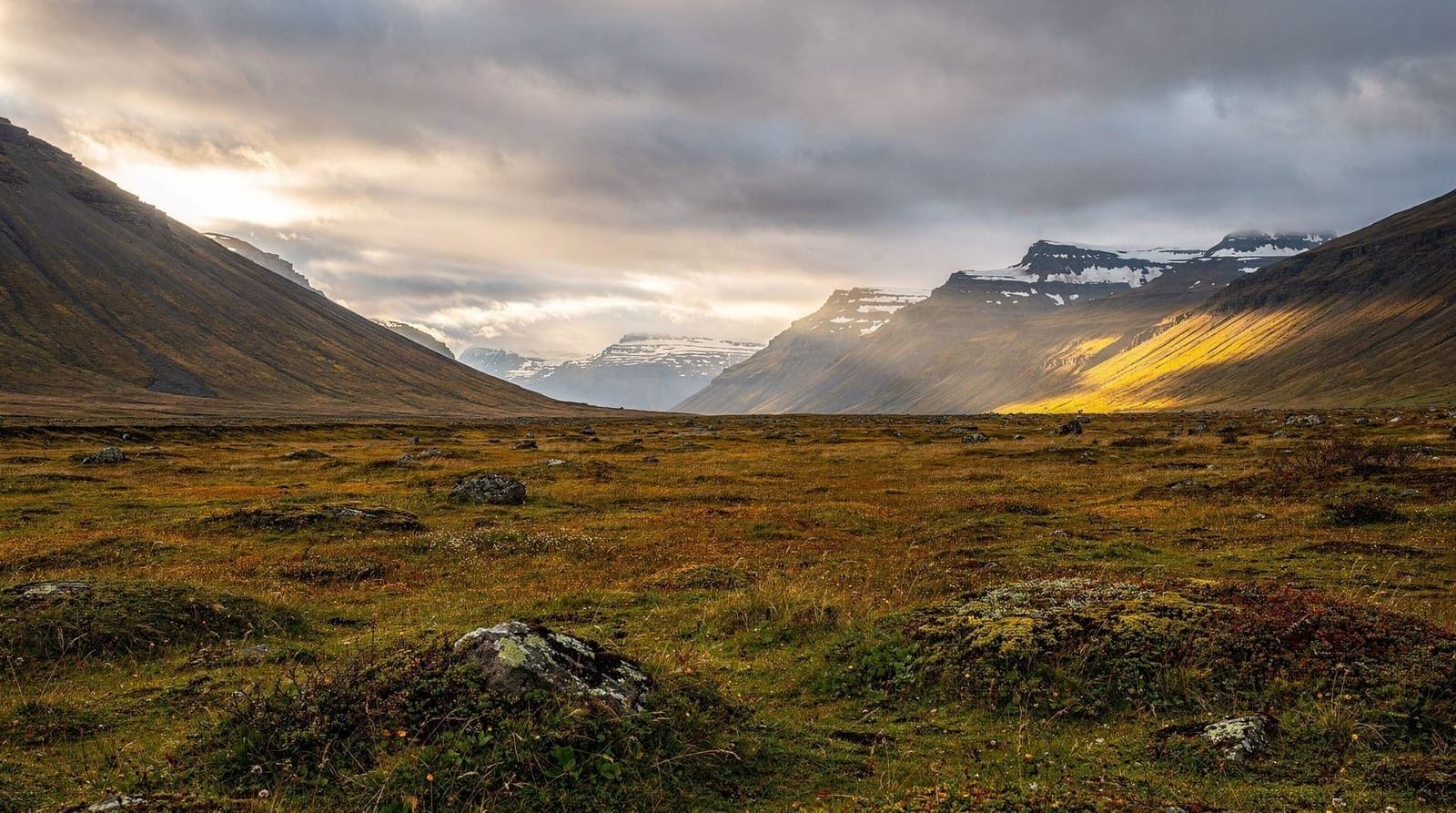
The interior Highlands — Landmannalaugar, Askja, Thórsmörk, Kjölur route — are only accessible in summer (roughly June to September). These areas require F-roads passable only with high-clearance 4WD vehicles, and they are among the most dramatically beautiful landscapes in Iceland. Landmannalaugar’s rhyolite mountains and natural hot springs are genuinely unlike anywhere else. The Highlands and Landmannalaugar destination guide has more detail.
Full activity range
Summer has the widest activity range. Glacier hikes, whale watching, horse riding, puffin watching (puffins are present June through August), kayaking, hiking, cycling — everything operates. The South Coast, Jokulsarlon glacier lagoon, the Snaefellsnes peninsula — all fully accessible in summer.
Puffins deserve specific mention for family visitors and birdwatchers. Iceland hosts the largest Atlantic puffin colony in the world. They are visible from the Westman Islands, the Latrabjarg cliffs in the Westfjords, and various coastal spots from roughly late April through August.
Crowds and prices
July and August are genuinely busy. The Golden Circle sites at midday have queues and tour buses. Reynisfjara black beach has crowds. Popular restaurants require advance booking. Accommodation prices are at their annual peak.
This is manageable but noticeable. Starting early (Golden Circle departure by 08:00, ahead of the main tours) helps significantly. Booking accommodation and popular restaurants weeks in advance is essential in July.
The Iceland summer 5-day itinerary covers a realistic summer trip structure.
The shoulder seasons: often the best answer
May and early June: long days (18-20+ hours), prices below peak, most activities running, wildflowers on the hills, snow still on mountains for dramatic contrast. The Highlands start opening from mid-June. Puffins arrive in late April.
September: Northern Lights begin appearing from late September. Days are still around 12-14 hours. Crowds drop significantly after the August peak. Autumn colours appear in the interior. Some Highland roads begin closing by late September. Prices fall from August highs.
Many experienced Iceland travellers consider September the best single month: sufficient light, declining crowds, Northern Lights starting, and reasonable prices.
Flights and accommodation: booking timing by season
Flight prices to Keflavik follow the seasons closely. Summer fares (June-August) peak roughly 40-60% above winter lows, and popular July departure dates from major hubs sell out of the cheapest fare classes months ahead. Booking summer flights and Reykjavik accommodation 4-6 months out is genuinely worthwhile — both categories tighten noticeably from May onward as demand builds. Winter fares are more forgiving; deals appear even 6-8 weeks out, though the Christmas-New Year window (Dec 24-Jan 2) is its own mini peak season with prices closer to summer levels and hotels booking out early.
Shoulder-season flights (May, September) sit in between and offer the best value-to-daylight ratio of the year. If flexibility allows, shifting a trip by two or three weeks either side of the summer peak or the winter Northern-Lights peak often saves meaningfully on both flights and lodging without losing much of what draws travellers to that season.
What each season rewards photographically
Winter light is low and golden for most of the short day, giving landscape photography a soft, directional quality even at midday — something summer’s high, flat midday sun rarely offers. Snow-dusted black-sand beaches, ice-cave interiors, and aurora displays are winter-exclusive subjects; a tripod and a lens that opens to at least f/2.8 make a real difference for Northern Lights shots.
Summer’s reward is the extended golden hour: with sunset stretching across hours near the solstice, waterfalls, cliffs, and the coastline stay photogenic well past what a normal daylight window would allow, and the Highlands become reachable for shots unavailable any other time of year. Neither season is objectively better for photography — they simply produce different pictures, which is part of why some visitors return in both.
Honest verdict: who should visit when
Choose winter (November-March) if:
- Seeing the Northern Lights is a priority (understanding it is not guaranteed)
- You want ice cave access
- Budget is a significant concern
- You prefer quiet, uncrowded experiences
- You are comfortable with short daylight hours and cold weather
- You enjoy dramatic winter landscapes
Choose summer (June-August) if:
- You want the widest range of activities
- Highland access is important to you
- You want the midnight sun experience
- You are travelling with children who need longer, warmer days
- You want reliability in weather and activity availability
- This is your first Iceland trip and you want maximum accessibility
Choose shoulder season (May, early June, September) if:
- You want a reasonable balance of price, crowds, and activity access
- September is particularly good for combining Northern Lights potential with decent days
For timing your Northern Lights specifically, see Northern Lights season guide. For packing guidance for each season, see what to pack for Iceland.
For the full best time to visit Iceland guide, see the dedicated article covering month-by-month breakdown.
If a winter trip is shaping up, an ice-cave day is the single most season-exclusive thing to book:
Into the Glacier ice cave day tour from ReykjavikFrequently asked questions about Iceland winter vs summer
When is the best time to see the Northern Lights in Iceland?
The Northern Lights require darkness — they are only visible roughly late August through mid-April. Peak months are October through February. No night during this period guarantees seeing them — clear skies and solar activity must also align.
Can you see the midnight sun in Iceland?
Yes. Around the summer solstice (21 June), Reykjavik has nearly 24 hours of daylight. The midnight sun is visible from late May through late July.
Are ice caves only available in winter?
Yes. Natural ice caves are only accessible November through March when the ice is stable. In summer, glacier hikes are available but caves are closed.
How crowded is Iceland in summer?
Very crowded in July and August. The main sites have significant tour bus traffic. Book accommodation and restaurants well in advance. Starting early each day helps avoid peak crowds.
Is Iceland significantly cheaper in winter?
Yes. Off-peak winter months (November-February, excluding Christmas and New Year) can be 20-40% cheaper for flights and accommodation than July.
Can you drive the Ring Road in winter?
The Ring Road stays open year-round but winter driving requires a 4WD and daily road condition checks at vegagerdin.is. Mountain roads and all F-roads are closed October-June.
What is the shoulder season in Iceland?
May/June and September/October. September is often considered the best overall month: reasonable light, falling crowds, Northern Lights starting, and better prices than summer peak.