What to Pack for Iceland: The Honest, Season-Specific List
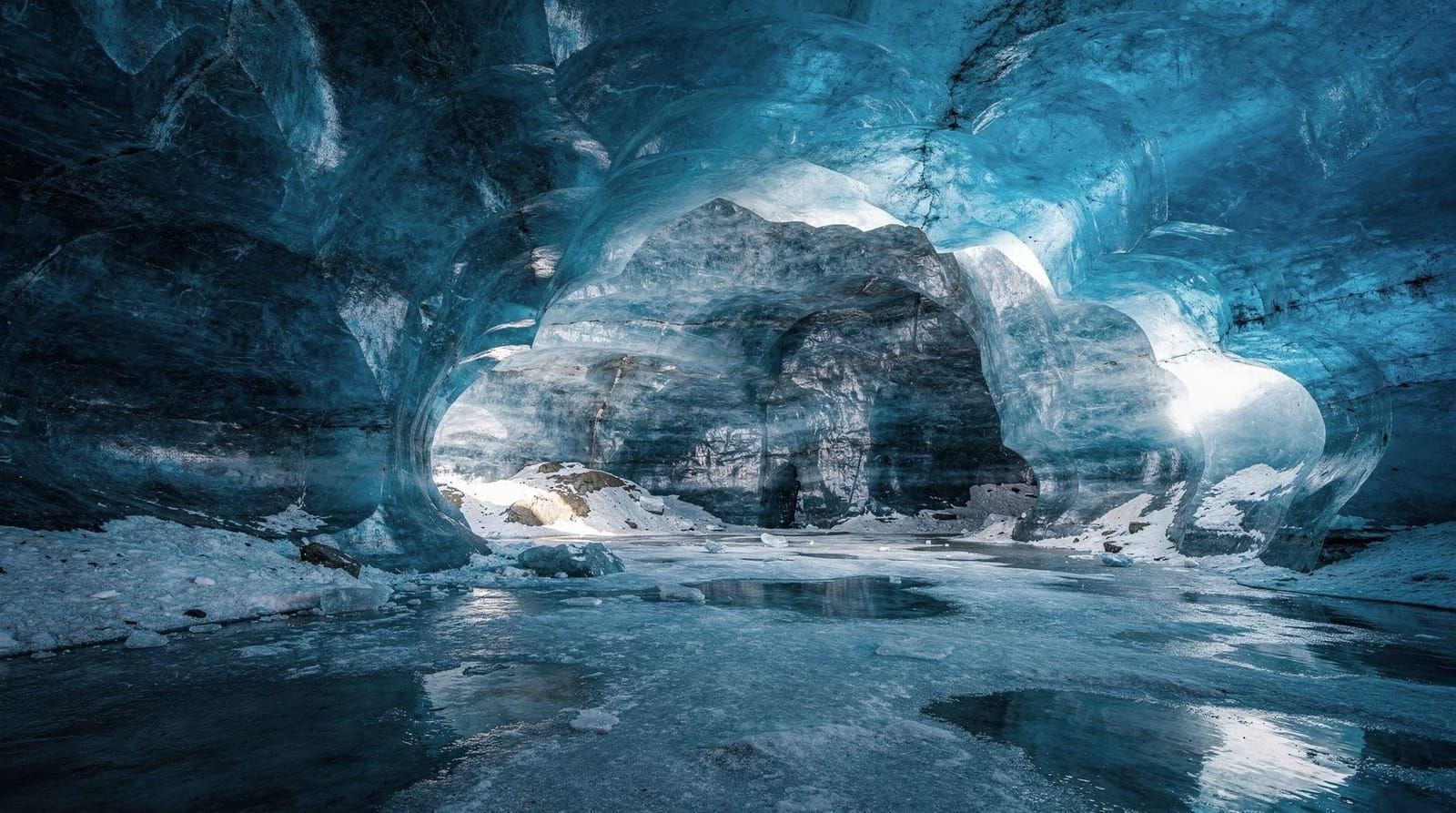
From Reykjavik: Into the Glacier Ice Cave Tour
What do you actually need to pack for Iceland?
Iceland's weather is unpredictable year-round — rain can arrive any day in summer, wind chill is a factor even in July. The core system is waterproof outer layers, thermal midlayers, and fast-drying base layers. Waterproof hiking boots, a down jacket, and a wind-proof rain jacket are the three non-negotiable items for any season.
What Iceland’s weather actually demands
Iceland’s weather does not follow the same seasonal logic as most European destinations. In Reykjavik, the average July high is 13°C. In December, it is around 2°C. What both months share is wind, frequent rain, and rapid changes — a morning forecast of clear skies in summer can become a wet, gusty afternoon within three hours.
Packing for Iceland means packing for weather variability, not for a fixed temperature. The right gear makes the difference between a comfortable trip and a miserable one, especially at waterfalls, on glaciers, or hiking on exposed lava fields.
| Where it matters most | Waterfalls, glacier hikes, exposed lava fields and coastlines |
| Non-negotiables | Waterproof hiking boots, a down midlayer, a wind-and-waterproof hardshell |
| Cost of buying gear locally | 2-3x home prices for jackets and boots at 66 Degrees North or Cintamani |
| Packing style | Layer, don’t bulk up — three adaptable layers beat one heavy coat |
| Best time to sort gear | Before you leave — high-tech base layers and boots are far cheaper at home |
The layering system
Iceland packing is built on three layers. This is not marketing — it is what works in variable cold-wet conditions.
Base layer (moisture-wicking): Merino wool is the best material for Iceland — warm, quick-drying, and does not smell after a day of wearing. Synthetic polyester base layers also work. Avoid cotton entirely — wet cotton stays wet and chills you.
Pack two to three base layer tops and one or two base layer bottoms. They dry overnight in most guesthouses.
Midlayer (insulation): A fleece or light down jacket forms the insulation layer. For summer (June-August), a fleece is usually sufficient. For September-May, a mid-weight down jacket (650-800 fill power) is more practical. The midlayer traps warm air from the base layer and provides warmth without the waterproofing of the outer layer.
Outer layer (wind and waterproof): This is the non-negotiable item. A waterproof, breathable hardshell jacket with a hood is essential in every season. Gore-Tex or equivalent. Pack-able down jackets without waterproofing are insufficient as an outer layer in Iceland.
Waterproof trousers are optional for city-only trips but essential for any outdoor activity (glacier hikes, waterfall visits, lava field walks). They are compact and light — worth packing regardless.
Footwear
Waterproof hiking boots with ankle support: The single most important footwear item. Essential for waterfall visits (spray zones at Seljalandsfoss and Skogafoss soak the ground), lava field walks, glacier hike approaches, and anything off the main road. Gore-Tex lining or equivalent. Break them in before you travel.
Warm waterproof boots or rubber boots (winter): For October-March, a warmer boot is advisable. Some guesthouses on the South Coast offer gumboots for walking to waterfalls. If you are doing Northern Lights tours in December-January, insulated boots rated to -15°C are worth having.
Town shoes or trainers: Reykjavik’s pavements are well-maintained. A comfortable pair of flat shoes or trainers is fine for city days. They are insufficient for outdoor activities.
Do not pack open-toed shoes or sandals as your main footwear. They offer no protection from the cold or wet and are impractical on any terrain outside the hotel.
Season-specific packing adjustments
June, July, August (midnight sun season):
- Lightweight waterproof jacket: yes, always
- Fleece or light down jacket: yes
- Base layers: 2-3 tops, 1-2 bottoms
- Waterproof trousers: recommended
- Waterproof hiking boots: essential
- Sunglasses: yes — intense summer light, especially on snowfields
- Sun cream SPF 30+: yes, particularly for Highlands and glacier areas
- Sleep mask: essential for rooms without blackout curtains (midnight sun = bright rooms at 02:00)
September, October:
- Add a warmer midlayer (heavier fleece or light down)
- Hat and gloves for evenings and outdoor activity
- Northern Lights possible from mid-September — warm clothing for standing outside in the dark
November, December, January, February:
- Heavy down or insulated jacket as midlayer
- Thermal base layers (heavyweight merino)
- Warm hat covering ears: essential
- Insulated gloves or mittens: essential
- Warm waterproof boots or insulated hiking boots
- Neck gaiter or balaclava for outdoor evening activities
- High-vis elements optional but useful if walking near roads in 4-hour daylight
March, April, May:
- Transitional — temperature range wide depending on year
- Mid-weight down midlayer reliable
- Waterproof outer layer always
- Gloves and hat for mornings and evenings
- Snowmelt makes boots essential
| Season | Avg. high (Reykjavik) | Key extra items |
|---|---|---|
| Jun-Aug | ~10-13°C | Sunglasses, sleep mask, SPF 30+ |
| Sep-Oct | ~7-10°C | Heavier fleece, hat and gloves for evenings |
| Nov-Feb | ~1-3°C | Insulated jacket, neck gaiter, insulated boots |
| Mar-May | ~4-8°C | Mid-weight down, gloves for mornings/evenings |
For a broader planning view of which season suits your priorities, see best time to visit Iceland and Iceland winter vs summer.
Activity-specific additions
Glacier hiking: Your operator provides crampons, helmet, and ice axe. Wear your own waterproof boots and trousers. Bring base layers and midlayer under your waterproofs. See glacier hikes and ice caves guide.
Book an Into the Glacier ice cave tour from Reykjavik if you want the gear-provided guided version rather than sorting glacier equipment yourself.
Northern Lights hunting: Northern Lights tours last 2-4 hours in the dark, often in sub-zero conditions with wind. Thermal base layer, down midlayer, waterproof outer, warm hat, insulated gloves. Hand warmers are useful. See Northern Lights season guide.
Swimming pools and geothermal spas: Iceland’s geothermal pools require a full naked shower before entering. Bring your own towel — most public pools charge ISK 500-700 to rent one. The Blue Lagoon provides robes and towels within admission. The Sky Lagoon includes towels.
Road tripping in winter: Emergency supplies in the car boot: water, snacks, extra warm layer, and a shovel if you are going off Ring Road routes. Always check road.is before departing.
Electronics and photography
- Camera: Iceland rewards serious photography. Cold, wet conditions and rapid light changes favour a camera with weather sealing if you have one.
- Extra batteries: Cold temperatures drain batteries quickly. Carry spares and keep them warm in an inside pocket.
- European two-pin adapter: Iceland uses Type C/F European standard plugs. The same adapter as mainland Europe works.
- Power bank: Useful for long tour days when you cannot charge.
- Memory cards: Stock up at home — they are expensive in Iceland.
- UV filter for lenses: Blowing sand, volcanic ash, and sea spray on the South Coast can scratch unprotected lenses. A UV filter is cheap insurance.
What you can buy in Reykjavik
If you forget something, Reykjavik has:
- 66 Degrees North: Iceland’s own premium outdoor brand. Excellent quality. Expensive.
- Cintamani: Another Icelandic outdoor brand, Reykjavik-based. Good gear.
- Farmers and Friends and general outdoor shops in the city centre.
- Budget/basic gloves, scarves, and hats at 10-11 convenience stores.
What to buy at home rather than in Reykjavik: Waterproof jackets (two to three times the equivalent price), hiking boots (same), prescription medication (pharmacies are well-stocked but prices are high), and high-tech base layers.
Luggage and budget airlines: If flying a budget carrier into Keflavik Airport, check baggage allowances carefully — bulky waterproofs and boots add weight quickly, and layering means more individual pieces than a warm-weather trip. Wearing your heaviest jacket and boots on the flight rather than packing them is a simple way to save checked-baggage weight.
What to leave at home
- Umbrella: wind makes umbrellas useless in Iceland. A hooded waterproof jacket is the correct solution.
- Jeans: heavy, slow to dry, cold when wet. Pack quick-dry trousers instead.
- Excessive formal clothing: Iceland is almost entirely casual. Smart-casual covers even good restaurants.
- Plastic bags for waste: Iceland takes sustainability seriously. Bring a reusable tote.
Packing checklist (condensed)
Clothing:
- Waterproof jacket with hood (essential)
- Down or insulated midlayer jacket
- Fleece or softshell layer
- 2-3 merino or synthetic base layer tops
- 1-2 base layer bottoms
- 2-3 pairs quick-dry trousers (hiking style)
- 1 pair casual trousers or jeans
- Waterproof trousers (for outdoor activities)
- Warm hat
- Neck gaiter or scarf
- Gloves (warm, preferably waterproof)
- 4-5 pairs wool or synthetic socks
Footwear:
- Waterproof hiking boots
- Town shoes or trainers
Accessories:
- Sunglasses
- Sun cream SPF 30+
- Lip balm
- Sleep mask (essential in summer)
- Reusable water bottle (tap water is excellent)
- Small daypack
- European plug adapter
Health:
- Prescription medication (full supply)
- Paracetamol and ibuprofen
- Motion sickness tablets if susceptible (boat tours, winding roads)
Packing for children in Iceland
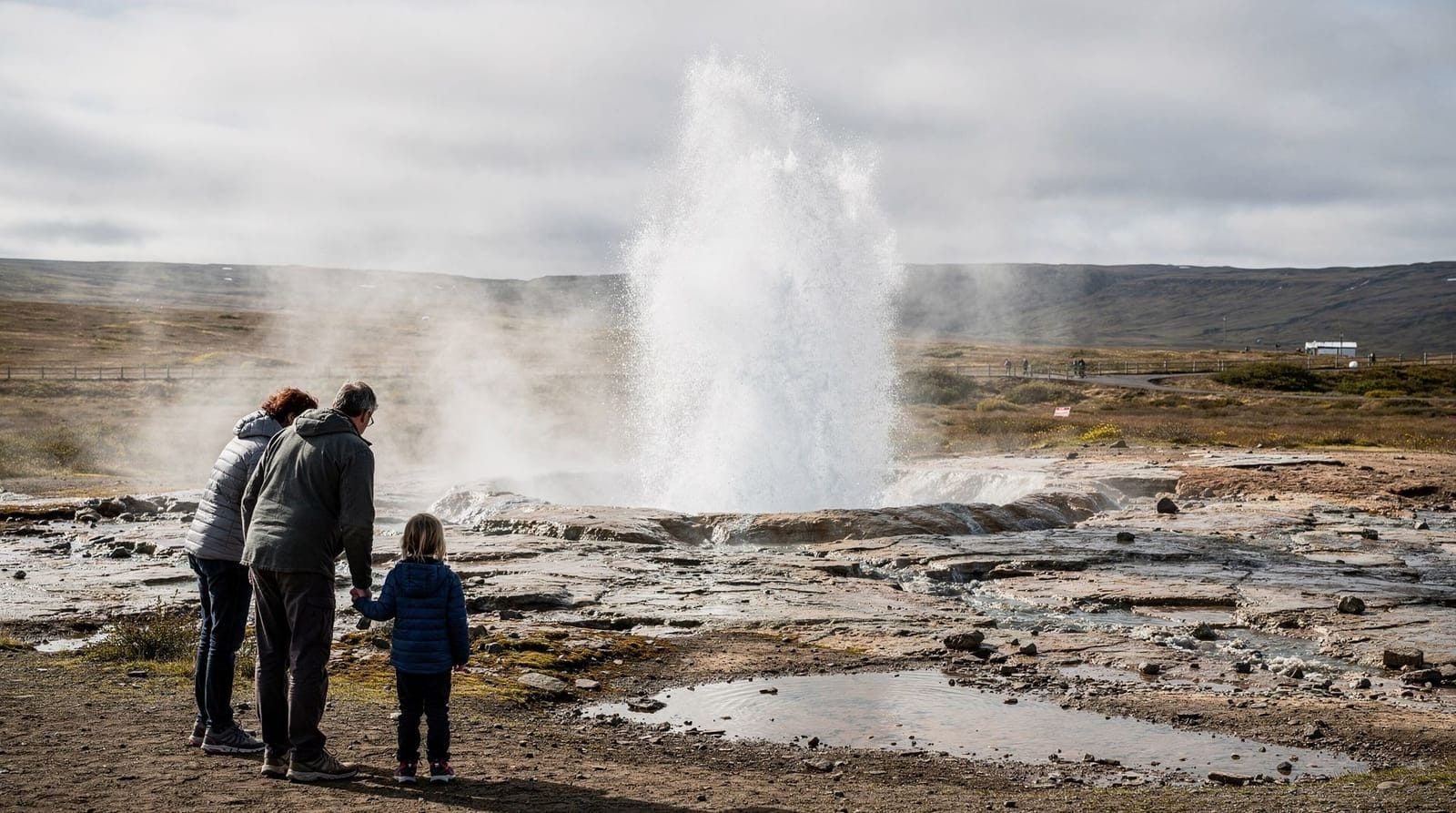
Travelling Iceland with kids has specific packing demands. Children lose heat faster than adults and are more likely to get wet and uncomfortable in the field.
For toddlers and young children:
- Full waterproof suit (one-piece rain suit): essential. It keeps them dry in waterfall spray zones, on rainy beaches, and in wet grass.
- Warm layers under the waterproof suit: a fleece one-piece or merino wool layer underneath.
- Change of complete clothes packed into your daypack — wet, cold children who cannot change are a significant trip disruption.
- Sun protection for summer glacier areas: UV intensity is high at altitude and on snow.
For older children (8-14):
- Same layering system as adults but sized down. Many parents bring children’s versions of the adult waterproofs.
- Waterproof hiking boots in children’s sizes can be harder to find abroad — buy at home before the trip.
Buggy/stroller use: Iceland’s pavements in Reykjavik are manageable for standard strollers. Off-road, a trail buggy or baby carrier is more practical. Lava field paths and waterfall access routes are often uneven. A soft-structured baby carrier is generally more versatile than a stroller once you leave the city for day trips.
Packing for photography
Iceland is one of the world’s most photographed destinations. Serious photographers bring specific equipment; here is what makes a difference.
Camera weather sealing: Waterfall spray, sea mist on the South Coast, and rain make weather-sealed camera bodies worthwhile. A weather-sealed body and lens hood, combined with lens cloths in your jacket pocket, keeps you shooting through conditions that would ruin unprotected gear.
Circular polarising filter: Reduces glare on glacial water, enhances sky-water contrast, and is particularly useful at waterfalls. Essential for waterfall photography.
Wide-angle lens: Iceland’s landscapes reward wide composition. A 16-24mm equivalent is more useful here than telephoto for landscape work.
Spare batteries and warm pockets: Cold temperatures (particularly October-March) drain batteries at 2-3x the normal rate. Keep a spare battery warm in an inside jacket pocket and rotate them.
Tripod: For Northern Lights photography, long-exposure waterfall shots, and low-light winter landscapes. A lightweight carbon fibre tripod that fits in a check-in bag is worth the investment if photography is a priority.
For the Northern Lights photography window, see Northern Lights season guide.
What not to worry about packing
A common over-packing mistake is bringing items that Iceland either provides well or where quality is irrelevant.
Toiletries: Full range available in pharmacies and supermarkets in Reykjavik. Bring enough for the first day and buy the rest.
Towels: Most accommodation provides towels. Blue Lagoon and Sky Lagoon include towels in admission. Only pack a quick-dry travel towel if you are camping or staying in budget hostels where towel hire is common.
Rain cover for your bag: More important than people expect. A day pack rain cover keeps camera gear and electronics dry at waterfalls without cramming everything into a waterproof dry bag.
Frequently asked questions about packing for Iceland
Do I need waterproofs in Iceland in summer?
Yes. Iceland’s summer weather is changeable — sunshine and rain on the same day is normal. A waterproof jacket with a hood is essential in every season.
What footwear is best for Iceland?
Waterproof hiking boots with ankle support. They handle lava fields, waterfall spray zones, wet highland paths, and glacier approaches. Light trainers are fine for city streets but insufficient for outdoor activities.
Do I need to bring a down jacket in summer?
For June-August a warm fleece or light insulating jacket usually suffices for warmth, though a light down jacket adds little weight and covers cold evenings. For any other season, a mid-weight down jacket is essential.
What about glacier hiking gear?
Operators provide crampons, helmets, and ice axes. Wear your own waterproof hiking boots and waterproof trousers, and bring your own base and midlayers.
Can I buy outdoor gear in Reykjavik if I forget something?
Yes. Reykjavik has several outdoor shops (66 Degrees North, Cintamani). Prices are high — major items like waterproof jackets are significantly cheaper to buy at home.
What electrical adapter do I need for Iceland?
Iceland uses European two-pin round plugs (Type C and F, 230V, 50Hz) — the same as mainland Europe.
What health items should I bring?
Ibuprofen and paracetamol (significantly cheaper from home), prescription medication for the full trip duration, SPF 30+ sun cream (especially for Highlands), and lip balm for wind exposure.
Do I need special gear for a glacier hike or ice cave tour?
No specialist gear needs buying — operators provide crampons, a helmet, and often an ice axe for glacier hikes and ice cave tours. Bring your own waterproof boots, waterproof trousers, and warm base and midlayers to wear underneath the provided safety equipment.
How many days of clothes should I actually pack?
Pack for about 4-5 days regardless of trip length, since laundry is available at most guesthouses and Reykjavik apartments, and merino base layers dry overnight. Repeating base layers and trousers is normal on an Iceland trip — prioritise packing enough warm and waterproof outer layers over a fresh outfit for every day.