Iceland with Kids: Family Travel Guide to Reykjavik and Beyond
Reykjavik: FlyOver Iceland Entry Ticket
Is Iceland good for families with children?
Yes, genuinely. Iceland is safe, the natural environment is endlessly interesting for children, and many of the country's best experiences (geysers, waterfalls, black sand beaches, whale watching) work well for most ages. Reykjavik specifically is walkable and manageable with kids. The main challenges are cost and driving distances outside the city.
Iceland with children: why it works
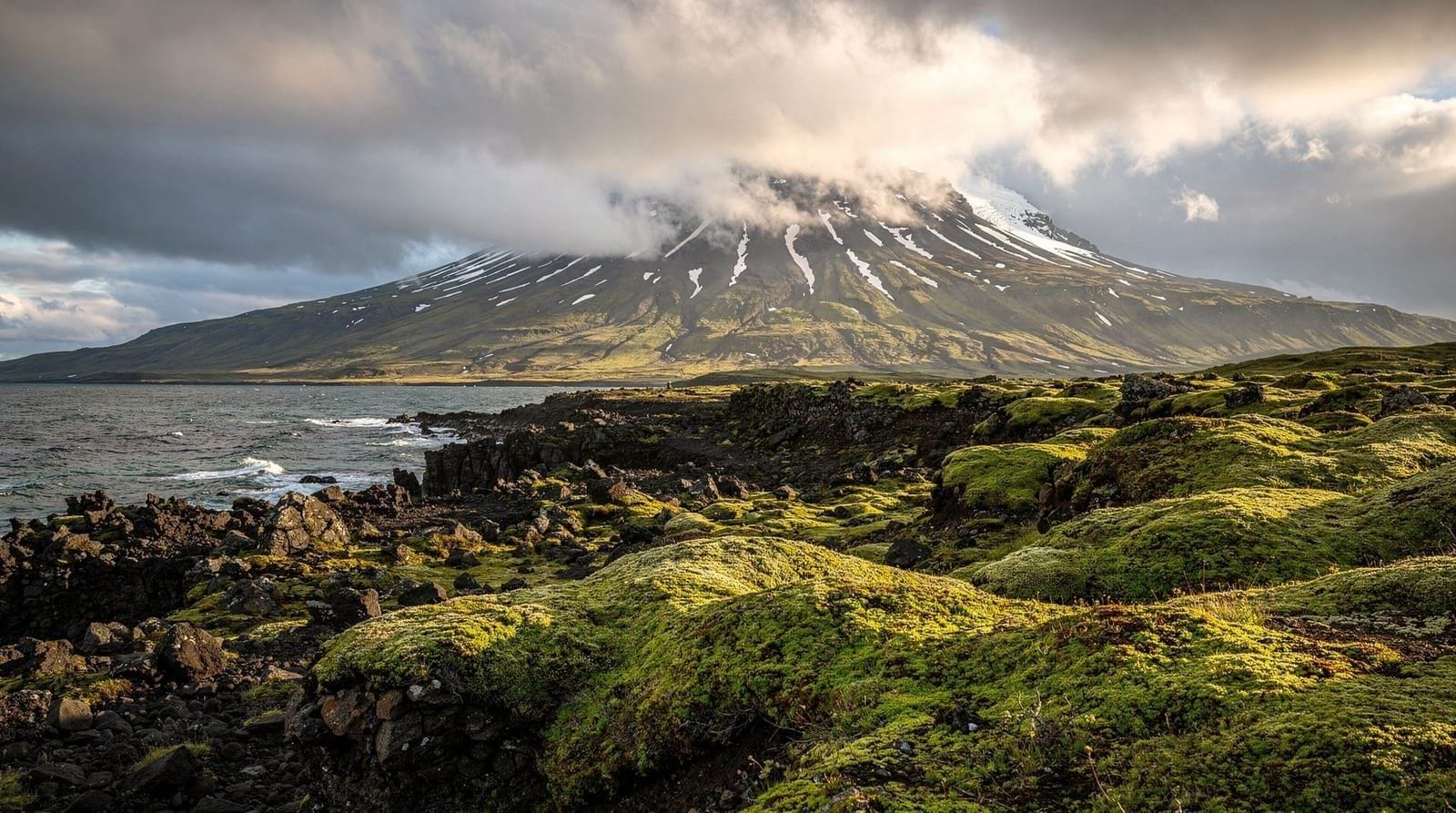
Iceland’s appeal for families is not manufactured. The natural environment genuinely captures children’s attention in ways that city tourism often does not: a geyser erupting reliably every few minutes, a waterfall you can walk behind, black sand beaches, volcanic lava fields, and — in winter — the Northern Lights. These are experiences that do not require children to read information panels or maintain museum patience.
The country is also physically safe in the ways that matter most to parents. Roads are mostly paved and well-maintained on the main tourist routes. Violent crime is negligible. The infrastructure is organized. Healthcare, if you need it, is accessible.
The challenge is cost. Iceland is not a budget destination, and a family of four adds up quickly. This guide addresses both what is genuinely excellent for families and the practical financial reality.
| Best base | Reykjavik (walkable, stroller-friendly centre) |
| Best age range | Roughly 4+ for most sights, any age for Reykjavik itself |
| Budget | Around EUR 4,000-6,000/week for a family of four |
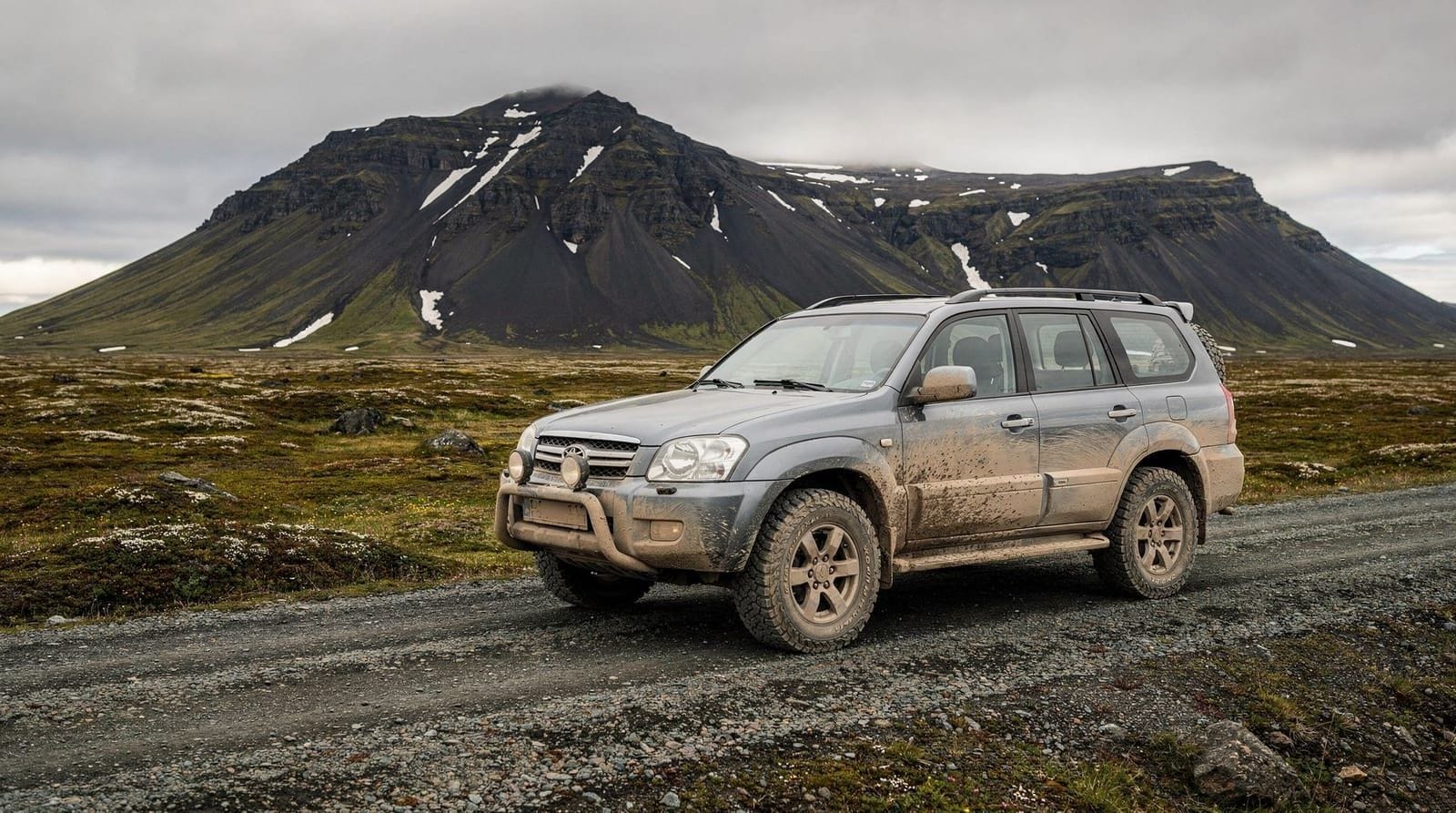
| Getting around | Rental car with reserved car seats for anything outside the city |
| Best season | July-August for daylight and ease; winter for Northern Lights/ice caves with more planning |
Reykjavik with children
FlyOver Iceland
Book FlyOver Iceland entry tickets for the family — this is the single best indoor attraction for children in Reykjavik. The 20-minute motion-platform ride over Icelandic landscapes combines film, movement, wind, mist, and scent effects to create a convincing simulated flight. Children aged approximately 4 and upward find it genuinely engaging. Height minimum is typically around 107 cm (check with the venue).
Located in the old harbour area (Aeroplan square), it takes about 45 minutes total with queuing and the pre-show. At around ISK 4,290-5,490 per adult and less for children, it is one of the better value family attractions.
Perlan: Wonders of Iceland
Perlan covers glaciers, Northern Lights, and volcanism through a mix of walk-through exhibitions and a real indoor ice cave. Children enjoy the ice cave (genuinely cold — bring warm layers) and the Northern Lights planetarium show. The observation deck at the top gives a city view that most children find impressive.
Allow two to three hours. The planetarium show costs extra and is worth it for families.
Laugardalur swimming pool
Laugardalslaug in Laugardalur park is the largest public swimming pool in Iceland. For children, it has multiple outdoor geothermal hot pots, water slides, and a splash area. Entry costs around ISK 1,200 for adults and ISK 400-600 for children.
This is what Icelanders actually do with their children. The geothermal pools are genuinely warm regardless of outside temperature. It is a practical, affordable, very local experience — far better value than many tourist attractions and a good option for an overcast afternoon.
The waterfront and free outdoor sights
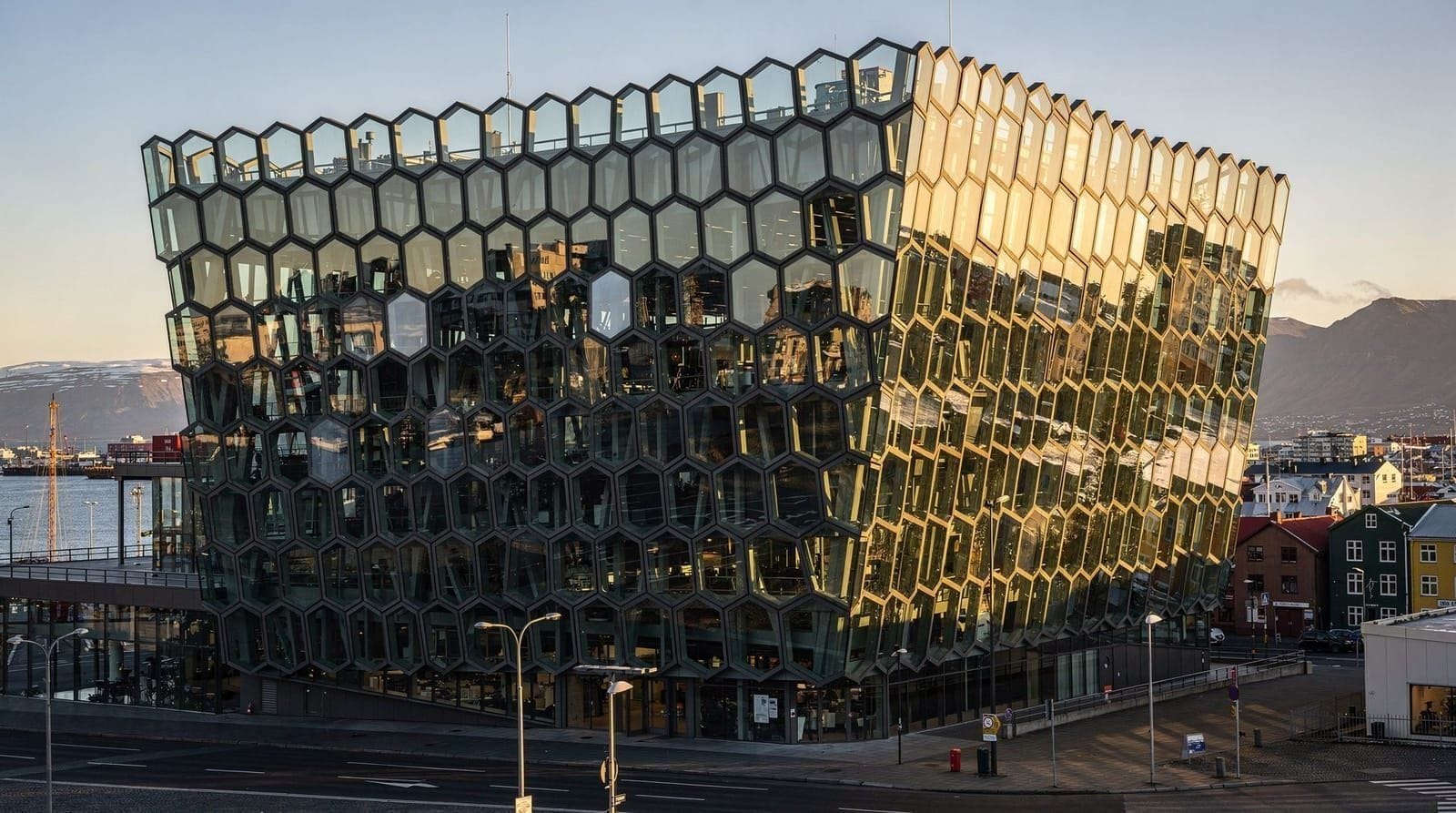
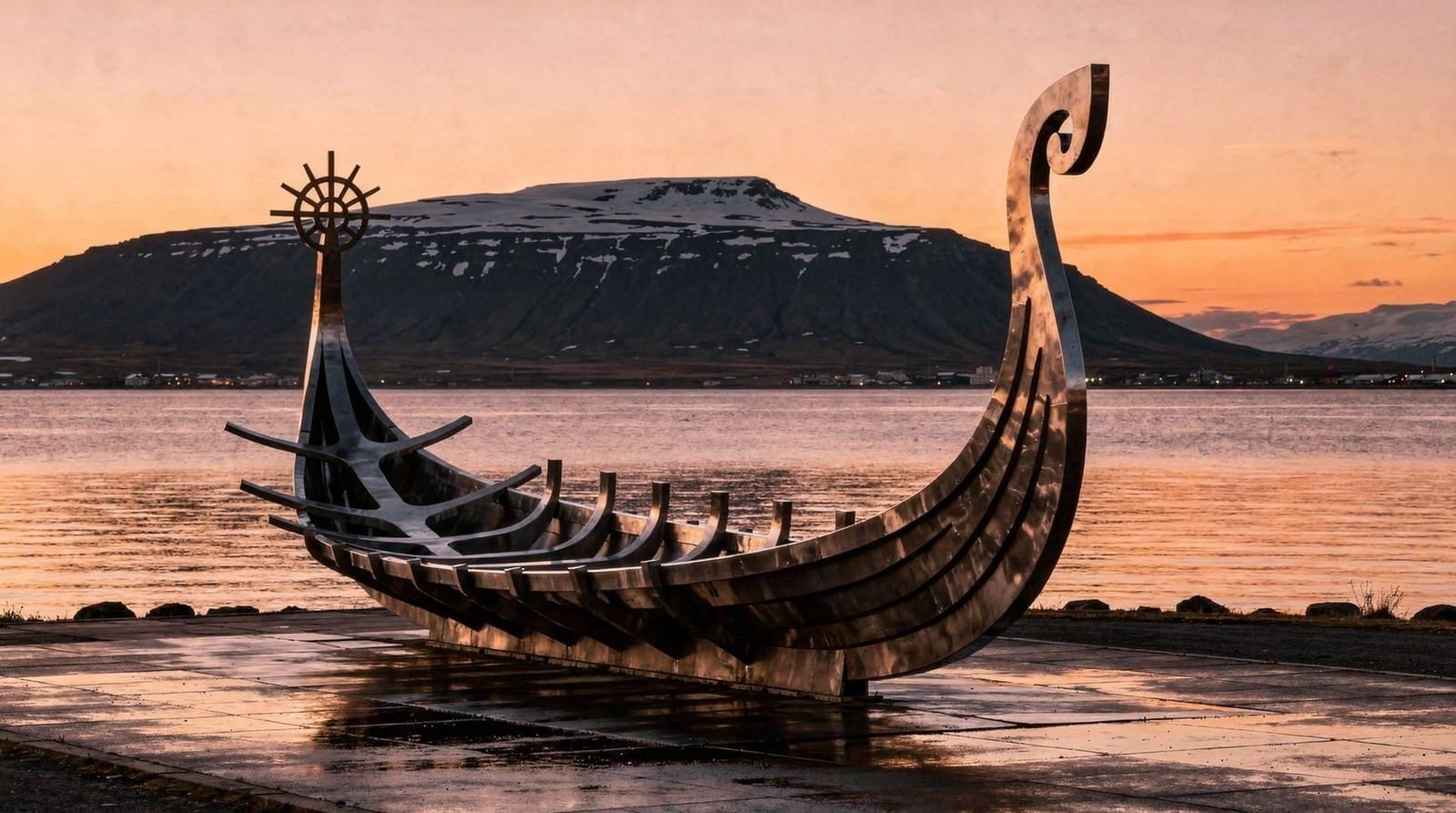
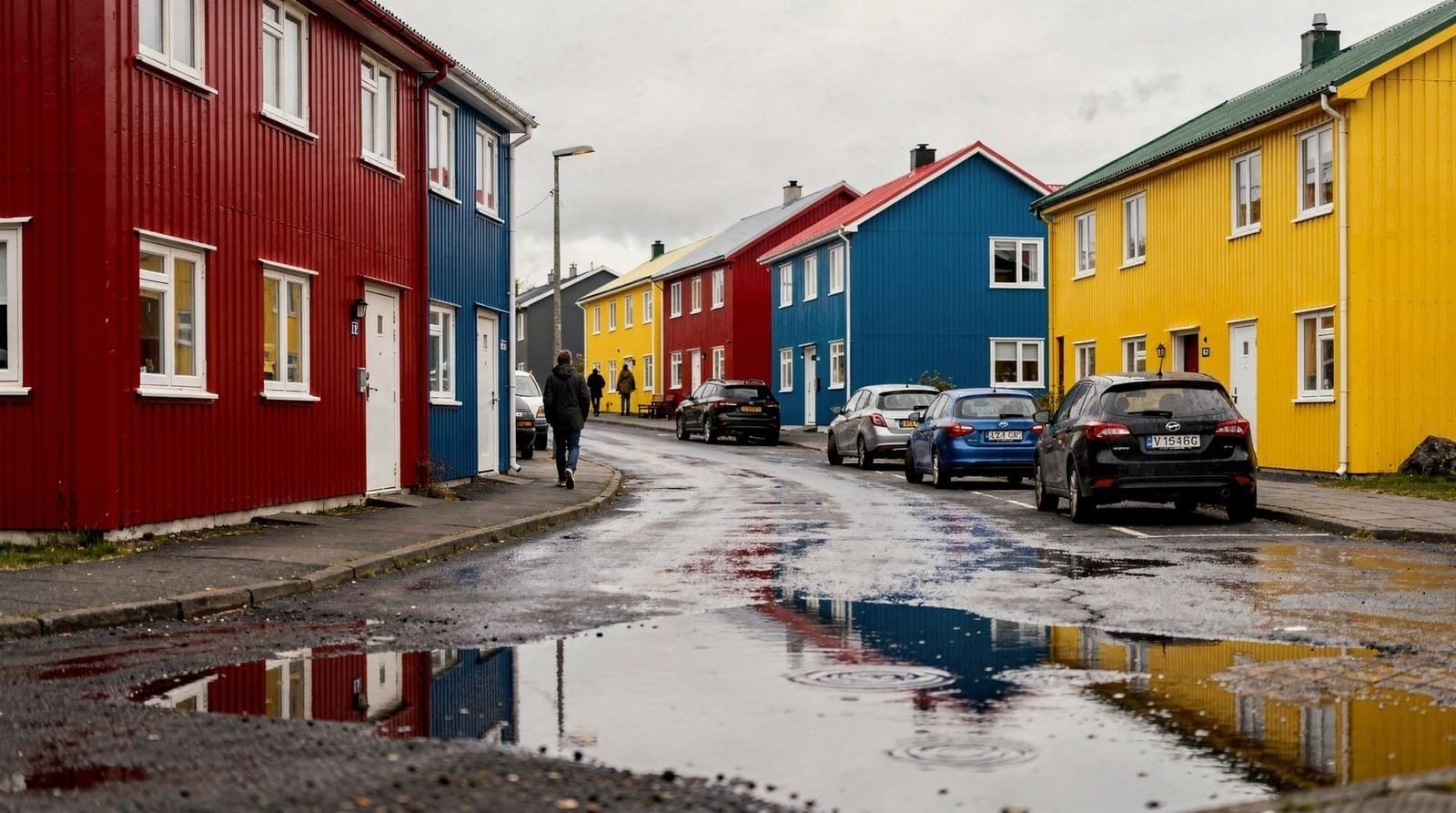
The harbour waterfront walk from Harpa to the Sun Voyager is flat and stroller-friendly. Children generally respond well to the Sun Voyager sculpture. Hallgrimskirkja tower (ISK 1,000 for adults, less or free for young children) provides a view that engages children for a few minutes even if they are young.
The Whales of Iceland exhibition at the old harbour features life-size whale models — the full-size blue whale model is 25 metres long, which is impressive to children. Entry is around ISK 3,500-4,500 for adults, with reductions for children.
The Golden Circle with children
Book a small-group Golden Circle day trip from Reykjavik — the circuit of Thingvellir, Geysir, and Gullfoss is excellent for families and is the most universally successful day trip from Reykjavik.
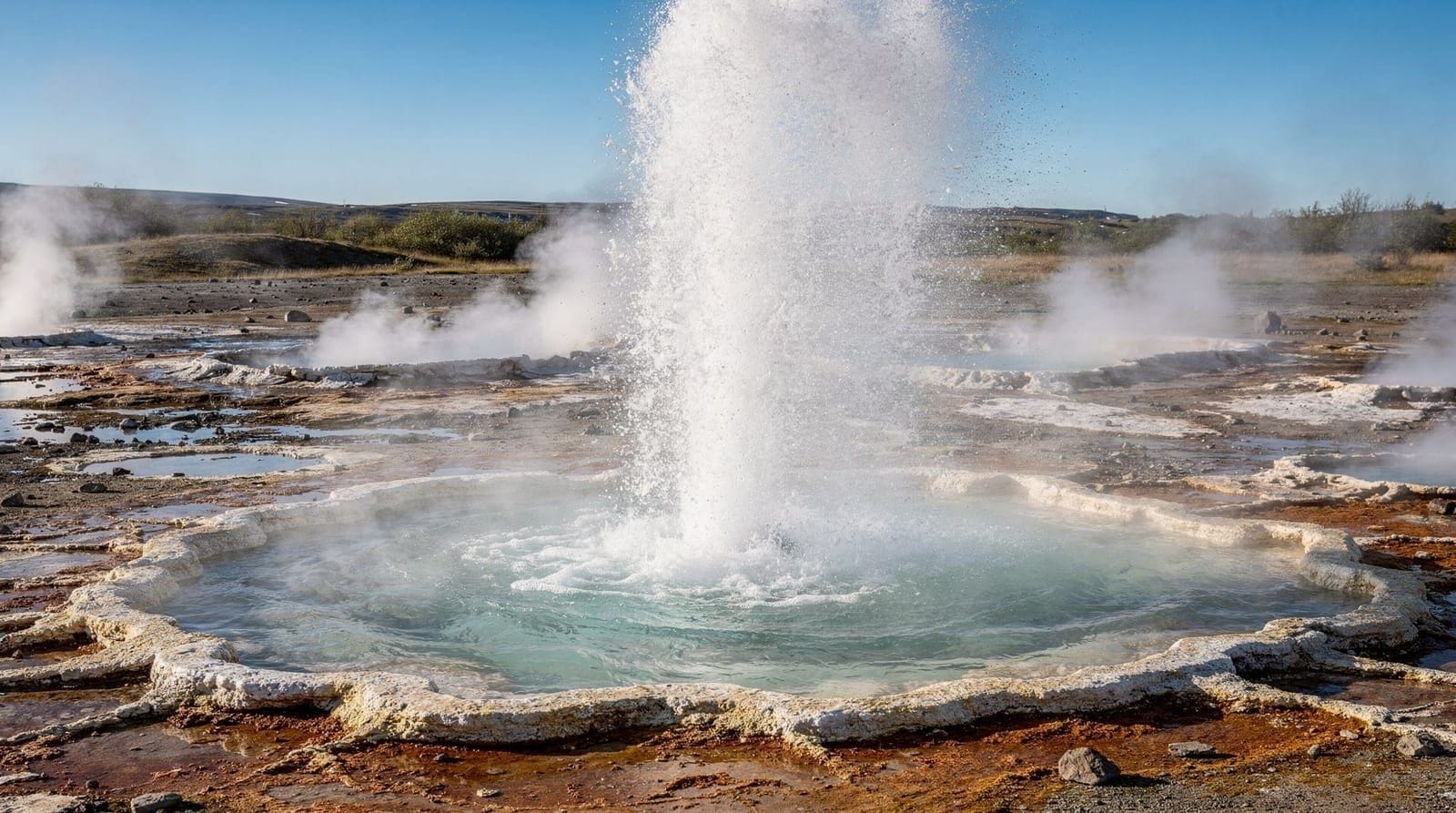
Geysir hot spring area: Strokkur erupts approximately every 5-10 minutes, ejecting a column of boiling water up to 20-30 metres. Children find this immediately engaging and will want to watch multiple eruptions. Explain what to watch for (the water dome forming) to build anticipation. Stay behind the marked barriers.
Gullfoss waterfall: a two-stage waterfall in a canyon, accessible via a short walk from the car park. The spray and noise are impressive. The viewing platforms are safe but can be wet — bring waterproof layers. Very young children in carriers are fine here.
Thingvellir National Park: the tectonic rift valley between the North American and Eurasian plates is visible and walkable. Older children interested in geology will find it interesting. For younger children, the main draw is the clear, deep river and the dramatic canyon walls.
For self-driving families, the Golden Circle self-drive vs tour guide covers the practical decision. The full Golden Circle guide has complete logistics.
The South Coast with children
The South Coast — Seljalandsfoss, Skogafoss, Reynisfjara black sand beach, and the South Coast glacier area — is spectacular and mostly child-friendly with some important caveats.
Seljalandsfoss: you can walk behind this waterfall via a path. Children love it. The path is narrow and wet — waterproof jackets and shoes are essential. Very young children in carriers are feasible.
Reynisfjara black sand beach: this is genuinely dangerous for young children and inattentive adults. The waves at Reynisfjara arrive with almost no warning and can sweep people off the beach. Keep children well back from the waterline at all times. This is not a beach for unsupervised children or for letting toddlers run toward the waves. The basalt columns and sea stacks are visually dramatic.
Glacier hiking: most providers require participants to be at least 8-10 years old and able to walk several kilometres in crampons. Check with providers before booking. The glacier hikes and ice caves guide has specifics.
Blue Lagoon and Sky Lagoon with children
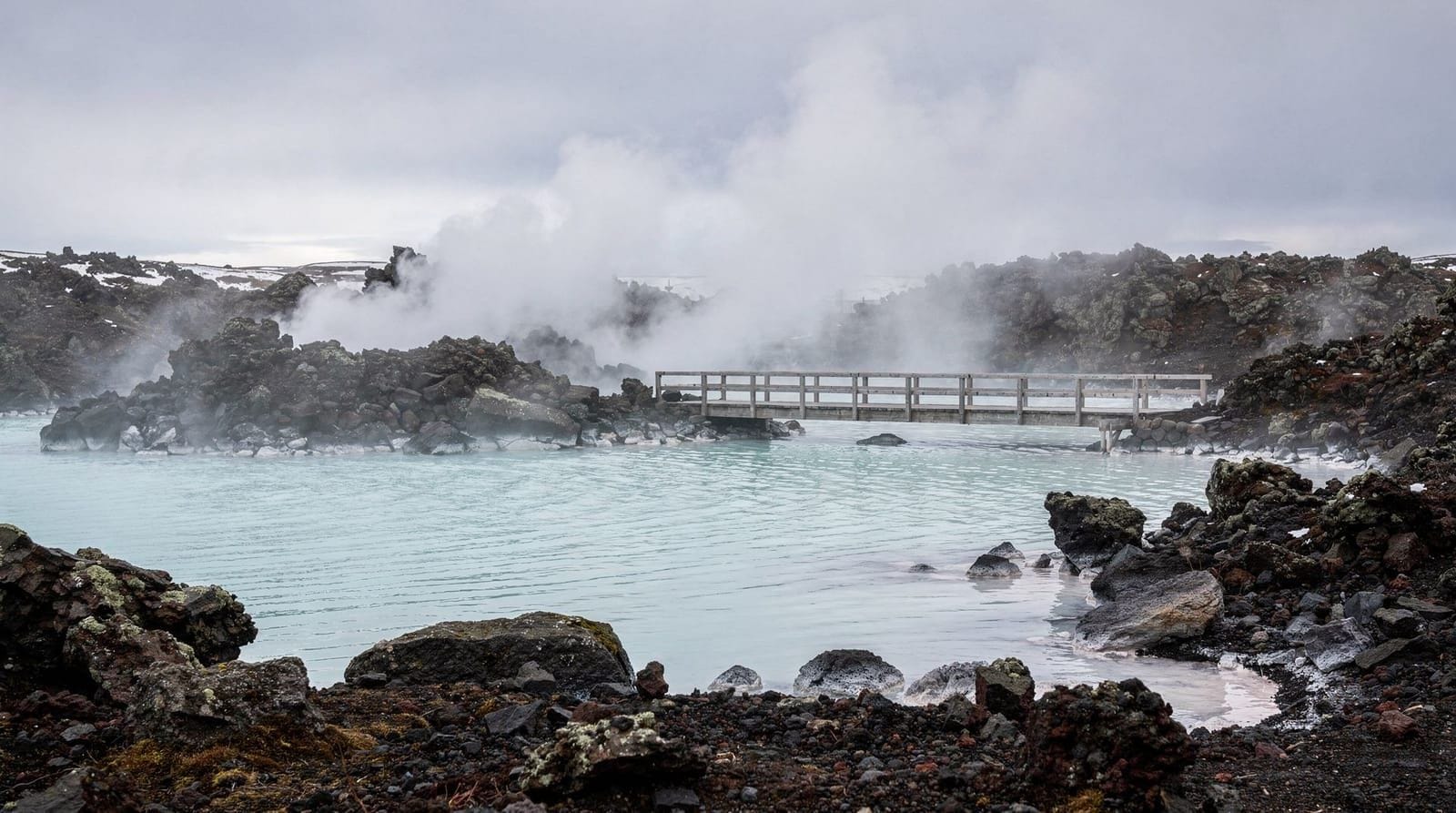
The Blue Lagoon admits children aged 2 and over. Entry for children under 13 is free with paying adults but requires prebooking a slot. The water is warm (37-39°C) and the environment is appropriate for children, though the changing rooms and general infrastructure are designed for adults.
Sky Lagoon (see Sky Lagoon guide) is a more intimate, adult-focused experience. It admits children 12 and over. Younger children should go to the Blue Lagoon instead.
Practical note: the hot silica water at the Blue Lagoon is hard on hair. For children with long hair, apply conditioner before entering and keep hair tied up.
Northern Lights with children
Northern Lights hunting works for any age in principle — it is simply looking at the sky. The practical challenge is that it requires staying up late (typically 22:00-02:00 in good conditions) and going outside in cold weather. Children who can manage late nights and cold are fine.
For families who want a guided experience, the various Northern Lights tours from Reykjavik are generally child-friendly — most are minibus tours that keep you warm and mobile.
Free viewing near Reykjavik: Grotta lighthouse (see Reykjavik free things to do) is 5 km from the centre and has good dark sky conditions. Bring warm layers, headlamps, and low expectations — the lights are not guaranteed on any given night.
Practical family logistics
Car seats: available from all major rental companies but must be reserved in advance. Specify age and weight of children when booking.
Accommodation: Reykjavik has family apartments and hotels with kitchenettes — worth prioritizing over standard hotel rooms for families who want to cook some meals. Self-catering breakfast and lunch from Bonus supermarket significantly reduces food costs.
Strollers: Reykjavik pavements are generally stroller-friendly. Outside the city, gravel paths, lava fields, and highland tracks are not stroller territory. A backpack carrier is more practical outside the city.
Food: children in Iceland eat largely what adults eat. Most restaurants have children’s menus. Supermarkets (Bonus, Kronan) stock familiar items including pasta, bread, dairy, and fruit. Tap water is excellent everywhere and completely safe.
Medical: Iceland has universal healthcare and foreign visitors can access emergency care. EHIC cards apply for EU visitors. Travel insurance with medical coverage is recommended for all visitors.
Age guide: quick reference
| Activity | Minimum practical age |
|---|---|
| Geysir (watching only) | Any age |
| Golden Circle day trip | Any age |
| Blue Lagoon | 2 years (min age) |
| FlyOver Iceland | ~4 years (107 cm min height) |
| Whale watching | ~4-5 years (seasickness consideration) |
| Glacier hiking | ~8-10 years (tour provider dependent) |
| Sky Lagoon | 12 years |
| Northern Lights hunting | Any age (late nights required) |
| Ice cave tours | ~6-8 years (provider dependent) |
For full trip planning, see the Iceland 7-day itinerary from Reykjavik and the Iceland first-timer guide.
Packing for a family trip
Layers matter more with children than with adults, since kids regulate temperature less predictably and tend to get wet feet at waterfalls or on beaches regardless of instructions. Pack a full spare set of base layers, socks and shoes per child, plus waterproof outer layers for everyone — Iceland’s weather changes fast enough that a dry, sunny morning can turn into horizontal drizzle by lunchtime. Sunglasses matter even in winter, since low sun and snow glare are genuinely bright. A small first-aid kit with children’s pain relief and motion-sickness tablets (for whale-watching or long drives) is worth carrying, as pharmacies outside Reykjavik are limited.
For winter trips specifically, warm hats, gloves and thermal layers are not optional extras — see what to pack for Iceland for a full seasonal list that applies equally to children’s kit, just sized down.
Restaurants and eating out with children
Reykjavik restaurants are generally relaxed about children, and high chairs are commonly available without needing to ask specifically. Portions can be adult-sized and pricy, so splitting a main between two children or asking for a smaller “children’s plate” (many menus have one) helps both the budget and food waste. Fast, affordable options exist too — hot dog stands, bakeries, and casual soup-and-bread lunch spots are common and popular with both locals and families. Outside Reykjavik, restaurant options thin out considerably, so carrying snacks and water for long driving days between sights is a practical habit, not an overreaction.
A realistic day with young children
A workable family day pairs one significant outdoor sight with one low-key activity, rather than stacking three demanding stops back to back. A typical structure: a late, relaxed breakfast, one major sight before lunch (Golden Circle or a South Coast waterfall), a proper lunch break with a real sit-down meal, then something gentler in the afternoon — a swimming pool, a museum, or simply free time at the accommodation.
Trying to combine full-day Golden Circle touring with an evening Northern Lights tour in the same day is achievable for adults but frequently overtires young children; if both are on the wishlist, spread them across separate days where possible. The Reykjavik 3-day itinerary is a useful pacing template to adapt down for family energy levels.
Frequently asked questions about Iceland with kids
What age is Iceland suitable for?
Iceland works well for children from roughly age 4 upward for city activities and most natural sights. Glacier hikes typically require children to be at least 8-10. The Blue Lagoon requires a minimum age of 2 years.
Is FlyOver Iceland good for kids?
Yes. FlyOver Iceland is one of the best family-friendly paid attractions in Reykjavik. The motion-platform simulated flight works well for children aged approximately 4 and upward.
Can children do the Golden Circle?
Yes. The Golden Circle is excellent for families. Geysir erupts every 5-10 minutes, Gullfoss is dramatic and accessible, and Thingvellir works for older children interested in geology.
Is whale watching suitable for young children?
Whale watching trips last 2-3.5 hours. Sea conditions can cause seasickness. Recommended for children aged 4-5 and up. Bring anti-nausea medication and warm layers.
What is the best time of year to visit Iceland with children?
July and August are the most practical for families with younger children: long daylight hours and all activities operating. Winter works for Northern Lights and ice caves but requires managing short days and cold.
How expensive is Iceland for families?
A family of four for one week should budget roughly EUR 4,000-6,000 minimum. Self-catering some meals and focusing on free natural attractions helps significantly.
Do I need a car with children in Iceland?
For anything outside Reykjavik, a car is strongly recommended. It gives control over timing, flexibility for stops, and is generally more practical and cost-effective for families than guided tours.
Top experiences
Bookable activities with verified prices and instant confirmation on GetYourGuide.