Golden Circle Self-Drive vs Guided Tour: Which to Choose
From Reykjavik: Small Group Golden Circle Day Trip
Should I self-drive or take a guided tour for the Golden Circle?
Self-drive if you want flexibility, have a driver in your group, and are comfortable on Icelandic roads in your travel season. Take a guided tour if you are solo, do not drive, want someone to handle logistics, or are visiting in winter when road conditions can be challenging. Self-drive is cheaper and more flexible. Tours provide convenience and context.
The Golden Circle: the decision that shapes your day
The Golden Circle is Iceland’s most visited tourist circuit: Thingvellir National Park, Geysir hot spring area, and Gullfoss waterfall. For most visitors to Reykjavik, a Golden Circle day is a given. The real decision is how to do it.
Self-drive and guided tour are genuinely different experiences. This guide covers the practical differences honestly so you can make the right choice for your situation.
| Route length | ~300km round trip from Reykjavik |
| Self-drive cost | ISK 4,000-8,000/person sharing a rental |
| Tour cost | ISK 9,000-40,000+/person by tour type |
| Time needed | 8-10 hours self-drive; ~9 hours on a tour |
| Best for self-drive | Couples/groups, summer, flexibility priority |
The Golden Circle route: what you are actually doing
The circuit covers approximately 300 km starting and ending in Reykjavik. The three main stops:
Thingvellir National Park: where the Althing (Iceland’s parliament) met from 930 CE, and where the North American and Eurasian tectonic plates are visibly separating. The rift valley is dramatic. The Oxara river runs through it. Walking trails cover the main areas.
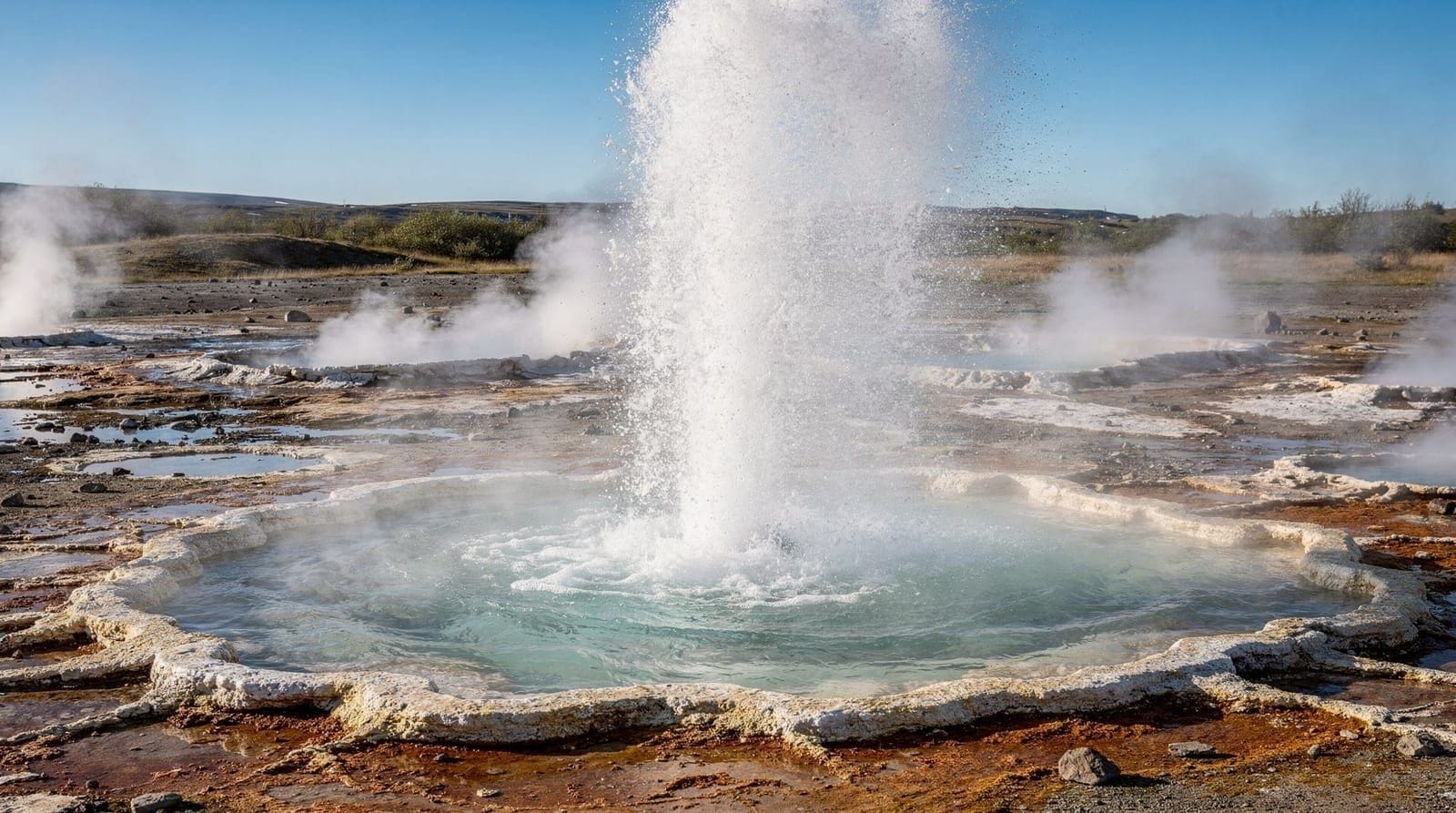
Geysir hot spring area: Strokkur erupts reliably every 5-10 minutes, sending a column of boiling water 20-30 metres into the air. The original Great Geysir (from which all geysers take their name) erupts rarely. The whole hot spring field with its multicoloured mineral pools is visually unusual.
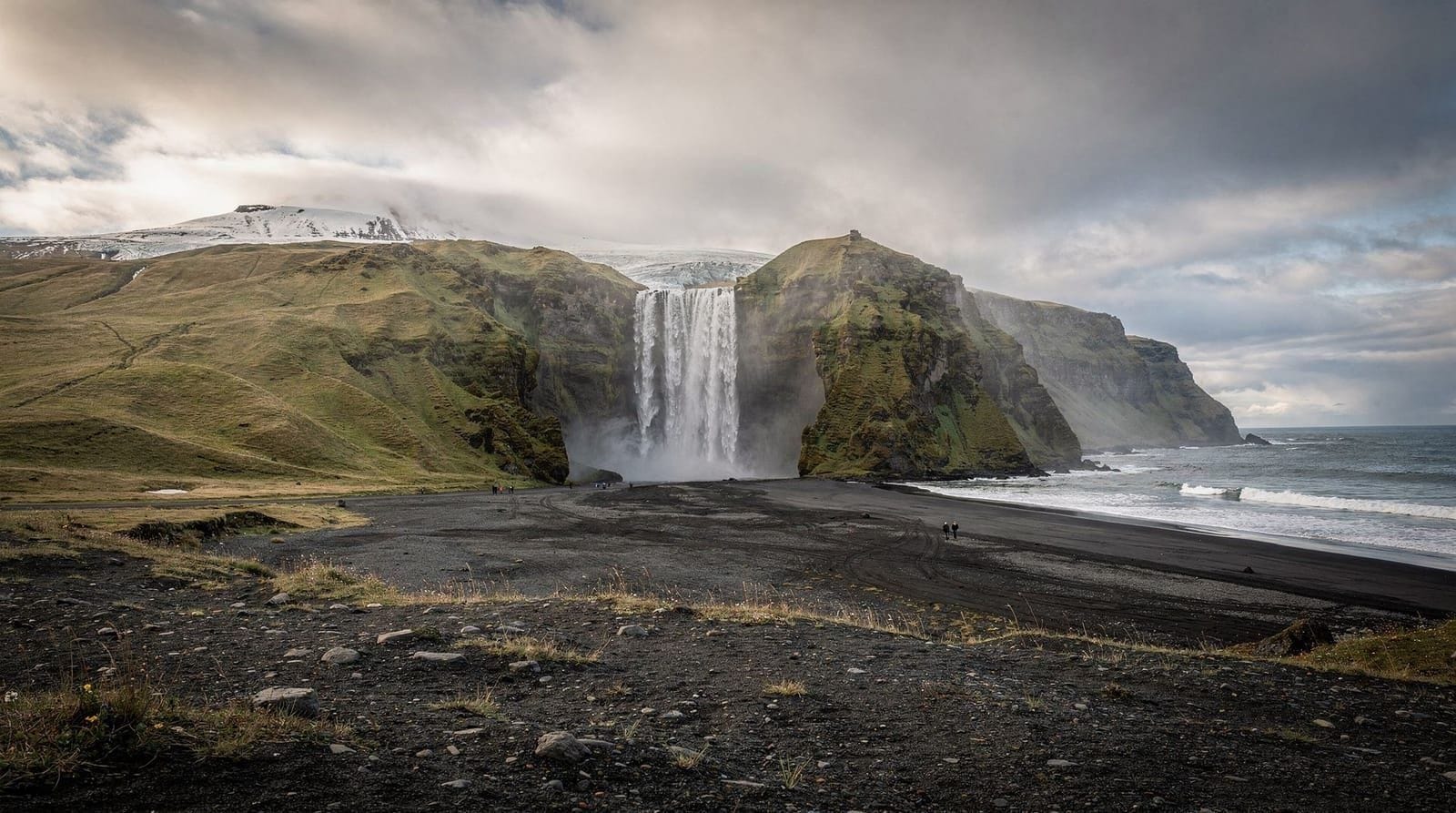
Gullfoss waterfall: a two-stage waterfall dropping into a narrow canyon. One of the most powerful waterfalls in Europe by volume. Viewing platforms are accessible via a short walk from the car park.
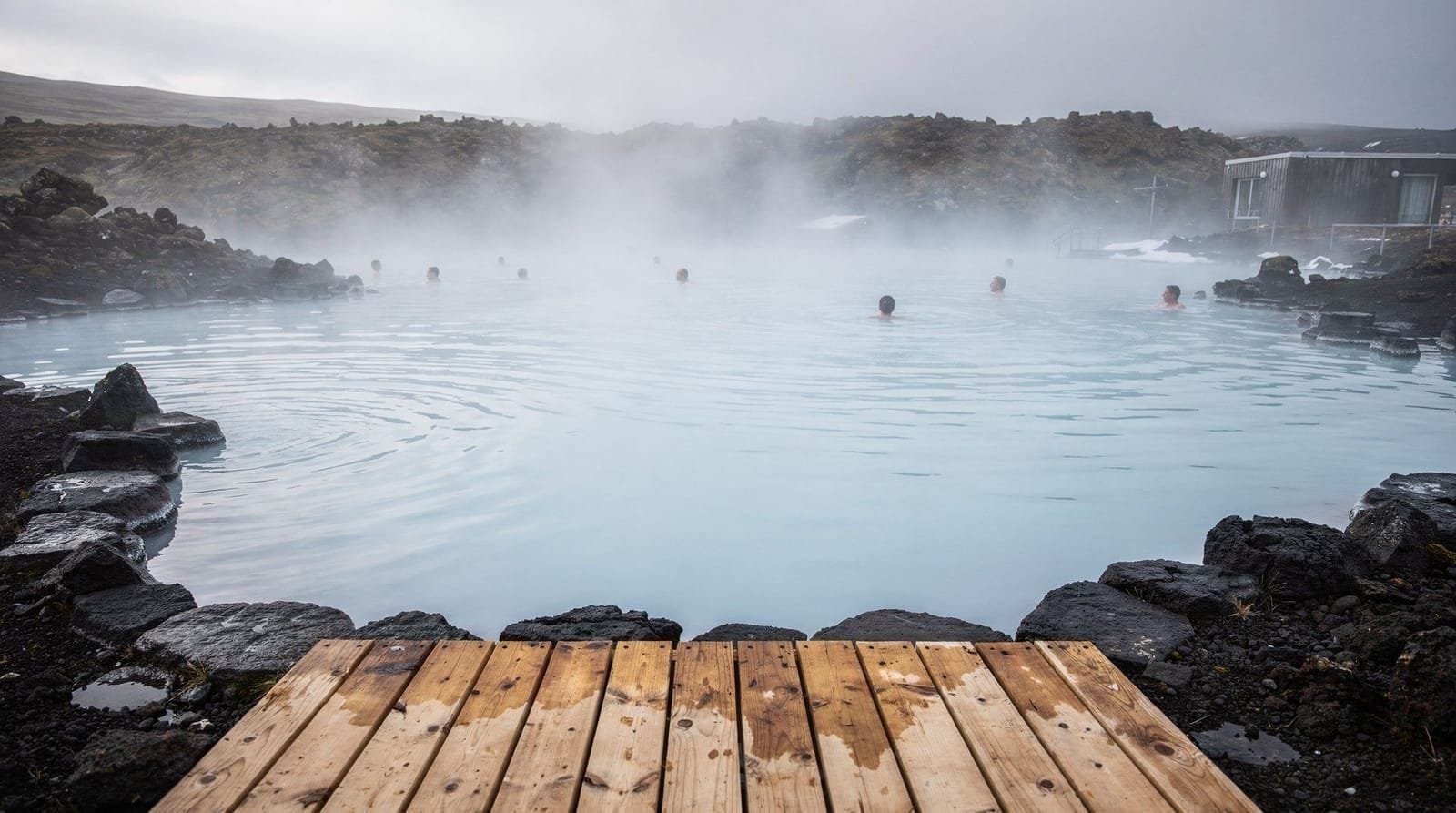
Optional additions: Kerid crater lake (ISK 800-900 entry, worth 30 minutes), the Secret Lagoon at Fludir (geothermal pool, ISK 3,200-3,800 entry), and Fridheimar (tomato greenhouse with restaurant — unusual but popular).
For complete site information, see the Golden Circle complete guide.
Self-drive: the honest assessment
Advantages:
Flexibility is the primary argument for self-driving. You stop when you want, stay as long as you like at each site, and are not constrained by a bus schedule. If the light is perfect at Gullfoss and you want another 30 minutes, you stay. If Thingvellir is crowded at midday, you can arrive early before the tour buses.
Cost efficiency for groups is significant. A rental car for one day starts around ISK 8,000-15,000. Split between two to four people, this undercuts most tour prices per person substantially. Add petrol (roughly ISK 3,000-5,000 for the circuit) and optional site entry fees. A family of four can self-drive the Golden Circle for less than two guided tour tickets.
The driving itself is simple in summer. The route uses Route 1 (Ring Road), Route 35, and Route 37 — all paved, well-marked, no special driving skills required.
Disadvantages:
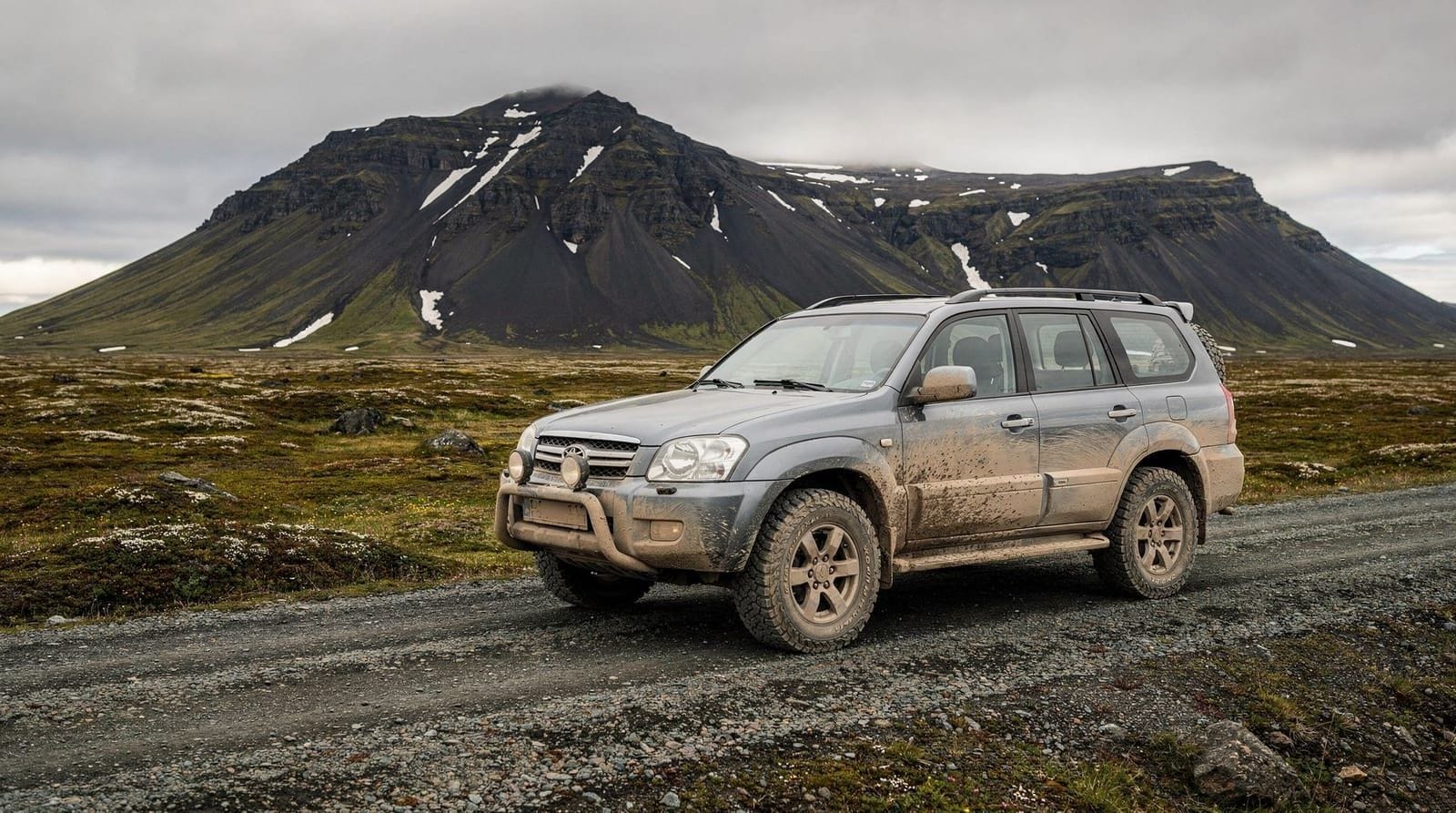
Winter road conditions are the main concern. Iceland’s interior roads and mountain passes can ice over from October through April. The main Golden Circle roads are generally ploughed and maintained, but black ice is a real hazard. If you are not comfortable driving on icy roads, or if forecasts show winter weather, a guided tour is the safer choice.
No guide means no context. The geology of Thingvellir, the history of the Althing, the science of the Geysir area — none of this comes automatically. You need to read up beforehand or use an audio guide app. A good guide genuinely adds depth to the experience.
Solo travellers pay full rental cost alone, making tours more cost-effective at this end of the spectrum.
Guided tours: what you gain and give up
Advantages:
Convenience is the main argument. You board a bus at a central Reykjavik pickup, someone else handles driving and navigation, and you are returned to your accommodation in the evening. No road condition anxiety, no parking logistics, no navigation decisions.
A good guide adds genuine value. Understanding why Thingvellir is historically significant — as the site of the world’s oldest parliament, as a place of execution and early Christian conversion, as visible evidence of tectonic plate separation — requires context. The best guides make the Golden Circle much richer than three stops on a map.
Book a small-group Golden Circle day trip from Reykjavik for the best balance of flexibility and guided experience — small groups (8-16 people) typically allow more stops and better guide access than large buses.
For solo travellers, tours eliminate the cost of solo car rental and provide company.
Disadvantages:
Timing is fixed. You spend exactly as long at each site as the group schedule allows. If Gullfoss moves you and the guide is already shepherding people back to the bus, you leave. This bothers some travellers significantly and others not at all.
Book a full-day Golden Circle guided trip from Reykjavik for a standard large bus option that works well if timing flexibility is not a priority.
Large bus tours feel like exactly what they are. 40-50 passengers moving together, queuing at sites, waiting for stragglers. Efficient but not intimate.
Cost comparison: realistic numbers
| Option | Cost per person (indicative) |
|---|---|
| Car rental (compact, summer) + petrol | ISK 4,000-8,000 (for 2 people sharing) |
| Car rental (solo traveller) | ISK 12,000-20,000 |
| Standard large bus tour | ISK 9,000-12,000 |
| Small-group minibus tour | ISK 14,000-20,000 |
| Private guided tour (vehicle + guide) | ISK 20,000-40,000+ per person |
| Self-drive + Kerid + Secret Lagoon | Add ISK 4,000-7,000 per person |
For a couple or group of three to four, self-drive is almost always cheaper. For a solo traveller, guided tours are often price-competitive with solo rental costs.
For the full budget picture, see Iceland cost and budget guide.
The Blue Lagoon combination
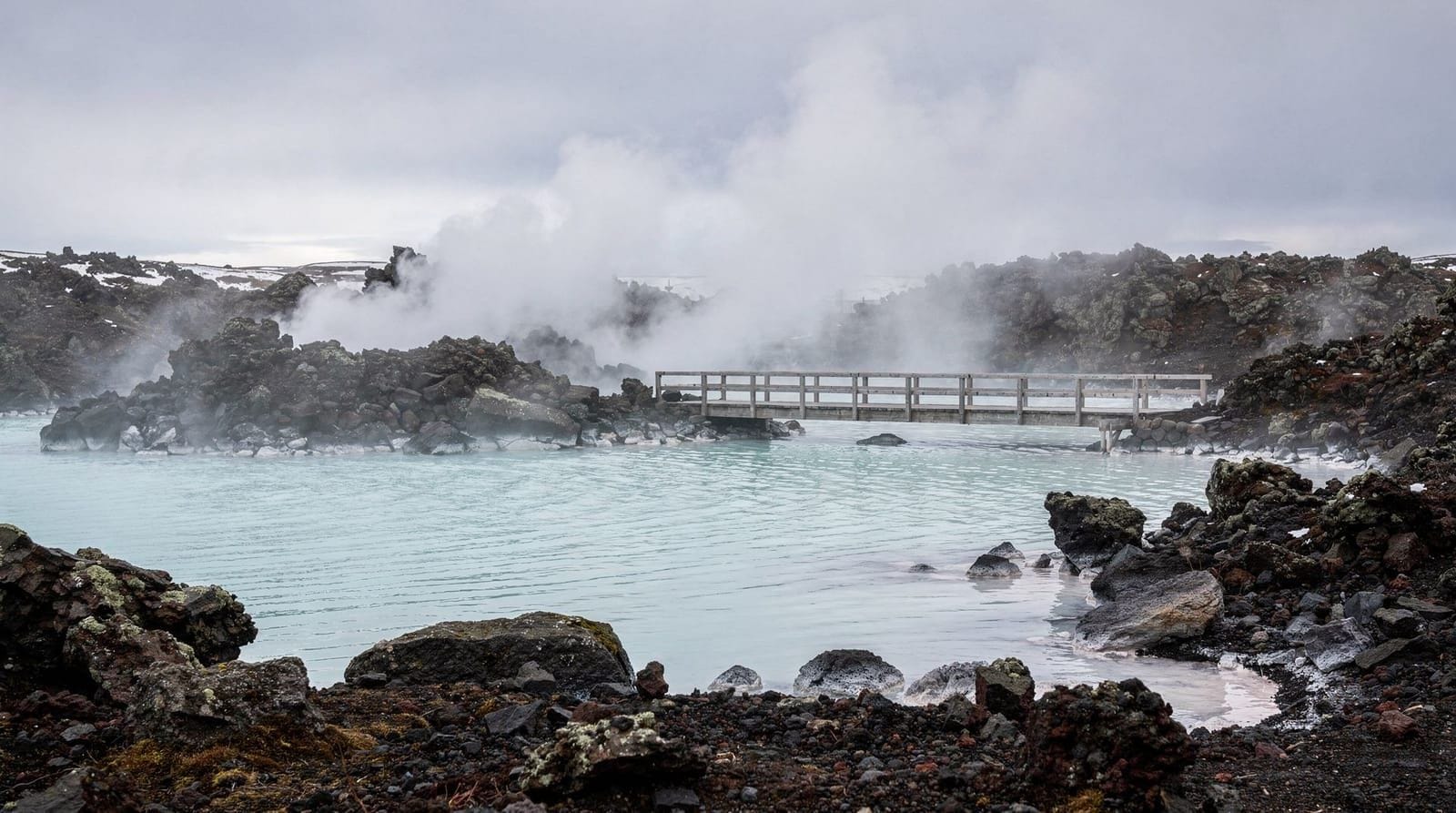
Book a Golden Circle tour with Blue Lagoon visit and entry if you want both in one day without car logistics. This is a very popular combination: you cover the three Golden Circle sites, then end the day at the Blue Lagoon before returning to Reykjavik. It works particularly well if you are staying near Keflavik Airport or if this is your last full day.
For self-drivers, the Golden Circle + Blue Lagoon combination requires an early start (leave Reykjavik by 08:30) and is a long day (12+ hours). Book Blue Lagoon slots for late afternoon (around 17:00-18:00).
For the Blue Lagoon comparison with Sky Lagoon, see Blue Lagoon vs Sky Lagoon. For full Blue Lagoon logistics, see Blue Lagoon destination guide.
Practical self-drive tips
If you decide to self-drive, a few things make the day go better:
Start early. Leave Reykjavik by 08:30. The first tour buses arrive at Thingvellir around 10:30 and Geysir around 11:00. Arriving an hour before them changes the experience significantly.
Route order matters. The standard order is Reykjavik - Thingvellir - Geysir - Gullfoss - return. An alternative is reverse order (Gullfoss first) if you want to beat tour buses to the waterfall. Thingvellir works well as both first and last stop.
Fuel. Fill up before leaving Reykjavik. There are stations at Selfoss and near Geysir, but prices are higher in rural areas and queues can form when tour buses stop. A full tank from Reykjavik covers the circuit comfortably.
Parking. Thingvellir has large car parks near the visitor centre. Geysir has a large car park shared with the hotel and guesthouses. Gullfoss has two car parks — the upper one is larger. None currently charge for parking on the main Golden Circle route, but this can change seasonally.
Winter self-drive. If you are doing the Golden Circle in winter, check road conditions at vegagerdin.is the morning of your planned drive. The Thingvellir to Geysir road (Route 35 via Lyngdalsheiðarvegur) can be slippery. 4WD is strongly recommended. If conditions are classified as impassable or very difficult, take a guided tour that day rather than attempting it.
Kerid crater addition. Kerid is about 15 km south of Selfoss on Route 35, adding about 30 minutes of driving and 30 minutes of walking. Entry is ISK 800-900. The crater lake is striking — red volcanic rock above clear turquoise water. Worth adding if you are self-driving and have the time.
Insurance and rental paperwork specific to a Golden Circle day
Even a single-day Golden Circle rental involves the same insurance decisions as a longer trip, and it’s worth getting right before you’re standing at the rental counter. Basic Collision Damage Waiver typically excludes gravel damage, which matters because most of Route 35 and the roads around Geysir include unpaved stretches. Full or “premium” cover adds a modest daily surcharge but removes this exclusion, and for a one-day rental the extra cost is usually small relative to the risk of a windscreen chip or minor gravel scrape on a rental you’d otherwise be liable for in full.
Also confirm your pickup and return logistics before booking: a same-day pickup and return at a Reykjavik city-centre location (rather than the airport) avoids the extra 45-minute drive each way to and from Keflavik, which matters if you’re trying to keep the day under 9-10 hours total.
What experienced repeat visitors actually do
Visitors returning to Iceland for a second or third trip tend to converge on a hybrid pattern rather than sticking rigidly to one option. A common approach: self-drive the Golden Circle on a first visit when everything is new and worth lingering over, then take a guided tour on a return trip when time is tighter and the sights are already familiar — letting someone else handle logistics while you focus on a specific add-on like Silfra snorkeling or the Secret Lagoon.
Another pattern worth knowing: splitting the day. Some travellers rent a car for the Golden Circle itself, then join a separate guided evening Northern Lights tour rather than trying to combine day driving with night aurora-chasing in the same vehicle. This avoids the fatigue of a 14-16 hour combined day and lets a fresh guide handle the aurora forecasting, which genuinely benefits from local, real-time knowledge that a visiting self-driver doesn’t have access to.
Verdict: the choice map
Self-drive if:
- You are travelling as a couple, family, or group of 3-4
- You want full flexibility on timing and stops
- You are visiting in summer (May-September)
- You are comfortable driving abroad
- Budget efficiency is important
Guided tour if:
- You are a solo traveller
- You do not have a driving licence or prefer not to drive
- You are visiting in winter and are not confident on icy roads
- You want expert contextual information from a guide
- You want the Blue Lagoon included in the same booking
- You prefer to arrive at Reykjavik and not think about logistics
For the broader getting-around decision covering the whole of Iceland, see getting around Iceland: car vs tours.
Frequently asked questions about Golden Circle self-drive vs guided tour
Is the Golden Circle easy to self-drive?
Yes, in summer. All roads are paved and well-signposted. In winter, roads can have ice and snow — 4WD is recommended and checking vegagerdin.is before setting out is essential.
How long does the Golden Circle take to self-drive?
The circuit is about 300 km. With stops at all three main sites, a comfortable self-drive day takes 8-10 hours. Start by 08:30-09:00.
How much does a Golden Circle guided tour cost?
Standard bus tours from Reykjavik start around ISK 9,000-12,000 per person. Small-group tours cost ISK 14,000-20,000 per person. Private guided tours start around ISK 40,000 total.
What sites are included on guided tours?
Standard tours cover Thingvellir, Geysir, and Gullfoss. Premium tours add Kerid crater, the Secret Lagoon, or a farm visit — for example, a Golden Circle day trip that includes lunch and a Secret Lagoon soak. Check the itinerary carefully when booking.
Is a car necessary for the Golden Circle?
No. Guided bus and minibus tours operate year-round from Reykjavik and are well-organized. A car is more useful for the South Coast and other routes beyond the Golden Circle.
Can I combine the Golden Circle with the Blue Lagoon?
Yes. Several tours include both. Self-drivers can do this in one long day with an early start. The Blue Lagoon is geographically convenient as a final stop before returning to Reykjavik.
Top experiences
Bookable activities with verified prices and instant confirmation on GetYourGuide.