Reykjavik: Iceland's compact, walkable capital
Plan your Reykjavik visit with honest advice on neighborhoods, costs, whale watching, museums, and what to skip. 2-3 days recommended.
Reykjavik: The Original 3-Hour Whale Watching Tour
Quick facts
- Distance from KEF Airport
- 50 km, ~45 min by bus or transfer
- Population
- ~135,000 (greater area ~230,000)
- Currency
- ISK — nearly all venues cashless, card everywhere
- Language
- Icelandic; English universally spoken
- Average coffee price
- ~900-1,100 ISK (~€6-7.50)
A city that earns its reputation without trying too hard
Reykjavik is small by any European standard — you can walk across the city center in 20 minutes — yet it punches well above its weight in terms of restaurants, design, music, and access to extraordinary nature. Almost every major Iceland excursion departs from here, which makes Reykjavik both the destination and the launchpad.
The city sits on a peninsula jutting into Faxaflói bay, with the Esja mountain dominating the northern skyline and the Atlantic visible from nearly every elevated point. On clear days you can spot the Snæfellsjökull glacier 120 km away on the horizon.
| Where | 101 Reykjavik downtown, on a peninsula in Faxaflói bay |
| Time needed | 2-3 days for the city; longer if basing here for day trips |
| Getting there | Flybus from KEF, ~45-60 min, around 3,500 ISK one way |
| Getting around | Walkable center; Strætó buses or rented bike for the rest |
| Best time | Year-round — summer for daylight, winter for the aurora |
Reykjavik: The Original 3-Hour Whale Watching Tour
The neighborhoods worth knowing
101 Reykjavik is the historic postal district and the core of everything tourists need. Laugavegur — the main shopping street — runs east from Ingólfstorg square, flanked by independent clothes shops, bookstores, and a dense grid of cafes and bars. It is genuinely walkable and genuinely lively.
Grandi is the old harbor district northwest of the city center, now home to the Whales of Iceland exhibition, the Marshall House contemporary art space, several excellent fish restaurants, and the departure pier for whale watching boats. Budget 2-3 hours to explore it properly.
Vesturbær is primarily residential but contains the Nauthólsvík geothermal beach (free, heated seawater lagoon, open June to August) and the University of Iceland campus — good for a quiet morning walk.
Laugardalur is the sports and recreation valley on the eastern edge of downtown. It holds the main public swimming pool (Laugardalslaug, ~1,200 ISK entry / ~€8), a large park with botanical garden, and the Ásmundarsafn sculpture museum.
Which neighborhood should you base yourself in?
| Neighborhood | Best for | Trade-off |
|---|---|---|
| 101 Reykjavik | First-timers, nightlife, walkability | Noisiest at weekends, priciest hotels |
| Grandi | Foodies, quieter mornings, harbor views | 15-20 min walk to the main strip |
| Vesturbær | Families, longer stays, local pace | Fewer restaurants within walking distance |
| Laugardalur | Budget stays, swimming pool access | Furthest from downtown nightlife |
Most short first visits are simplest based in 101 Reykjavik — everything else on this page is a walk or a short bus ride away.
Getting around without a car
Reykjavik does not require a rental car for a city-only stay. Strætó, the public bus network, covers the whole metro area for ~490 ISK per ride (cheaper with a pre-loaded app pass), and the main routes run every 15-20 minutes on weekdays. Buses 1, 3, 6, and 14 cover most tourist-relevant stops, including Laugardalslaug and the BSÍ terminal.
For day trips, you do not need a car either — every major route (Golden Circle, South Coast, Blue Lagoon, Snæfellsnes) runs organized minibus and coach tours with hotel pickup from downtown Reykjavik. A car becomes genuinely useful only once you are leaving the capital region for multi-day self-drive touring; see the getting around Iceland guide for that trade-off.
Taxis exist but are expensive by European standards (starting fare around 700-900 ISK plus per-km charges) and are not hailed on the street — order by app or phone.
What actually costs money
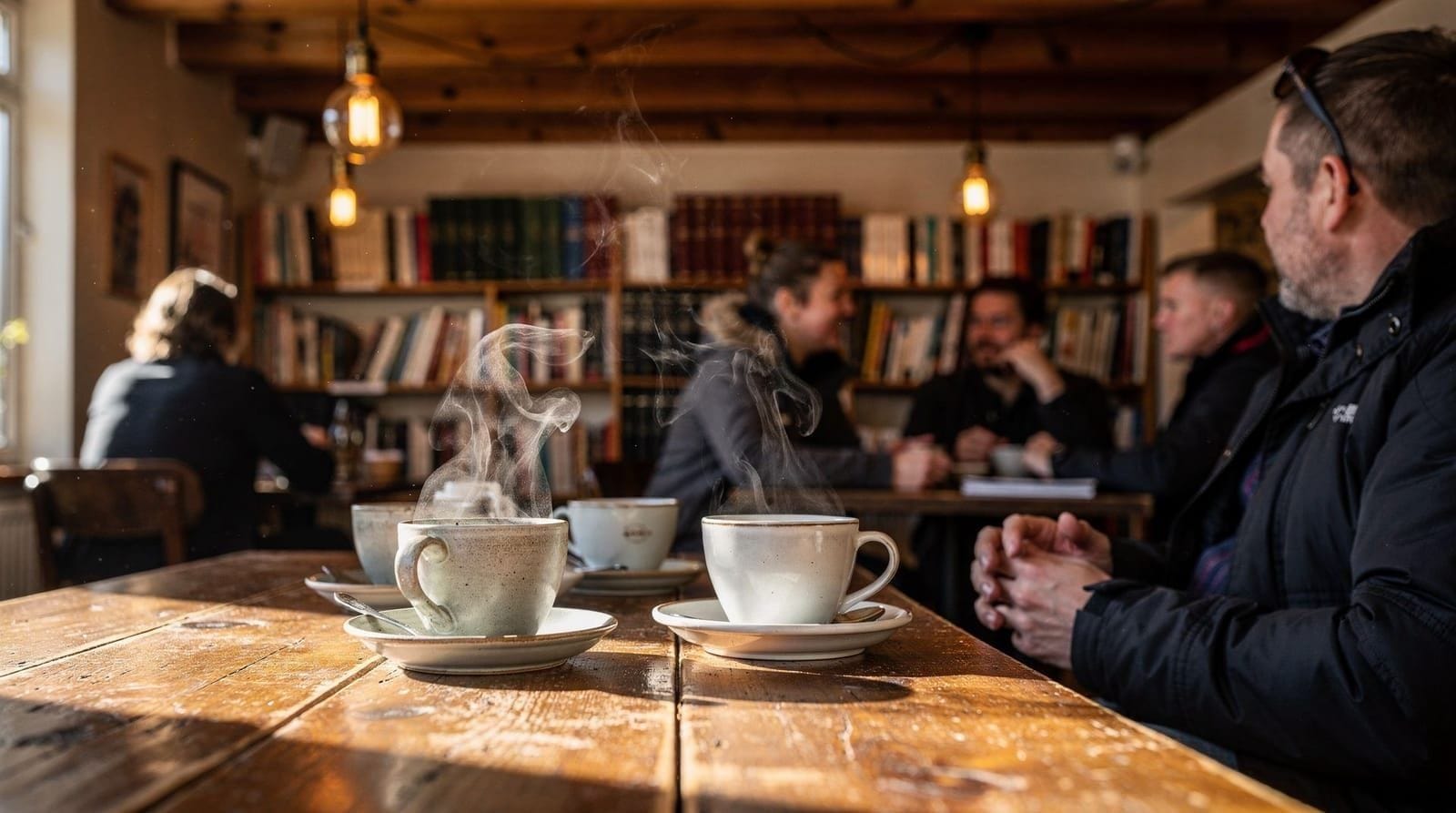
Iceland is expensive — not a myth. A sit-down dinner for two in Reykjavik averages 12,000-18,000 ISK (~€82-123) with one glass of wine each. Street food (pylsur hot dogs at Bæjarins Beztu Pylsur, ~600 ISK) and the lunch specials at local cafes (soup + bread for ~2,500-3,000 ISK) are the budget-sane moves.
Supermarkets (Bónus, Krónan, Nóatún) sell the same groceries as anywhere in Scandinavia at roughly Scandinavian prices, not tourist prices. A bottle of wine from Vínbúðin, the state liquor store, costs 2,500-4,000 ISK depending on the label.
Bar prices for beer run 1,200-1,600 ISK a pint (~€8-11). Cocktails 2,200-3,000 ISK. Happy hour (usually 17:00-19:00) cuts this roughly in half at places like Kaffibarinn and Kaldi Bar.
The museums: which ones earn their entry fee
Perlan is the most architecturally interesting: a geodesic dome on hot water tanks above the Öskjuhlíð hill with a permanent exhibition on Iceland’s nature phenomena and a real ice cave. Entry 3,900 ISK (€26). The view from the viewing deck alone is worth the walk up. Book the Perlan Wonders of Iceland experience in advance — timed entry.
National Museum of Iceland (Þjóðminjasafn Íslands): the definitive settlement-to-modern narrative, properly curated. Entry 2,800 ISK (€19). Closed Mondays. Book National Museum of Iceland entry if you want a fixed time slot during peak summer weeks.
Settlement Exhibition (Landnámssýningin): built around an actual Viking-age longhouse excavated beneath the city center. Small but genuinely impressive. Entry 1,900 ISK (€13).
Aurora Reykjavik (The Northern Lights Center): a competent multimedia introduction to the aurora. Honest value at ~1,900 ISK, particularly useful if you arrive September to April and want to understand what you are about to chase.
FlyOver Iceland: a motion-simulator ride over Iceland’s landscape. It is a tourist-trap price (~3,900 ISK) for a 20-minute experience, but it is well-produced and children love it.
What to skip: the Saga Museum is overpriced waxwork kitsch. The Icelandic Phallological Museum is exactly what it sounds like and exactly worth what you expect.
Whale watching: the genuine article
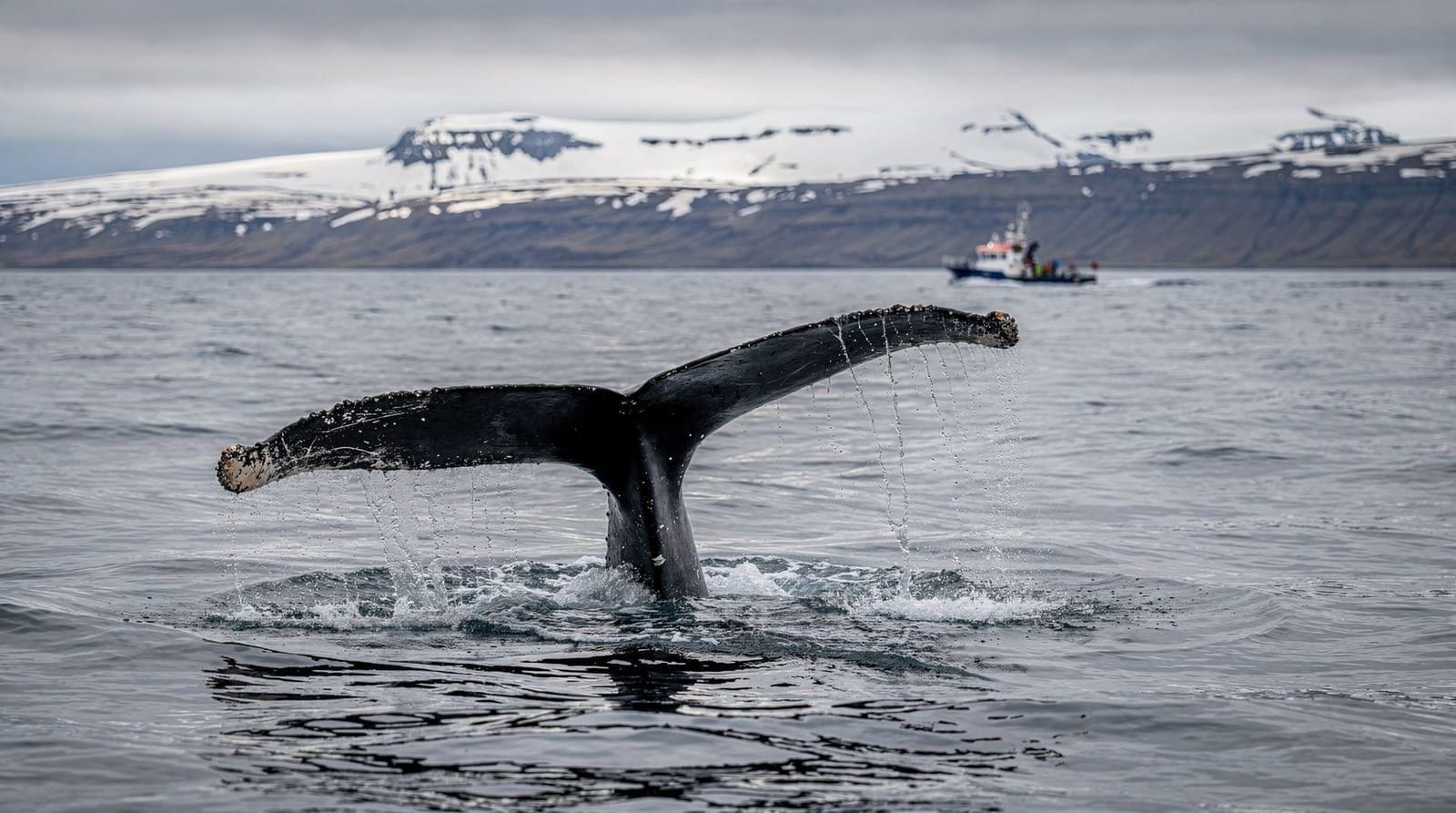
Reykjavik’s whale watching season peaks from May to October, with humpbacks and minkes reliably present in Faxaflói bay. The whale watching and marine life cruise from the Old Harbour departs from Miðbakki pier — all serious operators use big, warmed boats with onboard naturalists and guaranteed rebook if you see nothing (most do).
The speedboat option cuts transit time but means no heated cabin — dress accordingly and be prepared for serious spray. Traditional whale watching boats are more comfortable for families and non-sailors.
Puffin watching operates May to August, before the birds fly south. Combination whale-and-puffin tours are available and represent good value if you want both in one trip. See the dedicated whale watching Reykjavik guide for operator comparisons.
Eating honestly
The food scene has improved sharply since 2015. The following are worth the price:
Messinn (Lækjargata 6): the city’s best fish at fair prices. The pan-fried catch of the day with beer for two runs ~5,000-7,000 ISK.
Sægreifinn (The Sea Baron, Geirsgata 8): legendary lobster soup, 1,900 ISK. Tiny, no-frills, consistently excellent.
Braud og Co (Frakkastígur 16): Iceland’s best bakery. Cinnamon rolls and croissants baked until sold out, usually by mid-morning on weekends.
Hlöllabátar (Ingólfsstræti 1 and others): build-your-own lobster rolls and solid fish & chips. Good value for a quick lunch.
Avoid: most restaurants along Laugavegur in the tourist belt charge significantly more than equivalents one or two streets away for similar quality. The rule: turn off the main drag.
A guided food walk is an efficient way to get oriented early in your trip. A guided foodie walking tour with 6 tastings covers the harbor area, the old town, and gives you a practical mental map of where to eat for the rest of your visit.
Day trips and excursions from Reykjavik
Reykjavik’s biggest advantage over any other Iceland accommodation choice is access: every major circuit departs from here, usually with hotel pickup. The Golden Circle sits 90 minutes east; the South Coast about 2.5 hours; the Blue Lagoon 45 minutes southwest. See our Iceland first-timer guide for how to sequence them.
For visitors with a car, check the getting around Iceland guide on the honest trade-offs between renting versus joining organized tours.
Northern lights from Reykjavik
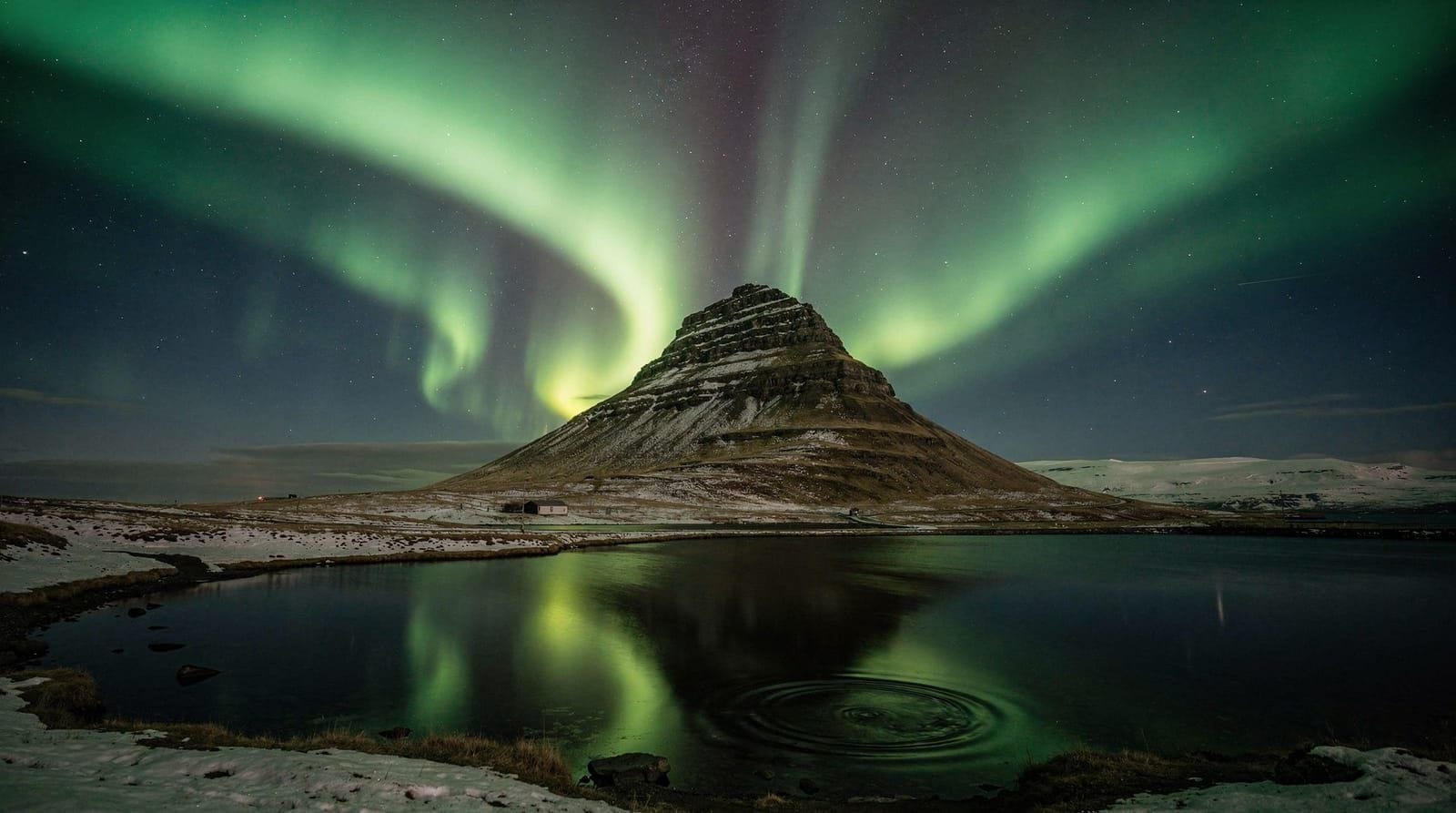
The aurora is not visible from the lit city center — light pollution makes that impossible. But operators drive 30-60 minutes to genuinely dark sites. The season runs September through April, with the equinoxes (late September, mid-March) statistically the most active periods. The midnight sun months (late May to mid-July) mean no darkness and no aurora, full stop.
All reputable northern lights tour operators offer a free rebook guarantee if conditions are poor — cloudy skies or low solar activity. Do not pay extra for “aurora guarantee” if rebook is already included. See our northern lights season guide and the best northern lights tours guide before booking.
Sky Lagoon: Reykjavik’s own geothermal spa
Sky Lagoon opened in 2021 in Kársnes harbor, about 7 km from downtown. It is a genuinely beautiful infinity-edge design overlooking the ocean. Entry packages start around 9,990 ISK (~€68) for the Pure package including the 7-step spa ritual. Book in advance — it sells out on weekends. Read the full Sky Lagoon guide for honest comparison with the Blue Lagoon.
Practical notes
Getting in from Keflavík (KEF): the Flybus runs every 30 minutes, 3,500 ISK one way (€24), drops at BSÍ bus terminal. Private transfers cost 6,000-9,000 ISK per car one way. The 50 km drive takes 45-60 minutes. See our KEF to Reykjavik guide for all transport options.
Walking: the city center is compact enough to walk everywhere, though a small-group city walking tour with a local guide is a good way to get your bearings on day one. Rent a bike from the Reykjavik city bike scheme (~1,000 ISK/day) for faster coverage.
Swimming pools: Icelanders treat their geothermal pools as social institutions. Vesturbæjarlaug (Hofsvallagata), Sundhöll Reykjavíkur (Barónsstígur), and Laugardalslaug are the main ones. All under 1,200 ISK. They are not tourist facilities — they are local infrastructure used by locals. Shower rules are strict and enforced.
Tipping: not customary in Iceland. Restaurants are not tip-reliant; service is already priced in.
For a structured first visit, see the 2-day Reykjavik itinerary and the 3-day itinerary. Longer stays should combine city time with at least one major day trip — the 5-day itinerary shows how to do this without a car.
For free and low-cost Reykjavik options, the free things to do guide is a practical companion. For the full cultural program, see Reykjavik museums and attractions. For eating well beyond the picks above, see the Reykjavik food and drink guide.
One realistic first day
A workable first day, if you arrive jet-lagged and want an easy orientation: late morning coffee and a walk down Laugavegur, lunch at a soup-and-bread cafe, an afternoon at Perlan or the Settlement Exhibition depending on weather, a wander through Grandi before dinner at Messinn or Sægreifinn, and an early night to reset your clock. Save whale watching and the swimming pools for day two once you are less tired — both reward being properly awake. See 24 hours in Reykjavik for a more detailed version of this pacing.
Top experiences
Bookable activities with verified prices and instant confirmation on GetYourGuide.