Reykjavik Weekend: Perfect 2-Day Itinerary
Reykjavik: The Golden Circle Full-Day Tour
Two days in Reykjavik sounds tight — and it is. But with focused priorities you can tick off the Golden Circle, soak in a geothermal lagoon, and explore the city without feeling rushed. The key is making every decision before you land, not on the pavement with jet lag.
This guide is honest about what a 2-day trip realistically covers. It does not pretend you can drive the South Coast, visit the Highlands, see the Blue Lagoon, and do the Golden Circle in 48 hours. You can’t. What you can do is choose one great nature day and one great city day, and do both well.
The schedule below assumes you arrive Friday evening and leave Sunday afternoon or evening. If you’re arriving Saturday morning, shift everything forward by half a day and skip the city walk in favour of an earlier Golden Circle departure.
| Where | Reykjavik city + Golden Circle or Blue Lagoon |
| Cost | Around 40,000–60,000 ISK (~€270–400) per person for the weekend |
| Time needed | 2 days, arriving Fri evening / leaving Sun |
| Getting there | No car needed — tours and Flybus cover everything |
| Best time | Year-round; Sep–Apr adds Northern Lights chances |
Day 1: Reykjavik City
Morning: Hallgrímskirkja to the Old Harbour
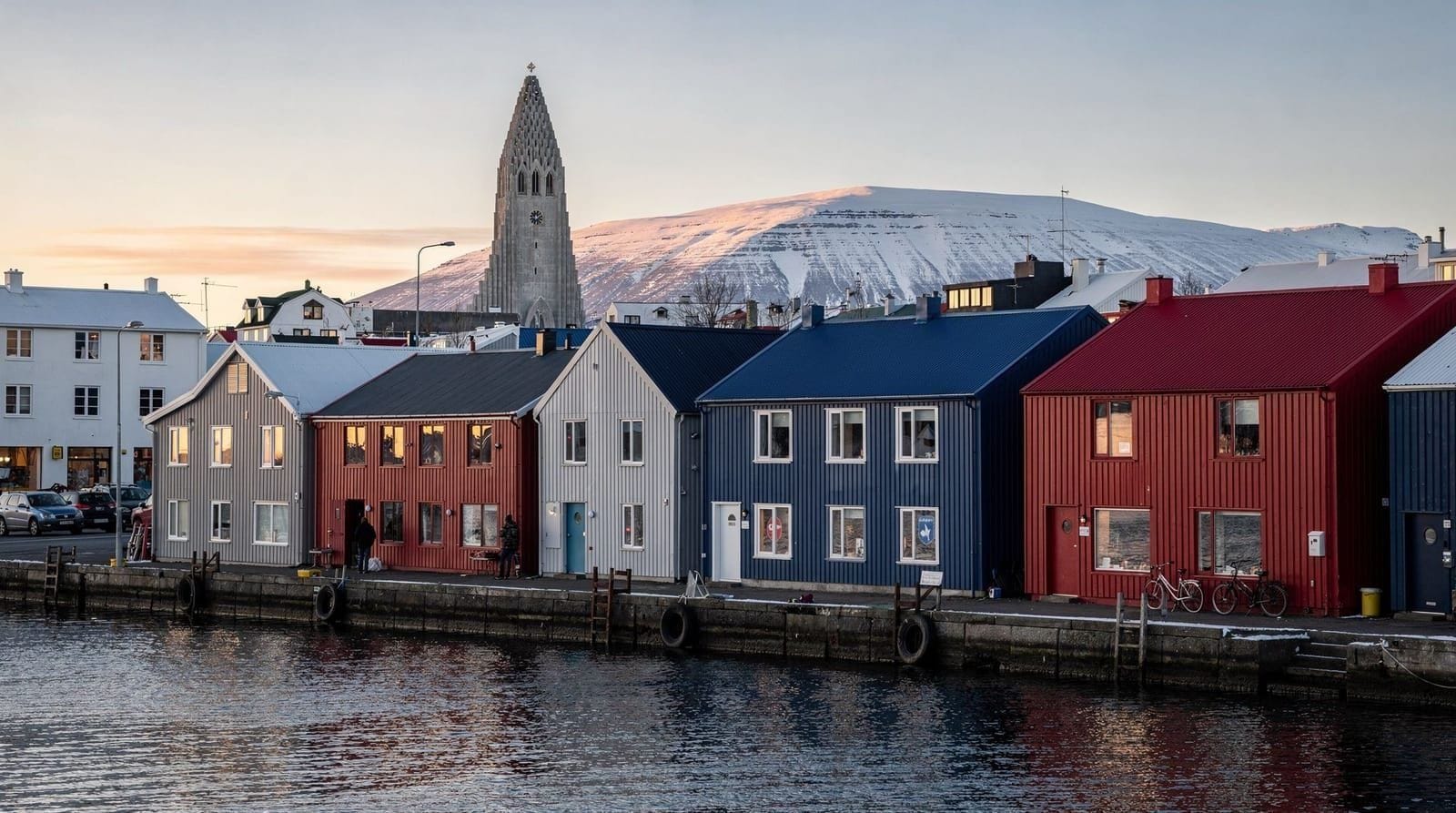
Start at Hallgrímskirkja when it opens at 10 a.m. The tower elevator (1,100 ISK / ~€7) lifts you to a 360-degree view of the city and the bay. On a clear day you can see Snæfellsjökull glacier 100 km to the northwest. The interior of the church itself is plainly Lutheran — bare concrete, impressive organ, five minutes max. Most people walk in, look up at the organ, and leave.
Walk downhill on Skólavörðustígur, the street that descends from the church toward Laugavegur. This street has the best independent shops in the city: wool, ceramics, jewellery, design items. Buy on Day 1 so you know what you want when you’re tempted by the same things at higher prices elsewhere.
Laugavegur is Reykjavik’s main commercial street and it will feel disappointingly short the first time you walk it. That’s fine. It’s roughly 800 metres from Hlemmur bus station to Austurstræti in the city centre. Walk the full length, turn around, and look at what you missed.
At the Old Harbour (Grandi area), ignore the large lobster soup restaurants that have made the harbour famous for Instagram. They are expensive and the soup is ordinary. The honest choice: Bæjarins Beztu, the hot dog cart near the harbour, serves Icelandic lamb hot dogs for about 550 ISK (~€4) and has done so since 1937. They are genuinely excellent.
For a real meal, the Grandi area has better restaurants than central Laugavegur — Matur og Drykkur for modern Icelandic, or Gló for a well-priced salad and bowl situation. Budget 2,500–4,000 ISK (~€17–27) for lunch. The full picture of where to eat without getting ripped off is in the Reykjavik food and drink guide.
Afternoon: Perlan, Tjörnin, or Neighbourhood Walk
You have two main choices for the afternoon depending on how much you want to spend:
Perlan (4,100 ISK / ~€27): The geodesic dome museum on Öskjuhlíð hill covers the Northern Lights, glaciers, volcanoes, and ocean life with hands-on exhibits and a genuine indoor ice cave. The 360-degree rooftop observation deck has the best view in the city. This is worth it if you’re not doing Hallgrímskirkja tower and not planning a glacier visit on this trip.
Free afternoon: Walk around Tjörnin pond, past the City Hall (free, excellent maps and photographic displays inside), across to the Settlement Exhibition on Aðalstræti (1,900 ISK / ~€13). The Settlement Exhibition is a Viking-age archaeological site excavated under a glass floor — you walk over the foundations of a 10th-century longhouse while reading about the settlers who lived there. It takes about an hour and puts the city in perspective.
For genuinely free options beyond the pond walk, see free things to do in Reykjavik.
The National Museum of Iceland (2,500 ISK / ~€17) on Suðurgata covers Iceland from the Viking settlement to independence. It’s thorough, well-presented, and easy to do in two hours. See Reykjavik museums and attractions for a full comparison of what’s worth the entry fee.
Evening: Northern Lights (Sep–Apr) or Midnight Sun Walk (May–Aug)
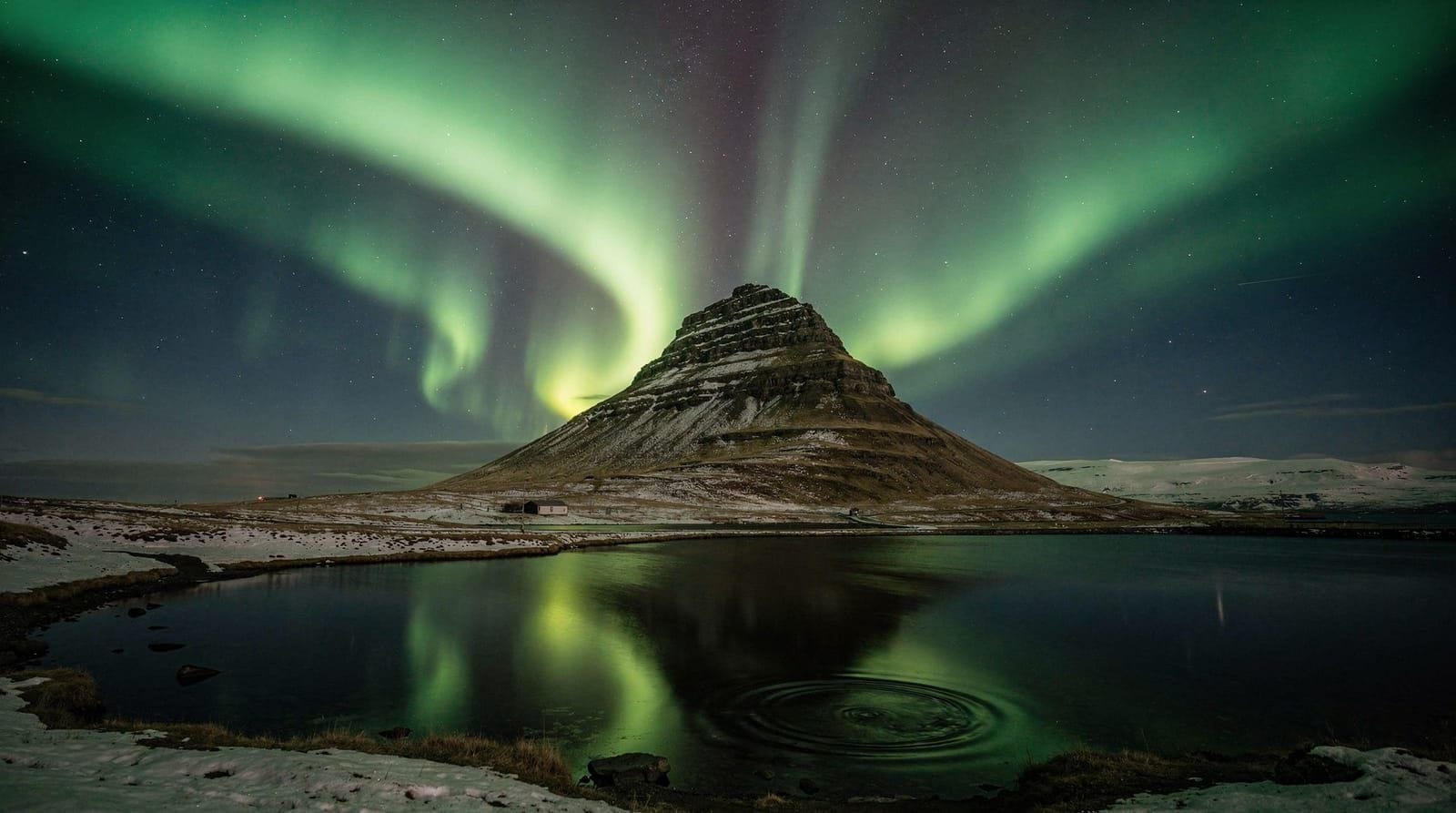
September through April: The Northern Lights are why many people make the trip. The aurora is visible roughly 50–60 nights per year in Iceland, mostly between 9 p.m. and 2 a.m., and requires clear skies, some darkness, and a KP index of 3 or above. The tour operators monitor conditions throughout the day and either confirm or move the tour.
The single most important thing to know: book a tour with a lifetime guarantee. These tours give you a free repeat on a future trip if conditions were poor. Since you only have 2 nights, you need both evenings covered — book night 1 and night 2 back to back if the operator allows.
Northern Lights tour with lifetime guarantee from ReykjavikTours depart around 9:30–10 p.m. and drive 30–60 km from the city to find dark skies. The bus stops when the guide spots clear sky and strong aurora. You have 1–2 hours at the viewing site. Bring warm clothes — standing still in an Icelandic field at midnight in November is cold. See the Northern Lights season guide and best Northern Lights tours from Reykjavik for a full comparison.
May through August: The Northern Lights do not exist in summer. Iceland is in 24-hour daylight from roughly June 20 to June 26, and in near-continuous twilight from May through mid-July. Any tour operator offering Northern Lights in July is either incompetent or dishonest.
Instead: walk at midnight. This is one of Iceland’s genuinely remarkable experiences. At 11:30 p.m. in June, the sky is the colour of a long European sunset and shows no sign of darkening. Walk along Sæbraut seafront road east of the harbour, up to Öskjuhlíð hill near Perlan, or out to the Seltjarnarnes lighthouse (45 min on foot). Read midnight sun in Iceland for dates and best viewpoints.
Day 2: Golden Circle or Blue Lagoon
This is where most 2-day trip planning goes wrong. People see both the Golden Circle and the Blue Lagoon on the same list and assume they can do both in one day. The arithmetic doesn’t work:
- Golden Circle bus tour: departs 9 a.m., returns 6–7 p.m. — 9–10 hours
- Blue Lagoon: 45 min drive, 2–3 hours soaking, 45 min back — 4–5 hours
- Doing both: technically possible as a combined tour, but you spend about 45 minutes at the Blue Lagoon (rushed) and cut the Golden Circle short. The combined tours exist because operators sell them, not because they’re a good experience.
Pick one. Here is how to choose:
Choose the Golden Circle if: This is your only Iceland trip for the foreseeable future. The Golden Circle has UNESCO heritage (Þingvellir), active geothermal activity (Geysir), and the country’s most dramatic waterfall (Gullfoss). These are things that make Iceland feel like Iceland.
Choose the Blue Lagoon if: You are flying out Sunday evening and the Blue Lagoon is on the way to Keflavík airport. It makes logical sense as a final afternoon stop before a flight. The experience itself is more spa than nature.
Option A: Golden Circle (Recommended)
The Golden Circle is a roughly 300 km driving loop through Iceland’s southwest interior, covering three main sites. Drive time from Reykjavik to the first stop (Þingvellir) is 45–50 minutes.
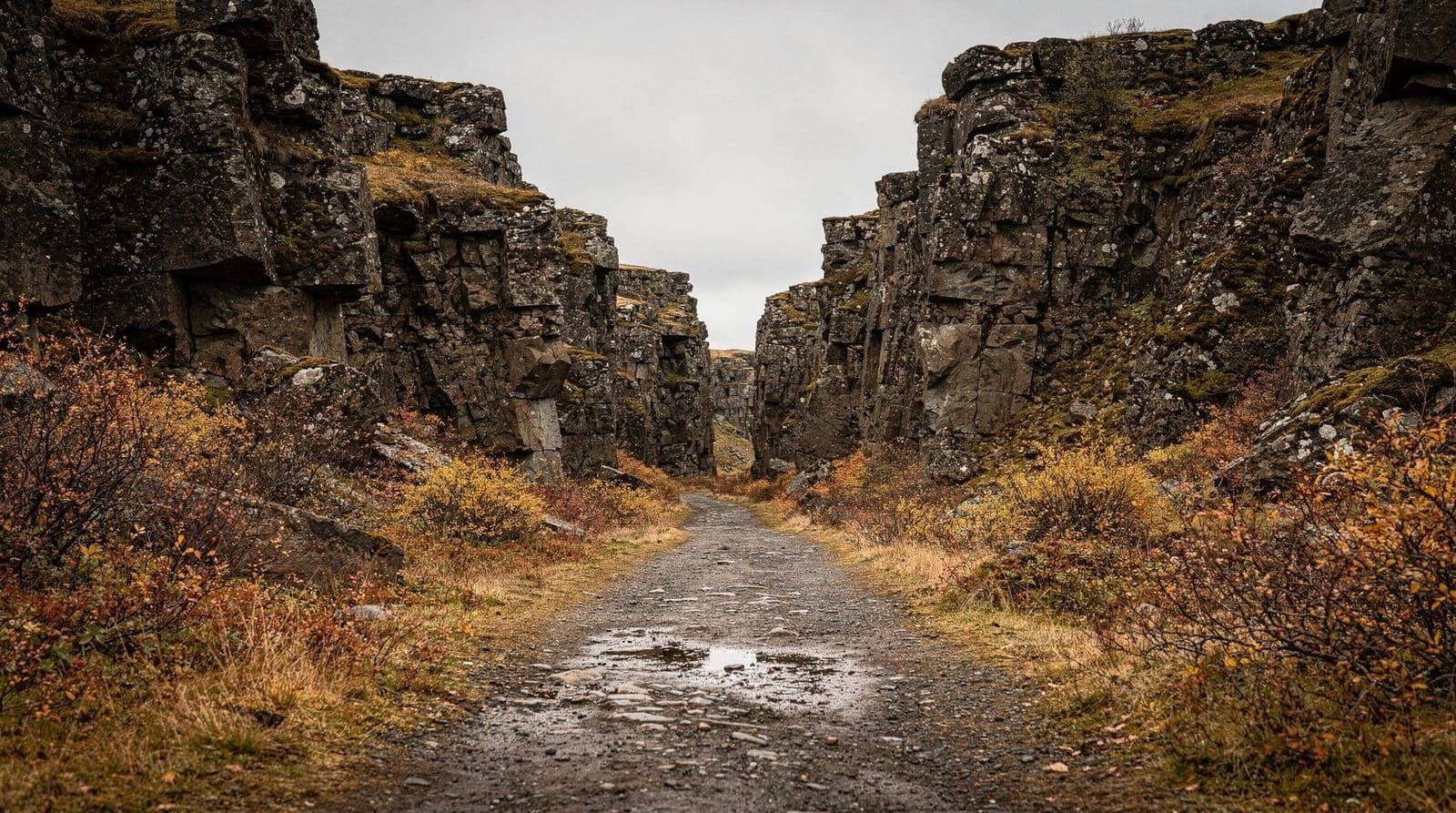
Þingvellir National Park: UNESCO World Heritage Site where the North American and Eurasian tectonic plates are slowly pulling apart. Walk the Almannagjá rift gorge (free, 45 min). The Öxará river runs through the site past the ruins of the original Alþingi parliament, established in 930 AD. The clarity of the water in the flooded rift sections is extraordinary — you can see 100 metres through it.
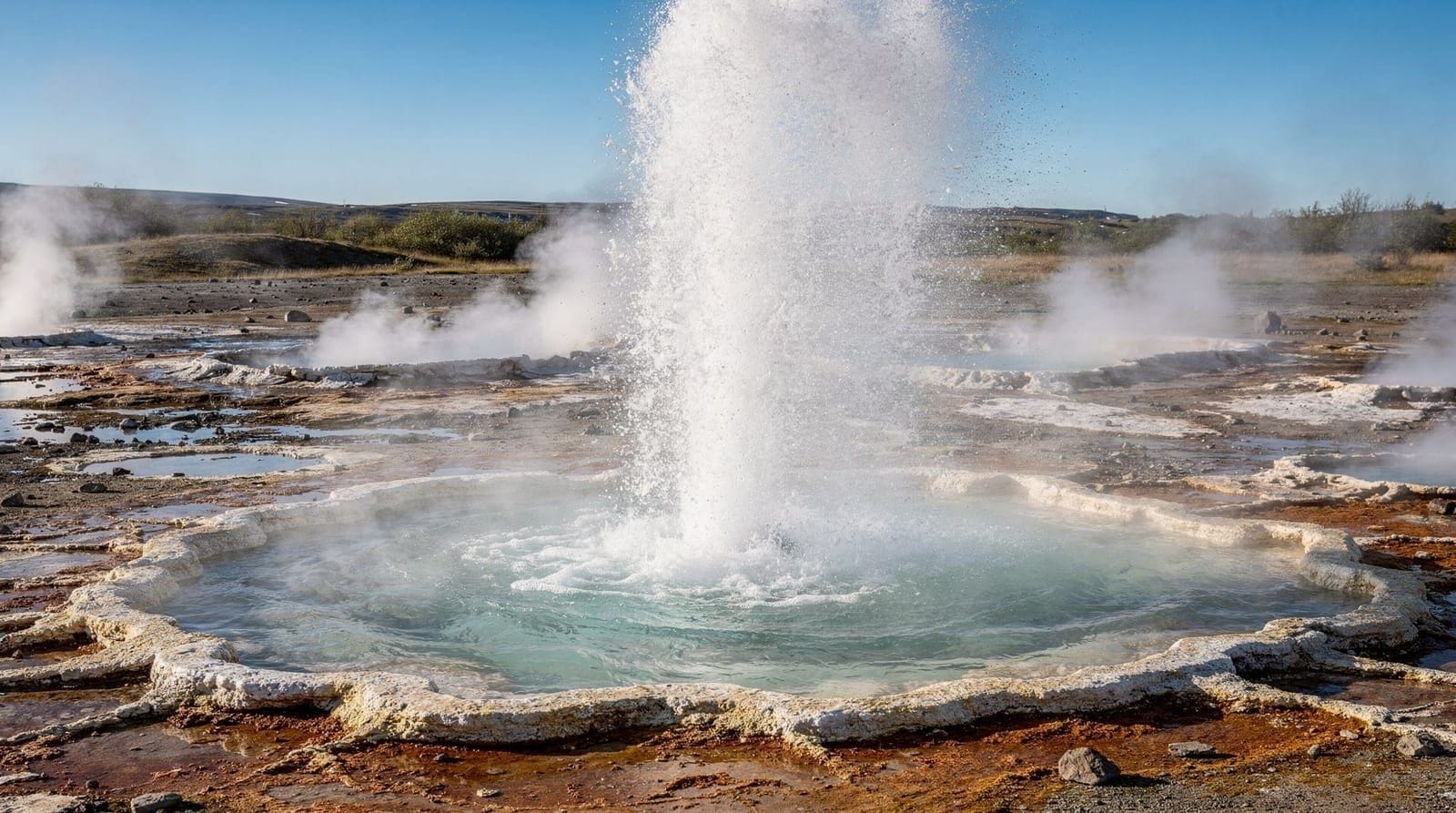
Geysir geothermal area: Strokkur geyser erupts to 20–30 m every 5–10 minutes. Allow 30 minutes. The original Great Geysir rarely erupts now. Geysir Centre café and gift shop are expensive; bring your own snacks if budget matters.
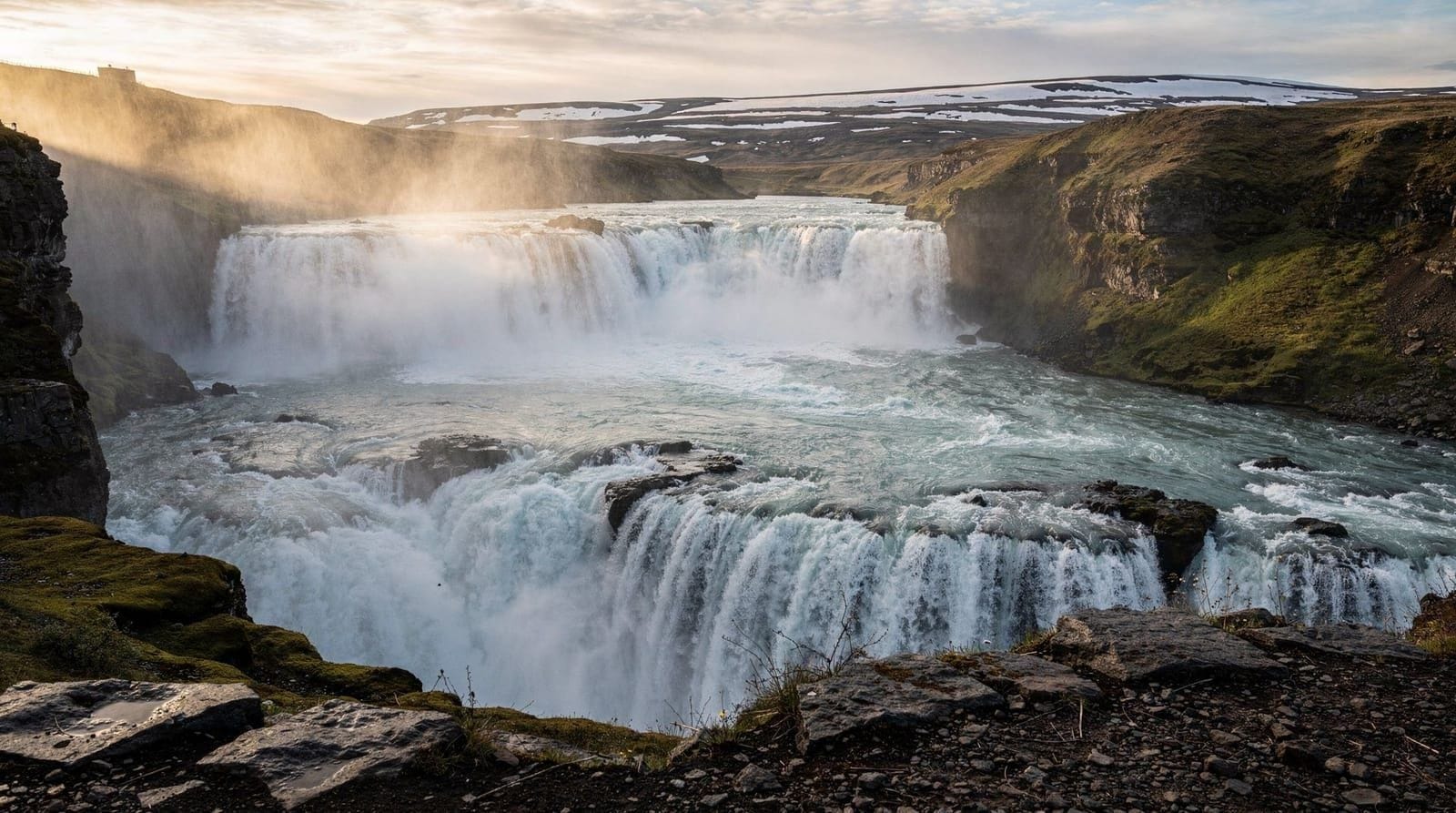
Gullfoss: The double waterfall on the Hvítá river. Two viewing platforms: the upper one gives you the overview, the lower platform gets you close enough to feel the spray. In warm weather this is refreshing; in winter bring waterproofs. Allow 45 minutes.
If self-driving, also stop at Kerið volcanic crater lake (400 ISK / ~€3, 20 min off the loop). The red-ochre caldera walls with the green lake at the bottom is one of the most photogenic spots in Iceland.
Golden Circle full-day tour from ReykjavikFor the decision between driving yourself and joining a tour, see Golden Circle self-drive vs tour. The full Golden Circle complete guide covers every stop in detail.
Tours return to Reykjavik by 6–7 p.m. Time for dinner and a second Northern Lights attempt if September–April.
Option B: Blue Lagoon
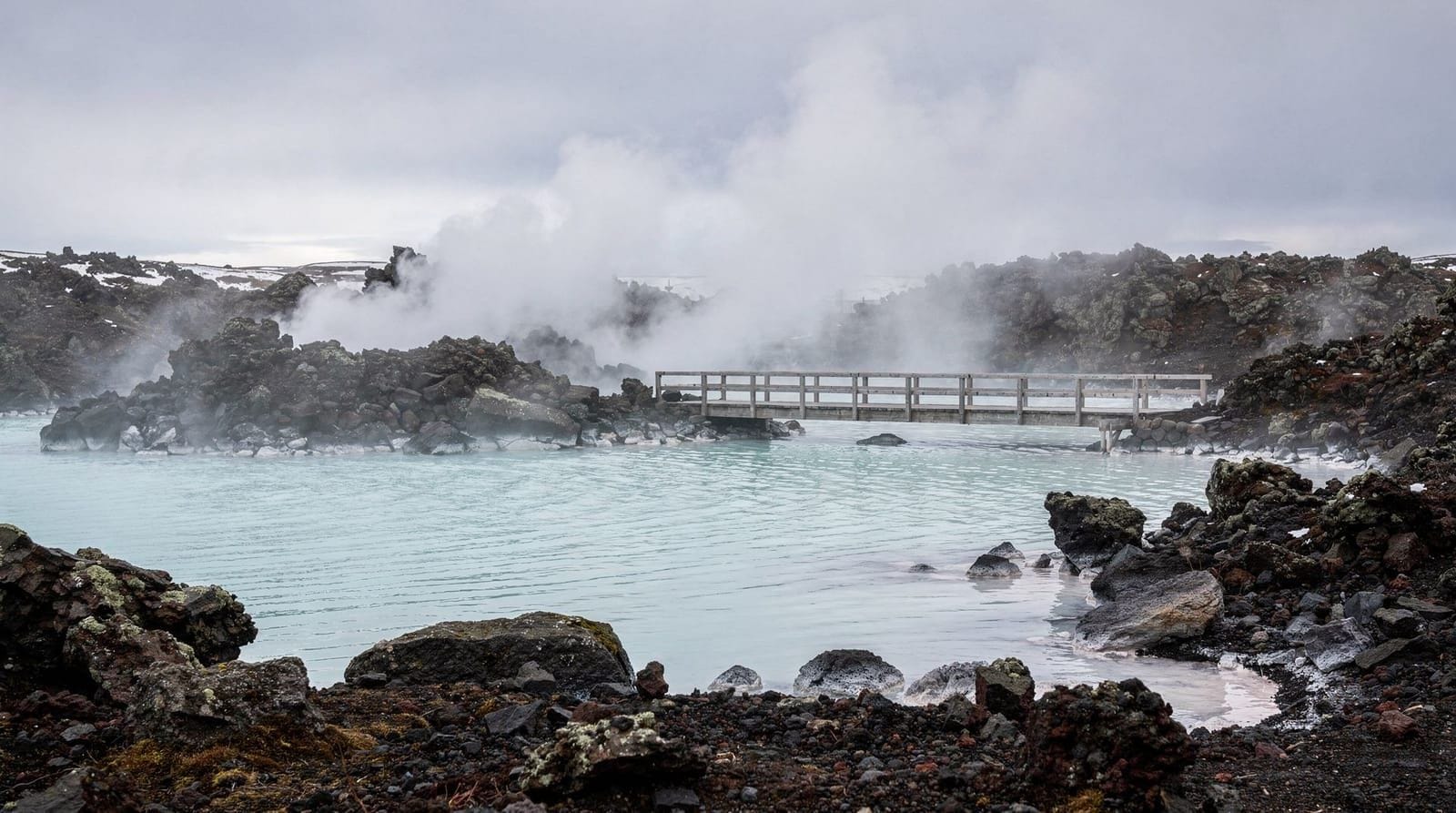
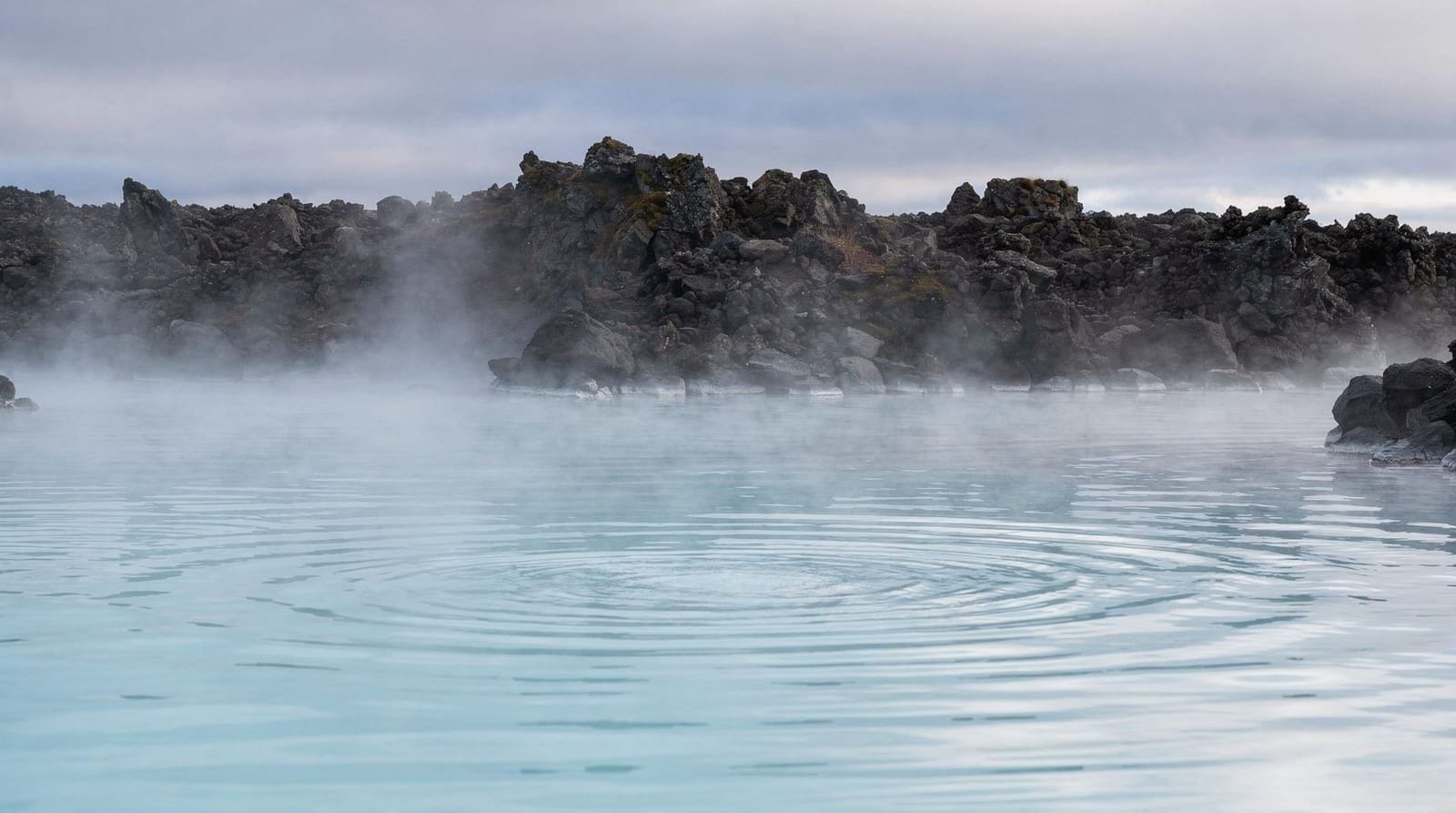
The Blue Lagoon sits on the Reykjanes Peninsula, 45 minutes from Reykjavik on Route 41 toward Keflavík airport. It’s geothermal water from a power plant — silica-rich, milky blue-white, at 37–40°C year-round. The setting, surrounded by black lava, is genuinely beautiful.
Admission: Comfort package ~€75 (includes silica mud mask, algae mask, drink, towel). Premium: ~€130 (adds drinks, more masks, better changing facilities). Retreat package (luxury): ~€215+. Book weeks ahead — it sells out and prices are non-refundable. The Blue Lagoon complete guide has the full breakdown.
Blue Lagoon admission with round-trip transfer from ReykjavikTourist trap warning: the algae mask upgrade (€10), the floating prosecco bar, and the in-water dining area are all optional extras that are significantly overpriced for what you get. The basic Comfort package is sufficient for a good experience.
Honest caveat: the Blue Lagoon is a luxury commercial spa, not a natural pool. If you want a more local geothermal experience at a fraction of the cost, the Sky Lagoon is 15 minutes from central Reykjavik and costs ~€60–80. Compare both in Blue Lagoon vs Sky Lagoon.
Option C: Whale Watching or Reykjanes (If You’ve Done Iceland Before)
If this isn’t your first Iceland trip and the Golden Circle and Blue Lagoon feel like repeats, two shorter half-day alternatives fit a 2-day schedule. Whale watching departs from the Old Harbour, runs 2.5–3 hours, and sees minke or humpback whales on most departures June–August (lower odds but still possible in winter). See whale watching in Reykjavik for realistic sighting rates by season.
Classic whale watching tour from Reykjavik, 3 hoursThe Reykjanes Peninsula — the volcanic land between Reykjavik and Keflavík airport, site of recent eruptions — makes a half-day self-drive or tour and can be combined with the Blue Lagoon since they’re on the same peninsula. See Reykjanes volcano guide for current access and the Reykjanes volcano blog update for the latest eruption status. Neither option replaces the Golden Circle for a first-timer — treat them as substitutes only if you’ve already seen it.
If Flying Sunday Evening
Leave bags at your hotel (most will hold luggage until late afternoon), visit the Blue Lagoon, then take the Flybus to Keflavík airport. Allow 2 hours at the airport before departure. BSI terminal in Reykjavik has regular Flybus departures. Full logistics at Keflavík airport to Reykjavik.
Practical Notes
Budget: Iceland is genuinely expensive. Budget 20,000–30,000 ISK (~€135–200) per day including mid-range accommodation, meals, and one major activity. Breakfast from a supermarket (Bónus, Krónan): 800–1,200 ISK. Lunch at a sit-down restaurant: 3,000–4,500 ISK. Dinner: 4,500–7,000 ISK. Full breakdown at Iceland cost and budget guide.
Cash vs card: Iceland is almost entirely cashless. Don’t exchange currency — just use your card everywhere, including at small guesthouses and petrol stations.
Getting around: For a 2-day trip staying in Reykjavik, you don’t need a car. Tour buses pick up from central hotels. City buses (Strætó) cover the main areas; the app shows real-time routes. Taxis are expensive.
What to pack: Even in summer, Reykjavik is cool and windy. A waterproof outer layer is the single most useful item. Layering matters more than any specific heavy jacket. See what to pack for Iceland.
What to skip: With only 2 days, skip the whale watching (2.5–3 hours on the water, weather-dependent, not guaranteed), the Reykjanes Peninsula (worth it but needs a half day), the South Coast (too far for a 2-day trip), and Snæfellsnes (2.5 hours drive each way). All of these appear in the 3-day Reykjavik itinerary and beyond.
Iceland first-timer context: Read the Iceland first-timer guide before you go. It covers F-road rules, weather variability, tipping customs (not expected), and the realistic expectations for what 2 days can cover.
Where to Stay for a Weekend Trip
Base yourself in the 101 Reykjavik postcode — the streets around Laugavegur and Hallgrímskirkja — so everything in the Day 1 walk is within 10–15 minutes on foot and tour pickups are simpler. Paying a premium for central location matters more on a 2-day trip than a longer one, since you lose less time to transit. Guesthouses and small hotels here run 20,000–35,000 ISK (~€135–235) a night for a double in shoulder season, more in summer. Budget travellers can stay further out (Grandi, Hlemmur area) and still walk everywhere, just add 10 minutes each direction. See Iceland cost and budget guide for the fuller accommodation-cost picture across budget tiers.
Seasonal Adjustments
Winter (Nov–Mar): The two differences that matter most are daylight and aurora. In December you have roughly 5 hours of usable light per day. The Golden Circle in winter is quiet and often snow-dusted — beautiful, but depart early (7 a.m.) to use the full light window. Northern Lights require clear skies and a KP index of 3+ on both evenings, so book a tour for both nights. Some South Coast waterfall paths ice over; Seljalandsfoss path behind the falls may be closed. On the positive side: fewer tourists, lower prices, and the atmosphere is different enough to feel like a different country.
Spring (Apr–May) and Autumn (Sep–Oct): These are the shoulder seasons. You get some Northern Lights in September (darkness returns) without the full winter crowds or road conditions. April and May have longer days, puffins arriving from mid-May onwards, and improving road conditions. The Secret Lagoon is less crowded in shoulder season than at peak summer.
Summer (Jun–Aug): No Northern Lights (never dark enough). Maximum daylight — at midsummer it literally does not get dark. Crowds are at their highest at the Golden Circle and Blue Lagoon. Book everything weeks ahead.
Getting the Most Out of 2 Days
Two days done well beats three days done rushing. The mistake most people make on a short Iceland trip is trying to cover too much geography. Pick your focus: city-centred with one great nature day. That’s the formula. Prioritise depth over breadth.
For Reykjavik specifically: the city is dense enough that you don’t need to see it all in a day. The parts that matter (Hallgrímskirkja, the harbour, Laugavegur, Tjörnin) are within 15 minutes of each other on foot. The parts that are further (Öskjuhlíð, Perlan, Seltjarnarnes) are genuinely optional on a 2-day trip.
The Iceland first-timer guide covers the contextual stuff — tipping expectations (none), weather behaviour (always changeable), driving rules — that doesn’t fit neatly into a day-by-day schedule but is useful to have read before you land.
Day-by-Day Summary
| Day | Focus | Key stops |
|---|---|---|
| Day 1 | Reykjavik city | Hallgrímskirkja, Laugavegur, Old Harbour, Perlan or free walk, evening aurora/midnight sun |
| Day 2 | One nature day | Golden Circle (recommended) or Blue Lagoon, timed around your departure |
What Comes Next
Two days is enough to understand why people come back to Iceland. It is not enough to see the South Coast, Snæfellsnes, or the Jökulsárlón glacier lagoon. If you’re already thinking about the next trip, the 3-day Reykjavik itinerary adds the South Coast waterfalls and glacier access. For a proper winter trip focused on aurora and ice caves, see Iceland winter 4-day itinerary. The full week is planned in Iceland 7 days from Reykjavik.
Top experiences
Bookable activities with verified prices and instant confirmation on GetYourGuide.