Blue Lagoon Complete Guide: Prices, Booking, and What to Expect
From Reykjavik: Blue Lagoon Admission with Transfers
How much does the Blue Lagoon cost in 2026?
Comfort entry starts at approximately ISK 13,500 (~€96) and must be booked in advance online. Premium runs ISK 19,000-25,000. Walk-in entry is not available -- slots sell out weeks ahead in peak season.
What the Blue Lagoon actually is
| Where | Grindavik, Reykjanes peninsula, ~45min from Reykjavik |
| Cost | Around ISK 13,500-25,000+ per person (Comfort-Retreat) |
| Time needed | 2-3 hours minimum, plus transport |
| Getting there | Bus, transfer, taxi from Keflavik, or self-drive |
| Booking | Mandatory in advance — no walk-ins |
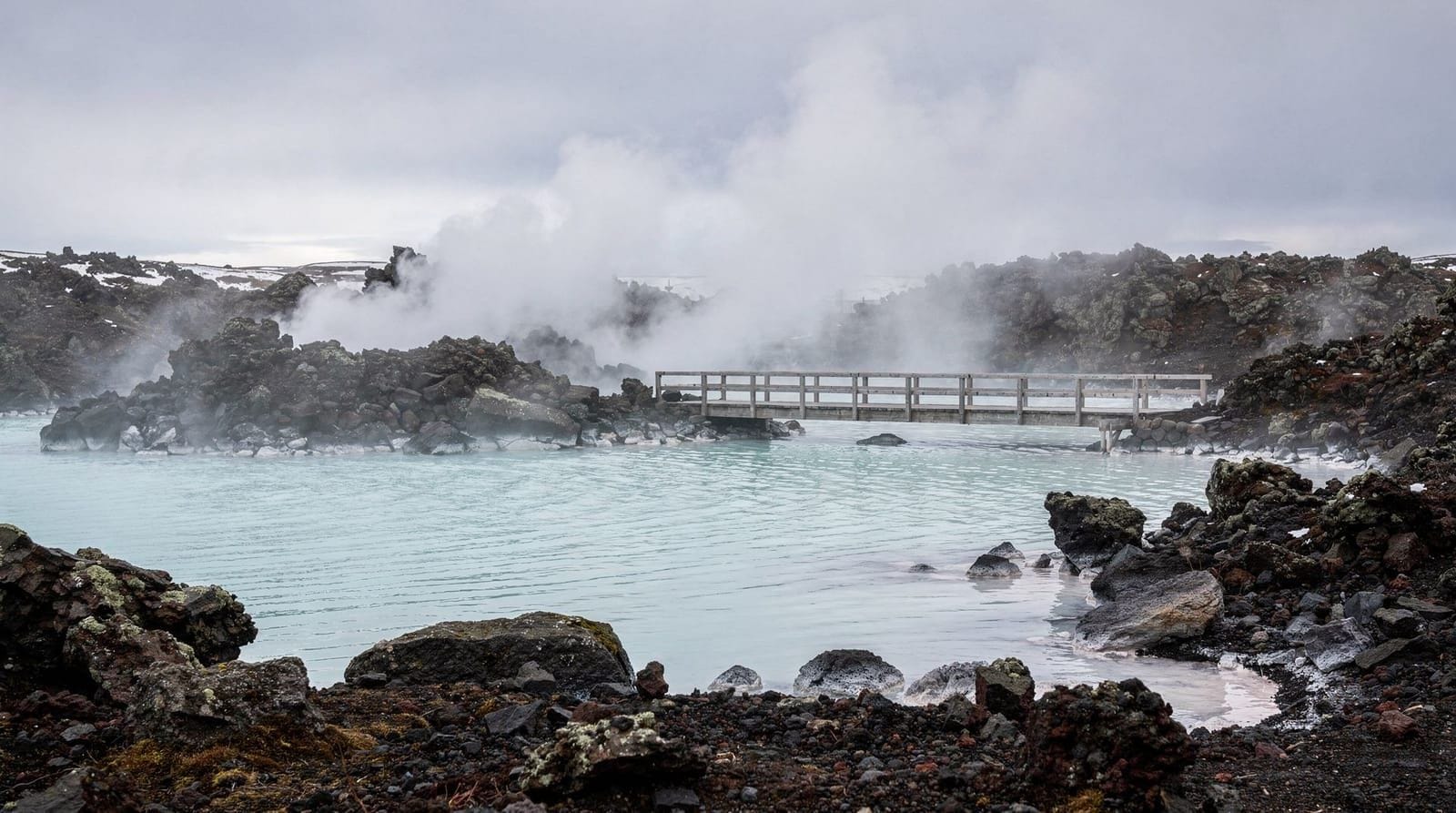
The Blue Lagoon is Iceland’s most visited attraction and one of the most commercially sophisticated tourist operations in Europe. Before you book, understand what it is: a large geothermal seawater pool fed by waste discharge from the Svartsengi geothermal power plant, which generates electricity and heat for the Reykjanes peninsula.
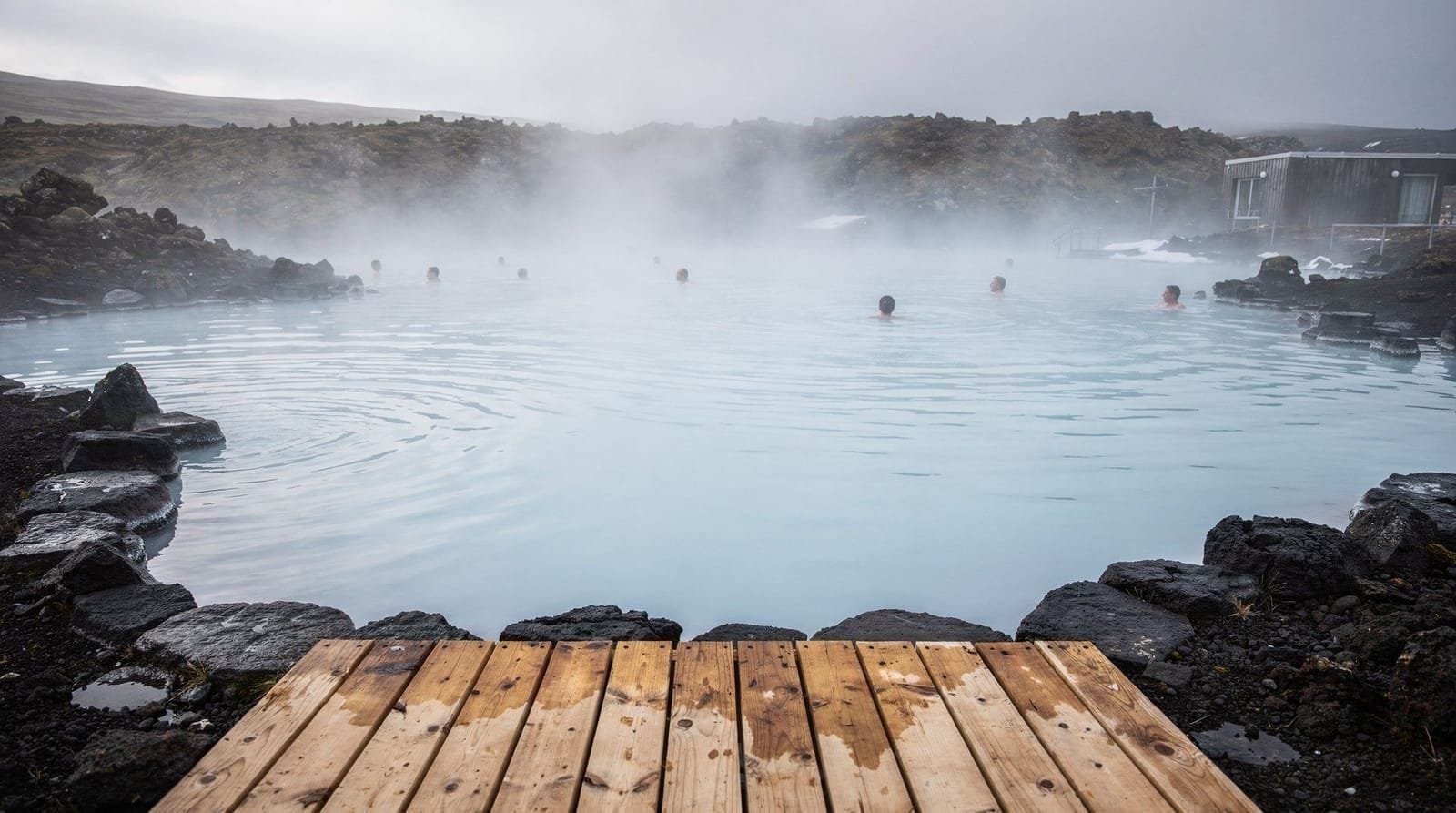
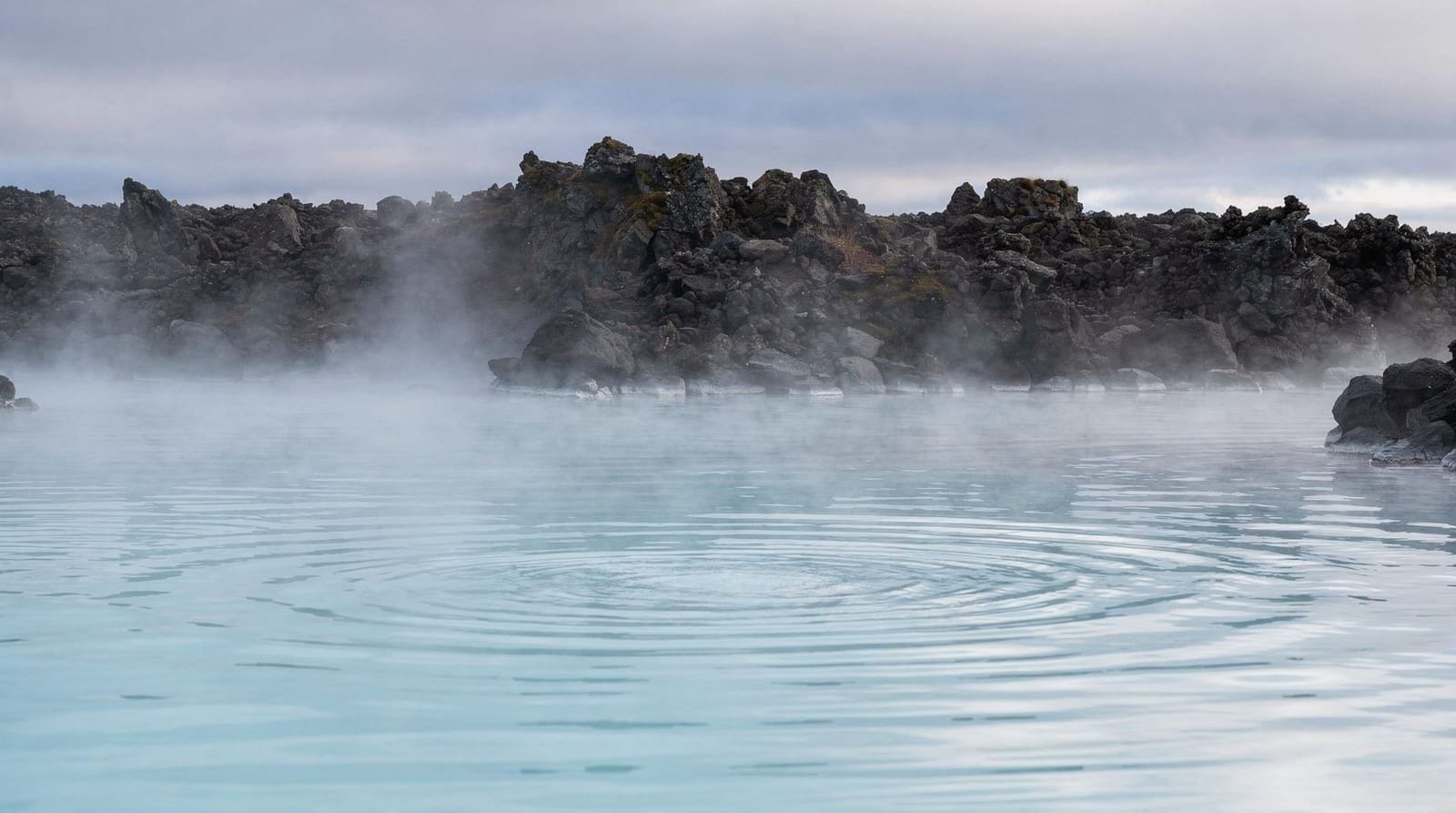
The water is pumped from 2,000 metres underground as superheated seawater, passed through turbines, and the spent (still very hot) water is discharged into a lava-field basin. The milky blue-white colour is real: silica particles remain in suspension and create a genuinely remarkable aesthetic. The temperature is maintained at 37-39°C year-round. The skin benefits from silica and minerals are real and documented.
This is not a wild hot spring or a traditional Icelandic swimming pool (sundlaug). It is a world-class commercial spa operation with sophisticated facilities, mandatory prebooking, and prices to match. That framing matters for managing expectations.
2026 pricing breakdown
The Blue Lagoon’s pricing structure has three main tiers, and prices fluctuate by season and date:
Comfort (approximately ISK 13,500-15,500 / ~€96-110 in 2026): entry, one silica mud mask, use of towel. This is the minimum tier and, for most visitors, provides the core Blue Lagoon experience. The silica mask is genuinely enjoyable and part of the experience.
Premium (approximately ISK 19,000-25,000 / ~€135-178): adds an algae mask, bathrobe, slippers, and a welcome drink from the in-water bar. The bathrobe is more comfortable than a towel if you are visiting in winter and moving between hot pools and colder air. The in-water drink is a novelty experience.
Retreat (approximately ISK 35,000+ / ~€250+): a higher-end product with a private section of the lagoon, spa treatments, and access to the Retreat Hotel’s facilities. A genuinely different product aimed at luxury travellers.
Seasonal pricing means a December or August booking often costs more than an October or February one. Check prices at the time of booking — the figures above are representative of 2026 but can shift.
Book Blue Lagoon admission with return transfer from Reykjavik — this bundles entry and transport, removing the logistics of getting there and back.
What to skip (overpriced add-ons)
The Blue Lagoon is skilled at upselling. These add-ons are overpriced relative to value:
In-water food service: small snack plates and drinks served to you while you float. Prices are hotel minibar level. Eat before you arrive or afterwards at a cheaper option in Grindavik town.
Private changing cabin: not necessary unless travelling with family and wanting private space. The standard changing rooms are modern and functional.
Algae mask and additional treatments: the silica mask in the Comfort package is the highlight. Additional masks from the spa bar are expensive for what they are.
The Lava Restaurant: a fine-dining restaurant on-site. The food is good, the prices are very high, and the setting (overlooking the lagoon) is pleasant. Worth knowing about for a special occasion — not a sensible everyday choice when cheaper restaurants in Grindavik are minutes away.
Booking: the single most important practical point
The Blue Lagoon does not accept walk-in visitors. Entry is by timed booking only. Slots sell out weeks in advance during peak season.
For June-August and the Christmas-New Year period: book 3-4 weeks ahead minimum. For shoulder months (May, September, October, March): 1-2 weeks is usually enough. For January-February and November: 1 week typically sufficient but not guaranteed.
The booking page is blulagoon.com and is straightforward. You select an entry slot (2-hour windows), choose your package, and pay in full. Cancellation policies vary by package tier — check these at the time of booking.
The premium Blue Lagoon admission with transfer includes priority access options that can be worth the cost if your schedule is tight.
Getting there: all options
From Reykjavik by bus: Reykjavik Excursions and Straeto run scheduled transfers from BSI Bus Terminal. Journey time approximately 45-50 minutes. Prices around ISK 3,000-4,000 return (transfer only). You can also book bundled transfer-and-entry tickets, such as this Blue Lagoon entry ticket with round-trip transfers from Reykjavik.
From Keflavik Airport: approximately 22 km, 15-20 minutes by taxi or shuttle. Many visitors slot the Blue Lagoon between a morning flight arrival and their afternoon arrival into Reykjavik, or use it as a final activity before a late flight home. For detailed transport options, see the Keflavik airport to Reykjavik guide.
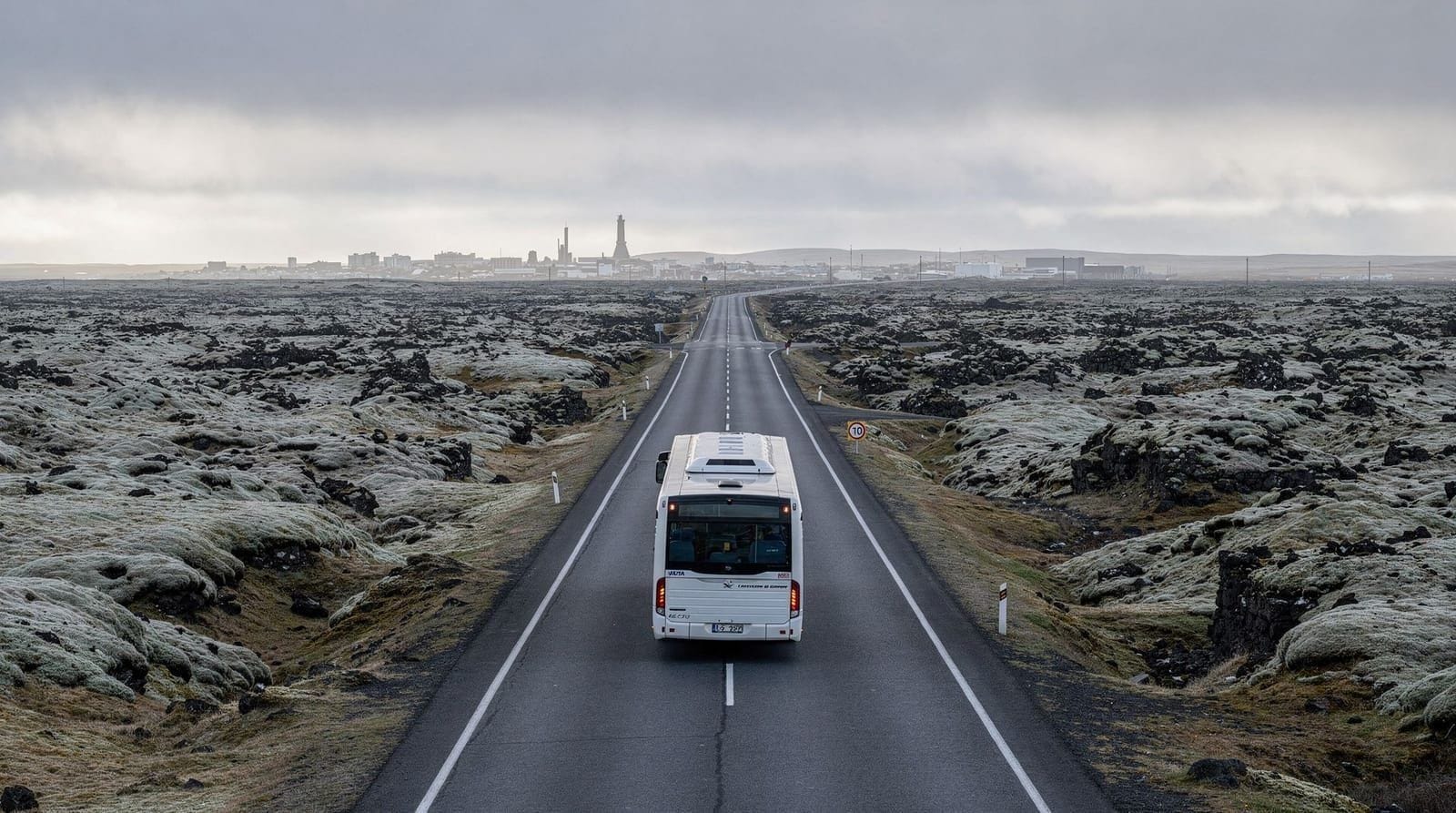
Self-driving: Route 41 from Reykjavik to the Sudurstrandarvegur turnoff. Large car park on-site. Driving takes 45 minutes from central Reykjavik. Driving is straightforward — the Reykjanes Blue Lagoon destination page covers the route in detail.
From the South: if combining with a Golden Circle tour or South Coast day, the route via Selfoss and Route 38 adds significant distance. Most visitors coming from the east go via Reykjavik or book a combined tour.
Combining with other activities
The Blue Lagoon’s location on the Reykjanes peninsula makes it a natural pairing with a few other experiences:
Golden Circle combination: several operators run a full-day tour combining Golden Circle sights with a Blue Lagoon visit and transfer.
The Golden Circle tour with Blue Lagoon visit and entry included is efficient if you want to do both in one day — though the day will be long (10-11 hours).
Reykjanes volcano hike: the active volcanic area of the Reykjanes peninsula is 20-30 minutes from the Blue Lagoon. A morning volcano hike followed by an afternoon Blue Lagoon session is a popular pairing. See the Reykjanes volcano guide for current conditions and access information.
Airport visit: the airport-to-lagoon-to-Reykjavik routing is one of the most popular arrival-day itineraries. You land, take a 15-minute taxi to the lagoon, spend 2-3 hours, then transfer to Reykjavik.
Practical details
What to bring: the Blue Lagoon provides towels (included in all packages), lockers, and showers. Bring a waterproof hair tie or use their conditioner station before entering the water (silica is hard to remove from hair without conditioning first). Hair can become temporarily coarser after a visit; the on-site conditioner largely prevents this.
Swimwear: required. Available to rent on-site if you forget.
Photography: phones and cameras are fine in the outdoor areas. The lagoon itself is photogenic but also crowded — early morning slots (07:00-08:00) offer better conditions for photography and fewer people.
Alcohol: the in-water bar serves beer, wine, and spirits. Prices are high. This is a spa experience, not a pool party — the atmosphere is relaxed.
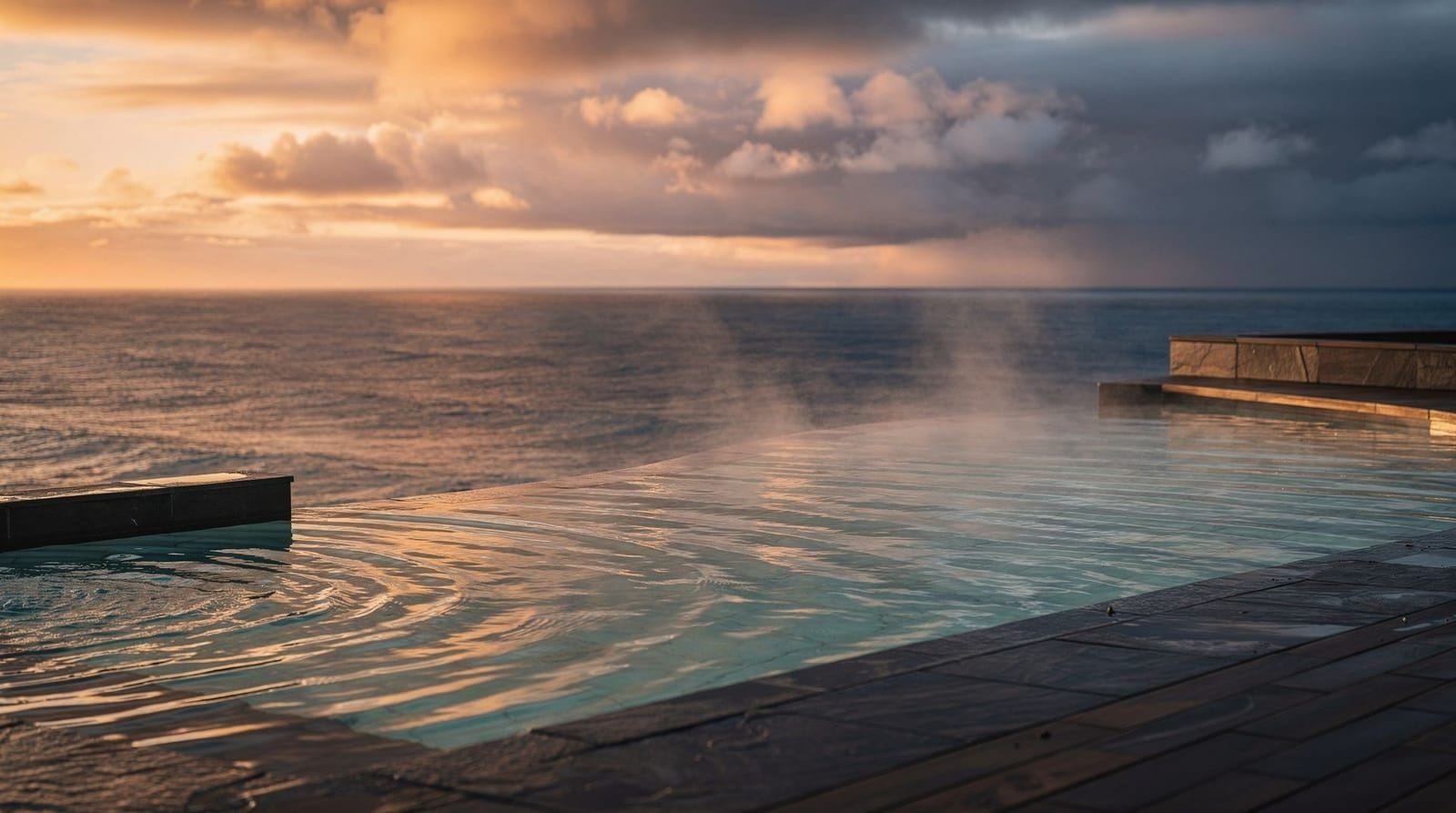
Visiting in winter vs summer: the steam rising from the warm water into cold winter air creates the most dramatic visual atmosphere. Summer visits are popular due to combining with late-evening daylight. Both are valid choices.
For a direct comparison of the Blue Lagoon versus the Sky Lagoon, see the Blue Lagoon vs Sky Lagoon guide.
The Blue Lagoon and Grindavik: what the 2023-2025 eruptions changed
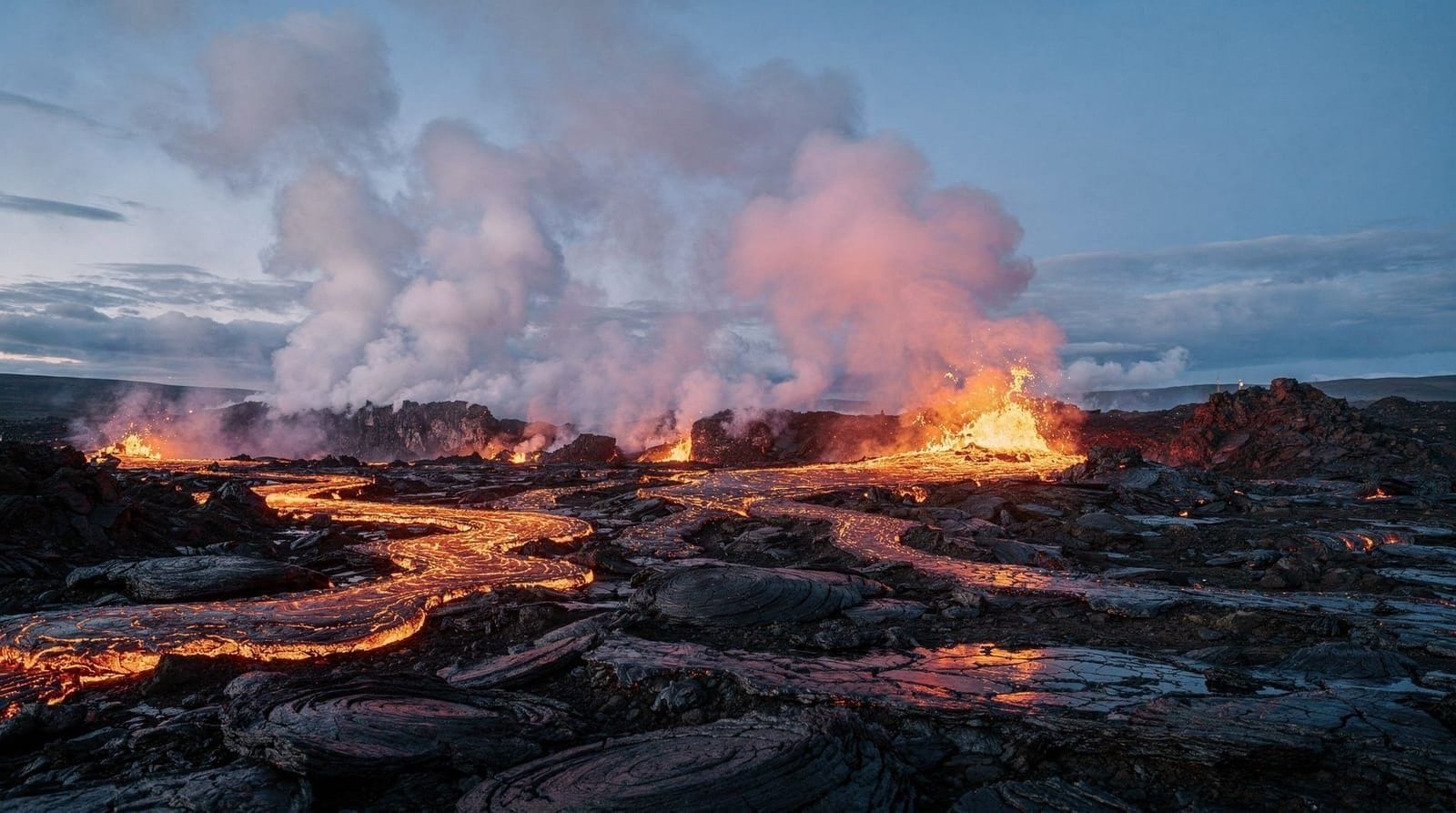
The Sundhnúkur eruptions on the Reykjanes peninsula from December 2023 onward directly affected the Blue Lagoon. The facility closed multiple times in 2024 as lava flows and evacuation orders affected the surrounding area. Grindavik, the town immediately to the south, was evacuated and partially damaged.
As of 2026, the Blue Lagoon is operating normally, but visitors should be aware that:
The facility is located in a geologically active volcanic zone. Future eruptions in the Sundhnúkur system could affect operations again with limited warning. This is a known risk that the Blue Lagoon’s operators accept and communicate to visitors.
The Sundhnúkur eruption sites are now a visitor attraction in their own right, with hiking trails to cooled lava fields within 15-20 minutes drive of the Blue Lagoon. Many visitors combine a morning volcano hike with an afternoon Blue Lagoon visit — see the Reykjanes volcano guide for current conditions and access.
The broader Reykjanes landscape around the Blue Lagoon has been transformed by recent lava flows. The drive from Keflavik to the lagoon now passes through or adjacent to areas where fresh black lava has crossed former roads or fields. This adds a layer of geological context that was not present before 2023.
Iceland’s geothermal culture beyond the Blue Lagoon
The Blue Lagoon is the most internationally known geothermal bathing site in Iceland but not the only one — and for many visitors, the local Reykjavik pools (hot pots, or heitur pottur) are where Icelanders actually spend their leisure time.
Every Reykjavik suburb has a community swimming pool with outdoor hot tubs maintained at 38-44°C. Laugardalslaug is the largest, with multiple outdoor hot tubs and a 50m pool. Sundholl is the oldest, centrally located on Laugavegur. Entry costs around ISK 1,100-1,300 — roughly one-tenth of the Blue Lagoon price.
Icelanders use these pools as a social space: they are not gyms or tourist attractions, they are neighbourhood gathering places. Sitting in a 40°C hot pot watching the snow fall is as much an Icelandic experience as the Blue Lagoon — and a more authentic one.
For free and low-cost Reykjavik activities including the municipal pools, see the Reykjavik free things to do guide. For full travel budget planning, the Iceland cost and budget guide puts Blue Lagoon pricing in context with the overall cost of an Iceland trip. Those arriving from or departing to Keflavik should also read the Keflavik airport to Reykjavik guide for the logistics of combining KEF with a Blue Lagoon stop. For a broader Reykjanes day combining the lagoon with volcanic landscapes, the South Iceland itinerary includes a dedicated Reykjanes peninsula day.
When to visit within the day for the best experience
Beyond booking well ahead, the specific time slot you choose within a day genuinely changes the experience. The first slot of the day (typically 07:00-08:00) is consistently the quietest, with far fewer people in the water and better conditions for photography before the main crowds arrive around 10:00. The last slot of the day is the second-best option — especially in winter, when an evening visit means entering the water in daylight and leaving under a dark sky, sometimes with Northern Lights overhead if conditions cooperate.
Midday slots (roughly 11:00-15:00) are the busiest, particularly in July and August and around holiday periods. If your schedule is flexible, shifting even 90 minutes earlier or later than the midday peak noticeably changes how crowded the pool feels, even though the facility itself does not change. This is worth factoring in when you book, since slot availability (not just date availability) can be the difference between a relaxed soak and a crowded one.
Package comparison at a glance
| Tier | Price (ISK) | Includes | Best for |
|---|---|---|---|
| Comfort | ~13,500-15,500 | Entry, silica mask, towel | Most first-time visitors |
| Premium | ~19,000-25,000 | + algae mask, robe, drink, slippers | Winter visits, comfort priority |
| Retreat | ~35,000+ | Private lagoon section, spa access | Special occasion, luxury travellers |
Comfort covers the core experience for the large majority of visitors — the step up to Premium buys convenience (robe, drink) rather than a meaningfully different lagoon experience, and Retreat is a genuinely different product rather than an upsell.
Frequently asked questions about the Blue Lagoon in Iceland
How far in advance do you need to book the Blue Lagoon?
Book 2-4 weeks ahead for peak season (June-August and December-January). In shoulder season (October, March), 1-2 weeks is usually sufficient. Same-day bookings are rare — the lagoon operates on timed entry slots only.
Is the Blue Lagoon natural?
No. The Blue Lagoon is geothermal seawater discharged from the Svartsengi power plant, which generates electricity and heating for the Reykjanes peninsula. The water was originally waste runoff; its skin benefits were discovered in the late 1970s. The milky blue colour is real — caused by silica particles in suspension.
What is the difference between Comfort and Premium packages?
Comfort (~ISK 13,500): entry, one silica mud mask, towel. Premium (~ISK 19,000-25,000): adds algae mask, bathrobe, one drink at the water bar, and slippers. The water bar drink is a novelty. Most visitors find Comfort is sufficient unless you want the bathrobe.
How do you get from Reykjavik to the Blue Lagoon?
Direct buses run from BSI Terminal in Reykjavik, taking about 45-50 minutes and costing around ISK 3,000-4,000 return. Shared transfers can be booked bundled with entry. From Keflavik Airport it is about 15-20 minutes by taxi or shuttle. Driving takes 45 minutes from Reykjavik via Route 41.
What add-ons at the Blue Lagoon are overpriced?
The in-water food service, private changing cabins, and the Lava Restaurant are all significantly marked up. Eat before you go or after at cheaper options in Grindavik. The silica mask in the Comfort package is the one add-on worth using.
Can you visit the Blue Lagoon from the airport on the way home?
Yes, this is a very popular option. The Blue Lagoon is 22 km (about 15-20 minutes) from Keflavik Airport. Book the last slot 3-4 hours before your flight to allow time to dry your hair, collect luggage, and check in.
Is the Blue Lagoon worth it?
For most visitors, yes — but set accurate expectations. It is a commercially operated geothermal pool, not a wild hot spring. The water, scenery, and experience are genuinely distinctive. At Comfort tier pricing, it represents fair value for a major international attraction.
Top experiences
Bookable activities with verified prices and instant confirmation on GetYourGuide.