Free Things to Do in Reykjavik: No-Cost Guide for 2026
Reykjavik: Perlan – Wonders of Iceland Experience
What free things are there to do in Reykjavik?
The Sun Voyager sculpture, Hallgrimskirkja interior, the Harpa concert hall lobby, the entire harbour waterfront walk, Grotta lighthouse and lighthouse beach, Nauthólsvík geothermal beach, and the old town walking circuit around Austurvollur are all free. The city is very walkable and most of its iconic sights cost nothing to see.
Reykjavik on a budget: what genuinely costs nothing
Reykjavik is an expensive city. Restaurant meals, museum entry, and any guided experience will test your budget. But the city’s outdoor sights, architecture, and natural environment are largely free — and in many cases they are the things most worth seeing.
This guide covers everything that costs nothing or close to nothing in Reykjavik. It does not pad the list with “take a walk” as a budget tip — these are actual places and experiences worth your time.
| Cost | Free (a few sights have small optional fees) |
| Time needed | A full day, or spread across a longer stay |
| Getting around | Entirely walkable; buses fill the gaps |
| Best season | Any — dress for the weather, not the calendar |
| Pairs well with | A budget day between paid tours or Golden Circle days |
The Sun Voyager (Solfar)
The polished steel sculpture on the harbour waterfront, designed by Jon Gunnar Arnason and installed in 1990, is free at all hours. It is the most photographed non-building in Iceland and looks genuinely striking in multiple conditions: morning fog, bright summer light, under snow in winter.
The Sun Voyager sits at the junction of Aegisgardur and Saebraut, about a ten-minute walk east from the old harbour. The entire waterfront from Harpa to beyond the Sun Voyager is a flat, easy walk.
Hallgrimskirkja interior
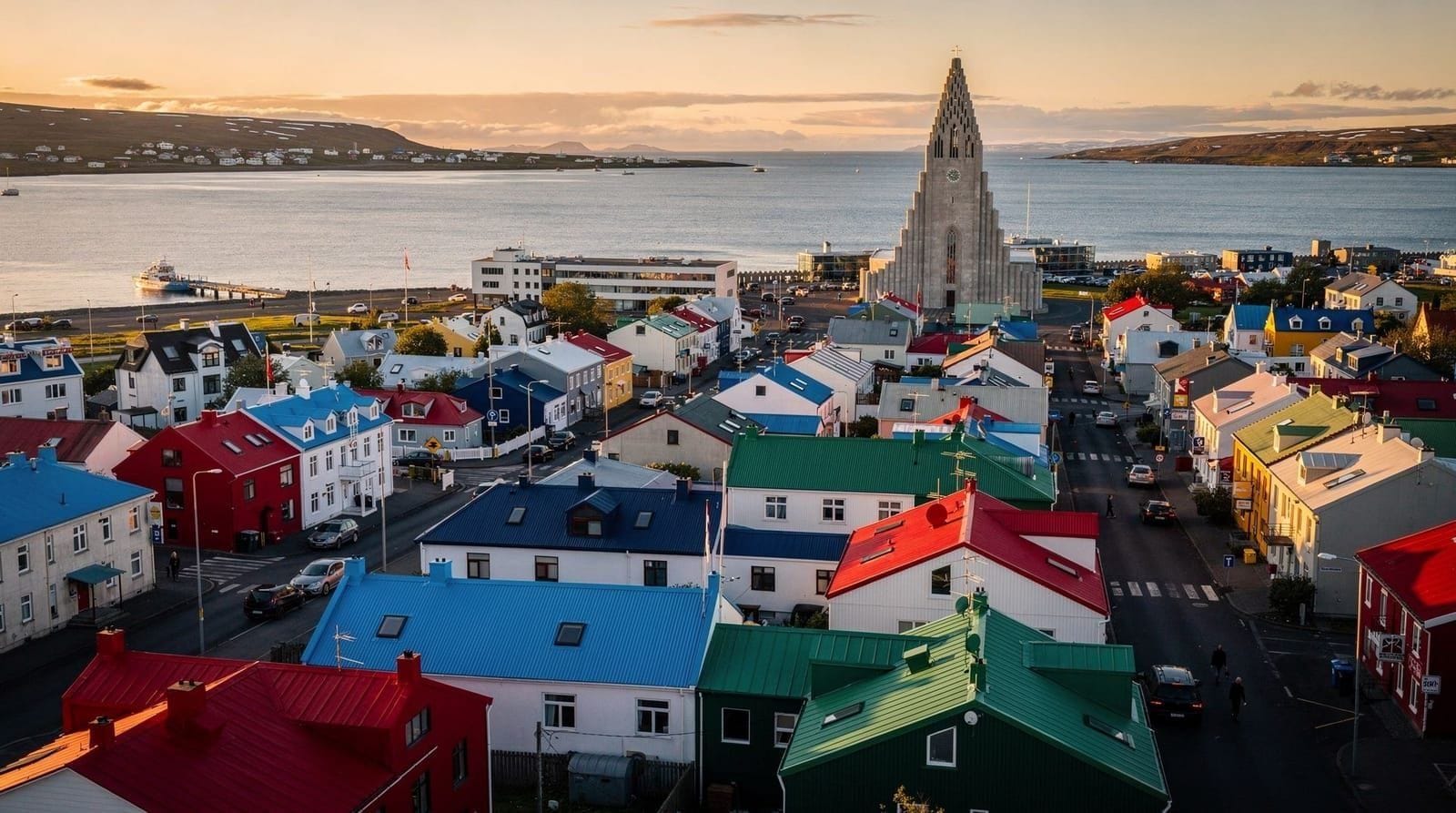
The church tower costs ISK 1,000 (see the museums guide for whether that is worth it). The church interior is free. The nave is deliberately austere — white walls, minimal ornament, a large pipe organ as the focus. The scale is impressive. Concerts are scheduled regularly and attending one is a worthwhile experience at concert-ticket prices.
The exterior is free to photograph from every angle. Skolavordustigur, the street leading up to the church, has some of the city’s better independent shops and is worth walking regardless.
Harpa Concert Hall
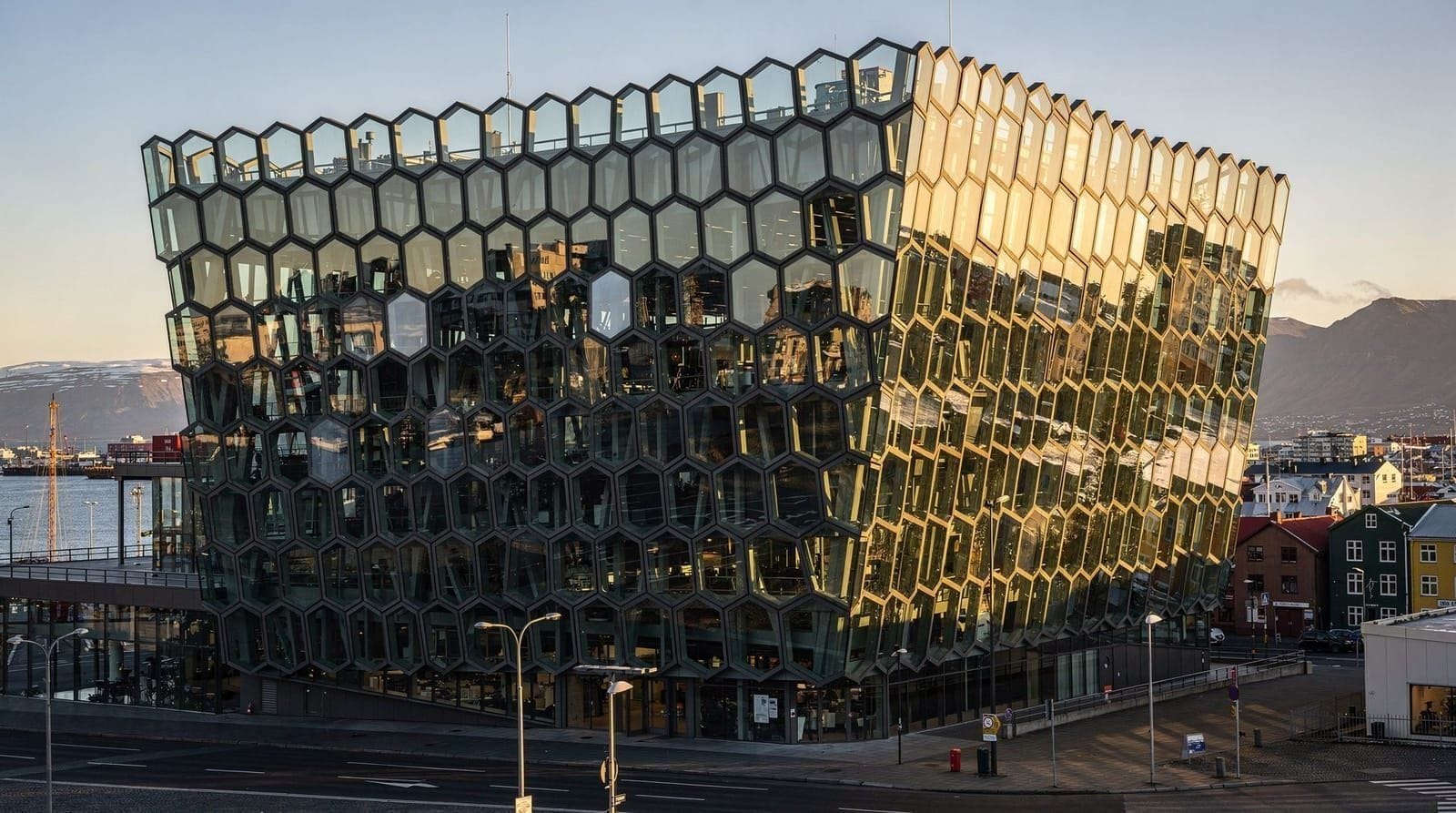
The Harpa lobby, atrium, and public ground floor are free to enter. The geometric glass facade designed with artist Olafur Eliasson modulates light differently through the day — worth visiting both in morning and evening conditions if you are near the harbour at different times. The interior is open during business hours.
Check the Harpa event calendar for free public events, open rehearsals, and occasional free concerts. Not guaranteed but worth checking.
The old harbour and Grandi
The harbour area west of Harpa — the Grandi quarter — has undergone significant redevelopment in the past decade. Walking it is free. The Marshall House (Grandagardur 20) contains free gallery spaces (Kling and Bang, Living Art Museum) with rotating exhibitions. The Reykjavik Maritime Museum has a free outdoor area with a historic coastguard vessel.
The Grandi area is also where FlyOver Iceland and the Whales of Iceland museum are located — paid attractions worth noting as options if you want a break from walking.
Austurvollur and the old town
The square in front of the Althing (parliament) is the civic centre of Reykjavik. The Althing building itself is sometimes open for public visits — check at althingi.is. The surrounding streets, including Aðalstraeti (the oldest street in Reykjavik, built on the site of the original settlement), are free to walk.
The Settlement Exhibition (Reykjavik 871 +-2) is underneath the Hotel Centrum and displays the remains of a Viking-age longhouse discovered during construction. Entry costs around ISK 2,200 — not free but reasonably priced for what is a genuine archaeological site.
Oskjuhlid hill
Oskjuhlid is a tree-covered hill in central Reykjavik, topped by the Perlan dome building. The walking trails through the hill are free. The view from the paths — across the city toward the sea and Esja mountain — is good. The Perlan museum inside the dome costs money, but the hill walk itself is free.
The hill has around 50,000 planted trees (a significant number for Iceland, which is largely treeless). Jogging trails run around the base and through the interior. A small children’s playground is near the lower car park.
If the walk leaves you curious about what’s inside the dome, the Wonders of Iceland exhibition covers glaciers, volcanism and an indoor ice cave — a reasonable paid add-on to an otherwise free hill walk:
Perlan: Wonders of Iceland entry ticketGrotta lighthouse
Grotta is a small lighthouse on a tidal causeway at the western end of the Seltjarnarnes peninsula, about 5 km from central Reykjavik. Reachable by foot (50-minute walk along the shore from central Reykjavik), by bicycle, or by city bus (route 11, check Streto.is for times).
The lighthouse itself is a simple structure on a low rocky promontory. The surrounding area is flat, exposed, and windswept — genuinely wild-feeling despite being within the city boundary. At low tide you can walk out to the lighthouse. At high tide the causeway submerges — check tide times at vedur.is before walking out.
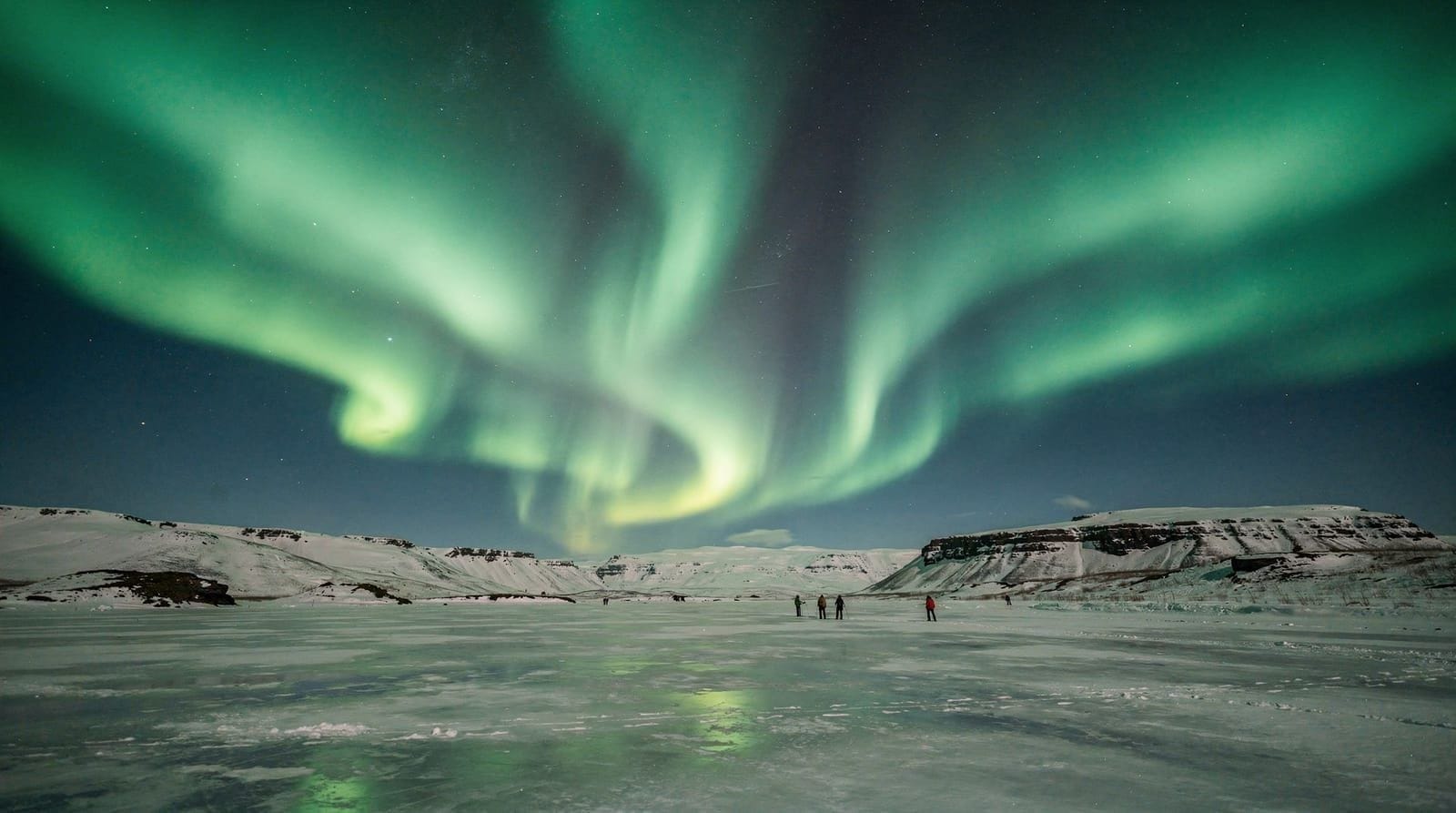
Grotta is one of the best free Northern Lights viewing spots in Reykjavik. It is far enough from the main city light pollution that dark skies are achievable. In summer the area is good for birdwatching (Arctic terns nest here — they will dive at you if you get too close to nests, which is mildly alarming and amusing).
For Northern Lights information, see Northern Lights season guide.
Nauthólsvík geothermal beach
Nauthólsvík is a small geothermal beach about 2 km from central Reykjavik, accessible by walking the shore path from the city or by bus. The beach has a small hot pot (geothermal heated outdoor pool) and access to the cold sea.
From approximately June to August, facilities are open with changing rooms and hot pot access (changing rooms charge a small fee). Outside these months, the beach itself remains accessible for free and the views across Faxaflói bay toward the Reykjanes peninsula are good in any weather.
Iceland’s tap water is excellent — bring your own water and save money; there is no reason to buy bottled water here or anywhere else in the country.
Walking the Laugavegur street
Laugavegur is the main shopping and cafe street. Walking it is free. The independent shops — Rammagerdin (traditional crafts), Geysir (high-end Icelandic design), various vintage shops — are browsable without obligation to buy. Window shopping on Laugavegur and the connecting Skolvorstigur hill gives a good sense of the city’s retail and food culture.
Be aware that the street gets crowded in peak tourist season (June-August). Early morning (before 10:00) and evening (after 19:00) are quieter.
Reykjavik Botanical Garden (Grasagardur)
The city botanical garden in Laugardalur park is free and open year-round. It is not a large or especially spectacular botanical garden by international standards, but it is pleasant and genuinely green in summer — in a city built on lava fields, the managed greenery is notable.
Laugardalur park adjacent to the garden has Reykjavik’s main public thermal swimming pool (Laugardalslaug) — this costs around ISK 1,200 for adults and is worth including if you want the genuine local experience of Icelandic public swimming culture.
Free walks: two routes
Harbour circuit (2-3 hours, flat): Start at Harpa, walk west along the waterfront to the Grandi quarter and old harbour, continue to Skarfabakki pier, then return via the interior streets through Vesturbaejar.
City centre and heights (2-3 hours, some uphill): Start at Austurvollur, walk up Aðalstraeti and Kirkjustraeti to Laugavegur, continue up Skolavordustigur to Hallgrimskirkja, then down the west side through the old residential streets (Njardargata, Framnesvegur) back to the city centre.
Both routes are self-guided and free. For more itinerary structure, see the Reykjavik weekend itinerary and 3-day Reykjavik itinerary.
Free events
Reykjavik has a year-round calendar of free events. The main ones:
Culture Night (Menningarnott): annually in August, nearly all museums open free, concerts across the city, street performances. One of the best nights of the year to be in Reykjavik.
Reykjavik Arts Festival: late May to early June, many free events in public spaces.
Iceland Airwaves: music festival in November, mainly ticketed but many free off-venue shows at bars and cafes.
New Year’s Eve: massive public bonfire at Austurvollur followed by midnight fireworks. One of Europe’s better public New Year celebrations.
What is worth paying for
Not everything in Reykjavik should be free. The paid attractions that genuinely earn their price are covered in the Reykjavik museums and attractions guide. For the full budget picture, see Iceland cost and budget guide. If you are planning a wider trip, getting around Iceland by car vs tours covers the key transport decisions.
Building a free day: a realistic order
A workable free day starts at Austurvollur and the old town in the morning while streets are quiet, moves to Hallgrimskirkja and down Skolavordustigur mid-morning, continues along the waterfront past Harpa to the Sun Voyager for lunch (bring a hot dog from Baejarins Beztu, which is genuinely cheap even if not technically free), then either the Grandi quarter or Oskjuhlid hill in the afternoon depending on energy levels. Save Grotta lighthouse for late afternoon or evening — the light there is better, and if you’re around in winter, it doubles as a Northern Lights spot once dark falls. This sequence covers most of the list above in a single unhurried day without backtracking across the city.
Free things that only work at certain times
A few of the best free experiences are time-sensitive rather than always-on. Culture Night in August turns nearly every paid museum free for one evening — worth timing a visit around if your dates are flexible. The Reykjavik Arts Festival in late May/early June adds free public art and performances to the harbour and city centre. Grotta’s tidal causeway is only walkable at low tide — check vedur.is before heading out, since arriving at high tide means admiring the lighthouse from a distance rather than walking to it. None of these require booking, but all reward checking a calendar or tide table before you go rather than assuming availability.
Frequently asked questions about free things to do in Reykjavik
What is free to do in Reykjavik?
The Sun Voyager, Harpa lobby, Hallgrimskirkja interior (tower costs ISK 1,000), the full harbour waterfront walk, Grotta lighthouse area, Nauthólsvík beach, the Grandi quarter, Austurvollur square, the Botanical Garden, and Oskjuhlid hill are all free.
Is it safe to walk around Reykjavik?
Yes. Reykjavik is consistently ranked among the safest cities in the world. Walking alone at any hour is generally safe. The main hazard is weather — bring layers regardless of season.
What is Grotta lighthouse?
Grotta is a small lighthouse on a tidal causeway at the western tip of the Seltjarnarnes peninsula, about 5 km from central Reykjavik. The surrounding beach and coastal walk are free. In winter it is a good Northern Lights viewing spot.
Are the beaches in Reykjavik free?
Yes. Nauthólsvík geothermal beach and Grotta beach are both free. Nauthólsvík has changing facilities that cost a small fee but beach access itself is free.
What is Oskjuhlid hill?
Oskjuhlid is a tree-covered hill topped by the Perlan dome building. The walking paths are free. The museum inside Perlan costs money but the hill itself is a pleasant free walk with good city views.
Can I see the Northern Lights for free?
Yes. The Northern Lights are free to watch — they appear in the sky when conditions are right. Grotta lighthouse and Oskjuhlid hill are the best free viewing spots near Reykjavik. Guided tours add transport and expertise but are not required.