Getting Around Iceland: Rental Car vs Guided Tours
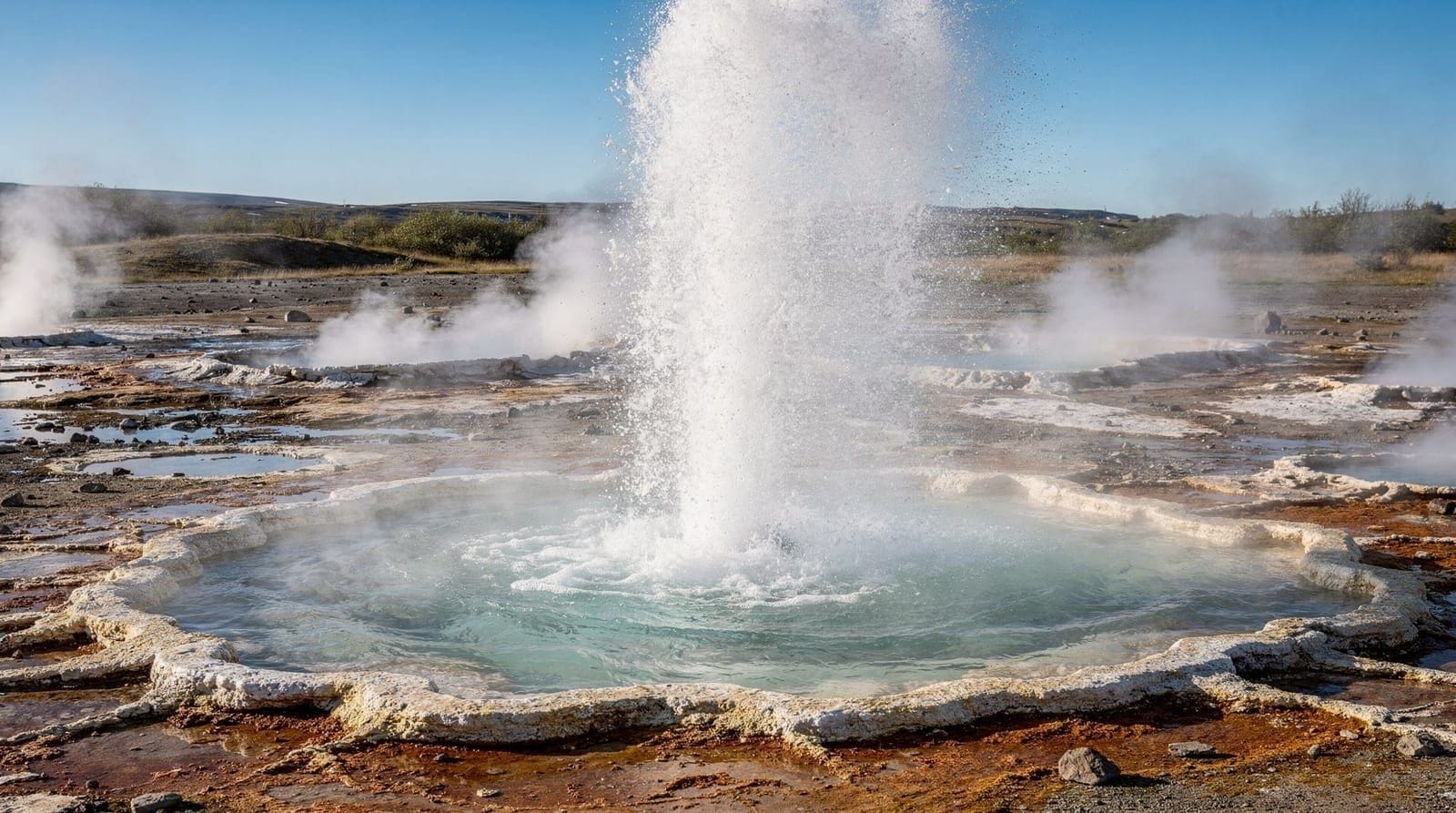
Reykjavik: The Golden Circle Full-Day Tour
Should you rent a car or take guided tours in Iceland?
Tours work well for trips of 4-5 days based in Reykjavik covering the classic routes. A rental car is better for stays of 6+ days, Highland access (mid-June to early September), or anyone wanting flexibility to leave early or stay late at specific locations. A 4x4 is legally required on F-roads and strongly advisable in winter.
The honest trade-off
Iceland’s transport question comes down to one trade-off: flexibility versus simplicity. A rental car gives you the freedom to leave Geysir before the tour group arrives at 11am and stay at Gullfoss until the golden light hits. A guided tour means you spend zero time navigating, worrying about road conditions, or working out what “F261” means on a map. Neither is categorically better — they suit different trips and different travellers.
This guide gives you the real numbers, the genuine risks, and a framework for deciding.
| Best for tours | 3-5 day trips based in Reykjavik |
| Best for rental | 6+ days, Highlands access, Ring Road |
| 4x4 required | Legally on F-roads; strongly advised in winter |
| Typical tour cost | ISK 10,000-19,000 per person, per day tour |
| Typical rental cost | €45-250/day depending on vehicle and season |
The case for guided tours
Organised tours from Reykjavik cover every major Iceland highlight: the Golden Circle, the South Coast, the Blue Lagoon, Snæfellsnes Peninsula, Jokulsarlon Glacier Lagoon, and Northern Lights hunts. For a 4-5 day trip spending most of your time in Reykjavik with day excursions, tours are genuinely efficient.
What tours do well:
- No driving stress. In winter conditions especially, letting an experienced local driver handle icy roads has real value.
- All logistics handled: pick-ups from hotels, timed entries to popular sites, and return by evening.
- Commentary from local guides adds genuine context.
- Cheaper for solo travellers. A Golden Circle tour at ~ISK 12,000-18,000 per person costs less than a full day’s car hire plus fuel.
- Glacier hikes, ice cave visits, and snorkeling at Silfra require a guide regardless — adding a tour on top makes practical sense.
What tours do poorly:
- Fixed itineraries. You leave when they leave.
- Group sizes vary. Budget tours can run 40+ passengers.
- Some popular stops (Seljalandsfoss at sunrise, Geysir before the crowds) are only possible with early self-drive access.
See the dedicated Golden Circle: self-drive vs tour guide for that specific decision.
The case for a rental car
A rental car opens up everything that tours cannot reach economically: the ability to start at 06:00 to beat the Seljalandsfoss crowd, detour to a viewpoint not on any itinerary, stay in a roadside farm guesthouse 100 km from the nearest tour stop, and drive the Westfjords or remote Ring Road sections without choreographed timing.
When a rental car makes clear sense:
- Trip of 6 or more days where you want genuine exploration beyond the main routes.
- Highlands access (Landmannalaugar, Thorsmork) during the open season mid-June to early September. No regular tour covers the F-roads at your own pace.
- The Ring Road trip. Driving the full Ring Road (Route 1, roughly 1,300 km) takes a minimum of 7-10 days and is impractical to cover on a single day tour. For travellers who would rather not drive the whole loop themselves, a multi-day option like this 6-day guided Ring Road tour around Iceland covers the same route with the driving handled for you.
- Winter photography. Catching Northern Lights requires the ability to drive away from cloud at 01:00.
- Family travel. Hiring a car often costs less per person than buying four tour tickets, and children’s schedules are easier to manage.
What self-drive requires:
- Confidence driving in variable conditions. Iceland roads are mostly well-maintained but ice, gravel, and single-lane bridges need respect.
- Daily checks of road.is for closures, black ice warnings, and F-road conditions.
- A valid driving licence (most foreign licences accepted).
- Understanding of which roads require a 4x4 and which do not.
F-roads: what they are and why they matter
F-roads are unpaved mountain tracks that cross rivers, climb volcanic highlands, and traverse terrain only a four-wheel-drive vehicle can handle safely. They include the routes to Landmannalaugar (F26/F225), Thorsmork (F249), and the Kjolur route (F35).
Driving an ordinary 2WD car on an F-road is illegal in Iceland, and if you damage a 2WD car on an F-road your rental insurance is void. Attempting a river crossing in the wrong vehicle is genuinely dangerous — people have drowned.
F-road season runs approximately mid-June to early September, depending on snowmelt and weather each year. The current status of every F-road is listed on road.is. A road labelled “F” on any map does not automatically mean it is open today.
For the Highlands destinations, see Highlands Landmannalaugar.
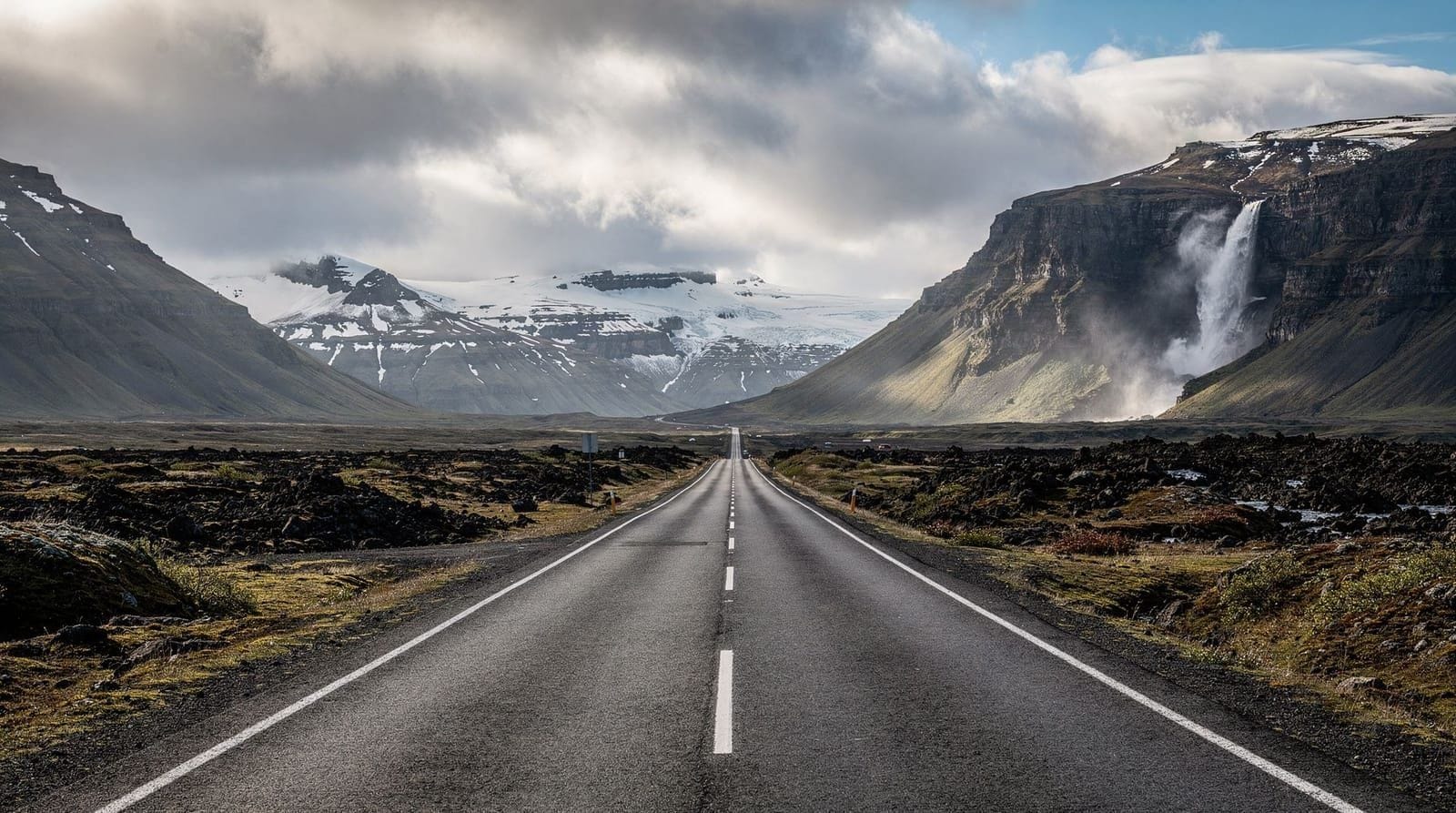
South Coast full-day tour: waterfalls, black sand, glacierRental car costs in 2026
Economy car (e.g. Toyota Yaris): ~€45-60/day off-peak (Nov-Feb outside school holidays). Suitable for summer Ring Road and main paved routes.
Compact SUV/4x4 (e.g. Toyota RAV4 or Dacia Duster): ~€80-110/day in shoulder season; €120-180/day in July-August. Recommended for winter travel or any F-road access.
Full-size 4x4 (e.g. Toyota Land Cruiser): €150-250/day. Required for difficult river crossings and some Highlands tracks.
Insurance note: The basic Collision Damage Waiver included with most rentals does NOT cover:
- Gravel road damage (windscreen, body panels)
- Damage from river crossings
- Sand and ash storm damage
- Single-vehicle rollovers off the road
Full cover adds €15-30/day but removes these exclusions. In Iceland, given the frequency of gravel roads and wind, full cover is worth taking seriously. Icelandic-specific rental companies (Saga, Blue Car Rental, Geysir) are often cheaper than international chains for comparable vehicles.
Guided tour costs in 2026
As a reference:
- Golden Circle day tour: ISK 12,000-18,000 (~€80-€120) per person
- South Coast day tour: ISK 13,000-19,000 (~€87-€127) per person
- Northern Lights tour: ISK 10,000-15,000 (~€65-€100) per person
- Glacier hike (from Reykjavik): €130-€180 per person
For a couple, a full day tour costs roughly €160-€240. A full day rental (compact 4x4 + fuel for ~200 km) in summer costs approximately €130-€160 for two people. The financial difference is not as large as many people assume.
The cost calculation tips in favour of tours for solo travellers and in favour of rental for groups of three or four.
Winter driving: a separate conversation
Winter self-drive in Iceland (November-March) deserves specific mention. The Ring Road is kept open and ploughed, but black ice, reduced visibility in snow, and daylight hours of 4-6 hours per day change the risk profile significantly.
Useful rules for winter driving:
- Check road.is every morning. Road closures happen overnight.
- Never drive onto any closed road — fines are heavy and conditions are closed for a reason.
- Allow 30-40% more time than the map suggests for any winter journey.
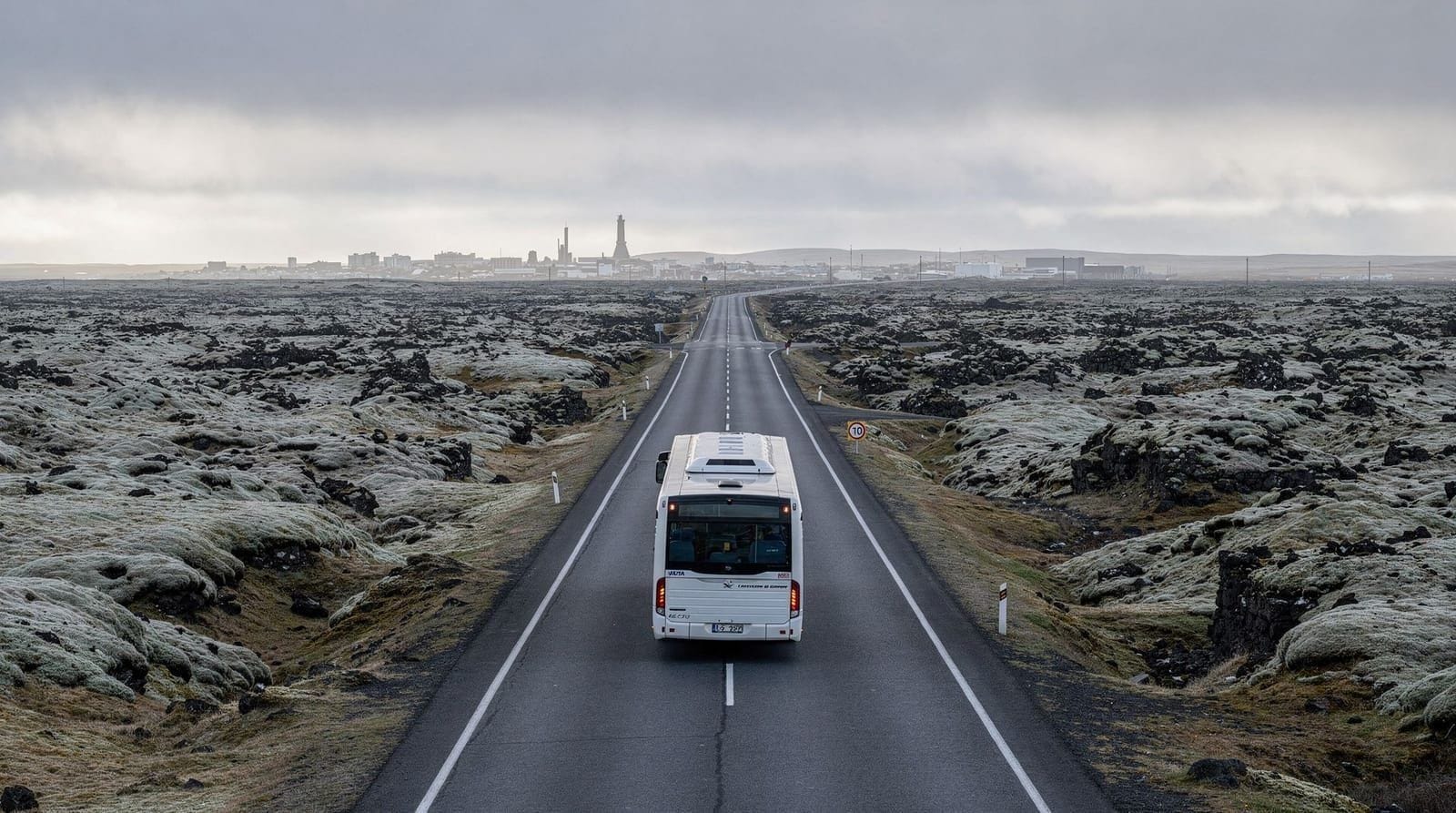
- Do not drive off the marked road surface. The lava fields either side are not parking areas or detour routes.
- Carry emergency supplies (water, snacks, warm layers) in case of breakdown.
The Iceland winter vs summer guide covers seasonal differences in depth.
Practical recommendation
| Trip type | Recommended approach |
|---|---|
| 3-5 days based in Reykjavik | Guided day tours |
| 6-9 days with Ring Road sections | Rental car (4x4 in winter) |
| Highlands visit (Landmannalaugar etc.) | Rental 4x4 or specific Highlands tour |
| Winter trip, mainly classic routes | Guided tours or rental 4x4 (experienced drivers only) |
| Family of 4+, flexible itinerary | Rental car economically justified |
| Solo traveller on budget | Guided tours (cheaper per person) |
The Iceland 7-day from Reykjavik itinerary and 5-day Iceland summer itinerary use a rental car for the extended sections. The 3-day Reykjavik itinerary relies entirely on guided tours.
Hybrid approaches: tours and rental car combined
Many visitors combine both. A common pattern for a 7-day trip: fly into KEF, take the Flybus to Reykjavik, spend 2-3 days on guided day tours to the Golden Circle and South Coast, then pick up a rental car for the final 3-4 days to explore the Snaefellsnes Peninsula or extend down the South Coast independently.
This hybrid approach avoids paying for a rental car when you do not need it (in the city), while getting the flexibility for the extended road section. Rental companies have pickup points in Reykjavik city centre as well as at KEF.
Another variant: use a guided tour for glacier hikes and ice cave tours (which require a guide regardless of how you get there), but self-drive for travel between locations. This way you get the best of both: independent access without the higher-cost private transfers between remote glacier hike meetpoints.
Specific road situations worth knowing
Single-lane bridges (einbreidar bryr): Iceland has hundreds. They are marked in advance. The rule is simple: yield to the vehicle already on the bridge. If both cars arrive simultaneously, local convention favours the car on the right. Slow down well before the bridge — visibility on approach is sometimes limited.
Gravel roads (malbikadar): The speed limit on gravel (10-12,000 km of Iceland’s road network) is typically 80 km/h, but local conditions often demand significantly less. Loose gravel at high speed causes vehicle instability and stone chip damage — both your problem legally. Slow down on gravel even if no speed sign reduces the limit.
Blindhedar (blind hills): Unmarked summits where oncoming vehicles are invisible until you crest. Marked on the map and in the road with signs. Reduce speed and stay left.
Black sand and ash conditions: The South Coast has black sand beaches where strong winds can sand-blast a rental car and permanently etch windscreens and paintwork. Certain rental insurance policies exclude sand and ash damage. Read your policy carefully and check the weather forecast if heading to Reynisfjara Black Sand Beach or Diamond Beach on a windy day.
Public buses: limited but available
Streto buses serve Reykjavik and connect to Selfoss, Akranes, and a handful of other towns. Within Reykjavik the bus network is functional and reasonably frequent. The app makes payment straightforward.
Reykjavik Excursions and Trex operate summer highland buses to Landmannalaugar and Thorsmork during the open season (mid-June to early September). These are not scheduled commuter buses but purpose-built tourist services operating on a specific timetable. Useful if you want to hike in the Highlands without a 4x4 — you can take the bus in and be dropped at the trailhead.
Beyond these specific routes, public transport cannot reach the waterfalls, glaciers, or geothermal sites that form the core of most Iceland itineraries.
What changes if you’re travelling with children
Family travel shifts the calculation in a specific way: a rental car often becomes better value per person once you’re a family of three or four, since tour tickets are charged per head (with only partial child discounts on most operators) while a car’s daily rate is fixed regardless of passenger count. The flexibility also matters more with children — being able to stop for an unscheduled break, adjust the day’s pace around nap times, or cut a activity short if a child is tired is harder to arrange on a fixed-itinerary bus tour.
The trade-off is that self-driving with children requires the same winter-driving competence discussed above, plus car seats (most rental companies offer these for an additional daily fee, book ahead in peak season) and the logistics of managing young children at fuel stops and rest breaks on longer routes. For families uncertain about winter driving specifically, a hybrid approach — rental car for summer visits, guided tours for a winter trip — is a reasonable way to get the benefits of both without the added risk of an unfamiliar driver on icy Icelandic roads.
Choosing between two specific tours instead of a car
If you’re leaning toward tours but unsure which specific route benefits most from a private vehicle, the Golden Circle self-drive vs tour guide breaks down that single route in detail — useful because the Golden Circle is the one route where self-drive timing (arriving at Geysir before the coach groups) makes the most visible difference. For the South Coast, tour departures are frequent enough that the timing advantage of self-drive matters less, since the route is long enough that everyone arrives at similar times regardless.
Deciding also depends on how you feel about the best time to visit Iceland guide — anyone visiting November through February should weight the winter driving section above heavily before committing to a rental car over guided tours.
Frequently asked questions about getting around Iceland by car or guided tour
Is Iceland safe to drive yourself?
Yes, with preparation. Drive on the right, check road.is daily for closures and conditions, reduce speed on gravel and single-lane bridges, and never attempt river crossings without clear guidance. Iceland’s hazards are predictable — the key is respecting them.
Do I need a 4x4 in Iceland?
Legally required on Highlands F-roads. For the Ring Road and main routes in summer a front-wheel-drive car is sufficient. For winter travel on any rural road, a 4x4 is strongly advisable. Many operators require 4x4 for winter bookings.
What does a rental car cost in Iceland?
Economy cars from ~€45/day off-peak; 4x4 SUV with full insurance in summer can reach €150-€180/day. Read collision damage waiver exclusions carefully — gravel road and ash storm damage are often excluded from basic policies.
Can you do Iceland’s main sights without a car?
Yes, if you stick to organised day tours. The Golden Circle, South Coast, Blue Lagoon, Snaefellsnes, and glacier hikes all have established tour departures from Reykjavik. The Highlands and remote Ring Road sections require a car.
What are F-roads and when are they open?
F-roads are unpaved mountain tracks requiring a 4x4. They lead to the Highlands including Landmannalaugar and Thorsmork. The season is approximately mid-June to early September, varying by year. Check road.is before attempting any F-road.
How does public transport work in Iceland?
Streto buses cover Reykjavik and some larger towns. Summer bus services run to popular Highlands destinations. There are no trains. Public transport is not practical for reaching most visitor attractions beyond the capital.
Is driving in Iceland in winter dangerous?
It requires significantly more preparation than summer driving. Ice, snow, reduced daylight, and sudden blizzards are real. Stick to the Ring Road and main paved routes. Check road.is for black ice warnings and closures. Never drive off the marked road surface.
Top experiences
Bookable activities with verified prices and instant confirmation on GetYourGuide.