Iceland Summer 5-Day Itinerary: Midnight Sun, Puffins & Highlands
From Reykjavik: Day Tour to Landmannalaugar in a Super Jeep
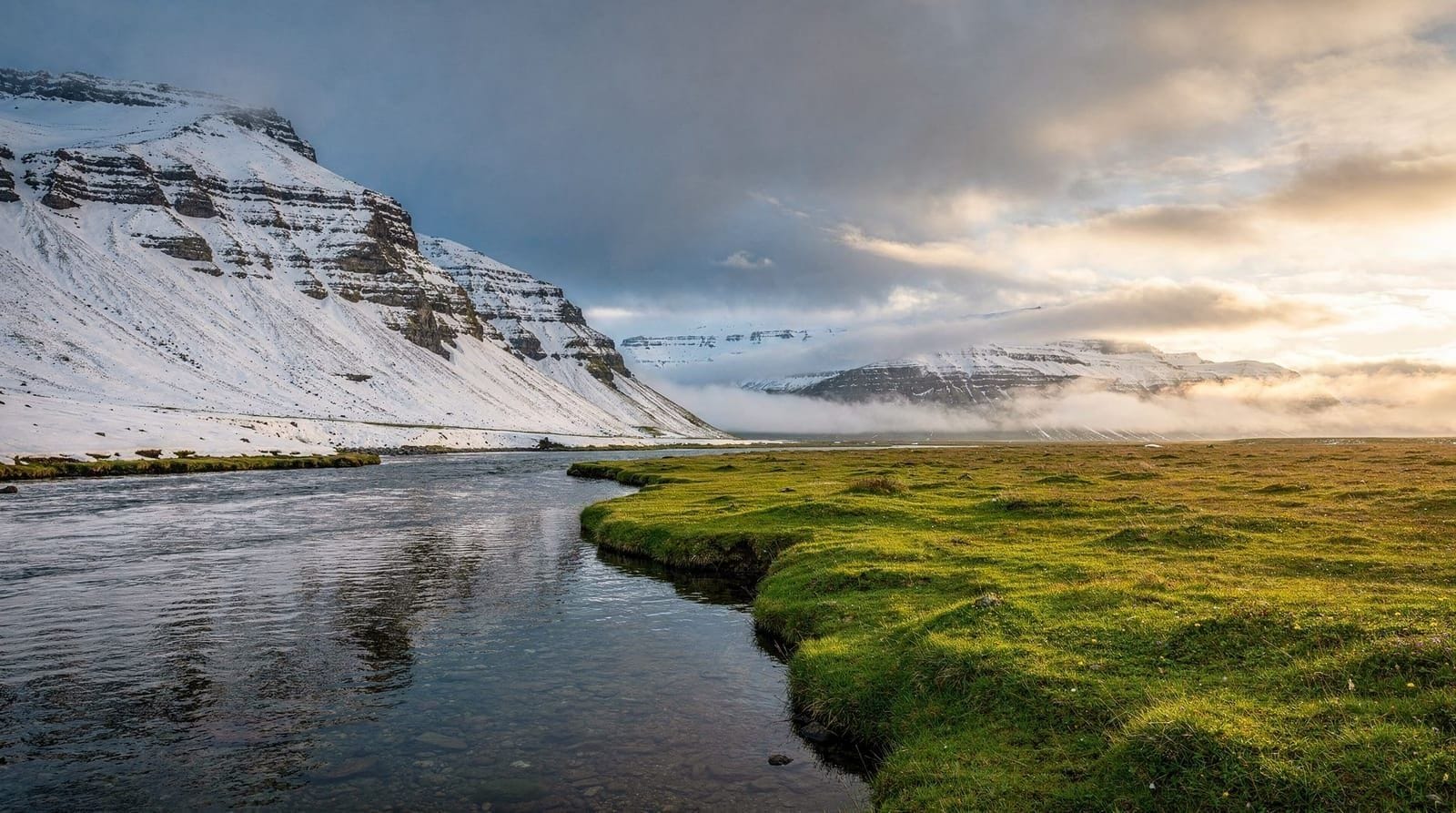
Summer Iceland (June–August) is a fundamentally different experience from the rest of the year. The sun barely sets from mid-June to mid-July. The interior Highlands open to 4WD traffic. Puffins arrive on coastal cliffs in their hundreds of thousands. Wildflowers cover the volcanic landscape. And the glacier hikes on the South Coast are at their most accessible.
This itinerary is specifically built around summer-only experiences: the Highlands at Landmannalaugar (F-roads open July–mid-September only), the midnight sun walks, whale watching from Reykjavik harbour (most active June–August), and Snæfellsnes at its most photogenic.
You need a 4WD for Day 3 (Landmannalaugar). If you’re renting a 2WD, substitute Day 3 with the Westman Islands (ferry option described below) — excellent, different, and equally worthwhile.
| Where | Reykjavik, South Coast, Landmannalaugar Highlands, Snæfellsnes, Golden Circle |
| Cost | Around 100,000–175,000 ISK (~€680–1,200) per person, excl. flights |
| Time needed | 5 days, Jun–Aug only |
| Getting there | 4WD for Day 3, or join a Super Jeep tour |
| Best time | Mid-Jun to mid-Jul for peak midnight sun + Highlands access |
Day 1: Reykjavik + Midnight Sun Orientation
Arrive. The permanent daylight will immediately disorient your body clock. This is normal. Do not try to sleep at 10 p.m. when it looks like 4 p.m.
Afternoon: Walk the City
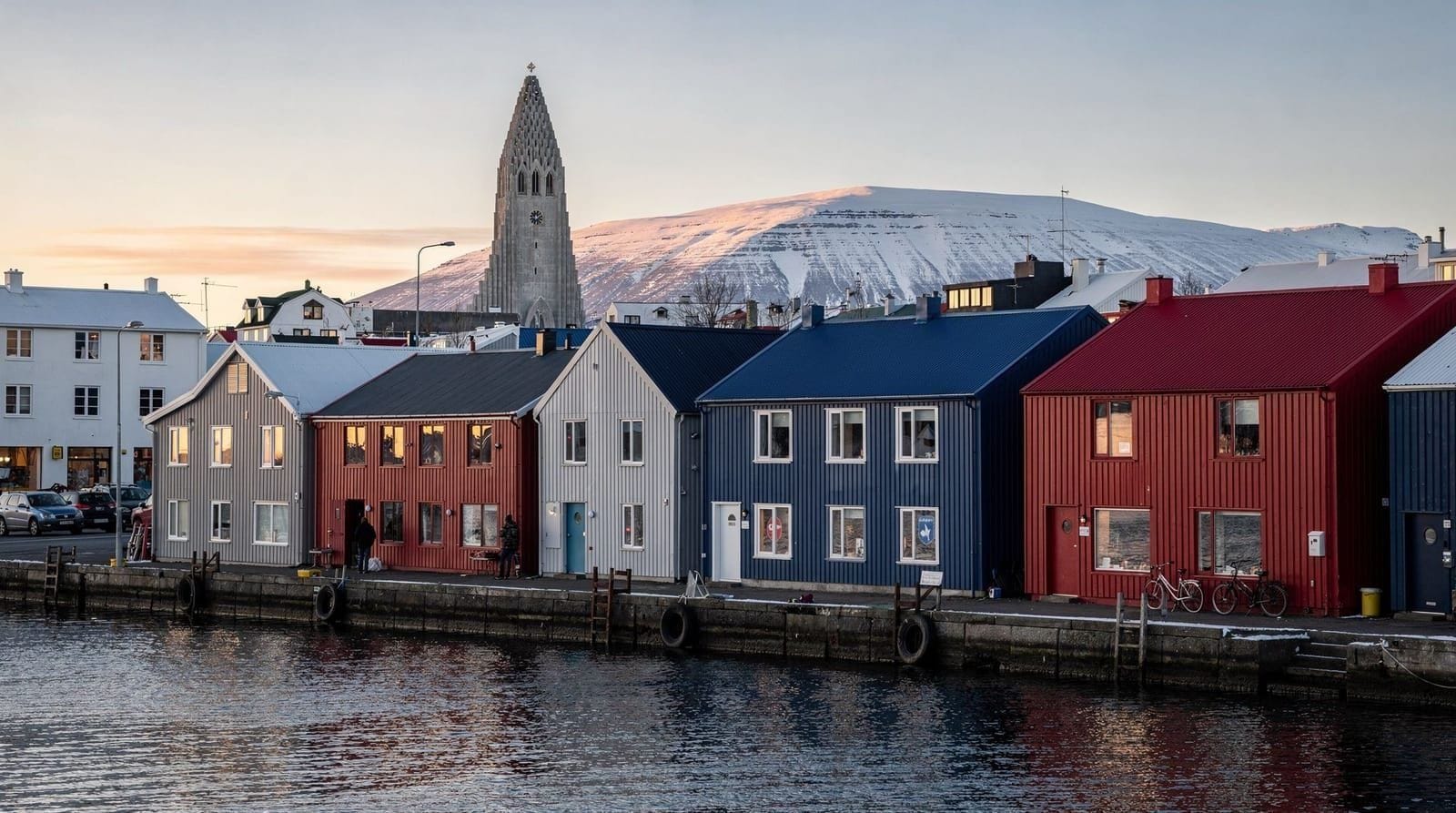
The 101 Reykjavik neighbourhood is compact and interesting on foot. Walk from Hallgrímskirkja (tower: 1,100 ISK / ~€7, skip if budget is tight) through Skólavörðustígur to Laugavegur. The independent shops are denser on Skólavörðustígur than on the main street — local wool, ceramics, and design work that reflects the country rather than the gift shop version of it.
The Old Harbour (Grandi) has been genuinely revitalised over the past decade. The Marshall House (contemporary art, free) and the coffee roasters around Grandagarður are the best of it. The harbour is also where whale watching tours depart from.
Whale watching in summer: June–August is peak season for minke and humpback whales in Faxaflói bay, with sightings on 80–90% of departures. Tours run morning and afternoon from the Old Harbour. Allow 2.5–3 hours. See whale watching in Reykjavik.
Evening: Midnight Sun Walk
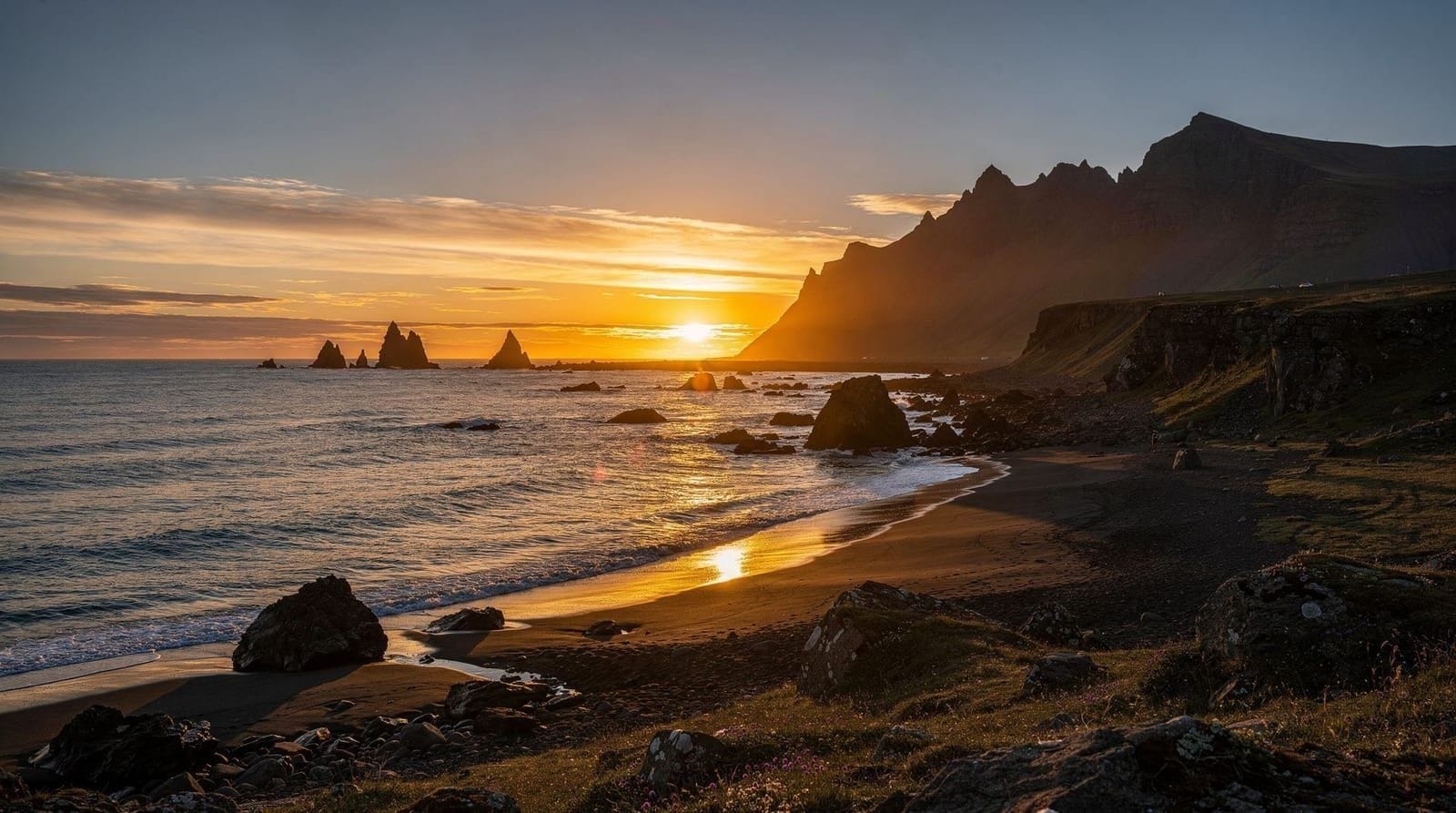
This is one of Iceland’s genuinely extraordinary experiences and one that costs nothing. At 11:30 p.m. in late June the sky is the colour of a long European sunset — orange, pink, horizontal gold — and it stays that way for hours. It does not darken. At midsummer (June 21) the sun never sets at all.
Best city viewpoints for the midnight sun:
- Öskjuhlíð hill (Perlan area): 10-minute walk from most city hotels, 360-degree views
- Sæbraut seafront road: flat walk east of the harbour with clear western horizon
- Seltjarnarnes lighthouse: 45 minutes on foot from the city centre, at the peninsula tip, with unobstructed sunset-direction views
Read midnight sun in Iceland for exact dates, sunset times, and the photographic window across the summer.
For context on what else summer offers: Reykjavik food and drink guide, free things to do in Reykjavik, and Reykjavik museums and attractions.
Day 2: South Coast
The South Coast in summer runs at full volume: glaciers accessible, waterfalls fed by snowmelt, puffins on the cliffs at Dyrhólaey, and the kind of long golden light that makes every photograph look like it was taken during golden hour. Because it was.
Depart 7:30–8 a.m. to reach Seljalandsfoss before the tour bus wave.
Route: Seljalandsfoss (1.5h from Reykjavik) → Gljúfrabúi → Skógafoss → Sólheimajökull → Dyrhólaey → Reynisfjara → Vík. Total driving: ~280 km, 5.5 hours with stops. Return to Reykjavik by 9–10 p.m.
Seljalandsfoss and Gljúfrabúi
Walk behind Seljalandsfoss (wet — waterproofs are essential even in July). Then walk 750 m east to Gljúfrabúi: a hidden waterfall inside a narrow canyon slot. Cross a shallow stream — water shoes help but aren’t essential. The interior is dramatic and quiet even in peak summer when Seljalandsfoss is crowded. This is one of the genuinely overlooked gems on the South Coast.
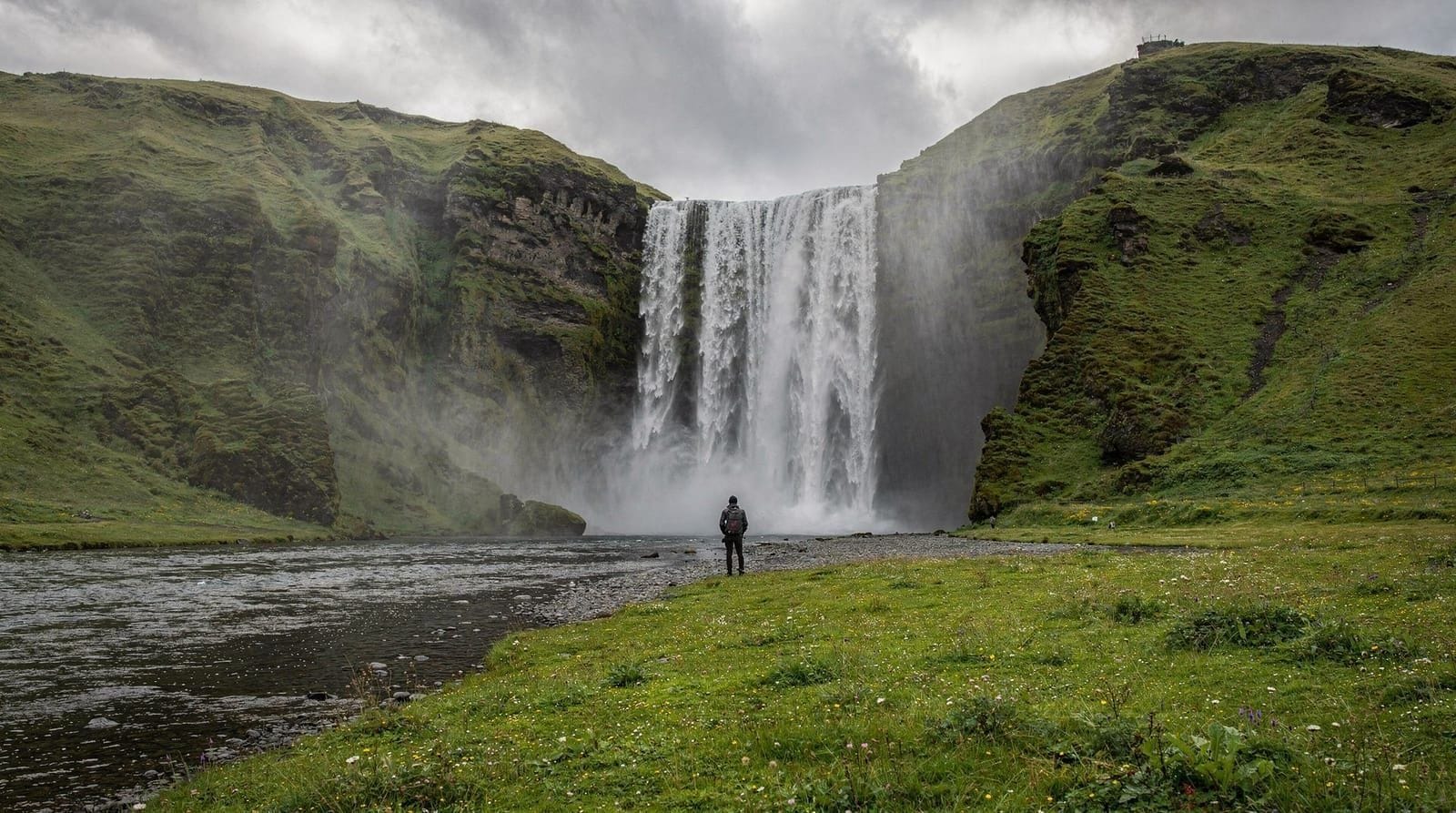
Summer advantage: both falls run at peak volume from June snowmelt. See South Coast complete guide.
Skógafoss and the Upper Valley
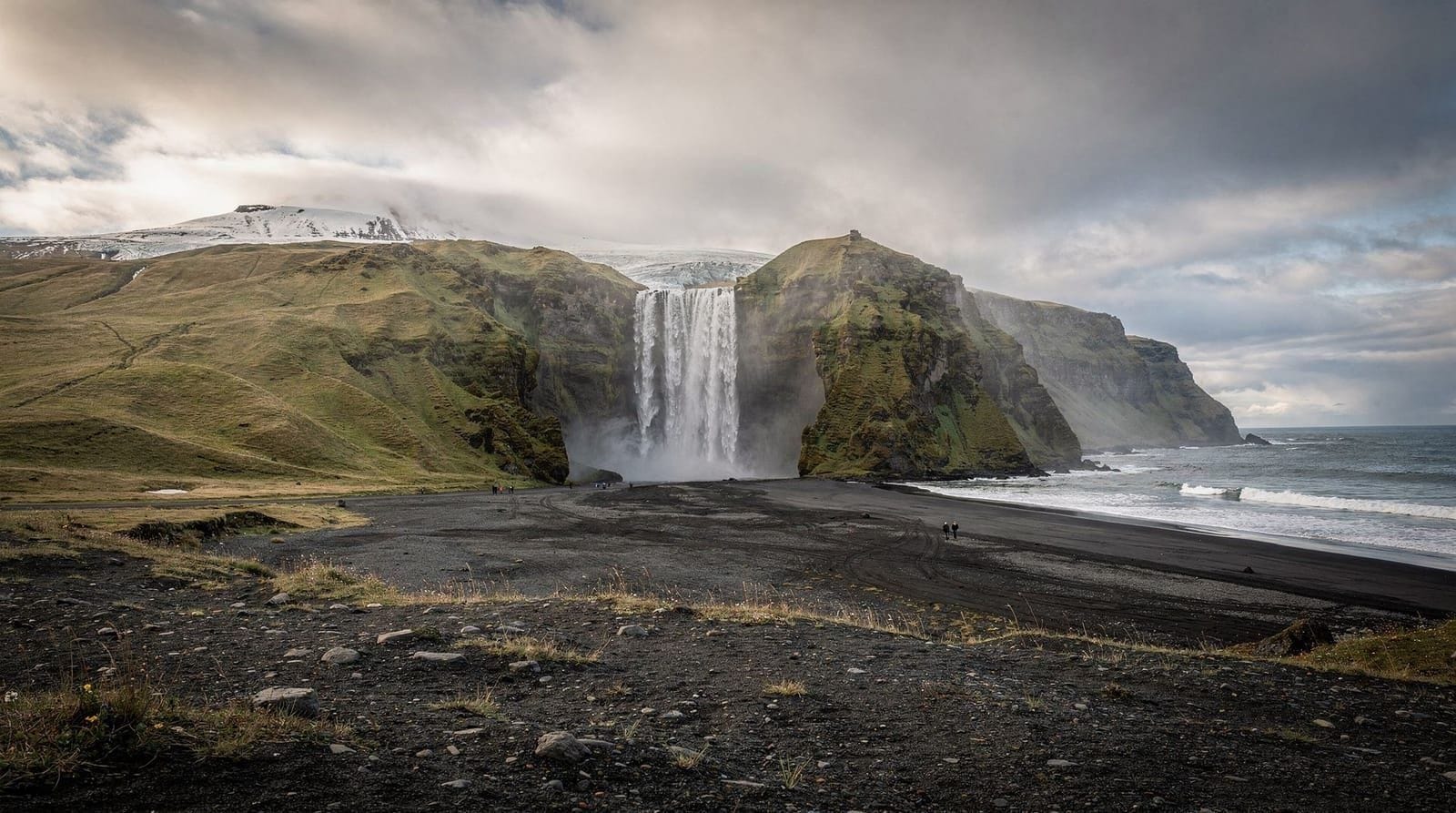
The 60 m curtain waterfall. Climb the 527 steps alongside it for the view up the Skógá valley. At the top, you’re at the start of the Fimmvörðuháls hiking trail to Þórsmörk — one of Iceland’s most dramatic multi-day routes. Day hikers can walk the first 2 hours for the crater and the view before returning.
In summer, the lower Skógar Folk Museum is worth a 30-minute walk-through for context on traditional Icelandic turf-house farming.
Sólheimajökull Glacier Hike
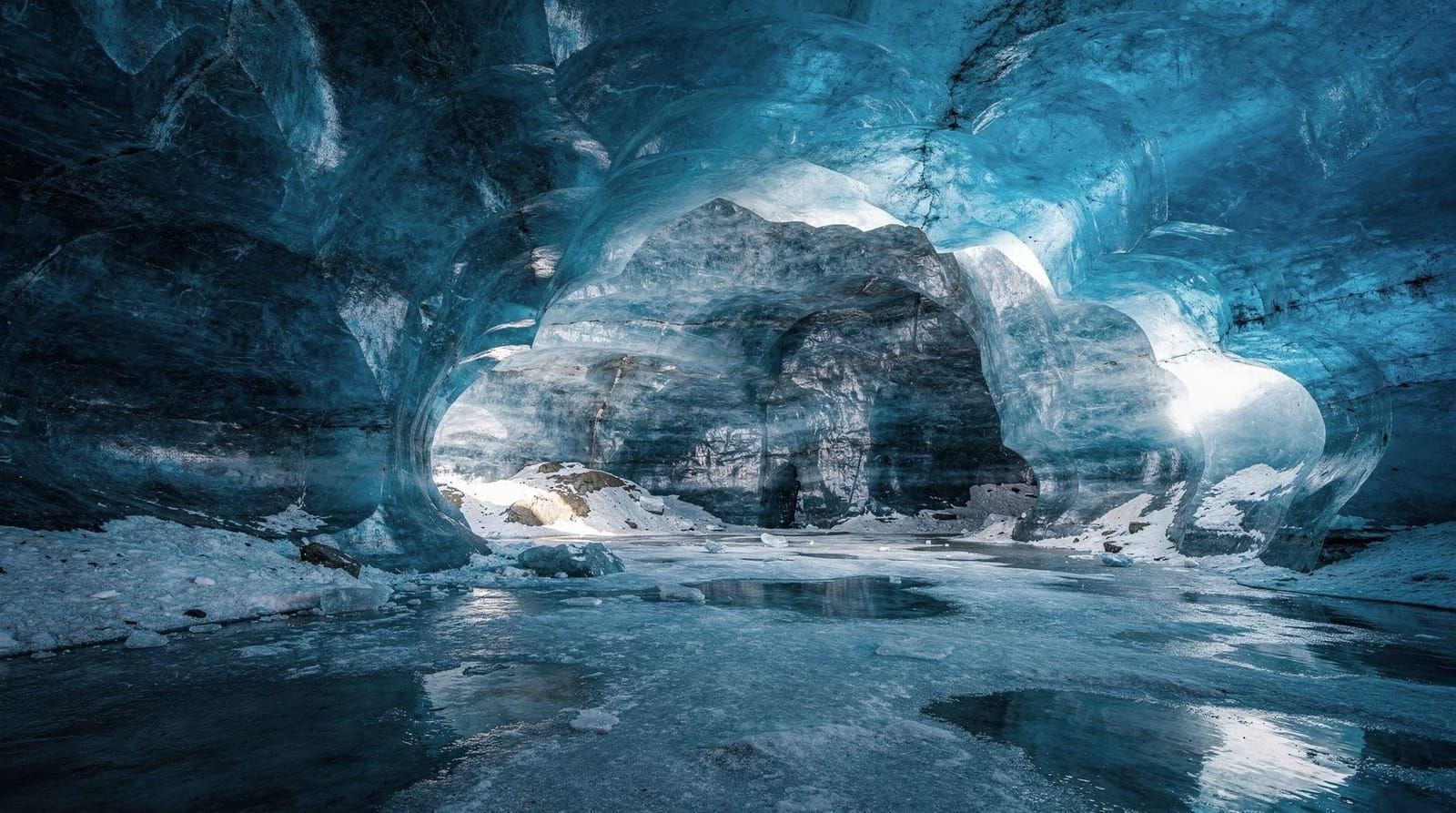
Summer glacier access is excellent: guided 2-hour hikes on Sólheimajökull with crampons and ice axes run all day from the carpark. The glacier surface in summer is clear blue ice, easier to walk and more varied in texture than winter. Book in advance; summer slots fill fast.
South Coast and glacier hike from ReykjavikSee glacier hikes and ice caves for booking guidance.
Dyrhólaey Puffin Colony
Dyrhólaey is a promontory 10 km west of Vík with an arch viewable from the beach and a lighthouse on top. From roughly late May to early August, puffins nest on the cliffs below the lighthouse in dense colonies. The partial road closure during nesting season (typically May 8 to approximately June 25) means the upper lighthouse road may be gated — check the national park website. The lower parking area remains accessible.
Summer afternoon light here (6–8 p.m.) with puffins in flight against the sea is outstanding.
Reynisfjara
The basalt cave (Hálsanefshellir) and hexagonal column stacks are the photography subjects. The beach is dangerous year-round — sneaker waves kill. Stay 30+ metres back from the water. The Reynisdrangar sea stacks offshore are at their most atmospheric in evening summer light.
Dinner in Vík, then drive back. Reach Reykjavik by 9:30–10 p.m.
Day 3: Landmannalaugar — The Highlands
Requires 4WD. July–mid-September only. Landmannalaugar is at ~600 m elevation in the central Highlands, reached via F208 (from the north or south) or F225 — both unpaved F-roads with river crossings that require a high-clearance 4WD.
This is the most unusual landscape in Iceland and the one that makes the country look genuinely alien: rhyolite mountains in shades of red, green, orange, and purple, sulphur vents steaming from the slopes, obsidian lava fields, and a natural geothermal pool at the mountain hut.
Drive from Reykjavik: 3 hours via the southern F225 route. Total roundtrip: ~350 km, depart 7 a.m.
If You Have a 2WD
Join a Super Jeep tour from Reykjavik — operators provide the vehicle and the driving, and the experience is identical.
Landmannalaugar full-day Super Jeep tour from ReykjavikThe Hike Options
Brennisteinsalda loop (2–3 hours, moderate): The most colourful mountain in Landmannalaugar. Sulphur vents on the summit, rhyolite ridges in vivid ochre and green, obsidian fields on the approach. This is the standard day hike.
Bláhnjúkur (3–4 hours, moderate-steep): The “Blue Peak” opposite Brennisteinsalda. A steeper climb with panoramic views of the entire Landmannalaugar area from the summit. On a clear day you can see Hekla volcano to the west.
Start of the Laugavegur trail: The 54 km multi-day trail to Þórsmörk begins at Landmannalaugar. Day hikers can walk the first section to the Hrafntinnusker ridge (3 hours out, 3 hours back) for the highland plateau experience without the full commitment.
The Geothermal Pool
At the mountain hut (Landmannalaugar hut), a natural hot spring runs into a shallow pool at the base of the lava field. It’s free to use; bring a swimsuit and towel. Water temperature varies by section from 35–45°C. Swim to the upstream end for the hottest water. This is what the Blue Lagoon costs €75 to replicate commercially.
Read the Highlands and Landmannalaugar destination guide for the full landscape context.
Return to Reykjavik by 8–9 p.m.
2WD Day 3 Alternative — Westman Islands (Vestmannaeyjar): Ferry from Landeyjahöfn (30 min south of Hvolsvöllur on Route 1). Ferries run several times daily in summer. The 1973 Eldfell eruption partially buried the town — the lava-buried houses and volcanic museum are extraordinary. The puffin colony (largest Atlantic puffin colony in the world, 8–10 million birds) is accessible by boat tour around the island cliffs. Return to mainland by 5 p.m. and drive back to Reykjavik.
Day 4: Snæfellsnes Peninsula
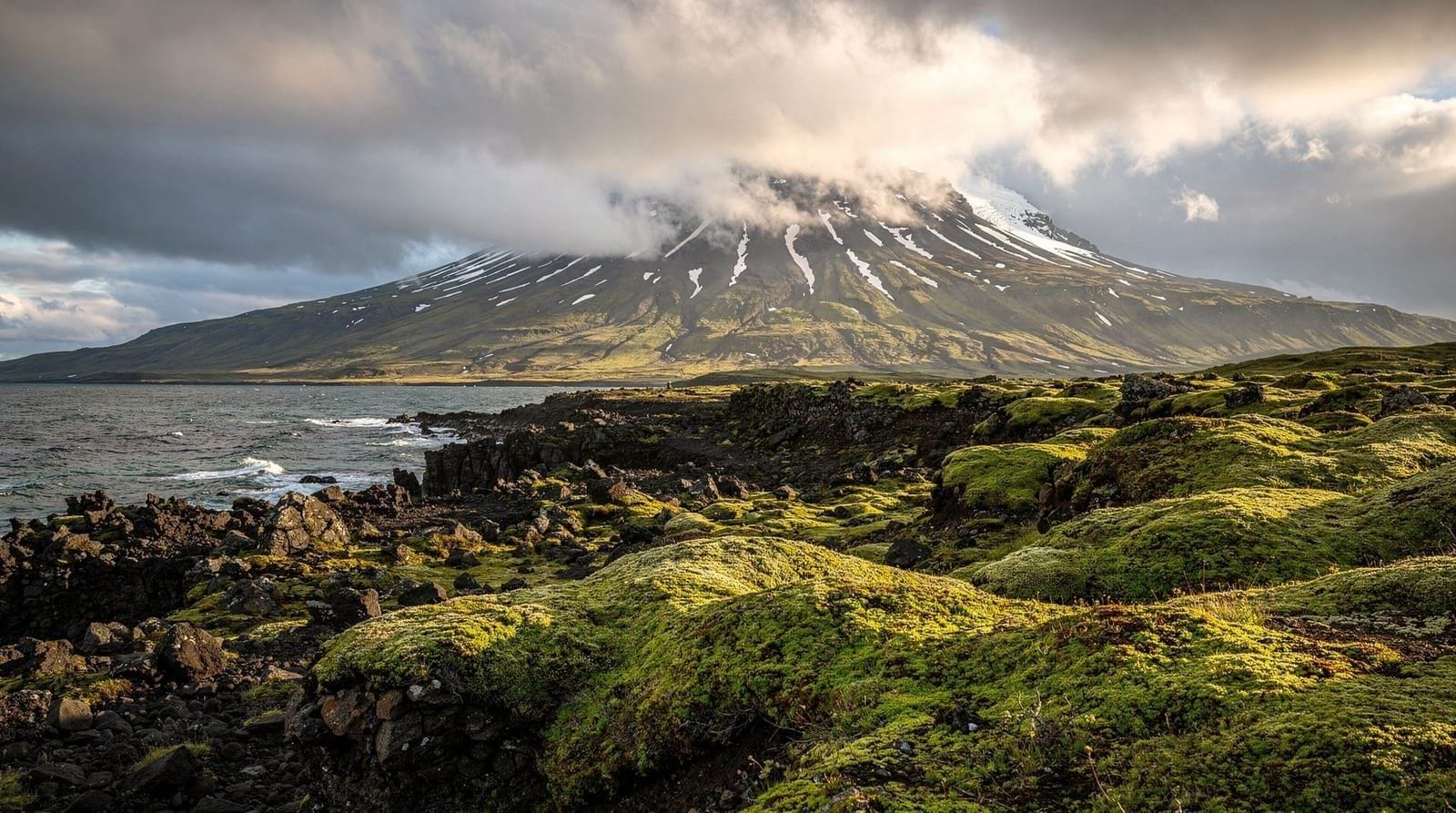
The Snæfellsnes Peninsula is at its best in summer: the glacier at the tip is snow-white, the wildflowers along the coastal walks are in bloom, and Kirkjufell mountain at 7–8 p.m. in summer golden light is one of the most photographed landscapes in Iceland.
Drive from Reykjavik: 2–2.5 hours northwest on Route 1 then Route 54.
Full loop from Reykjavik: ~270 km, 10–11 hours total. Depart 7:30–8 a.m.; return 8–9 p.m.
Kirkjufell and Kirkjufellsfoss
The mountain is recognisable worldwide from travel photography and the Game of Thrones filming. The composition is the mountain with Kirkjufellsfoss waterfall in the foreground. Arrive early (before 9 a.m.) for the best light and fewest people. Return in the late evening (after 7 p.m.) for the golden summer light — in July, this is around 9–10 p.m. and the mountain glows orange-red.
The summit hike (1.5–2 hours, moderate) is worth it for the panoramic view of the Snæfellsnes coastline.
Snæfellsjökull National Park
Djúpalónssandur: Black pebble beach with the rusted trawler wreck, four traditional lifting stones, and views of the glacier. 20-minute walk from the carpark.
Arnarstapi to Hellnar coastal walk: 2.5 km of basalt arch coastline with nesting seabirds. In summer, arctic terns, kittiwakes, fulmars, and the occasional puffin are visible from the path. Allow 1.5–2 hours for the return walk.
Vatnshellir lava cave: 8,000-year-old lava tube, guided tours every 45 minutes. Worth the €10 entry — the darkness and the geological formations are genuinely impressive.
For a guided tour without driving:
Reykjavik: Snæfellsnes Peninsula and Kirkjufell day tripSee the detailed Snæfellsnes day trip guide.
Icelandic horse riding: Multiple farms along the Snæfellsnes road offer rides in lava fields. The Icelandic horse’s tölt gait is unique to the breed. See Icelandic horse riding guide.
Return to Reykjavik by 8–9 p.m. Last evening in the city — midnight sun walk, final dinner.
Day 5: Golden Circle + Blue Lagoon Departure
A satisfying final day that covers the Golden Circle and ends at the Blue Lagoon before departure.
Depart 8 a.m. Route 36 from Reykjavik to Þingvellir takes 45 minutes.
Golden Circle
Þingvellir: The rift valley in summer is green and filled with wildflowers in the lower sections. The Öxará river is running well. Walk the Almannagjá gorge (45 min, free). In summer, the Silfra snorkelling tours run morning and afternoon slots.
Geysir and Gullfoss: Same spectacular stops as any season, with the advantage of longer daylight and better access to the surrounding walking trails. See Golden Circle complete guide.
Kerið crater (self-drive): 400 ISK / ~€3, 20 minutes. The 6,500-year-old caldera is especially vivid green and red in summer. See Golden Circle self-drive vs tour.
In summer, also worth considering: Secret Lagoon (Gamla Laugin, Flúðir, ~3,200 ISK / ~€21) on the return route. A natural geothermal pool in a village setting, far cheaper and less polished than the Blue Lagoon, and genuinely popular with locals.
Golden Circle midnight sun tour: If your flight is late tomorrow, you can do the Golden Circle in the evening — the Geysir area at 11 p.m. in June is almost entirely clear of visitors and the light is extraordinary. See Golden Circle midnight sun tour.
Blue Lagoon
The Blue Lagoon is 45 minutes from Reykjavik on Route 41 toward Keflavík airport. Book in advance. Summer advantage: the outdoor pool in warm air is pleasant rather than a contrast experience. The steam rises less dramatically than in winter, but the lava landscape is at its most atmospheric.
Comfort package ~€75; Premium ~€130. See Blue Lagoon complete guide.
Time your slot for 2.5–3 hours before your airport check-in needs to open. Drive from the lagoon to Keflavík: 15 minutes.
Airport logistics: Keflavík airport to Reykjavik.
Where to Stay
Central 101 Reykjavik covers Day 1 and Day 5 easily on foot; from Day 2 you’re on the road, so proximity to Route 1 (south out of the city) matters more than being next to Laugavegur specifically. Expect summer peak pricing: 25,000–40,000 ISK (~€170–270) a night for a central double, higher for anything with parking included. Book Vík accommodation (roughly 300 hotel rooms) at least 3–6 months ahead for a summer trip — it fills before most other stops on this route. See Iceland cost and budget guide for the wider accommodation picture.
Is This Itinerary Right for Families?
Landmannalaugar’s river crossings and unpaved F-roads make Day 3 the hardest day in this itinerary for young children — long drive, high-clearance vehicle, cold hiking terrain. Families with kids under about 8 are usually better off substituting the Westman Islands day (described above) or an extra South Coast/Snæfellsnes day, both easier logistically. See Iceland with kids for a fuller breakdown of which parts of a summer Highlands trip work at different ages, and getting around Iceland: car vs tours for the self-drive-vs-tour decision that matters most on Day 3.
Summer Practical Notes
Midnight sun dates: Sun technically doesn’t set June 17–25. Constant twilight May–mid-July and late July–early August. Genuine darkness returns in late August. See midnight sun in Iceland.
Sleep: Bring a sleeping mask. The room will be light at 3 a.m. unless the hotel has good blackout blinds (which many Icelandic accommodations do not). Budget accommodations often have thin curtains.
Crowds: Summer is peak season. Book accommodation 3–6 months ahead, especially in Vík (~300 hotel rooms), near Landmannalaugar (hut fills fast), and near Jökulsárlón. Glacier hikes at Sólheimajökull and Silfra snorkelling also sell out.
F-roads and 4WD: F-roads are only legal for 4WD vehicles. The Landmannalaugar route (F208 or F225) has river crossings. Rental companies specifically exclude F-road damage from standard insurance — check your policy. A 4WD with river-crossing insurance is the right rental for Day 3.
Budget: Summer is peak pricing for hotels and car rental. Expect 20,000–35,000 ISK (~€135–240) per day per person including accommodation, food, fuel, and activities. Full breakdown at Iceland cost and budget guide.
Best time within summer: Mid-June to mid-July for midnight sun + Landmannalaugar access. Late July–August for slightly fewer crowds and first hints of autumn colour in the highlands. See best time to visit Iceland.
Packing: Layers + waterproofs as always. Sunscreen matters more than most people expect — UV is stronger at high latitudes, especially on glaciers. See what to pack for Iceland.
Related Itineraries
Winter version of this trip: Iceland winter 4-day itinerary. Standard 5-day year-round plan (without Highlands): Reykjavik 5-day itinerary. Full 7-day circuit including Jökulsárlón: Iceland 7 days from Reykjavik.
Day-by-Day Summary
| Day | Focus | Key stops |
|---|---|---|
| Day 1 | Reykjavik + midnight sun | Hallgrímskirkja, Old Harbour, whale watching, midnight sun walk |
| Day 2 | South Coast | Seljalandsfoss, Gljúfrabúi, Skógafoss, Sólheimajökull, Dyrhólaey puffins, Reynisfjara |
| Day 3 | Landmannalaugar Highlands | Brennisteinsalda or Bláhnjúkur hike, geothermal pool (or Westman Islands alternative) |
| Day 4 | Snæfellsnes Peninsula | Kirkjufell, Djúpalónssandur, Arnarstapi–Hellnar walk, Vatnshellir cave |
| Day 5 | Golden Circle + Blue Lagoon | Þingvellir, Geysir, Gullfoss, Kerið, Blue Lagoon before departure |
Top experiences
Bookable activities with verified prices and instant confirmation on GetYourGuide.