Best Time to Visit Iceland: Honest Month-by-Month Breakdown
From Reykjavik: Northern Lights Tour with Lifetime Guarantee
When is the best time to visit Iceland?
There is no single best time — it depends entirely on what you want. July gives maximum daylight and all access, but costs and crowds peak. September to October offers Northern Lights, autumn colours, and 30% lower prices. Winter (December to February) is the best for Northern Lights and ice caves, with minimal daylight. All seasons work; each involves trade-offs.
There is no universally best time
Every month in Iceland has something real to offer and something to accept as a compromise. This guide works through each season honestly, so you can match your priorities to the calendar rather than chasing a “best month” that does not apply to your particular trip.
The key variables are: daylight hours, Northern Lights availability, F-road access for the Highlands, ice cave conditions, crowd levels, and prices. Each of these peaks at different points in the year.
| Best for lights | November-January (peak dark hours) |
| Best for access | June-August (F-roads, all tours open) |
| Best value | November-February excl. Christmas week |
| Booking lead time | 2-4 months ahead for July, 2-4 weeks for winter |
| Pack for | Rain and wind in every season, regardless of forecast |
Spring: March, April, May
Daylight: March starts at 12 hours and grows rapidly. By May, Iceland has 17-18 hours of usable daylight.
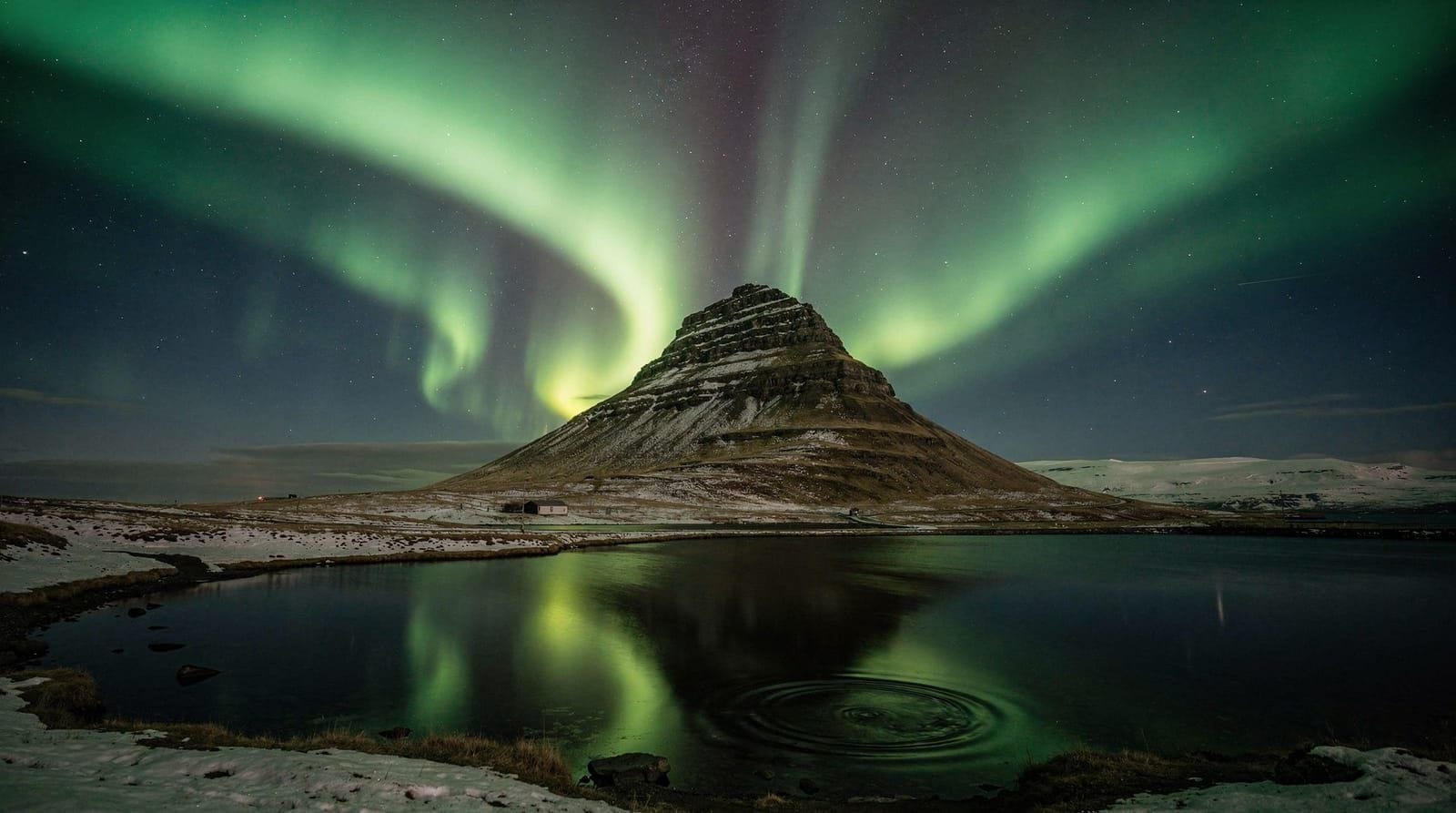
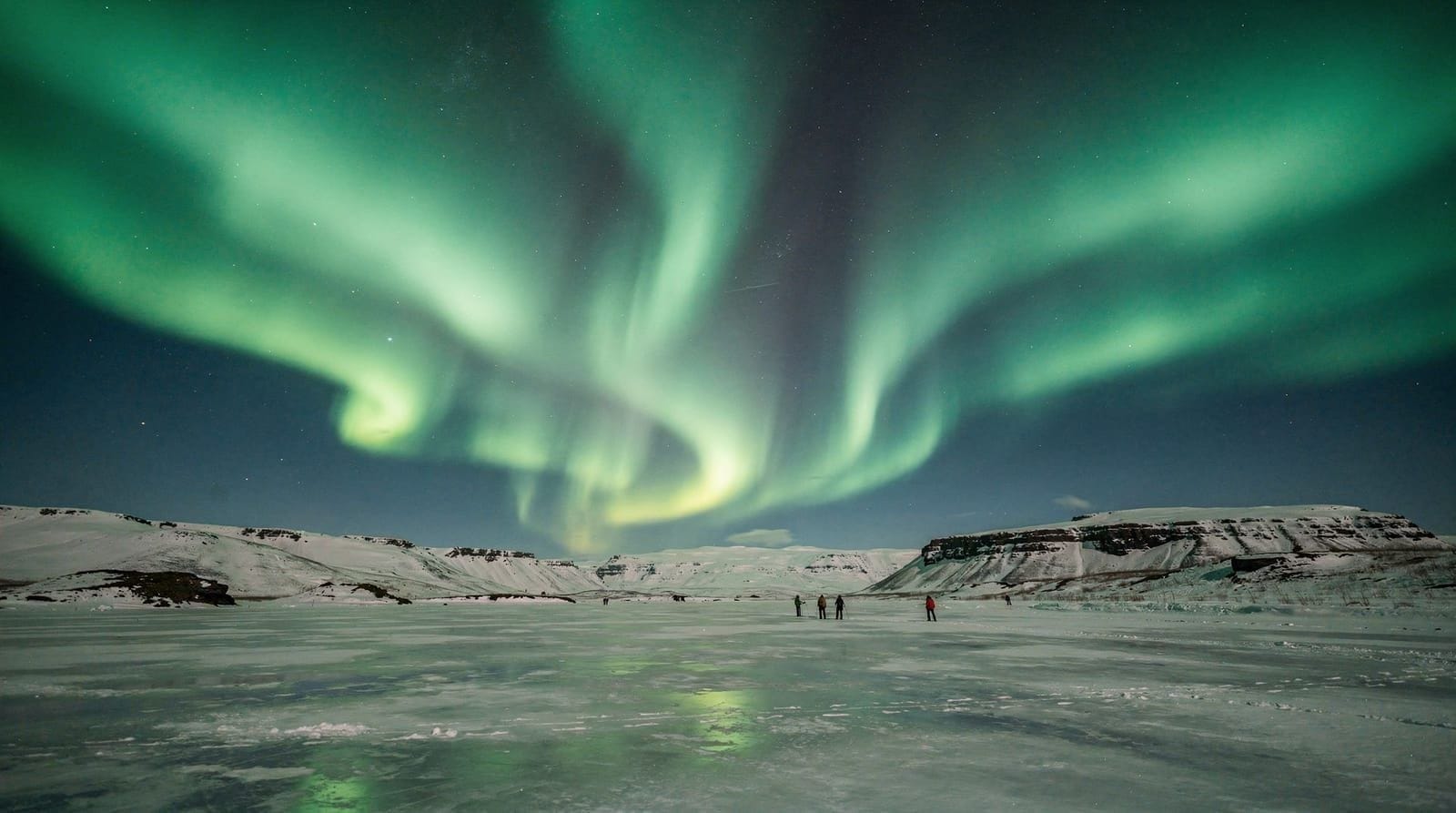
Northern Lights: The season runs until approximately April 20-25, when nights become too bright for aurora viewing. March can deliver dramatic Northern Lights displays, particularly in years of high solar activity.
What’s open: Virtually all tours and attractions operate. The South Coast, Golden Circle, Blue Lagoon, and whale watching are fully running. Highlands F-roads remain closed until mid-June at the earliest.
Weather: Cold and variable in March-April. May is milder (average 9-12°C) and one of the most pleasant months for hiking. Snow cover in the Highlands persists into May.
Crowds and prices: Moderate. Spring is a shoulder season. Accommodation prices are lower than summer peak, particularly in April before Easter crowds.
Best for: Northern Lights early in the season (March), uncrowded landscapes, good photography light (low sun angles in early spring), reasonable prices.
Summer: June, July, August
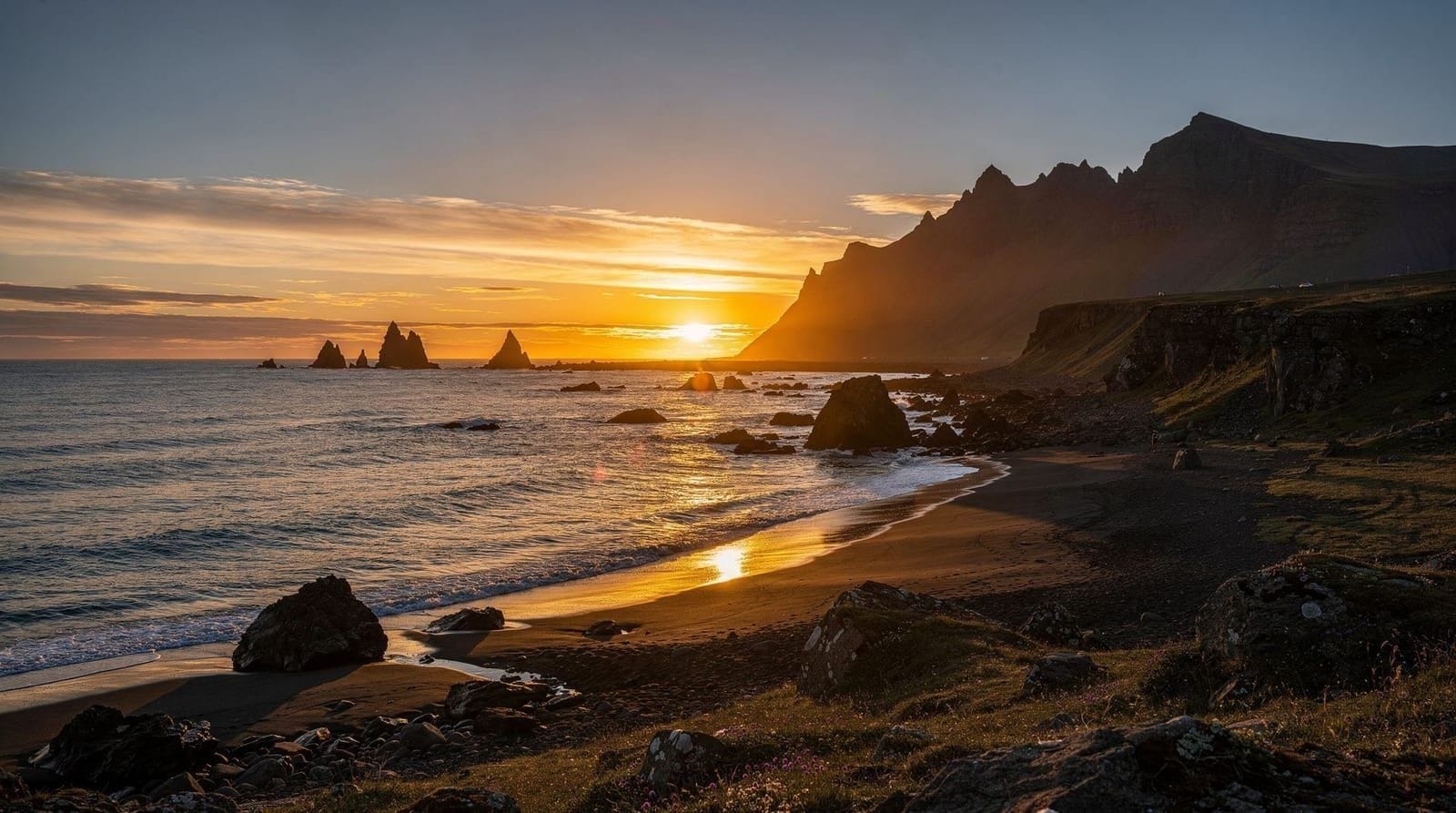
Daylight: The longest days. The sun barely sets around June 21, giving effectively 24-hour light. Useful daylight extends well past midnight through most of June and July. August begins to shorten, with real darkness returning by late August.
Northern Lights: Not visible June through mid-August. The midnight sun prevents aurora observation.
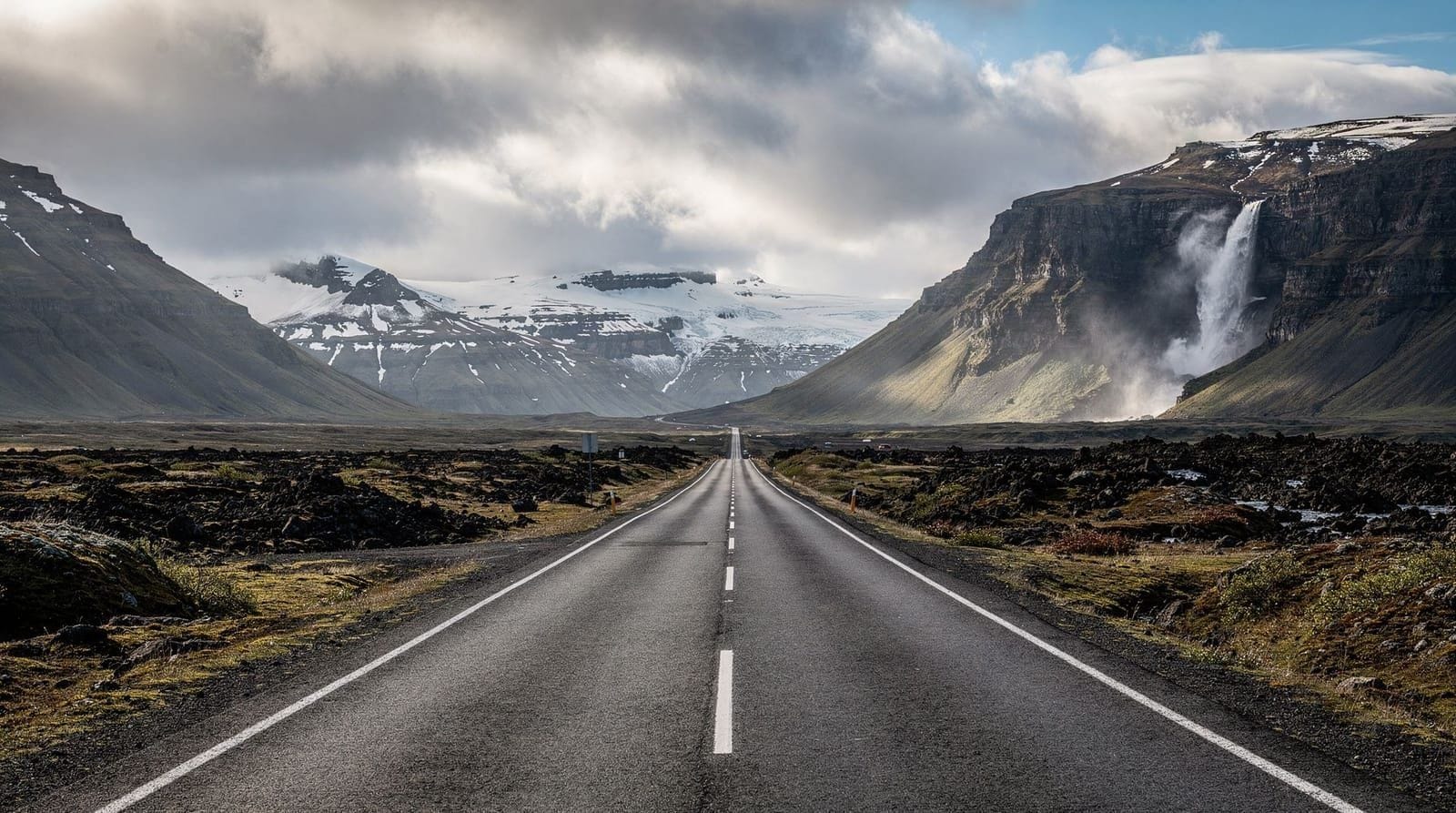
F-roads: Open from approximately mid-June. This is the only season for the Highlands (Landmannalaugar, Thorsmork, the Kjolur route). F-roads close again in early to mid-September depending on first snowfall.
What’s open: Everything. Summer is Iceland’s maximum-access season. Rafting, puffin watching (June-August), all glacier hikes, all day tours, lava hiking in the Westfjords, camping.
Weather: The most reliable window, but not warm by European standards. Average July high is 13°C in Reykjavik; the Highlands and coastal areas are cooler. Rain remains a constant possibility.
Crowds and prices: Peak season. July is the single most crowded month. Waterfalls like Seljalandsfoss have queues for the cave walk. Tour departures are full. Hotel prices peak. Book accommodation 3-4 months ahead for July.
Best for: Midnight sun experience, Highlands access, maximum tour availability, puffin watching, longest active days.
Golden Circle midnight sun evening tourFor everything about the midnight sun, see midnight sun in Iceland.
Autumn: September, October
Daylight: September starts at 13 hours and falls to around 10-11 hours by end of October. Enough light for day trips, with genuine dark evenings.
Northern Lights: The season begins as soon as the nights darken in mid-September. September and October can deliver clear aurora nights, though the sky must be cloud-free. Solar activity is a second variable — the Icelandic Met Office aurora forecast updates every 3 hours.
F-roads: Open into September but begin closing with first snowfall. The closing date varies by year — F-roads can close as early as mid-September in bad years. Check road.is.
Weather: Changeable. Early September can feel like a warm continuation of summer. October brings more rain, lower temperatures (average 5-9°C), and first snow on higher ground. Autumn colours (purple heather, turning grasses, golden birch) peak in September-early October.
Crowds and prices: Significantly lower than summer. Many visitors overestimate shoulder season crowding — September is popular but accessible without the peak-season pressure. Accommodation prices typically drop 15-25% from August.
Best for: Northern Lights combined with day access, autumn colours, lower prices, reduced crowds, final F-road window, good balance of light and dark.
Winter: November, December, January, February
Daylight: Iceland’s darkest months. December in Reykjavik gets 4-5 hours of usable daylight. The sun rises at 11:30 and sets by 15:30. This concentrates touring into a short midday window.
Northern Lights: The peak season. November to January offers up to 18-20 hours of dark sky each night. The challenge is cloud cover — Iceland’s weather is unpredictable and clear nights are not guaranteed. Tour operators with “lifetime guarantee” re-book policies help manage this. See best Northern Lights tours from Reykjavik and the Northern Lights season guide.
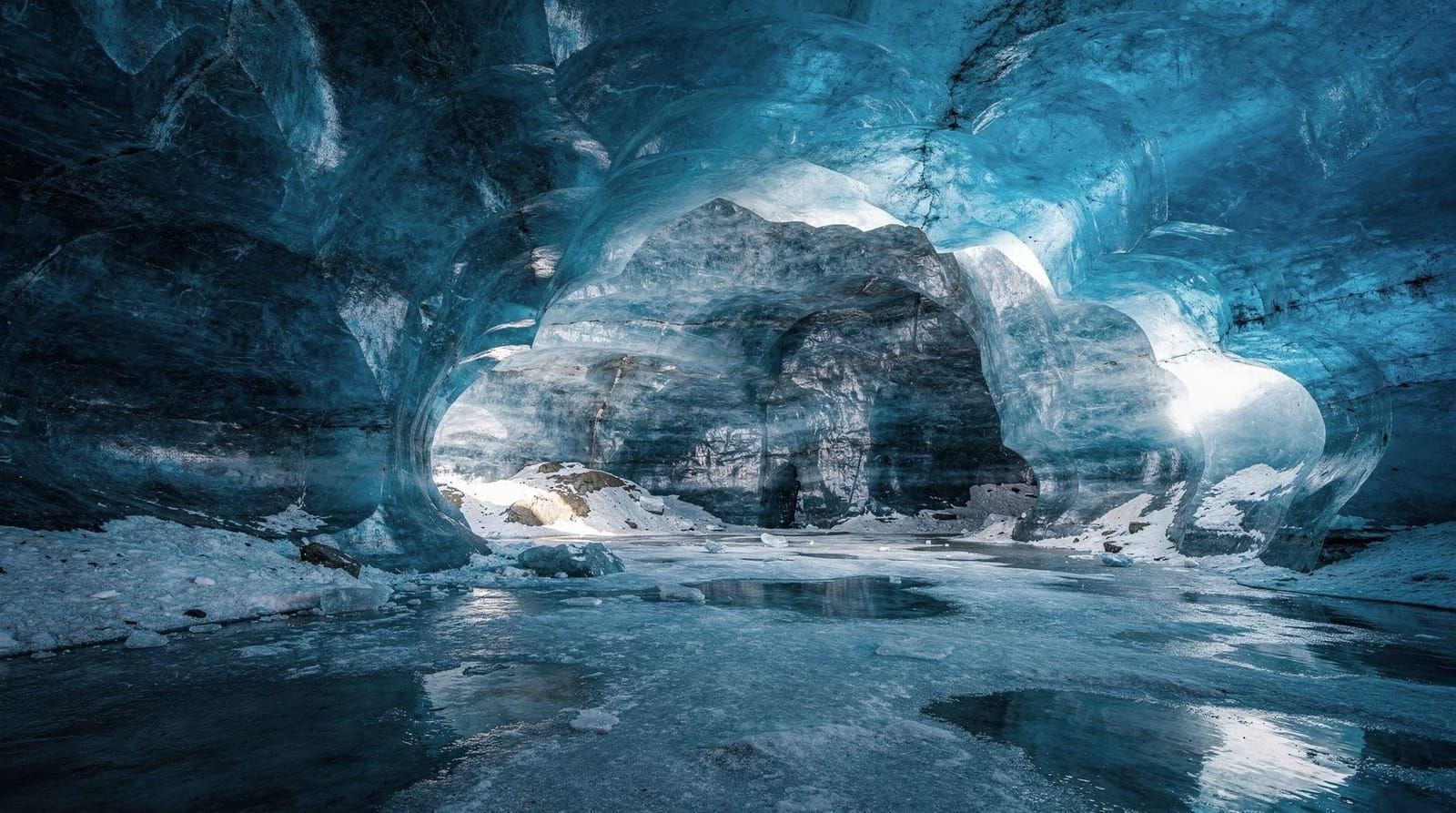
Ice caves: Natural ice cave tours inside Vatnajokull glacier operate November through March. This is an exclusively winter-season experience, genuinely spectacular, and sells out weeks in advance. See glacier hikes and ice caves guide.
F-roads: Fully closed. The Highlands are inaccessible in winter.
Weather: Cold (Reykjavik average 0-3°C), windy, and frequently snowy. Driving requires a 4x4 and confidence in winter road conditions. See getting around Iceland: car vs tours.
Crowds and prices: Lowest of the year (excluding Christmas week, which peaks sharply). Hotel prices can be 30-40% lower than summer. Flight prices drop significantly from European cities. Reykjavik itself is lively through winter with cultural events and festive markets in December.
Best for: Northern Lights, ice caves, lowest prices, snow photography, Christmas atmosphere in Reykjavik.
Northern Lights tour with lifetime guaranteeMonth-by-month at a glance
| Month | Daylight | NL visible | F-roads | Ice caves | Crowd level | Relative price |
|---|---|---|---|---|---|---|
| January | 5h | Yes (peak) | No | Yes | Low | Low |
| February | 8h | Yes | No | Yes | Low | Low |
| March | 12h | Yes | No | Closing | Moderate | Moderate |
| April | 15h | Until ~Apr 20 | No | Closed | Moderate | Moderate |
| May | 18h | No | No | Closed | Moderate | Moderate-high |
| June | 22h+ | No | Opening | Closed | High | High |
| July | 24h | No | Yes | Closed | Peak | Peak |
| August | 18h | No | Yes | Closed | High | High |
| September | 13h | From mid-Sep | Closing | Closed | Moderate | Moderate |
| October | 10h | Yes | No | Closed | Low-moderate | Moderate-low |
| November | 6h | Yes | No | Opening | Low | Low |
| December | 4-5h | Yes (peak) | No | Yes | Low (exc. Xmas) | Low |
How seasonal conditions affect specific activities
Glacier hikes: Operate year-round on Sólheimajökull and Vatnajokull, but conditions differ. Summer hikes are safer for beginners — more stable ice surface, longer daylight, warmer base temperatures. Winter hikes are shorter (limited daylight), colder, and sometimes closed after heavy snowfall, but the ice is often bluer and the scenery more dramatic. See glacier hikes and ice caves for the full breakdown.
Silfra snorkeling and diving: The water temperature in Silfra fissure stays 2-4°C year-round — it changes by perhaps 1 degree between summer and winter. The experience is essentially the same in any season. Summer brings more competitors for tour spots; winter is less crowded.
Horse riding: Icelandic horse riding operates year-round. Summer offers longer rides with pleasant weather; winter provides the dramatic backdrop of snow-covered lava fields. See Icelandic horse riding guide.
Reykjanes Peninsula and volcanic activity: The ongoing Reykjanes volcanic eruptions (active since 2021) are a seasonal-independent factor. Check the Icelandic Met Office and road.is for current eruption status and any road or access restrictions before travelling to Blue Lagoon Reykjanes or the Reykjanes volcano guide.
Blue Lagoon and Sky Lagoon: Both open year-round. Summer brings outdoor bathing in long daylight; winter brings Northern Lights potential overhead in the evening. See Blue Lagoon complete guide and Sky Lagoon guide.
What weather to realistically expect in each season
Iceland’s weather is notoriously unpredictable, but some patterns hold.
Summer (June-August): Average Reykjavik high of 11-14°C. Rain is frequent but showers tend to be short. Wind is the more consistent issue — 20-30 km/h gusts are normal. Snow is absent at sea level. Highlands temperatures are 5-10°C lower.
Autumn (September-October): Average 6-10°C. More sustained rainfall and wind. First snow on highland peaks by October. Serious storm systems become more frequent in October.
Winter (November-February): Average 0-3°C in Reykjavik, often feels colder due to wind. Snow and ice on roads are normal from November. Blizzards occur but the main roads are ploughed quickly. Coastal areas stay milder than inland.
Spring (March-May): Variable. March can deliver both winter-style blizzards and mild sunny days in the same week. May is often pleasant with warming temperatures and snow melt transforming the rivers and waterfalls to full flow.
The honest summary: pack for rain and wind in every season, and treat any warm sunny day as a bonus rather than an expectation.
Matching the calendar to your specific priority
If you have to pick one variable to optimise around, it’s worth being honest with yourself about which one actually matters most for your trip. Travellers chasing the Northern Lights specifically should weight November-January heavily and accept the short daylight hours as the cost of that priority. Travellers who most want to see the Highlands or drive the full Ring Road should treat mid-June to early September as close to non-negotiable, since no amount of trip planning gets around F-roads being physically closed outside that window. Trying to optimise for both aurora and Highlands access in one trip simply isn’t possible — they occupy opposite ends of the calendar.
Booking strategy for an unpredictable climate
Because Iceland’s weather cannot be forecast reliably more than a week or two out, the honest booking strategy is to lock in accommodation and flights early (prices, not weather, are the driver there) while staying flexible on day-to-day activity choices once you land. For weather-dependent bookings — Northern Lights tours, glacier boat trips, whale watching — book at least the outbound date early but confirm you have a free-reschedule or retry policy, since the operator has better real-time forecasting than you do from home.
Travellers chasing a specific target (midnight sun, a particular Northern Lights display, a stable ice cave visit) should build 1-2 extra buffer nights into the trip rather than a single-shot itinerary. A 7-night trip with two flexible evenings has meaningfully better odds of a clear-sky Northern Lights sighting than a 4-night trip with none. See the Iceland 7-day itinerary from Reykjavik for how that buffer fits a realistic schedule, or the shorter Reykjavik weekend itinerary if your trip is genuinely time-boxed.
Practical itinerary links by season
- Winter trip: Iceland winter 4-day itinerary
- Summer trip: Iceland summer 5-day itinerary
- Full 7-day itinerary: Iceland 7-day from Reykjavik
- Short Reykjavik break: Reykjavik 3-day itinerary
Frequently asked questions about the best time to visit Iceland
Which month is best for seeing the Northern Lights?
November to January offers the peak: up to 18-20 hours of dark sky per night. Clear skies are the second variable — cloud cover blocks the aurora regardless of solar activity. Check the Icelandic Met Office forecast. The window is September through April.
When can you drive Highlands F-roads?
Approximately mid-June to early September, varying by year. F-roads are closed outside this window. Check road.is for current opening dates.
What is the midnight sun and when does it happen?
Around the summer solstice (late June), Iceland has effectively 24-hour daylight. The midnight sun period runs late May to mid-July. For full details, see midnight sun in Iceland.
Is Iceland worth visiting in winter?
Yes — Northern Lights, ice caves, snow landscapes, and significantly lower prices make it a strong choice for the right traveller. Short daylight hours (4-6 hours in December-January) and winter driving conditions are the trade-offs.
When are ice caves open in Iceland?
Natural ice caves inside Vatnajokull are safe to visit only November through March when the ice is stable. Artificial tunnels (Into the Glacier on Langjokull) operate year-round.
What is the cheapest time to visit?
November to February outside Christmas week offers the lowest flight and hotel prices. Hotels drop 20-30% compared to July-August peak.
Can you go whale watching year-round?
Yes. Whale watching from Reykjavik operates year-round with different species by season. Humpbacks are most common June-August. See whale watching Reykjavik.
Top experiences
Bookable activities with verified prices and instant confirmation on GetYourGuide.