Icelandic Horse Riding: What to Expect on Tour
From Reykjavík: Icelandic Horse Riding Tour in Lava Fields
Duration: category: horse-riding
Do I need riding experience for an Icelandic horse tour?
No. The Icelandic horse is exceptionally calm and suitable for complete beginners. Most tours near Reykjavik are 1-2 hours on flat terrain designed for riders with no experience. You will walk and possibly tolt — not gallop.
The Icelandic horse: genuinely different
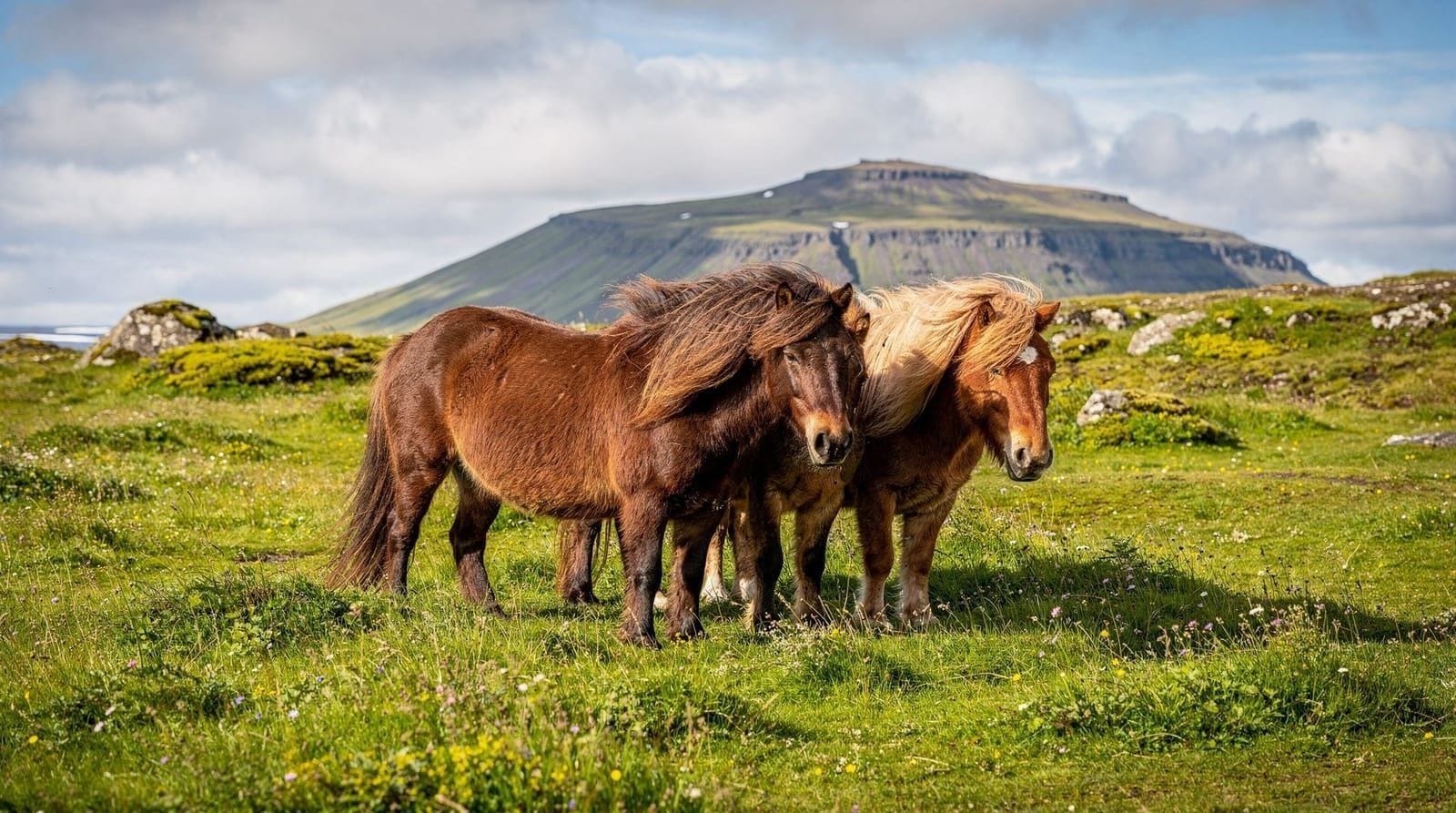
The Icelandic horse is a distinct breed that has been isolated in Iceland for over 1,000 years. When Viking settlers arrived in the 9th century they brought horses with them; Iceland subsequently banned the importation of horses to protect against disease. The result of 1,100 years of isolated breeding is an animal with a unique genetic profile and a gait no other horse breed possesses in the same form.
That gait is the tolt. Unlike the jarring trot of most horse breeds — the gait that makes inexperienced riders bounce painfully — the tolt is a four-beat ambling gait where the horse always has at least one hoof on the ground. The result is smooth horizontal movement. You can tolt with a cup of coffee in your hand and not spill it, as Icelandic guides like to demonstrate. For new riders this is transformative: instead of gripping for dear life at a trot, you glide.
The horses are also smaller than most breeds — typically 130-145 cm at the shoulder. This makes mounting easier and the distance to the ground less intimidating. But do not confuse small with weak: these horses carry adults across lava fields and volcanic terrain in conditions that would challenge larger horses.
They are also very calm. The combination of isolation (no predators in Iceland’s horse population for centuries), consistent human handling, and careful breeding has produced animals that startle rarely and work well with inexperienced riders.
| Where | Farms near Reykjavik (lava fields south of the city, Reykjanes, or east toward Selfoss) |
| Cost | Around ISK 12,000-18,000 for a 1.5-2hr beginner tour |
| Time needed | 1.5-3hrs including farm time; combo tours 8-10hrs |
| Getting there | Hotel pickup usually included; self-drive also possible |
| Best for | Complete beginners, families from about age 6-8 up |
What a typical tour looks like
A standard beginner horse riding tour from Reykjavik runs 1.5-2 hours and includes time at the farm before and after riding. On arrival you meet the horses, receive a brief on Icelandic horse behaviour, and are fitted with a helmet. The guide assesses your experience level and matches you with an appropriate horse.
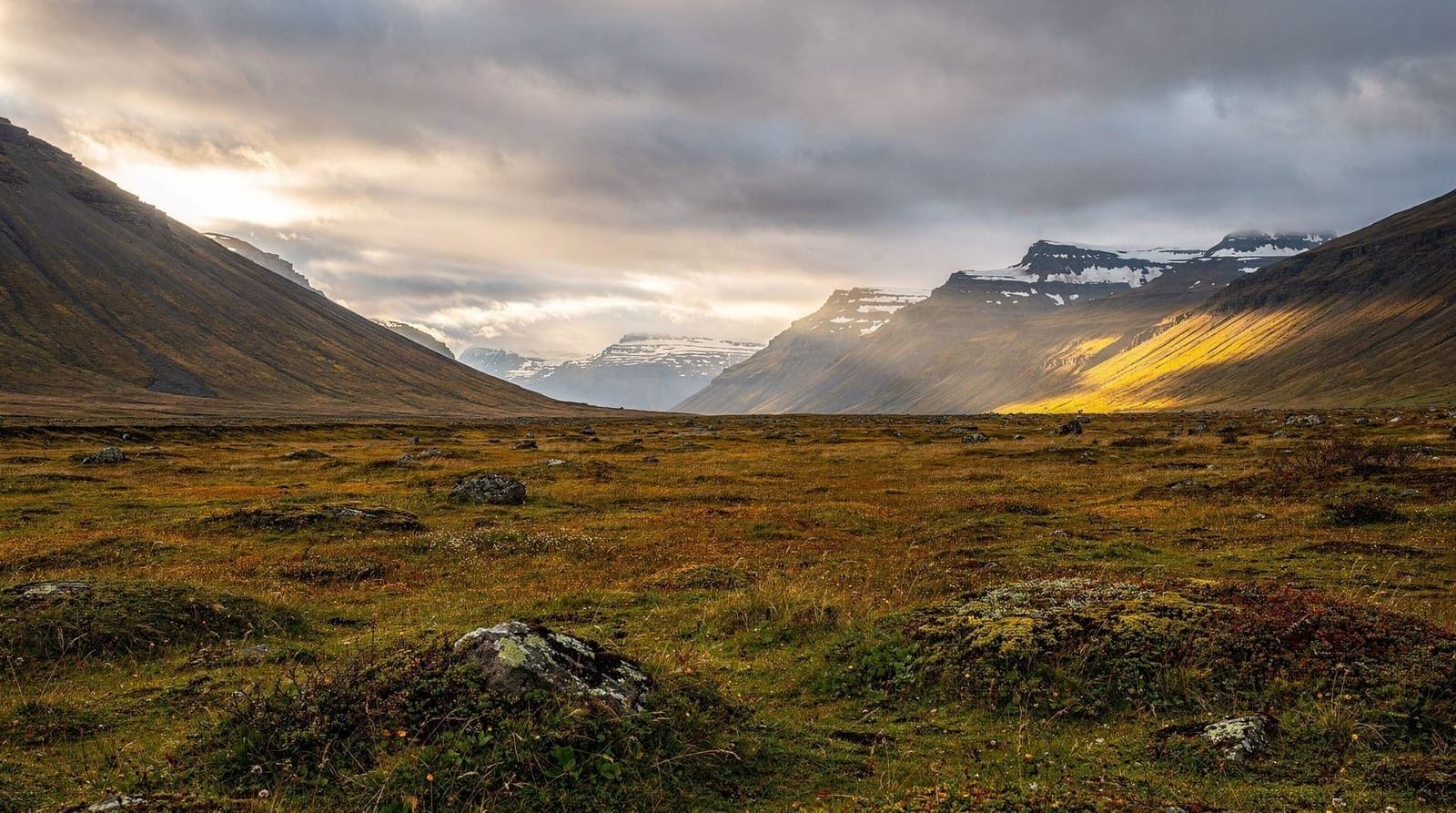
The ride itself crosses lava fields, coastal heath, or farmland depending on the farm’s location. Most tours near Reykjavik use the mossy lava fields of the Reykjanes peninsula or the open heath east of the city — terrain that is flat enough for beginners but visually interesting.
You start at a walk. Once the guide is confident everyone is comfortable, the group moves to tolt. In a good tolt you can look around, take photographs (from your phone rather than a camera, which is harder to manage), and actually notice the landscape rather than focusing on not falling off.
Longer tours (3-4 hours) and full-day tours including the Golden Circle exist for more experienced riders who want to cover real distance.
Reykjavik: Horse Riding Tours in Volcanic LandscapeRules about importing horses
Iceland enforces some of the strictest biosecurity rules in the world regarding horses. If you have ridden horses in another country in the previous 14 days (requirements vary), you may need to declare this. More practically: riding equipment (boots, gloves, helmets, chaps) that has been in contact with horses abroad must be professionally cleaned and certified before entering Iceland.
Most tourists are not affected by this — if you are only riding in Iceland and not bringing your own equipment, there is nothing to worry about. But if you are a regular rider who plans to bring your own gear, research current requirements from the Icelandic Food and Veterinary Authority before travelling.
The tolt in practice: what beginners experience
Most beginner riders are nervous about the tolt because it sounds fast. In practice, tour tolts are comfortable. The guide sets the pace; the horse follows the group; the gait is smoother than a trot at the same speed.
Common beginner concerns, addressed honestly:
Will I fall off? Rarely. Icelandic horses are exceptionally stable and the tolt is the most secure gait for inexperienced riders. Falls happen on longer, faster tours when riders become complacent, not on beginner walks.
What if the horse is too big? Icelandic horses are small. Mounting is not difficult. The saddle is comfortable for adults up to approximately 110 kg.
Will it be cold? Yes, probably. Wind on the lava fields is real. Waterproofs and layers are essential — see the Iceland packing guide for layering advice.
How do I control the horse? Brief instruction is given at the farm. The guide also leads the group; horses tend to follow each other. You steer with light rein pressure and body weight. No experience is needed.
Tours that combine horse riding with the Golden Circle
Several operators combine a morning of horse riding with an afternoon on the Golden Circle. This is an efficient way to include horse riding in a limited itinerary without dedicating an entire day to the farm.
The combination tours typically run 8-10 hours, with 1.5-2 hours of riding early in the day and then the main Golden Circle stops (Þingvellir, Geysir, Gullfoss) in the afternoon. The Iceland 5-day summer itinerary includes a horse riding half-day.
Viking Horse and Golden Circle Combo TourThe five gaits: what makes Icelandic horses exceptional
Most horse breeds are gaited in three ways: walk, trot, canter. The Icelandic horse is a five-gaited breed, which is part of its distinctiveness. The two extra gaits are the tolt (described above) and the flying pace (skeið).
The flying pace is used in racing and is not a beginner gait. The horse reaches speeds of up to 45 km/h in a two-beat lateral gait where both legs on the same side move simultaneously. It is extremely fast, very rough to ride, and genuinely thrilling to watch. You will not experience it on a beginner tour.
The trot is technically in the Icelandic horse’s repertoire but most riders never encounter it on a guided tour. The tolt renders the trot largely unnecessary for recreational riding.
This genetic profile — five gaits, calm temperament, unusual strength for its size — is the result of over 1,000 years of isolated breeding. Iceland’s harsh winters and limited fodder selected for animals that could survive on poor pasture and remain manageable under stress. The result is an extraordinarily practical animal that also happens to be exceptionally pleasant to ride.
Horse riding near specific Reykjavik landmarks
Most horse farms are close enough to Reykjavik to combine with a city day. The lava field farms south of the city are within 20 minutes of the Reykjavik city centre. A morning horse ride can be finished by noon, leaving the afternoon for the Blue Lagoon on the same road south, or returning to Reykjavik for the afternoon. Some operators bundle the two directly, such as the Horses and Spa riding tour and spa combo from Reykjavik, which pairs the ride with a geothermal soak in a single booking.
For those staying in Reykjavik without a car, farms that offer hotel pickup are the practical choice. Many operators include pickup from central Reykjavik hotels in the tour price — confirm when booking. The Reykjavik 3-day itinerary places horse riding as a morning activity on day 3 before returning for the city.
Horse farms near Reykjavik: what to look for
The farms nearest to Reykjavik are in the lava fields south of the city toward Hafnarfjordur. These offer shorter drives (15-20 minutes) and tours that cover the distinctive black lava terrain, such as the Reykjavik Red Lava horse riding tour, which rides directly through the black lava fields. Other farms are on the Reykjanes peninsula and in the countryside east toward Selfoss.
Things that indicate a good operator:
- Horses that are calm and well-handled before the ride starts
- Helmets provided as standard and in good condition
- Guides who assess rider experience before assigning horses
- A maximum group size (large groups means less individual attention)
- A safety briefing that takes more than 2 minutes
Be cautious of extremely cheap tours — the horses’ welfare and rider safety both correlate with what operators invest in their animals and training.
In winter, tours of 1-2 hours on the lava fields remain available. The horses are exceptionally cold-adapted — they have evolved in Iceland’s harsh subarctic climate and grow thick winter coats. Riding on lava fields in light snow, with the geothermal steam of Reykjanes visible in the distance, is one of Iceland’s quieter but genuinely memorable experiences.
Horse Riding and Golden Circle Full Day TourWhat to wear and bring
Dress as if for a cold, breezy hike, not for a stable visit at home. Waterproof trousers or thick jeans, a warm mid-layer, a windproof and waterproof outer shell, gloves, and sturdy closed-toe shoes or boots with a small heel (trainers work but boots are better) cover most tours year-round. Farms provide helmets, and some provide waterproof overtrousers, but do not assume this without checking when booking. Sunglasses help in summer’s low-angle light and winter’s snow glare alike. Bring your phone rather than a bulky camera for photos from horseback — see the note above on managing gear while riding.
What a tour costs and whether it is worth it
A standard 1.5-2 hour beginner tour from a Reykjavik-area farm typically runs around ISK 12,000-18,000 per person, including hotel pickup, helmet, and farm time before and after the ride. Combination tours pairing a morning ride with a full Golden Circle day cost more, reflecting the extra hours and driving distance, but replace a separate half-day activity. Compared with many Iceland activities, horse riding is moderately priced for the time involved, and reviews consistently rate the tolt experience itself as the highlight — the value proposition holds up well against pricier one-off activities like glacier hikes for travellers who want a calmer, still-memorable few hours.
Choosing between farms and tour lengths
Shorter 1-1.5 hour tours suit families with young children or travellers short on time; they cover enough ground to experience the tolt properly without demanding stamina. Longer 2-3 hour tours suit travellers who want to actually cover distance across lava fields or coastline and are comfortable in the saddle for longer. Full-day combination tours make sense primarily for travellers who have not budgeted a separate day for the Golden Circle and want to fit both into one busy but efficient day. For a first Iceland trip without much spare time, see the Iceland first-timer guide for how horse riding typically slots into a broader schedule.
Frequently asked questions about Icelandic horse riding tours
Is the Icelandic horse a pony?
No. Despite its size (130-145 cm at the shoulder), it is classified as a horse by Icelandic breeders and the international equestrian community. Calling it a pony to an Icelander is considered somewhat rude. It is strong enough to carry adults across rough terrain all day.
Can complete beginners tolt?
Yes. In a properly paced group tour, beginners learn the basics of the tolt within 10-15 minutes of walking. The guide sets the pace, the horse follows the group, and the smooth gait makes the transition natural. Expect to tolt on any beginner tour.
What if I am afraid of horses?
Icelandic horses are unusually calm and good with nervous riders. Most operators are experienced at introducing fearful beginners. Tell the guide before the tour — they will choose a particularly calm horse and walk beside you. Arriving with fear and leaving comfortable is common.
How should I book horse riding in Iceland?
Book at least 1 week ahead in summer. Most farms near Reykjavik offer daily departures. Some offer hotel pickup from central Reykjavik; others require self-driving. Confirm pickup availability when booking.
Is horse riding good in winter?
Yes, with shorter tours. The horses are exceptionally cold-adapted and work comfortably in snow. Daylight limits tours in December-January. Winter landscapes on horseback are dramatic. Dress extremely warmly.
Can I photograph while riding?
Yes. The tolt’s smoothness makes phone photography comfortable while moving. Many riders take excellent photos from horseback. A proper camera with a lens is harder to manage; secure it in a chest harness or give it to someone on the ground.
How does horse riding fit into a Reykjavik trip?
A 2-hour horse riding tour works as a morning or afternoon activity, leaving the rest of the day free. It combines well with the Golden Circle, which can be done the same day with the combo tours. The Reykjavik 3-day itinerary includes horse riding as a half-day option.
Top experiences
Bookable activities with verified prices and instant confirmation on GetYourGuide.