Iceland First Timer Guide: What to Know Before You Land
Reykjavik: The Golden Circle Full-Day Tour
What do first-time visitors to Iceland most need to know?
Iceland is expensive, cashless, and drives on the right. Keflavik Airport is 50 km from Reykjavik and the Flybus takes about 45 minutes for around ISK 3,999 one-way. Book the Blue Lagoon, Northern Lights tours, and any glacier hike well in advance — popular slots sell out weeks ahead.
Before you book anything, read this
Iceland surprises most first-time visitors in the same three ways: it costs more than expected, the weather changes faster than expected, and the distances take longer than expected. None of that should put you off — Iceland delivers on its reputation — but a little honest preparation makes the difference between a trip that works and one you spend scrambling to fix.
This guide covers the practical layer that most destination content skips: getting from Keflavik Airport to Reykjavik, what to realistically budget, how transport works, what to book ahead, and how to read seasonal conditions. It will save you from the five or six recurring mistakes first-timers make every year.
| Where | Reykjavik, 50km from Keflavik Airport |
| Cost | Around €180-250/day mid-range |
| Time needed | 5-7 days covers the classic highlights |
| Getting there | Flybus, private transfer, or rental car from KEF |
| Best time | Depends on priorities — see seasonal breakdown below |
Getting to Reykjavik from Keflavik Airport
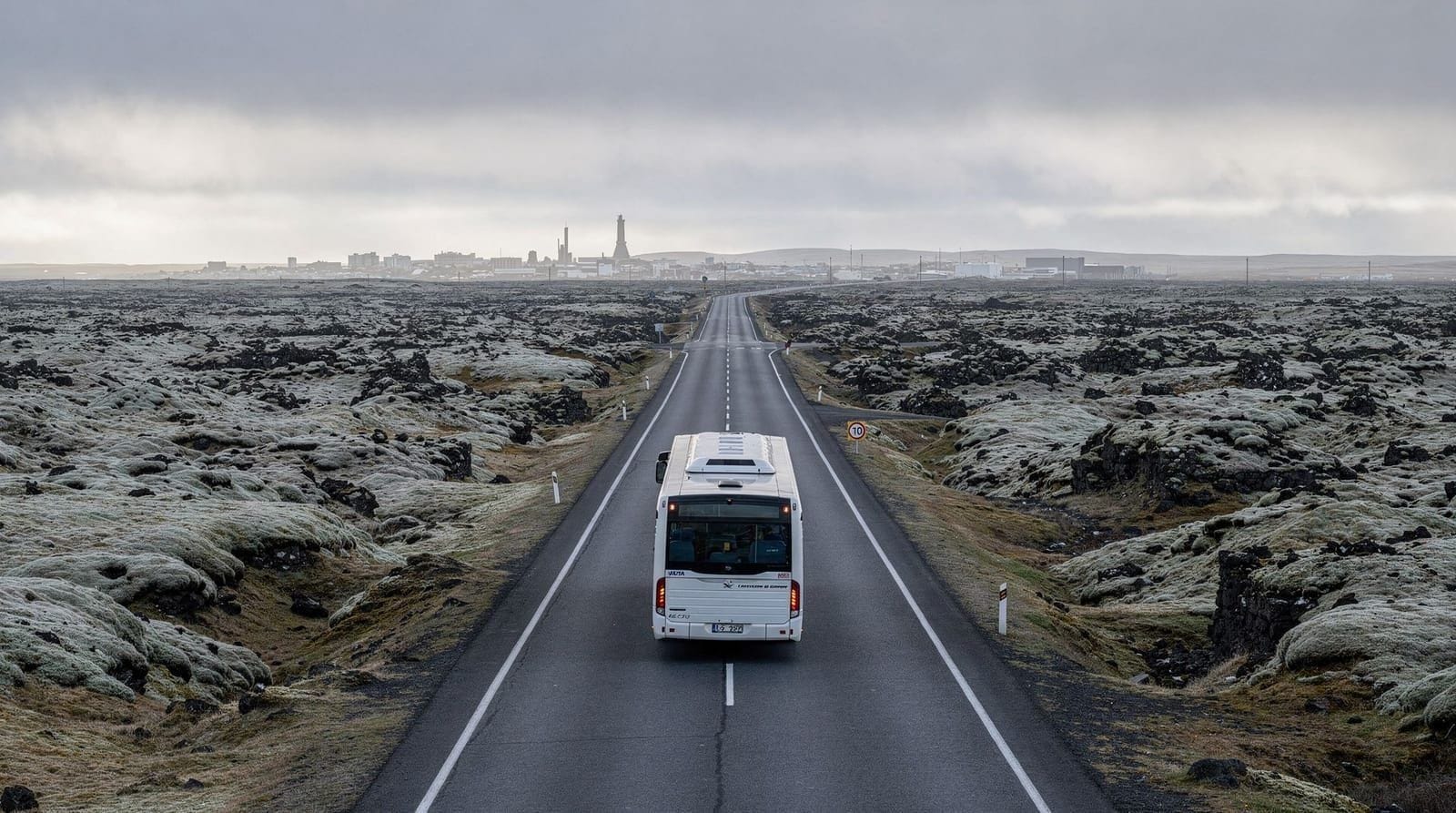
Keflavik International Airport (KEF) is 50 km from central Reykjavik. The journey takes roughly 45-60 minutes depending on road conditions and traffic.
Flybus: The main shuttle service runs directly to the BSI bus terminal in Reykjavik and, with the Plus option, continues to most hotels. One-way fares run around ISK 3,999 (€27); a return ticket is approximately ISK 7,500 (€50). Buses depart within 30-45 minutes of international arrivals and run throughout the day. The schedule is reliable.
Private taxi: Costs between ISK 18,000 and 22,000 (~€120-€150) for a standard saloon car. Worth it if you are a family of four sharing the cost, or arriving very late. Several operators offer flat-rate transfers — book in advance to avoid inflated airport prices.
Rental car: If you are picking up a hire car at the airport, you leave directly from KEF. For the full debate between renting versus guided tours, see our car vs tours guide.
Do not assume you can hail a standard taxi off the street at KEF — it does not work that way. Book your Flybus ticket in advance or arrange a private transfer before landing.
Book a private transfer from KEF to ReykjavikFor a full breakdown of every airport transfer option, see the Keflavik airport to Reykjavik guide.
What Iceland actually costs in 2026
Iceland consistently ranks among the most expensive European travel destinations. Here are honest benchmarks:
Accommodation: Budget hotels start around €120/night in the city; mid-range is €180-250; anything with a view or geothermal pool costs more.
Food and drink: A sit-down lunch in a casual Reykjavik restaurant runs €20-30 per person. Dinner at a mid-range place is €35-50. A pint of local beer costs around €9-11 at a bar. A simple coffee and pastry is €8-10. Supermarket self-catering is the most effective budget lever — Bonus (yellow pig logo) is the cheapest chain.
Petrol: Iceland runs on 95-octane unleaded. Petrol stations are plentiful around Reykjavik and the Ring Road, but sparse in the Highlands. Fill up before heading anywhere remote. Prices fluctuate but budget ISK 300+ per litre (~€2).
Tours: A Golden Circle day tour typically costs ISK 12,000-18,000 (~€80-€120) per adult. The Blue Lagoon entry starts at €96 for basic admission. Northern Lights tours run ISK 10,000-15,000 (€65-€100). Glacier hike day tours from Reykjavik are typically €130-€180.
For a granular breakdown with sample daily budgets, see the Iceland cost and budget guide.
What to book in advance (and what you can leave until you arrive)
Book well in advance (weeks to months):
- Blue Lagoon admission — it sells out, especially weekends and summer. See the complete Blue Lagoon guide.
- Ice cave tours (November-March) — genuinely limited capacity, popular operators sell out weeks ahead.
- Glacier hikes on Sólheimajökull during July and August — peak demand.
- Accommodation in the shoulder seasons (May-June, September-October) when Iceland is extremely popular.
Book a week or so ahead:
- Organised day tours to the Golden Circle, South Coast, and Snæfellsnes Peninsula.
- Whale watching tours from Reykjavik — see the whale watching guide.
- Northern Lights tours in the Nov-Jan window. See best Northern Lights tours.
Fine to decide on arrival:
- City walking tours.
- Restaurant bookings for casual spots.
- Reykjavik museum visits.
The best time to visit Iceland
Iceland is a year-round destination but the experience is radically different depending on when you go.
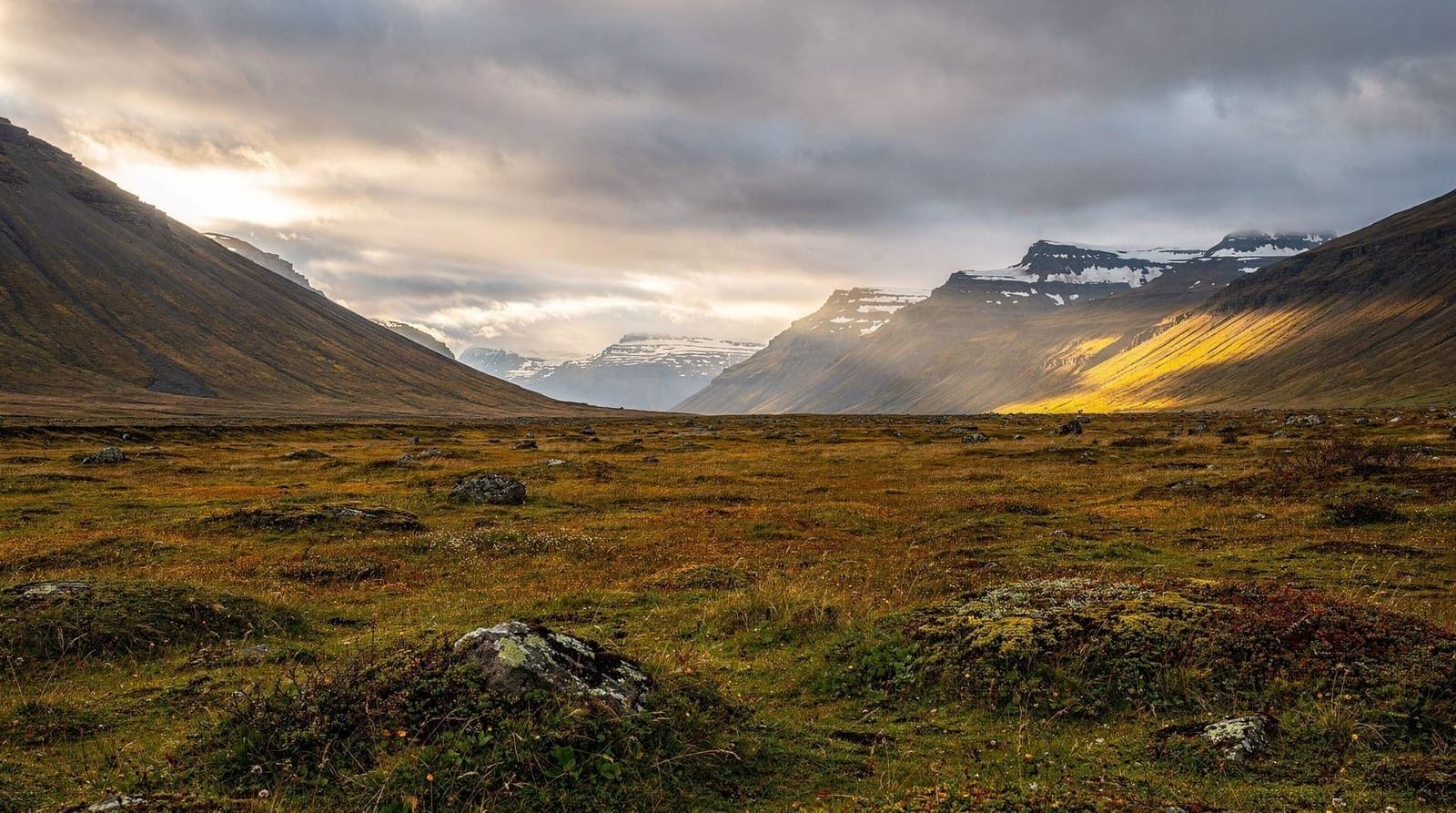
Summer (June-August): Long days, sometimes 24-hour daylight (midnight sun peaks late June). Waterfalls are at maximum flow. The Highlands F-roads are generally open from mid-June to early September — the only season you can drive them. All tours operate. Crowds and prices peak in July-August.
Shoulder season (May, September): Golden autumn colours in September; wildflowers in May. Fewer crowds, lower prices. Northern Lights possible from mid-September. Most tours still run.
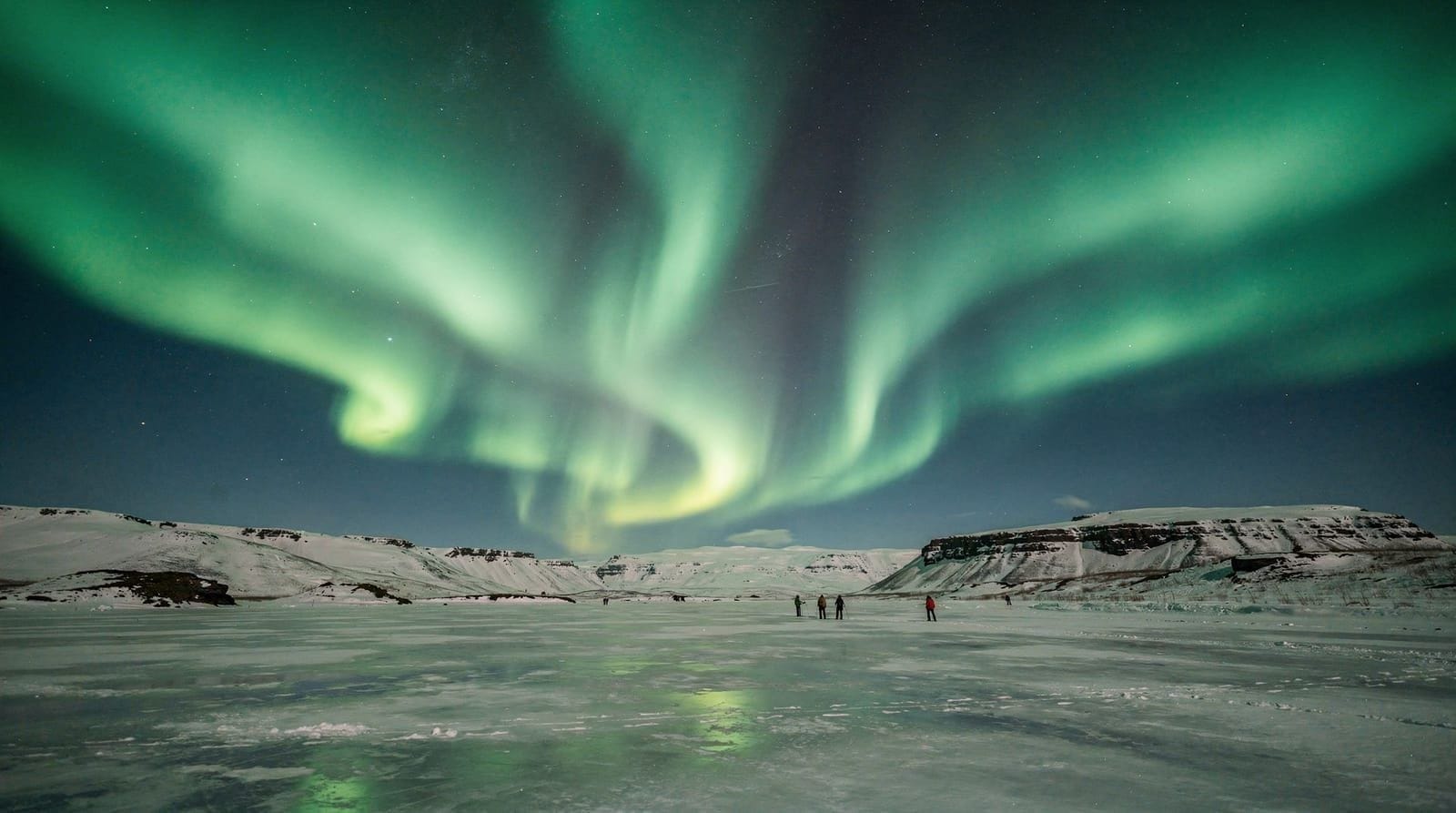
Winter (November-March): Dark, cold, and often dramatic. The best season for Northern Lights (see Northern Lights season guide). Ice caves in Vatnajokull glacier are only stable enough to visit safely in winter. Snow-covered landscapes are visually striking. F-roads are closed.
For the detailed seasonal breakdown, see best time to visit Iceland.
Getting around Iceland: the honest options
Iceland has no trains. The transport options are:
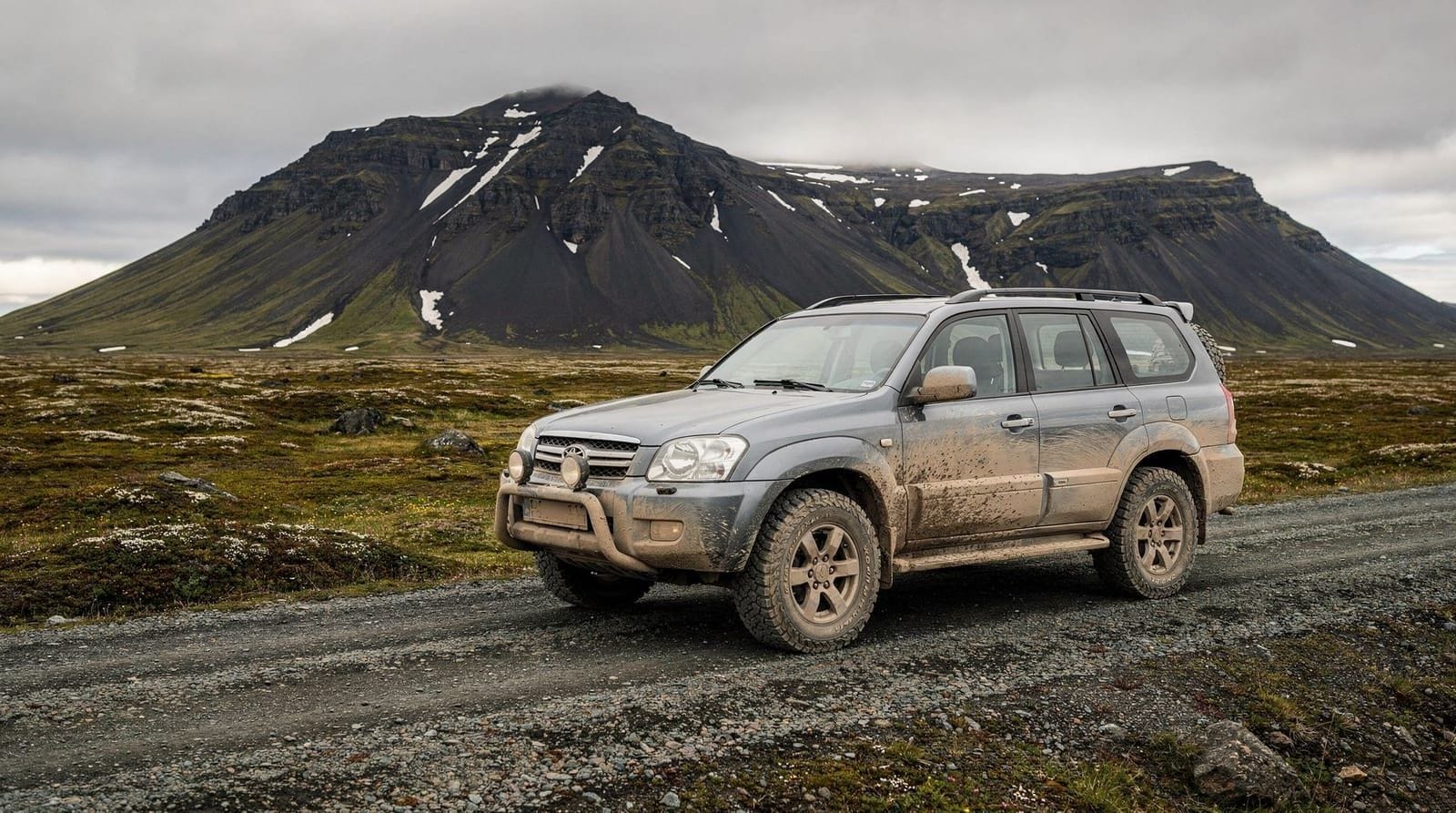
- Rental car: maximum flexibility. 4x4 is required by law for F-roads and strongly advisable for winter travel. Roads in Iceland are maintained but ice, snow, and sudden weather changes demand respect. Always check road.is before setting out.
- Organised tours: the most stress-free option, especially for first-timers. The main limitation is the fixed itinerary and group sizes.
- Public buses (Streto): cover Reykjavik and some coastal routes but are not practical for reaching most attractions.
- Hitchhiking: common and generally safe in summer, unreliable in winter.
Most first-timers base in Reykjavik and take day tours, which works well for a stay of up to 5-6 days. For the detailed comparison of renting versus touring, see car vs tours guide.
Reykjavik itself: orientation
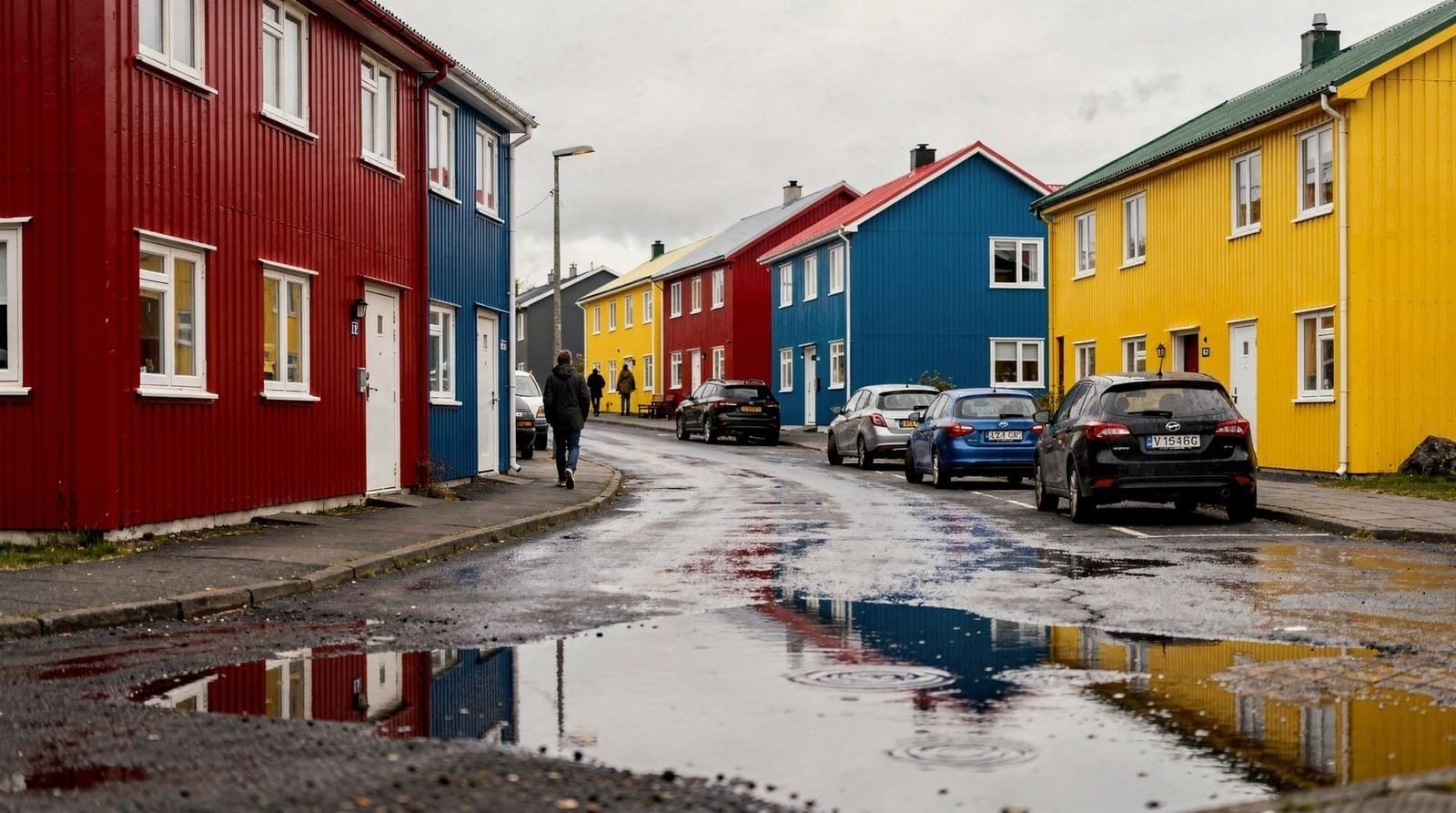
Reykjavik is small. The walkable city centre covers about 15-20 minutes on foot. The main sights — Hallgrimskirkja church, the old harbour, Laugavegur shopping street, the Sun Voyager sculpture — are all within easy walking distance.
The city is safe by any international measure. Violent crime is rare. The main nuisance in the tourist zone is heavy crowds near the most photogenic spots in summer, and price-gouging at obviously tourist-facing restaurants.
For what to see in the city itself, see Reykjavik museums and attractions and free things to do in Reykjavik. For where to eat and drink, see Reykjavik food and drink guide.
Weather, safety, and what first-timers underestimate
Weather: Iceland’s weather is notoriously variable. A forecast of “light wind” can become a gale within an hour. Never assume morning conditions will persist. In summer, rain gear is essential every day. In winter, layers and wind-proof outer layers are non-negotiable.
Road safety: Single-lane bridges (drive slowly and yield to the vehicle already on), gravel roads (reduce speed), river fords (4x4 only, check conditions), and sudden blizzards are the specific hazards. Check road.is every morning during a road trip.
Glacier safety: Never walk onto a glacier without a certified guide and proper crampons. Crevasses are invisible from the surface. This is not an exaggeration.
Swimming pool etiquette: Icelandic swimming pools (geothermal-heated, and very good) require a full naked shower before entering the pool. This is enforced and non-negotiable.
For the complete packing list, see what to pack for Iceland.
South Coast tour: waterfalls, black sand, and glacierTop five rookie mistakes to avoid
- Driving too fast on gravel or icy roads. Iceland’s roads require patience. Pull over to take photos — stopping suddenly on a narrow mountain road causes accidents.
- Not booking the Blue Lagoon in advance. It sells out. There is no walk-up option on busy days.
- Ignoring the weather forecast. Plan for it to rain on any given day. Pack accordingly.
- Thinking Northern Lights are guaranteed. They require dark skies, clear weather, and solar activity. September to April is the window; clear nights in that window are the opportunity. See the Northern Lights season guide.
- Eating every meal in tourist restaurants on Laugavegur. The food improves and prices drop significantly a few streets back, and the Bonus supermarket for lunches is a genuine budget lifesaver.
Itinerary starting points
If you have 2-3 days, start with the 2-day Reykjavik weekend itinerary. For 5 days, the 5-day Reykjavik itinerary covers the city plus the main day trips. For a full week with road-trip potential, see Iceland 7-day from Reykjavik.
Practical logistics: phones, SIM, and connectivity
Iceland has good mobile coverage along the Ring Road and all main routes. Coverage drops in some Highlands valleys but is reliable for most visitor itineraries.
SIM card: A tourist SIM card with data (available at KEF arrivals, Reykjavik convenience stores, and the Bonus supermarket chain) costs ISK 2,500-4,500 (~€17-30) for a week. Alternatively, an eSIM purchased before travel (Airalo, Holafly) is increasingly popular and avoids airport queues.
Your home SIM: EU roaming rules apply to EEA visitors, though some operators have reintroduced caps. Non-EU visitors should check roaming rates carefully — charges can be significant on Iceland’s non-EU network. Downloading offline maps (Maps.me, Google Maps offline area) is useful for driving in remote areas where data is slow.
Emergency number: 112 (same as EU). Iceland also has a dedicated search-and-rescue volunteer network (ICE-SAR). The 112 Iceland app is worth downloading — it registers your GPS location when you call, which can be critical in remote areas.
Visiting the key sites: honest priorities
With limited time, these are the five sites that consistently deliver on their reputation for first-timers:
-
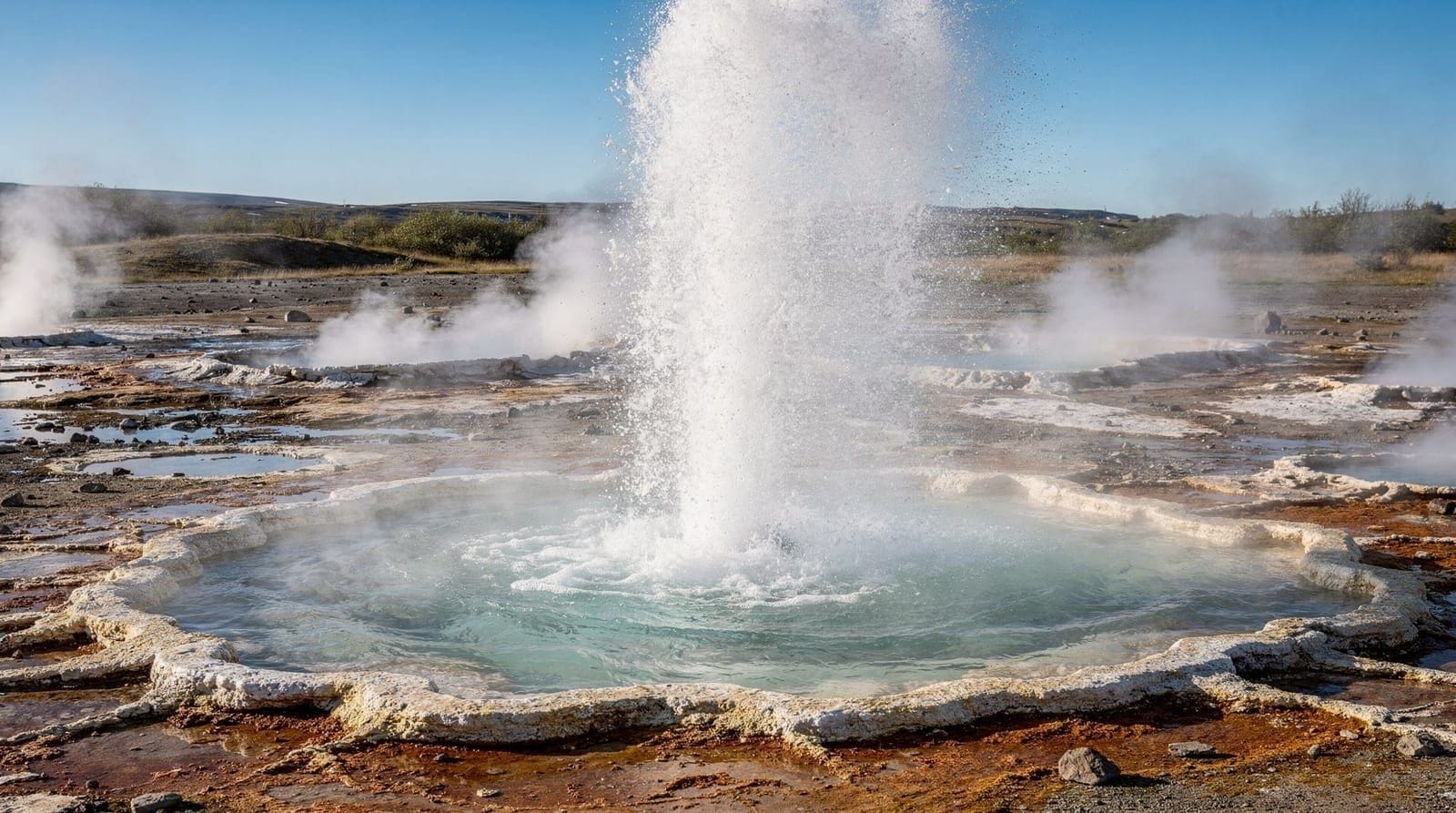
Golden Circle (Þingvellir, Geysir, Gullfoss): The classic route for a reason. All three sites are genuinely impressive. Allow a full day. See Golden Circle complete guide.
-
South Coast (Seljalandsfoss, Skogafoss, Reynisfjara Black Beach, Jokulsarlon): Iceland’s most visually dramatic route. Can be done in a long day from Reykjavik. See South Coast complete guide.
-
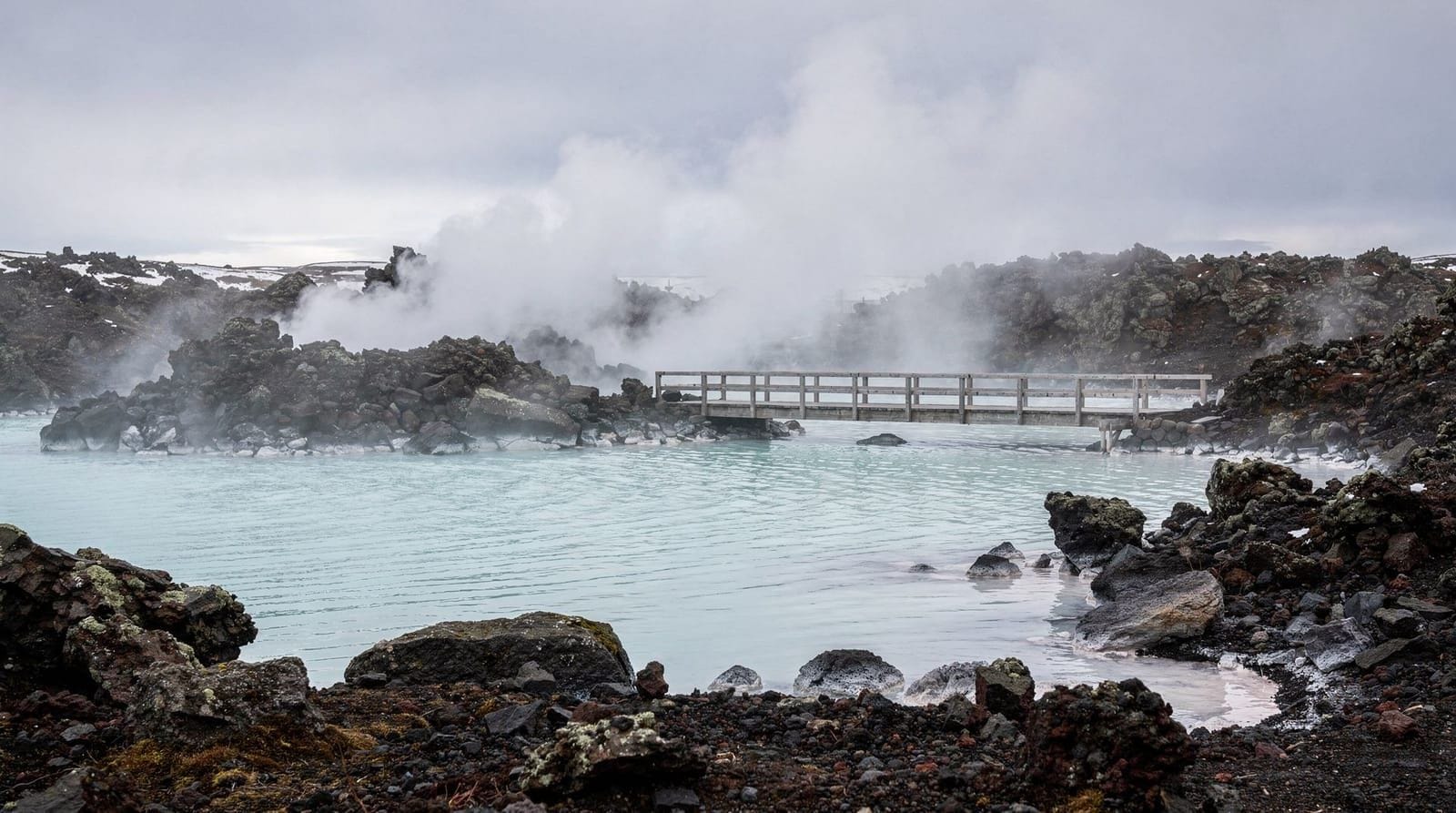
Blue Lagoon or Sky Lagoon: Geothermal bathing is an Iceland experience worth having. The Blue Lagoon is larger, more famous, and further from the city. The Sky Lagoon is smaller, cheaper, and 15 minutes from Reykjavik. See Blue Lagoon vs Sky Lagoon comparison.
-
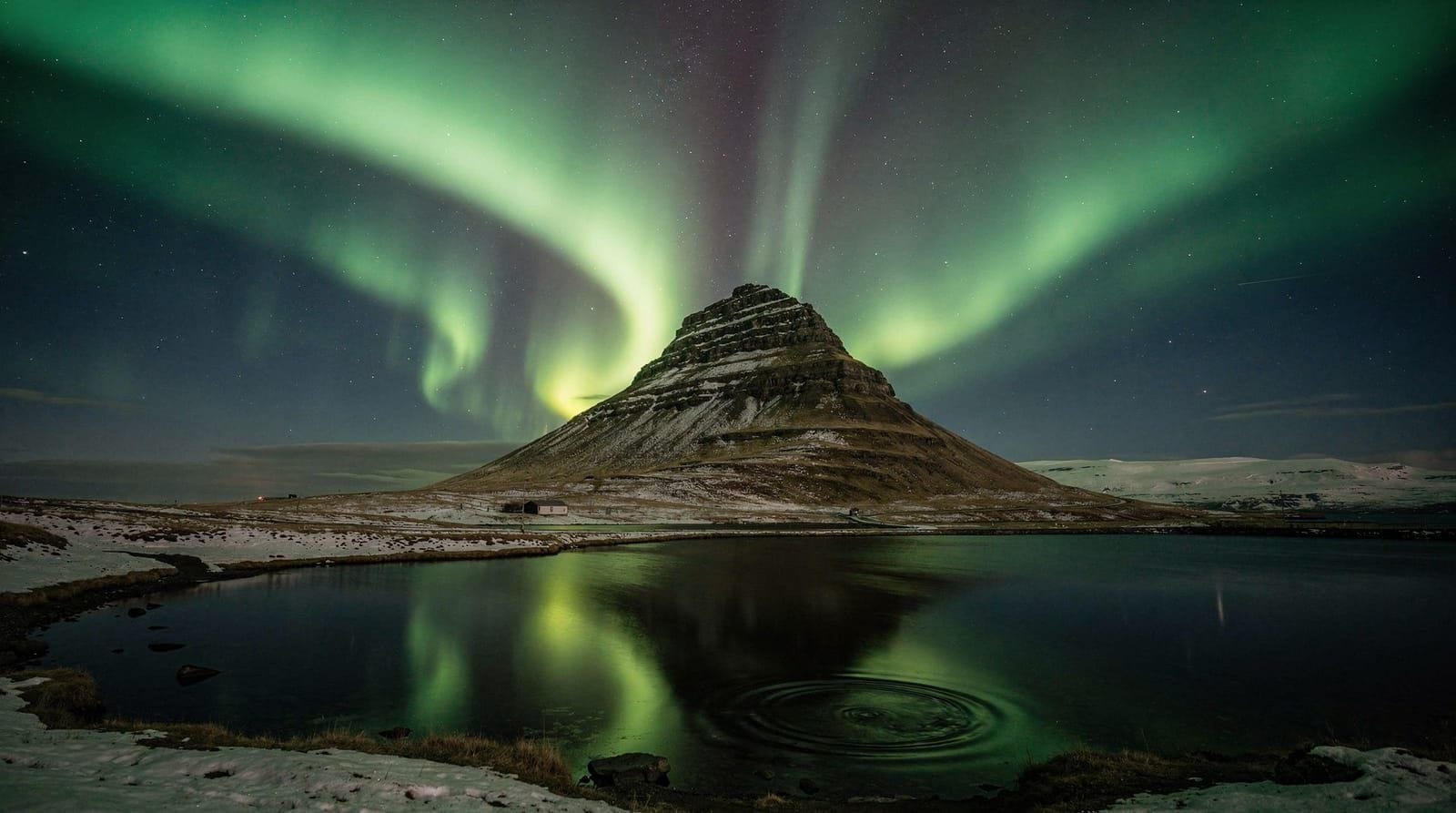
Northern Lights tour (September-April only): Weather-dependent but memorable when the conditions cooperate. Book a tour with a re-run policy in case of cloud. See best Northern Lights tours from Reykjavik.
-
A glacier or ice cave: Whether it is a guided glacier hike on Sólheimajökull or a winter ice cave inside Vatnajokull, walking on ancient ice is one of the experiences that makes Iceland distinct. See glacier hikes and ice caves.
Currency, cards, and the practicalities nobody explains well
Iceland is one of the most card-reliant economies in the world, and it changes how you should prepare financially compared to most other European trips. There is genuinely little need to carry Icelandic Kronur in cash — card machines are standard even at small roadside stops, public toilets, and parking meters. What matters more is which card you bring: a card with no foreign transaction fee saves a meaningful amount over a week of daily purchases, and a backup card (kept separately from your primary one) is sensible in case of loss, since Iceland’s rural areas have limited banking infrastructure to fall back on if your only card is blocked or lost.
Contactless and mobile payment (Apple Pay, Google Pay) work at the large majority of terminals, including most petrol stations, which matters if you’re self-driving and refuelling at unstaffed pumps. A few very small, cash-preferring businesses exist, particularly at flea markets or informal roadside stalls, but these are the exception rather than something to plan around.
How much to plan vs how much to leave open
First-timers tend to fall into one of two traps: over-scheduling every hour before arrival, or arriving with nothing booked and discovering that the things they most want to do are sold out. The honest middle ground is to book the genuinely capacity-limited items (Blue Lagoon, ice cave tours, glacier hikes in July-August, Northern Lights tours on specific nights) and leave everything else loose.
A workable planning sequence: book flights and accommodation first, since these drive the whole trip’s shape. Next, book the one or two headline weather-dependent or capacity-limited experiences for specific days — Northern Lights, Blue Lagoon, an ice cave if visiting in winter. Then leave the Golden Circle, South Coast, and city time flexible, choosing self-drive or day-of tour booking depending on weather forecasts once you land. This sequencing avoids the two most common planning failures: a Blue Lagoon slot that’s sold out, and a rigid itinerary that can’t adapt when a storm rolls in on your Golden Circle day.
For a week-long trip, this typically means: 2-3 pre-booked capacity-limited experiences, 2-3 day tours or self-drive days booked within the week before arrival once the forecast firms up, and 1-2 days left genuinely open for whatever the weather and your energy levels suggest on the day. The Iceland 7-day itinerary is built around exactly this kind of structure.
Reykjavik day one: orienting quickly
The city is compact. Most visitors spend their first afternoon walking the route: the old harbour (with whale watching boats and the FlyOver Iceland experience), along the waterfront to the Sun Voyager sculpture, up Laugavegur shopping street to Hallgrimskirkja church and its lift to the viewing platform (ISK 1,000, worth it for orientation), then back down through the historic centre.
This circuit takes 2-3 hours at a relaxed pace and costs almost nothing beyond the church lift. It orientates you to the city scale, reveals most of the main neighbourhoods, and leaves you near enough to good restaurants for dinner.
See Reykjavik free things to do and Reykjavik museums and attractions for what to fill days in the city.
Frequently asked questions about Iceland first-timer planning
Do I need to hire a car in Iceland?
Not if you are staying in Reykjavik and using organised day tours, but a car (4x4 in winter or for Highlands access) is essential for self-drive flexibility. The car vs tours guide covers the decision in full.
How much cash do I need in Iceland?
Almost none. Iceland is essentially a card-only economy. VISA and Mastercard work everywhere including petrol stations, rural cafes, and car park machines. Bring a card with no foreign transaction fees.
Is tap water safe to drink in Iceland?
Yes, Icelandic tap water is among the cleanest in the world. Buying bottled water is considered wasteful and unnecessary by locals.
What is the biggest mistake first-time Iceland visitors make?
Underestimating driving distances and weather changes. A destination that looks 80 km away on a map can take two hours in winter on an icy single-track road. Always check road.is before driving anywhere outside Reykjavik.
Do I need travel insurance for Iceland?
Yes. Iceland has no reciprocal EU health agreement for most visitors. Emergency evacuations from glaciers or the Highlands are extremely expensive. Get a policy that includes search-and-rescue cover.
Can I see the Northern Lights in summer?
No. The midnight sun means no usable darkness from late May to mid-July. Northern Lights require dark skies — the window is September through April, with November to January being peak season for intensity and frequency.
Is Iceland family-friendly?
Yes, broadly. Watch age and physical requirements on glacier hikes and ice cave tours (typically 8 or older, sometimes 10). Whale watching, the Golden Circle, and the Blue Lagoon all work well with children of various ages.
Top experiences
Bookable activities with verified prices and instant confirmation on GetYourGuide.