Iceland Cost and Budget Guide: What You Will Actually Spend
Reykjavik: The Golden Circle Full-Day Tour
How much does Iceland cost per day?
A realistic mid-range daily budget for one person in Iceland is €180-€250, covering accommodation, meals, and one major tour or entry fee. Budget travellers staying in hostels and self-catering can get to €100-€130. Iceland is consistently one of Europe's most expensive countries — food, alcohol, and tours are the main drivers.
The honest number
Iceland ranks consistently among the five most expensive countries in Europe for travellers. This is not a niche opinion or bad luck — it reflects high labour costs, import costs on almost everything, and strong tourist demand that allows prices to stay high year-round. If your budget planning is based on comparing Iceland to France or Italy, revise upward by 40-60%.
The good news is that Iceland is transparent about its prices. Menus are priced clearly, tour costs are listed before you book, and there is no culture of tipping or hidden service charges. You will know exactly what you are spending.
| Budget/day | €100-130 (hostel, self-catering) |
| Mid-range/day | €180-250 (guesthouse, 1 tour) |
| Comfortable/day | €300-400 (boutique hotel, premium tours) |
| Currency | ISK; cards accepted almost everywhere |
| Tipping | Not expected; service is included |
Daily budget benchmarks
These are honest full-day costs per person, not optimistic minimums.
Budget (€100-€130/day): Hostel dorm bed (€40-55), breakfast from supermarket (€5-8), self-catered lunch from Bonus (€6-9), one sit-down dinner at a mid-range restaurant (€25-35), one museum or Perlan entry (€20-25), public transport or Flybus where relevant. No alcohol, no major tours.
Mid-range (€180-€250/day): Private room in a guesthouse or 3-star hotel (€100-€160), two restaurant meals (€60-€85 combined), one major day tour or attraction entry (€65-€130), incidentals. One or two beers adds €18-22.
Comfortable (€300-€400/day): Boutique hotel or good 4-star (€180-€280), two quality restaurant meals (€100-€140), a premium tour, spa, or the Blue Lagoon (€100-€200).
Accommodation costs
Hostels (dorm beds): €40-70 per person in Reykjavik. Clean, reliable, good social atmosphere. Book ahead in summer.
Guesthouses (private room): €90-150 in Reykjavik; €70-110 in rural areas. Often family-run, breakfast sometimes included.
Mid-range hotels: €140-220 per room in Reykjavik, rising to €250-350 in peak July-August.
Rural farm stays: €80-140 per room. Often the best value in Iceland and frequently in spectacular landscapes.
Camping: Iceland has an excellent network of campsites open June-August. A tent pitch costs ISK 2,500-3,500 per person (~€17-24). Cabins at campsites are also available for €50-90.
Accommodation outside Reykjavik (and especially outside Reykjanes Peninsula) tends to be cheaper than the capital. If you have a car and a flexible itinerary, rural guesthouses offer significantly better value than Reykjavik hotels.
Food and drink costs
Icelandic food costs are genuinely high. Here are representative prices for 2026:
Supermarkets:
- Bonus (the budget chain, yellow pig logo): groceries are 20-30% cheaper than Kronan or Hagkaup. A self-catered lunch with bread, cheese, skyr, and fruit costs €8-12.
- 10-11 stores are convenient but expensive.
- Netto supermarket is good value and widespread.
Cafes and bakeries:
- Coffee and a pastry: €8-11.
- Soup and bread lunch: €15-19.
- Hot dog (pylsa) at a petrol station: ISK 450-600 (~€3-4). The most famous is Baejarins Beztu in Reykjavik — genuinely good and a local institution.
Sit-down restaurants:
- Casual lunch: €20-30 per person without drinks.
- Mid-range dinner: €35-55 per person plus drinks.
- Fish and chips at a harbour restaurant: €22-30.
- Lamb or cod main course: €30-45.
- Burger and chips: €22-30.
Alcohol:
- Beer at a bar: ISK 1,400-1,800 (~€9-12) per pint.
- Glass of wine at a restaurant: ISK 1,800-2,600 (~€12-18).
- Cocktail: ISK 1,800-2,400 (~€12-16).
- Wine from Vinbudin (state off-licence): ISK 2,500-4,500 (~€17-30) per bottle.
The Vinbudin state stores sell at fixed prices considerably lower than bars and restaurants. Useful for anyone cooking in accommodation with a kitchen.
For restaurant recommendations and what to eat, see the Reykjavik food and drink guide.
Transport costs
Flybus (KEF to Reykjavik): ISK 3,999 (~€27) one-way standard; ~ISK 7,500 return. See the Keflavik airport to Reykjavik guide for the full breakdown.
Private airport transfer: ISK 18,000-22,000 (~€120-€150) one-way for up to 4 people.
Rental car:
- Economy hatchback: €45-60/day off-peak; €70-90/day in summer.
- 4x4 SUV: €80-110/day shoulder; €130-€180/day in July-August with full insurance.
- Fuel: ISK 300+ per litre (
€2). Budget roughly ISK 5,000-8,000 (€33-54) per day for a self-drive itinerary.
City buses (Reykjavik): ISK 480 per single journey on Streto. Useful within Reykjavik.
See getting around Iceland: car vs tours for the full analysis.
Tour and attraction costs
Golden Circle day tour: ISK 12,000-18,000 (~€80-€120) per person.
South Coast day tour: ISK 13,000-19,000 (~€87-€127) per person.
Northern Lights tour: ISK 10,000-15,000 (~€65-€100) per person.
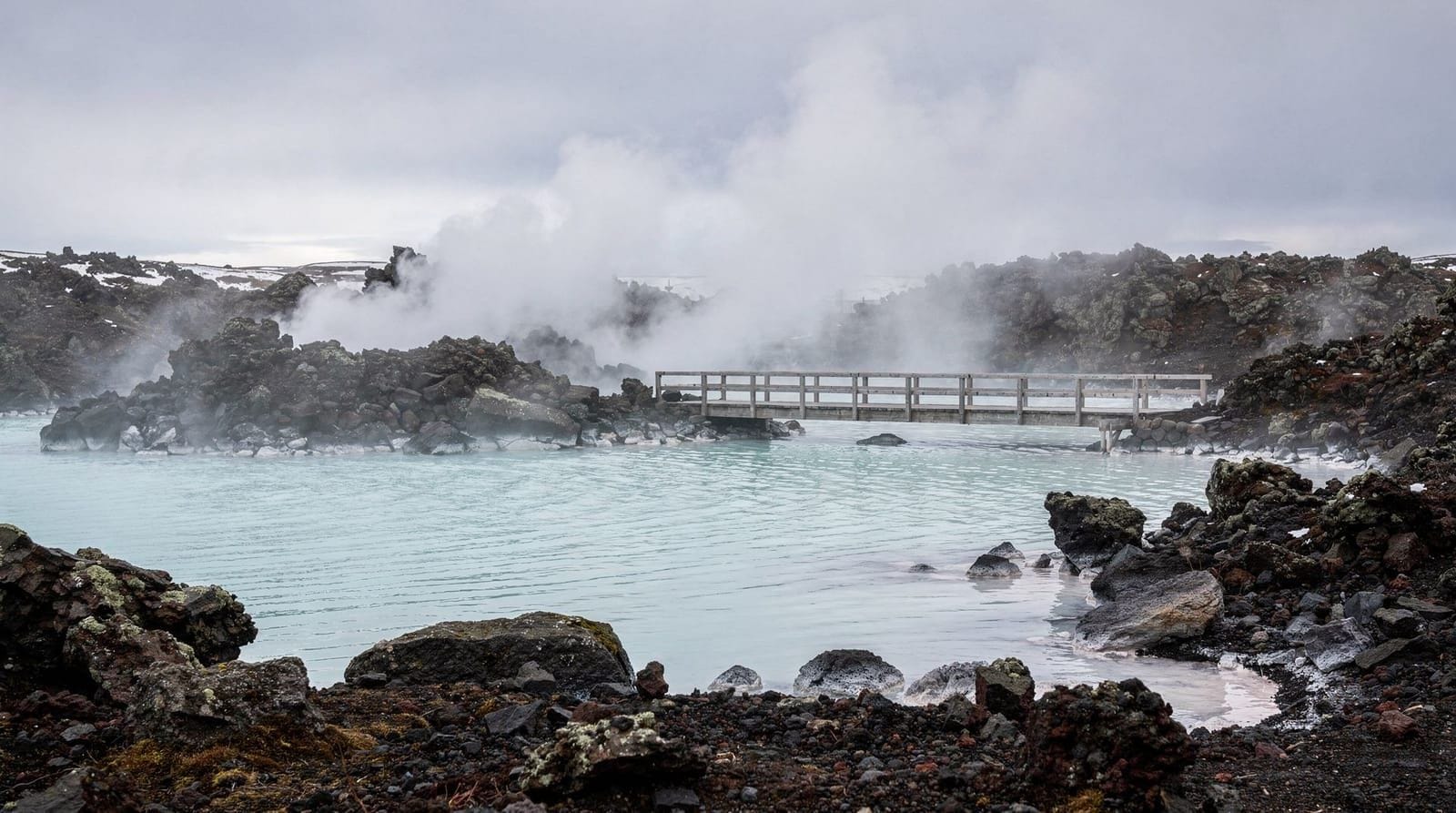
Blue Lagoon entry (Comfort): approx. €96. Premium with drinks and mask: ~€120. Luxury: €160-200. Book well in advance. See Blue Lagoon complete guide.
Sky Lagoon: Sky Pass (7-step ritual) approx. €65-€75; with transfer ~€90. See Sky Lagoon guide.
Blue Lagoon vs Sky Lagoon: see Blue Lagoon vs Sky Lagoon comparison.
Glacier hike (from Reykjavik): €130-€180 per person including guide and equipment.
Whale watching: ISK 13,000-17,000 (~€87-€115) per person. See whale watching Reykjavik.
Perlan museum: ISK 3,600-4,400 (~€24-30) per adult.
Silfra snorkeling: ~€120-€160 per person including dry suit. See Silfra snorkeling guide.
Entry fees worth noting
- Kerið volcanic crater: ISK 900 (~€6)
- Gullfoss waterfall parking: ISK 700 (~€5)
- Þingvellir National Park: parking ISK 700; park entry free
- Most waterfalls, lava fields, and viewpoints: free
Iceland has no nationwide park pass. Entry fees apply to a small number of specific sites.
Money-saving strategies that actually work
- Book flights at least 3-4 months ahead for summer travel. Iceland is one of the more seasonal aviation markets — prices spike sharply in June-August.
- Eat at Bonus supermarket for at least one meal per day. The savings versus eating every meal in a restaurant are substantial over a week.
- Travel in May or September. Shoulder season cuts accommodation costs by 20-30% with very little reduction in access to attractions. Most tours still operate fully.
- Visit the Sky Lagoon instead of the Blue Lagoon. The Sky Lagoon costs roughly half the price, is smaller and arguably more atmospheric, and is 15 minutes from central Reykjavik.
- Group together for car hire. A rental car shared among four people with self-catered lunches often costs less per person per day than buying separate tour tickets.
- Avoid tourist-facing restaurants on Laugavegur. Walk one or two streets back for meaningfully lower prices.
- Use Vinbudin for alcohol rather than bars if you are having drinks in the evening.
Sample weekly budget (mid-range, solo, Reykjavik base)
| Item | 7-day total |
|---|---|
| Accommodation (mix hotel/guesthouse) | €900-1,100 |
| Food (2 restaurant meals + 1 self-catered) | €560-700 |
| Airport transfers (Flybus return) | €50 |
| Three major day tours | €270-€360 |
| Blue Lagoon | €96-€120 |
| Attraction entries and incidentals | €80-€120 |
| Total | ~€2,000-2,450 |
A couple would reach roughly €3,200-€3,800 for seven days mid-range. A family of four doing the same trip with a rental car would spend approximately €4,500-€5,500 depending on accommodation choices.
Tipping in Iceland
Iceland does not have a tipping culture. Service charges are included in restaurant bills. Leaving a tip at a restaurant is appreciated but not expected, and rounding up a bill or adding 10% at a good restaurant is the maximum norm. Taxi drivers do not expect a tip. Tour guides occasionally receive small tips from satisfied customers — this is a personal choice, not an obligation.
This is meaningfully different from the US or many parts of southern Europe. Do not feel social pressure to tip beyond what you are comfortable with.
Hidden and unexpected costs
Parking: Reykjavik has a colour-coded paid parking zone around the city centre. Blue zones (P1) are expensive — ISK 250-350/hour. Green zones are cheaper. Parking apps (Parka, Streto) make payment simple but the cost adds up over a week of city basing.
Luggage storage: Left-luggage services at BSI bus station and some hotels charge ISK 800-1,500 per bag per day. Useful if you need to stash bags between check-out and a late departure.
SIM card and data: Iceland’s mobile coverage is good along the Ring Road and all main roads. A tourist SIM with data costs ISK 2,500-4,500 (~€17-30) for a week’s data. Avoid relying solely on your home network’s roaming — rates are high in Iceland. Alternatively, a good international eSIM plan (Airalo, Holafly) downloaded before travel saves the airport SIM hunt.
Carbon offset fees: Some car rental companies add a small optional or mandatory “green fee” to the daily rate — usually ISK 200-400/day. Legitimate operators are transparent about this.
Credit card surcharges: A handful of smaller operators add a 1-2% card surcharge. Rare but legal in Iceland. It is worth carrying a credit card rather than only debit, as credit has better fraud protection on large transactions.
Tour costs per day: real worked examples
To make the budget concrete: here is what a “standard” day of Iceland touring actually costs in 2026.
Golden Circle self-drive day (couple in rented car):
- Car hire for the day: ~€80 (4x4 shoulder season, shared)
- Fuel (~200 km):
ISK 6,000 (€40) - Lunch at Geysir area cafe: ~€50 for two
- Kerið crater entry: ISK 900 (~€6) x2 = €12
- Total for two: ~€182 (~€91 per person)
Golden Circle guided tour (couple):
- Two tour tickets: ISK 14,000 x2 = ~€187
- Packed lunch from Bonus: ~€18
- Total for two: ~€205 (~€103 per person)
The difference is smaller than many people expect. Tours make more financial sense for solo travellers; cars for groups.
Where the “expensive country” reputation actually comes from
It’s worth understanding why Iceland is expensive rather than just accepting the sticker shock, because it changes how you plan around it. Nearly everything beyond fish, lamb, and dairy is imported, and import costs plus a small domestic market (roughly 380,000 people) mean less competitive pricing pressure than larger European economies. Labour costs are also genuinely high by European standards, which shows up directly in restaurant and tour prices since both are labour-intensive. None of this is a tourist markup specifically — Icelanders pay similarly high prices for the same goods, which is part of why supermarket self-catering (rather than restaurant avoidance alone) is the most effective lever available to visitors.
How trip length changes your total cost
Costs do not scale perfectly linearly with trip length. The first 2-3 days carry disproportionate fixed costs — airport transfer, an initial big tour like the Golden Circle, and settling-in meals at full restaurant prices before you’ve located the cheaper options. A 4-night trip and a 7-night trip often have a similar per-day average once you’re past day three, because longer trips give you more days to self-cater, batch grocery shop, and space out the expensive tours rather than front-loading them.
For a mid-range solo traveller, a realistic ballpark is €900-1,000 for 4 nights versus €2,000-2,450 for 7 nights (see the sample weekly budget above) — not simply double, because the daily average drops slightly as the trip goes on. Booking the Golden Circle full-day tour early in the trip and shifting to self-catered days afterward is a realistic way to manage this.
Golden Circle full-day tour from Reykjavik is one of the better-value single bookings in this budget breakdown — a fixed, transparent price with no surprise add-ons, unlike some restaurant or bar bills.
Frequently asked questions about Iceland travel costs and budgeting
Is Iceland as expensive as people say?
Yes. Lunch is €20-30 per person, dinner €35-55. A pint of beer is €9-11. Even a coffee and pastry is €8-10. Bonus supermarket self-catering significantly reduces costs.
What is the cheapest way to visit Iceland?
Stay in hostels or guesthouses outside central Reykjavik, buy groceries at Bonus, share a rental car in a group, and visit in shoulder season (May or September).
Do I need Icelandic Kronur or can I pay by card?
Card only is entirely practical. Iceland is cashless — VISA and Mastercard are accepted everywhere. Bring a card with no foreign transaction fees.
How much does the Blue Lagoon cost?
Basic Comfort admission starts at approximately €96 per person in 2026. Premium is ~€120. Luxury runs €160-€200+. Book in advance as popular slots sell out.
How much do tours cost in Iceland?
Golden Circle: €80-€120 per person. South Coast: €87-€127. Northern Lights: €65-€100. Glacier hike from Reykjavik: €130-€180. Sky Lagoon: €65-€90.
Is it cheaper to visit in winter?
Yes for accommodation and flights. Hotel rates drop 20-30% outside peak season. Flights from Europe are cheaper November to February. Blue Lagoon and most tours cost the same year-round. Ice cave tours carry a seasonal premium but are only available in winter.
How much should I budget for alcohol?
Bar prices: €9-11 per pint, €12-16 per cocktail, €12-18 per glass of wine at restaurants. Vinbudin state stores sell wine at €17-30 per bottle — much cheaper than bars.