The Complete Golden Circle Guide: Þingvellir, Geysir & Gullfoss
Reykjavik: The Golden Circle Full-Day Tour
How long does the Golden Circle take?
A self-drive loop from Reykjavik takes 7-9 hours including stops. Driving time alone is about 4 hours. All three main sites are free to enter.
What the Golden Circle actually is
The Golden Circle is a roughly 230-kilometre driving loop east of Reykjavik that connects three of Iceland’s most visited natural sites: Þingvellir National Park, the Haukadalur geothermal valley (home of Geysir and Strokkur), and Gullfoss waterfall. The name is a marketing term — there is no official route marker — but the logic is sound. These three sites sit within a clean loop off the Ring Road, and you can do all three in a single long day.
It is Iceland’s most-visited day trip for good reason. Þingvellir sits on the Mid-Atlantic Ridge where the North American and Eurasian tectonic plates are visibly pulling apart. Strokkur erupts every 6-8 minutes with no warning. Gullfoss drops two tiers into a canyon and throws spray high enough to soak you from 30 metres away. None of this requires luck or special conditions. It works in January and July alike.
What the Golden Circle is not: a secret, a wilderness experience, or something you can rush through in under five hours if you actually want to see things. The roads are paved, the car parks are large, and the sites are busy — especially in summer. Arrive at Þingvellir before 9:30 a.m. or after 5 p.m. to walk the rift in relative quiet.
| Where | ~230km loop east of Reykjavik |
| Cost | Free entry to all 3 sites; parking/petrol only |
| Time needed | 7-9 hours self-drive; ~8-9 hours on a tour |
| Getting there | Self-drive or guided day tour |
| Best time | Early morning or late afternoon to avoid crowds |
How to drive the Golden Circle
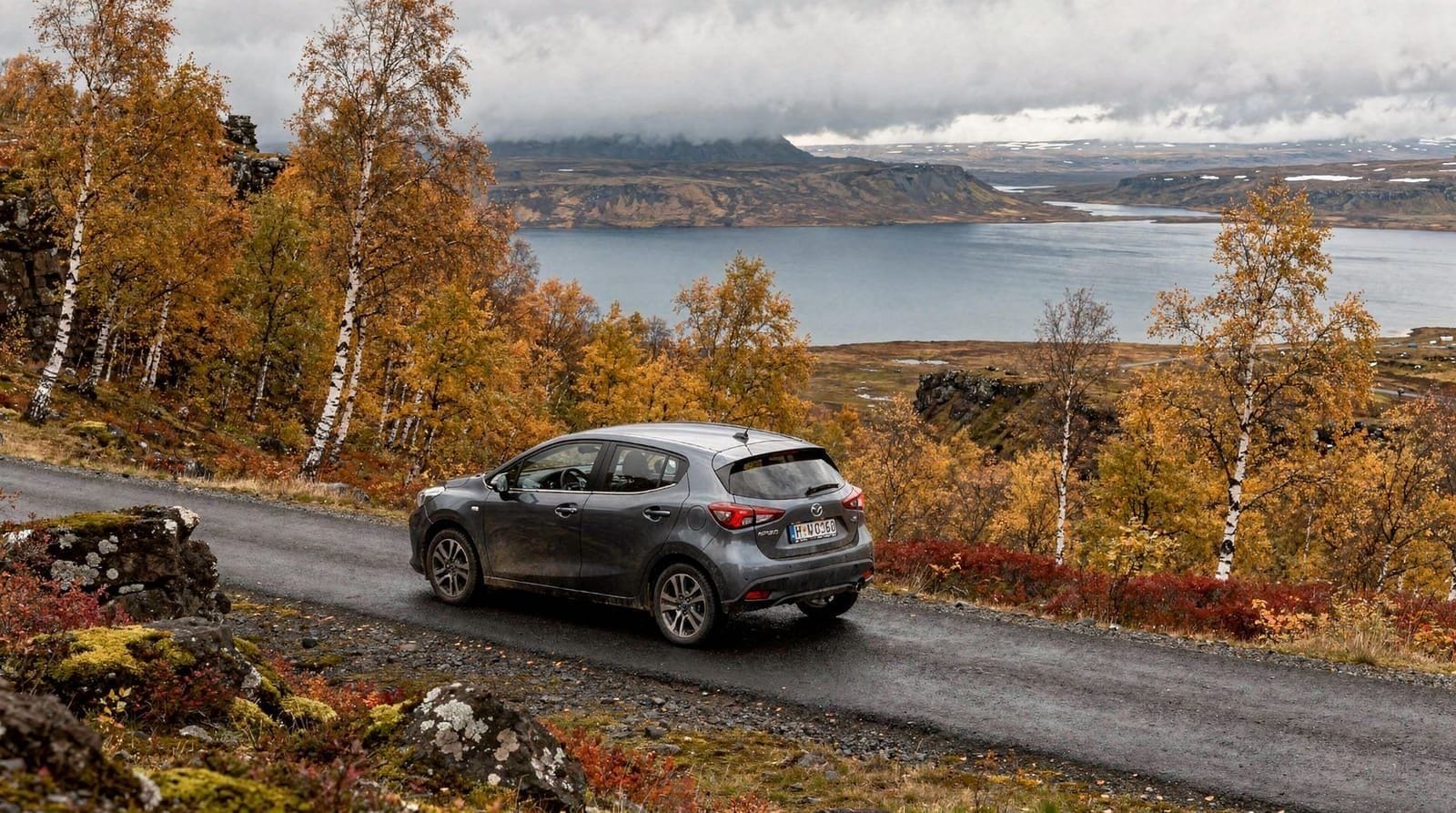
The most efficient loop from Reykjavik goes: Reykjavik → Þingvellir (Route 36) → Laugarvatn → Geysir (Route 37) → Gullfoss → back via Selfoss on Route 35 and the Ring Road. This clockwise direction means you hit Þingvellir first when it is least crowded.
Driving times (no stops): Reykjavik to Þingvellir is 45 minutes. Þingvellir to Geysir is 50 minutes. Geysir to Gullfoss is 10 minutes. Gullfoss back to Reykjavik via Selfoss is about 1 hour 45 minutes. Total driving: roughly 3.5-4 hours. Add 1-1.5 hours at Þingvellir, 45 minutes at Geysir, 30-45 minutes at Gullfoss, and you have a 7-9 hour day.
Petrol stations exist in Laugarvatn and Selfoss. Fill up before you leave Reykjavik to be safe.
Full-Day Golden Circle Tour from ReykjavikÞingvellir National Park: what to do
Þingvellir is Iceland’s only UNESCO World Heritage Site and carries real historical weight. The Alþing — the world’s oldest surviving parliament — was held here from 930 AD. You can stand in the Lögberg (Law Rock) area and look across the rift valley where tectonic plates diverge at roughly 2 centimetres per year.
The main walking path runs through the Almannagjá rift gorge — a deep crack between two continental plates. The walls rise 30-40 metres on either side. The walk takes about 45 minutes for the main gorge loop and requires no special equipment. The church and farmhouse at the south end of the path are worth a look but not a long stop.
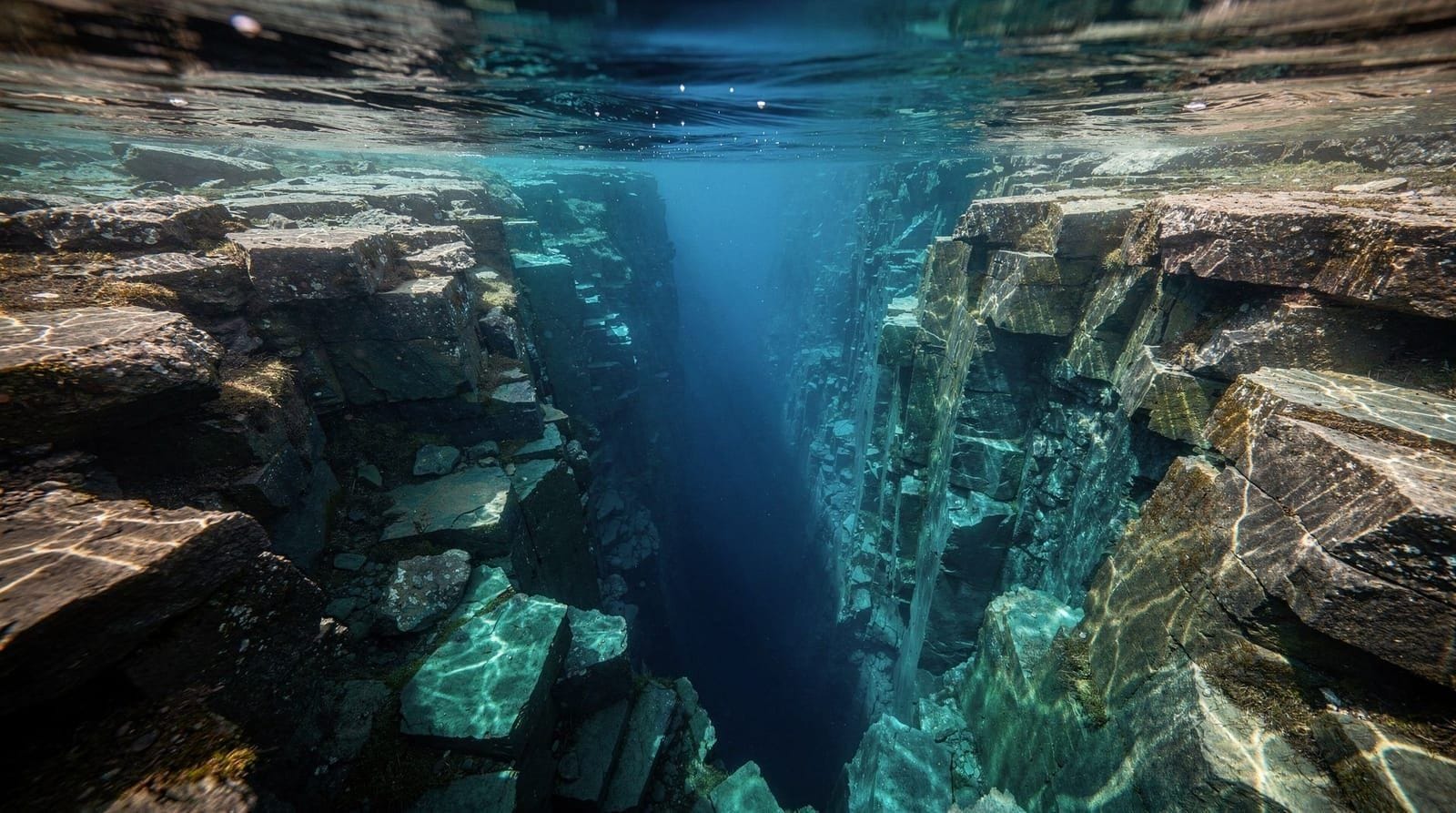
Öxará River runs through the park. In winter it can freeze enough for dramatic ice photography; in summer the water runs clear. Silfra fissure, one of the world’s top snorkeling and diving spots, is reached by a short path from the Silfra car park — separate from the main visitor area. See the dedicated Silfra snorkeling guide for what to expect.
Entry to Þingvellir is free. Car park fees are 750 ISK (cash or card). Toilets are at the visitor centre. The visitor centre café is decent for coffee.
Geysir and Strokkur: managing expectations
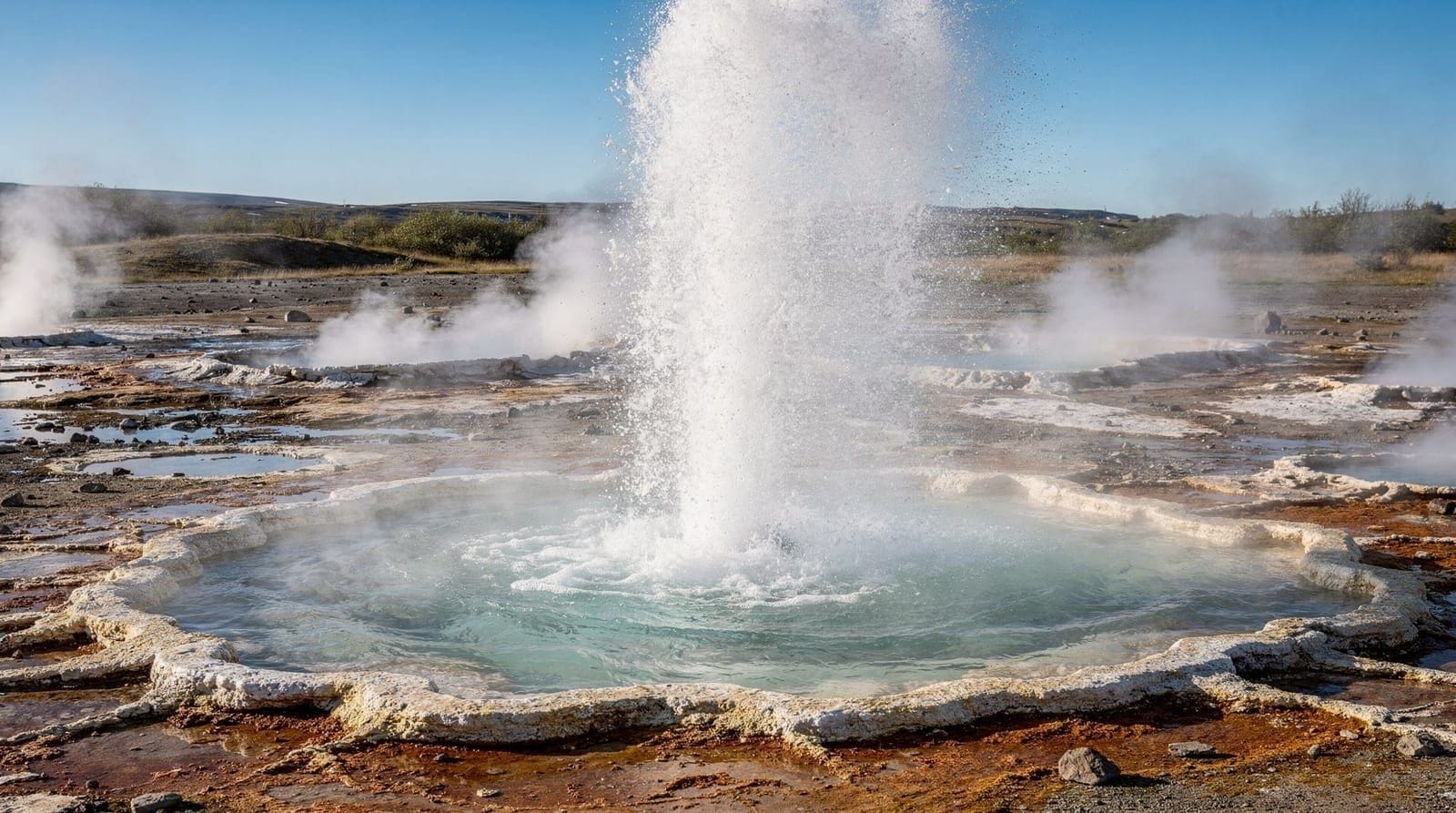
The Haukadalur geothermal area contains two geysers. Geysir itself — the one that gave all geysers their name — erupts infrequently, sometimes only a few times per day. Do not plan your visit around it.
Strokkur is 50 metres away and erupts every 6-8 minutes with clockwork reliability, shooting a column of water 15-30 metres high. Stand on the upwind side to stay dry. The eruption lasts about 2 seconds, so have your camera ready before the water starts to dome. The dome phase (the blue bubble that swells just before the eruption) lasts 1-2 seconds — that is your cue to shoot.
The surrounding area has boiling mud pots, steaming vents, and orange-stained ground from mineral deposits. The 20-minute walk around the full field is worth doing. The hotel and restaurant at the car park are expensive; bring your own snacks.
Gullfoss: Iceland’s most powerful waterfall
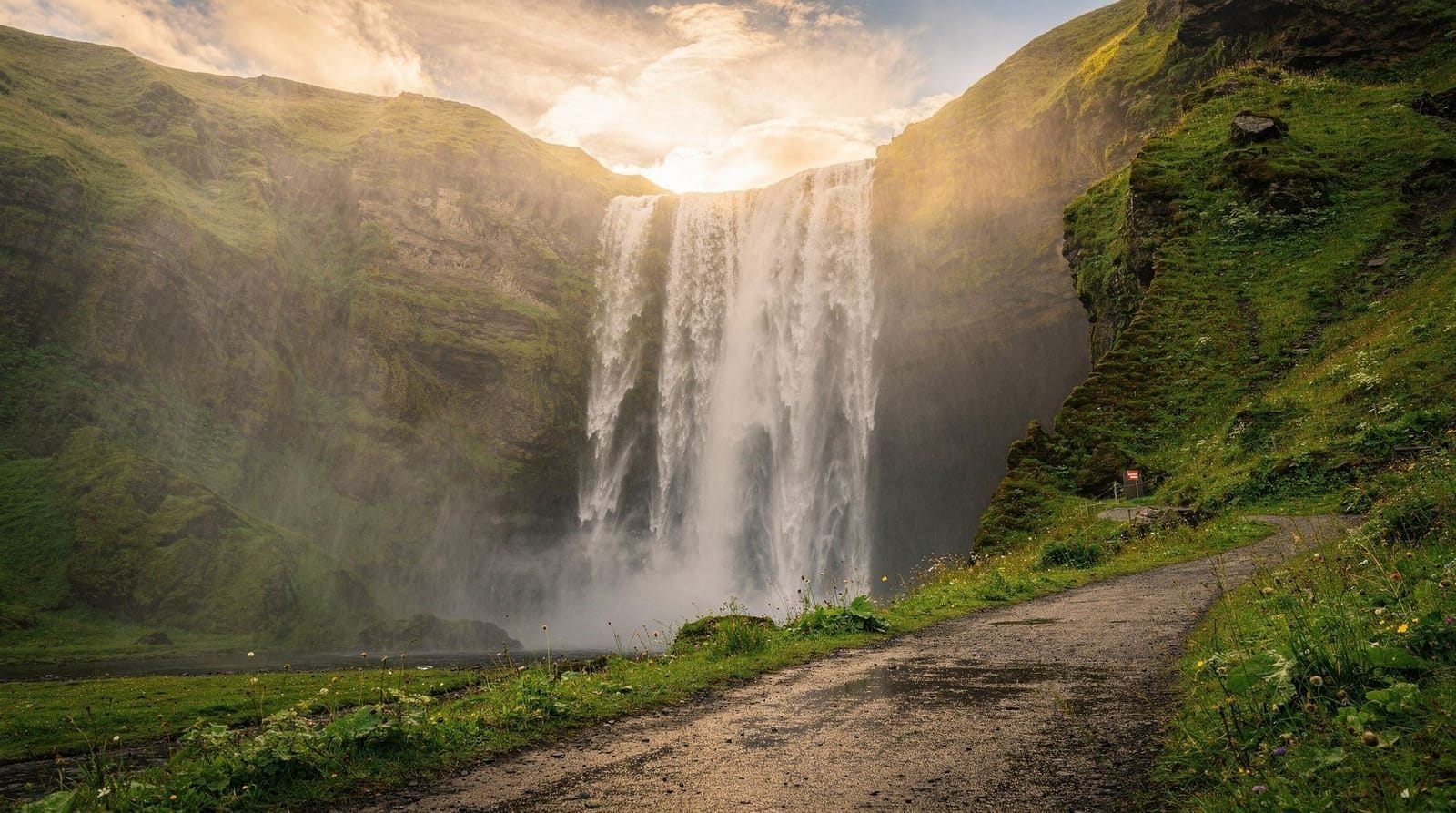
Gullfoss (Gold Falls) drops in two stages — first 11 metres, then 21 metres — into a 2.5-kilometre canyon. The volume of water is roughly 140 cubic metres per second in summer, less in winter. On sunny days a rainbow forms in the permanent mist above the lower falls.
Two viewing platforms exist: an upper one near the car park (easy walk, great overview) and a lower one reached by a steeper path that puts you level with the upper falls and close enough to the mist to need a waterproof jacket. Both are worthwhile. Budget 30-45 minutes total.
The path to the lower platform can be icy in winter and spring — crampons are sometimes needed but not always available on site. Check conditions before going all the way down if it is cold.
Small Group Golden Circle Tour — 7 StopsSelf-drive vs guided tour: honest comparison
Self-drive wins on flexibility. You choose how long to spend at each site, you can add Kerið Crater or Fridheimar, and you move at your own pace. Renting a small car for a day costs around 8,000-12,000 ISK — often less than a guided tour per person when split between two or more people.
Guided tours win on convenience and knowledge. A good guide explains why Þingvellir matters historically, identifies geothermal features at Geysir, and saves you from missing the best viewpoints. They also handle parking, which gets genuinely crowded in summer. The full comparison is in the Golden Circle self-drive vs tour guide.
For budget travellers or solo travellers, guided tours on a shared bus are price-competitive.
Add-ons that are worth it
Kerið Crater (700 ISK, 20 minutes): A well-preserved volcanic crater with a vivid teal lake at the bottom. It sits right on Route 35 on the way back to Reykjavik. Easy yes.
Fridheimar tomato farm: Geothermal greenhouses that produce a significant share of Iceland’s tomatoes. They serve an all-day tomato soup lunch and the greenhouse experience is genuinely interesting. Pre-booking required.
Secret Lagoon at Flúðir: A natural hot pool that is significantly cheaper and less developed than the Blue Lagoon. Around 3,000 ISK entry. About 15 minutes off the main Golden Circle route. Good alternative if you want warm water without the crowds. Compare the spa options in the Blue Lagoon vs Sky Lagoon guide.
Silfra snorkeling: Can be added to any Golden Circle day since Silfra is in Þingvellir National Park. Plan for an extra 3 hours including wetsuit prep and the dive itself.
Golden Circle and Kerið Crater Full-Day TourWinter vs summer on the Golden Circle
Both seasons work, but they are different experiences. In summer (June-August) the roads are clear, days are extremely long (midnight sun in June), and you can drive any car. Crowds peak in July.
In winter (November-March) snow transforms the landscape and northern lights are possible on the return drive after dark. Ice can make the Gullfoss lower path difficult. The roads are ploughed but can be slick. Check road.is every morning before departure during winter. Some guided tours, like this Golden Circle and northern lights combo tour, include a northern lights hunt on the same evening — see the northern lights season guide for what conditions actually produce a display.
The shoulder seasons (April-May, September-October) offer a balance: lighter crowds, reasonable road conditions, and better aurora chances than midsummer. Late September gets early snowfall on higher ground.
What to bring
Year-round: waterproofs, layers, good walking shoes (the Þingvellir rift path is uneven in places), snacks and water. Iceland’s weather changes fast — a sunny morning at Þingvellir can turn to sleet at Gullfoss.
Winter additions: thermal layers, gloves, and a hat. Microspike traction devices if you plan the lower Gullfoss path.
Summer: sunscreen and sunglasses. In June the sun barely sets, which means UV exposure is higher than you expect.
Fitting the Golden Circle into your trip
For most visitors, the Golden Circle is best done on day 2 or 3 of a Reykjavik-based trip — after you have settled in and before your legs are tired from other adventures. It pairs well with a morning at the Blue Lagoon on the same day if you visit the Blue Lagoon first (on the way out of Reykjavik) and do the Golden Circle loop after.
The Reykjavik 3-day itinerary places the Golden Circle on day 2, which works well. The Iceland 7-day itinerary combines it with Þórsmörk in the highlands for a fuller picture of Iceland’s interior.
Private Golden Circle Full-Day Trip from ReykjavikWhat most first-time visitors get wrong about pacing
The single most common Golden Circle mistake is treating it as a checklist of three photo stops rather than a full day out. Þingvellir alone rewards an hour or more if you actually walk the Almannagjá gorge to its far end rather than turning back after the first viewpoint — most of the historical context (the Law Rock, the site of the old parliament assemblies) sits further along the path than casual visitors realise. Rushing this to “do” all three sites in five hours means seeing photographs you could have found online rather than experiencing the place.
The second common mistake is underestimating how weather-dependent the visual experience is, even though none of the three sites requires good weather to be accessible. A misty, overcast day at Gullfoss can be more atmospheric than a clear one — the spray and cloud merge into the landscape — while a clear day at Þingvellir gives the best long views across the rift valley. Neither is a “bad” day to visit; it changes what you should expect to see rather than whether the trip is worth doing.
Realistic timing if you’re combining add-ons
Adding Kerið Crater, Fridheimar, or the Secret Lagoon each adds 30-90 minutes to the base 7-9 hour loop — a Golden Circle tour that already bundles Kerið Crater and the Secret Lagoon keeps the logistics simple if you’d rather not plan the add-ons yourself. Combining more than one add-on with Silfra snorkeling in a single day is possible but makes for a genuinely long day (10-12 hours) — most visitors are better served picking one or two add-ons rather than all of them. If your schedule is tight, the Reykjavik 3-day itinerary shows how the classic loop alone fits comfortably into a single day without feeling rushed.
Frequently asked questions about Golden Circle Iceland
Is the Golden Circle free to visit?
All three main sites — Þingvellir, Geysir, and Gullfoss — are free to enter. You pay 750 ISK for car parking at Þingvellir. Kerið Crater charges 700 ISK entry. Budget for petrol (roughly 3,000-4,000 ISK for the full loop depending on your car) and any food stops.
When is the best time of day to visit?
Early morning (before 9:30) or late afternoon (after 5 p.m.) for Þingvellir, which gets crowded midday in summer. Geysir and Gullfoss are busiest at midday. If you start by 8 a.m., you can have Þingvellir almost to yourself before the tour buses arrive.
How many days should I spend on the Golden Circle?
One long day is enough for the classic loop. Two days makes sense only if you are adding remote F-roads in the interior (which require a 4WD and are only open June-September) or combining with the South Coast.
Can I do the Golden Circle in winter?
Yes. The roads are ploughed and tours run year-round. Winter light (when the sun is low from November to February) makes the landscapes unusually dramatic. Northern lights are possible on the drive home after dark. Carry chains or fit winter tyres if self-driving.
What is the difference between Geysir and Strokkur?
Geysir is the original, now largely dormant. Strokkur erupts every 6-8 minutes and is what you will actually see. Both are in the same geothermal field. Stand 10 metres back and upwind.
Should I combine the Golden Circle with the South Coast?
Only if you are comfortable with a very long day (12+ hours). Most travellers find each route deserves its own day. The South Coast complete guide outlines what that day looks like. The Iceland 5-day summer itinerary gives a workable schedule for both.
Is there a guided tour that does both the Golden Circle and Silfra snorkeling?
Yes. Several operators combine both into a single day, such as this Golden Circle tour with Silfra snorkeling included — the snorkeling happens in the morning at Þingvellir, then the group continues to Geysir and Gullfoss. It makes for a full but very rewarding day.
Top experiences
Bookable activities with verified prices and instant confirmation on GetYourGuide.