Glacier Hikes and Ice Caves in Iceland: What to Expect
Sólheimajökull: Guided Glacier Hike
Duration: 3 hours
Do I need a guide for a glacier hike in Iceland?
Yes, always. Icelandic glaciers have hidden crevasses, unstable ice bridges, and meltwater channels invisible from the surface. Certified guides provide crampons, helmets, and know which routes are safe that day. Never walk onto a glacier alone.
Why Iceland’s glaciers require respect
Iceland sits on top of the Mid-Atlantic Ridge and has 11 active volcanic systems buried under its ice. Vatnajökull, the largest glacier, covers more than 8% of the country’s total land area. These are not frozen ponds. They are dynamic, constantly moving rivers of ice with surfaces that crack, shift, and conceal hazards no map can capture.
Tourists die on Icelandic glaciers every few years, almost always having walked onto the ice independently without crampons, guides, or knowledge of local conditions. This is not catastrophising. The crevasses are real, the meltwater streams are real, and the unstable seracs (ice towers) are real. Every single guided operator makes this clear, and every single certified guide in Iceland has seen what happens when people ignore it.
The good news is that guided glacier hikes are not difficult, not expensive by Iceland standards, and operate year-round on Sólheimajökull. You do not need to be a mountaineer. You need waterproof boots, a willingness to wear a helmet, and to follow instructions.
| Where | Sólheimajökull (~2.5hrs), Vatnajökull/Skaftafell (~4.5-5hrs) |
| Cost | Around ISK 15,000-25,000 for a guided glacier hike |
| Time needed | 2-2.5 hours on ice, plus travel |
| Guide | Mandatory — never walk onto a glacier alone |
| Ice caves | Natural caves: Nov-Mar only; Katla and Into the Glacier: year-round |
Sólheimajökull: the best glacier for first-timers
Sólheimajökull is a glacier tongue of Mýrdalsjökull that extends toward the South Coast highway near Vík. It is roughly 2.5 hours by car from Reykjavik via Route 1, and several guided tour operators run shuttle vans from Reykjavik that stop here as part of South Coast day trips, including this Sólheimajökull glacier hike departing directly from Reykjavik.
The glacier is reached by a 20-minute walk from the car park across a gravelly outwash plain. You can see the ice from the car park itself. Once at the glacier edge, certified guides distribute crampons and helmets, give a safety briefing, and lead groups onto the ice.
Beginner hikes last 2-2.5 hours on the ice and cover 1.5-2 km, with stops to look into crevasses (from a safe vantage point), examine ice formations, and discuss the glacier’s retreat over the past 30 years. The guide shows you ice that is thousands of years old. The what to pack for Iceland guide covers footwear and layering for glacier conditions in detail.
Intermediate and advanced routes go deeper and longer. Some include basic ice climbing with ice axes. Pre-booking is essential in summer — some operators sell out weeks in advance.
Sólheimajökull: Guided Glacier HikeVatnajökull and the Skaftafell area
Vatnajökull is Europe’s largest glacier by volume. Its southern margins sit within Skaftafell, part of Vatnajökull National Park, roughly 4.5-5 hours from Reykjavik. Skaftafell is normally combined with a visit to Jökulsárlón glacier lagoon, making it a long day or overnight trip.
The main hiking glaciers in the Skaftafell area are Svínafellsjökull and Falljökull. Both are accessible by short walks from the visitor centre and have guide operations. The routes are slightly more dramatic than Sólheimajökull — larger ice formations, deeper crevasses — but are still rated suitable for beginners with a guide.
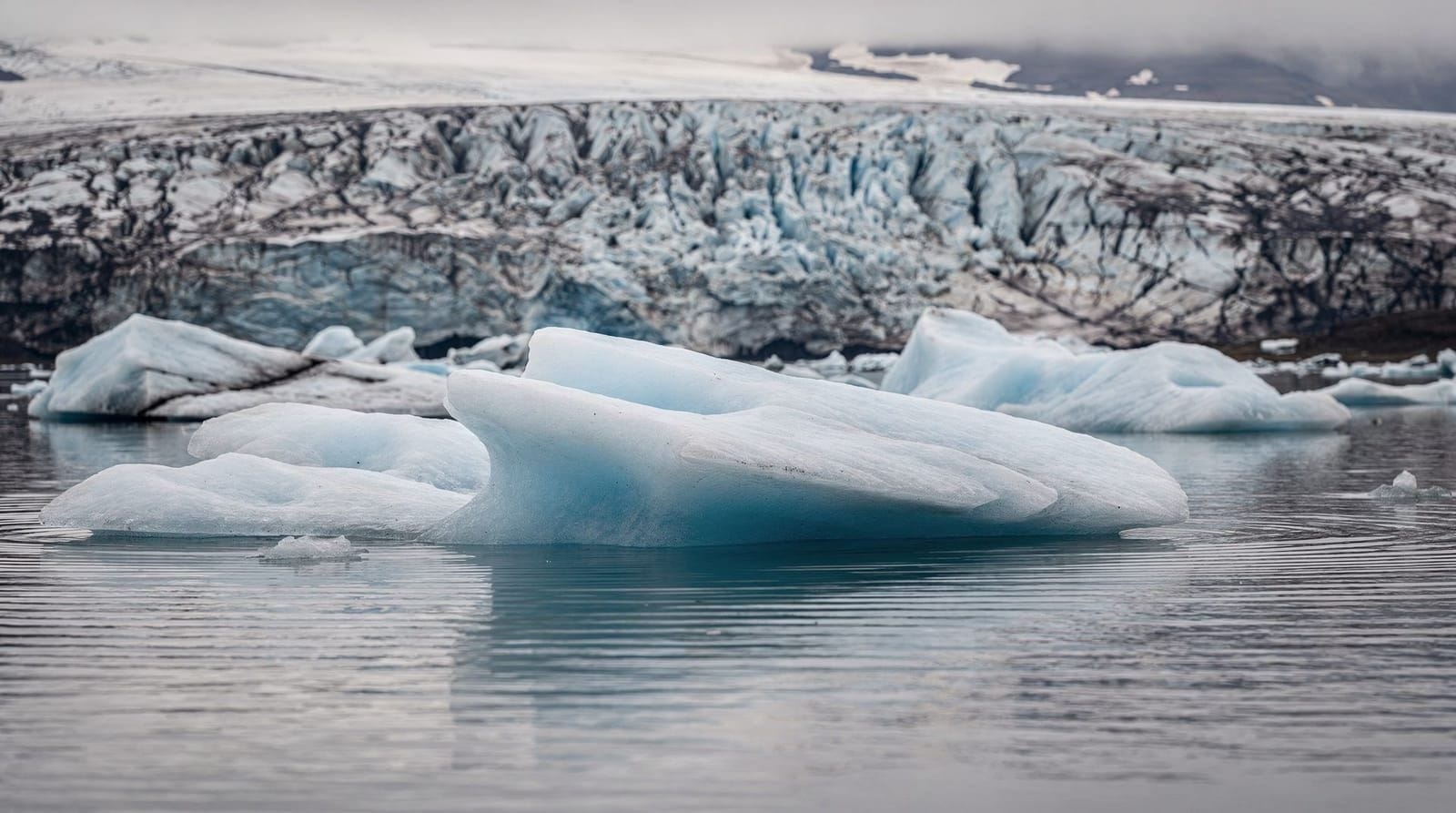
The Jökulsárlón glacier lagoon sits at the toe of Breiðamerkurjökull glacier, a separate outlet glacier. You can see icebergs calving from the shore. Glacier hiking there is different — you access the ice via zodiac boat tours in summer or walk the glacier directly with guides. The scenery is unmatched in Iceland.
Natural blue ice caves: November to March only
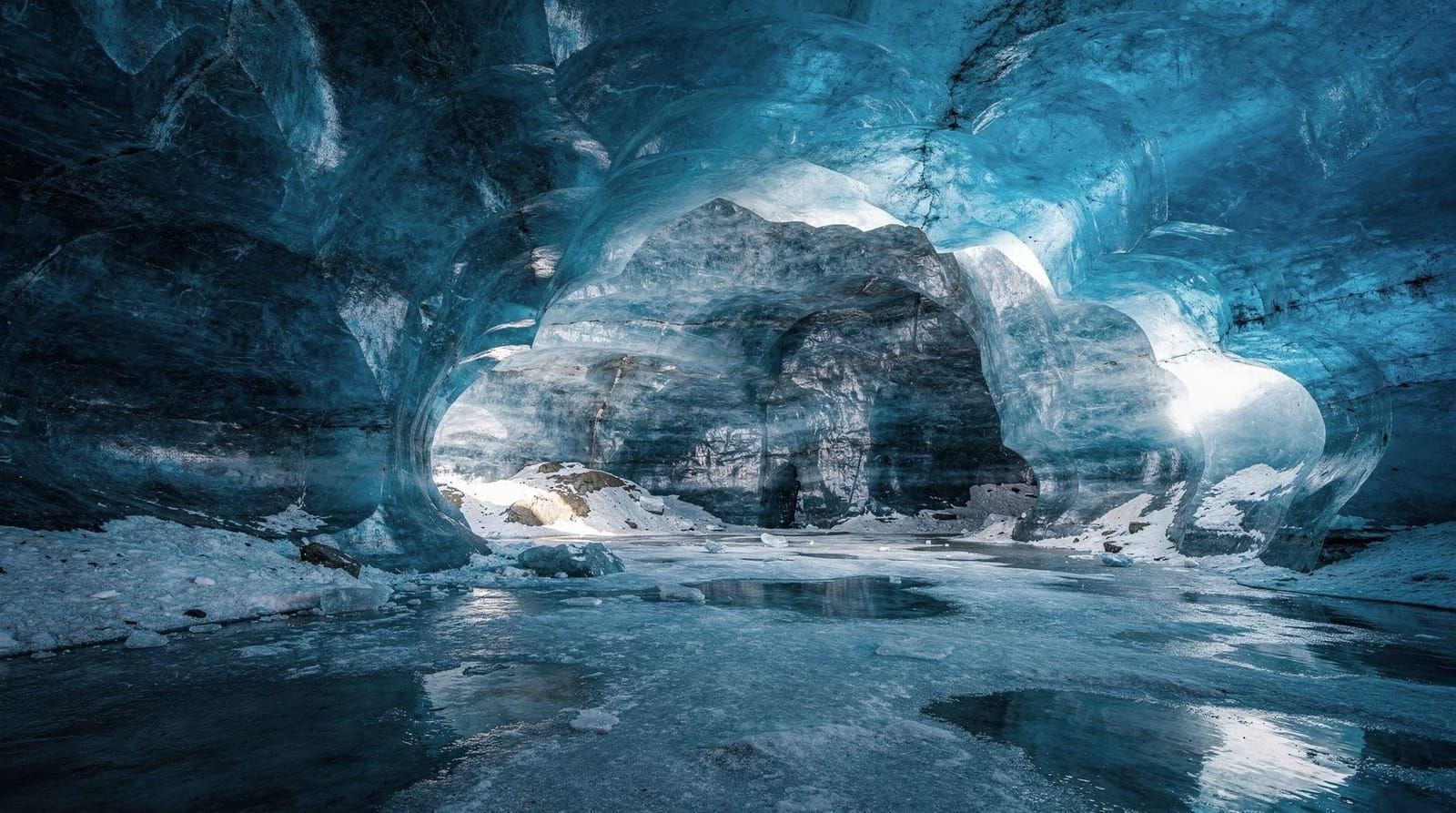
Natural ice caves form inside glaciers where meltwater has carved channels through the ice. The walls are compressed blue ice — the colour comes from the density of the ice absorbing all other light wavelengths. The effect is extraordinary: standing inside an ice cave feels like being inside a blue lantern.
The critical constraint is seasonality. In summer the glacier surface melts rapidly, making caves structurally unstable and extremely dangerous. Natural ice caves are only safely accessible from approximately late October or November through March. Most operators run ice cave tours November to March, sometimes extending into April if conditions allow.
The main natural ice cave area is within Vatnajökull, accessible from Jökulsárlón or Skaftafell. Tours run in small groups (typically 8-12 people maximum) and are weather-dependent — operators cancel if cave conditions change that morning. Booking several months ahead for November-February tours is strongly recommended; this is one of Iceland’s most popular winter experiences.
Jökulsárlón: Vatnajökull Ice Cave Guided TourKatla ice cave: year-round and unique
Katla is a subglacial volcano beneath Mýrdalsjökull, close to Vík. Geothermal heat from Katla creates ice caves in the Kötlujökull glacier tongue that remain stable year-round because volcanic heat prevents the summer melting that closes Vatnajökull caves.
This makes Katla ice caves one of Iceland’s few glacier cave experiences available in summer. The caves are typically black and grey rather than the vivid blue of Vatnajökull — the colour comes from volcanic ash mixed into the ice. They are smaller and the aesthetic is different, but the experience of being inside a geothermal ice formation is genuinely unusual.
Tours from Vík use super jeeps to access the glacier, then guide groups into the cave. The South Coast complete guide covers how to combine a Katla cave tour with the other South Coast highlights.
Into the Glacier: Langjökull ice tunnel
Into the Glacier is a man-made tunnel system drilled into Langjökull, Iceland’s second-largest glacier, near the Golden Circle. Unlike natural ice caves, it is a fixed tunnel infrastructure that is open year-round regardless of weather. Tour operators run daily departures from Reykjavik, Gullfoss, or as part of a Húsafell ice cave adventure.
The tunnel goes 500 metres into the glacier and includes an ice chapel and ice exhibition. It is more structured and less raw than natural ice caves, but offers a consistent, weather-independent experience. Good option for families, for visitors in summer, or for anyone who does not want to risk a natural cave being cancelled. For a more adventurous approach to the same glacier, a Langjökull snowmobile tour combined with an ice cave visit, departing from Reykjavik, pairs the tunnel with time riding on the glacier surface.
Into the Glacier Ice Cave Tour from ReykjavikWhat to wear and bring
The number one error tourists make on glacier hikes is footwear. Trainers, fashion boots, and wellies are all inadequate. You need waterproof hiking boots with ankle support that crampons can be fitted over. If your boots have a smooth rubber sole without lugs, ask your operator before arriving — some provide rental boots.
Layering is essential. Glacier surfaces are cold even in July, and temperatures on the ice are 5-10 degrees colder than in the valley below. Base layer (synthetic or wool), insulating mid-layer (fleece or down), waterproof shell jacket and waterproof trousers. Gloves and a hat even in summer.
Tour operators provide crampons, helmets, and ice axes as part of the tour fee. Gaiters are helpful but usually not required on beginner routes.
Bring water and a snack. Glacier hikes with transport from Reykjavik are long days.
Glacier retreat: what you see today vs the maps
Iceland’s glaciers are retreating rapidly. Sólheimajökull has lost several hundred metres of length in the past two decades. The outwash plain you walk across to reach the glacier was ice in the 1990s. Many guided tours include a stop at a marker showing where the glacier edge was in past decades — the distances are startling. For context on the best time of year to visit Iceland for glacier activities, the dedicated seasonal guide covers each season’s specific conditions.
This is not a reason to feel guilty about visiting. Quite the opposite: visiting a glacier with a certified guide and understanding what is happening to it is an education that photographs cannot provide. Many guides are deeply engaged with the science of glacial retreat and can explain it in real terms.
Planning: which glacier tour is right for you
| Situation | Best choice |
|---|---|
| Based in Reykjavik, 1 day | Sólheimajökull on a South Coast combo tour |
| Want blue ice caves, winter visit | Vatnajökull natural ice cave from Jökulsárlón |
| Summer visit, want ice cave experience | Into the Glacier (Langjökull) or Katla ice cave |
| Combining with Jökulsárlón | Skaftafell glacier hike, same day |
| With children (8+) | Sólheimajökull beginner hike, or Into the Glacier |
The Iceland 7-day itinerary places glacier hiking on day 4, combined with Jökulsárlón — this is the most efficient way to see both without an additional day. For the winter version, the Iceland winter 4-day itinerary includes an ice cave day.
Crystal Blue Ice Cave Super Jeep Tour from JökulsárlónComparing a glacier hike to an ice cave visit if you can only pick one
If time or budget allows only one glacier-related activity, the honest distinction is this: a glacier hike is an active, physical experience where you walk on the ice itself with crampons, learn about crevasses and glacial features up close, and cover real ground. An ice cave visit is shorter, less physically demanding, and centres on the visual spectacle of the blue ice walls rather than the activity of walking. Families or travellers less confident on uneven ground often prefer the ice cave; those wanting a genuine outdoor adventure lean toward the hike. Neither is objectively better — they answer different questions about what kind of glacier experience you actually want.
Choosing the right glacier experience for your fitness and schedule
Beyond the season and location factors above, the right choice also depends on how much of a “day” you can dedicate. A Sólheimajökull hike as part of a South Coast day tour from Reykjavik is a long but single day (12-14 hours door to door). Vatnajökull ice caves and Skaftafell glacier hikes are realistically a 2-day commitment once travel time from Reykjavik is factored in, which is why most itineraries pair them with an overnight in Vík or Höfn rather than attempting a return trip in one day.
If mobility or time is limited, Into the Glacier’s man-made tunnel removes both the weather risk and the multi-hour ice trek, at the cost of a less raw experience. It is also the only glacier-cave option reliably bookable well in advance regardless of season, since it does not depend on natural cave stability.
Frequently asked questions about Iceland glacier hikes and ice caves
How fit do I need to be for a glacier hike?
Standard beginner hikes require moderate fitness — equivalent to walking on hilly terrain for 2 hours. The crampons add grip so the ice is not slippery. People in their 70s regularly complete beginner hikes. Ask your operator about specific route difficulty if you have mobility concerns.
What is the minimum age for glacier hikes?
Most operators require a minimum age of 8-10 for beginner hikes. Children must be physically capable of wearing crampons properly. Confirm with your specific operator when booking.
Can I do a glacier hike in winter?
Yes. Sólheimajökull operates year-round. In winter there is less daylight but the ice formations can be more dramatic. You need good waterproofs and warm layers. Ice caves (Vatnajökull) are also only available in winter.
How far in advance should I book ice cave tours?
For Vatnajökull ice caves in November-February, booking 2-4 months ahead is wise. Summer glacier hikes (Sólheimajökull) can usually be booked 1-2 weeks ahead, though peak July is competitive.
What happens if my ice cave tour is cancelled?
Reputable operators offer free rebooking or full refunds if conditions make a tour unsafe. This is built into the booking terms. If you are on a tight schedule, book early in your stay to allow rebooking time.
Is there a free way to see a glacier in Iceland?
You can walk to the edge of several glacier tongues for free, including Sólheimajökull. But you cannot safely walk onto the ice without a paid guided tour. The edge viewing is free; the actual hike requires a guide.
Where should I stay to do an ice cave tour?
Vík is the most convenient base for South Coast glacier hikes. For Vatnajökull ice caves, staying in or near Höfn gives the best access. Both are 4-5 hours from Reykjavik, making them better as overnight trips. The Iceland 7-day itinerary handles the logistics.
Top experiences
Bookable activities with verified prices and instant confirmation on GetYourGuide.