Midnight Sun in Iceland: What It Is, When It Happens, and What to Expect
Reykjavik: Golden Circle Midnight Sun Minibus Tour
When is the midnight sun in Iceland?
The midnight sun — where the sun does not set below the horizon — occurs around the summer solstice, roughly June 18-24. Extended twilight with bright usable light runs from approximately late May to mid-July. During this period there is no darkness and Northern Lights are not visible.
What the midnight sun actually looks like
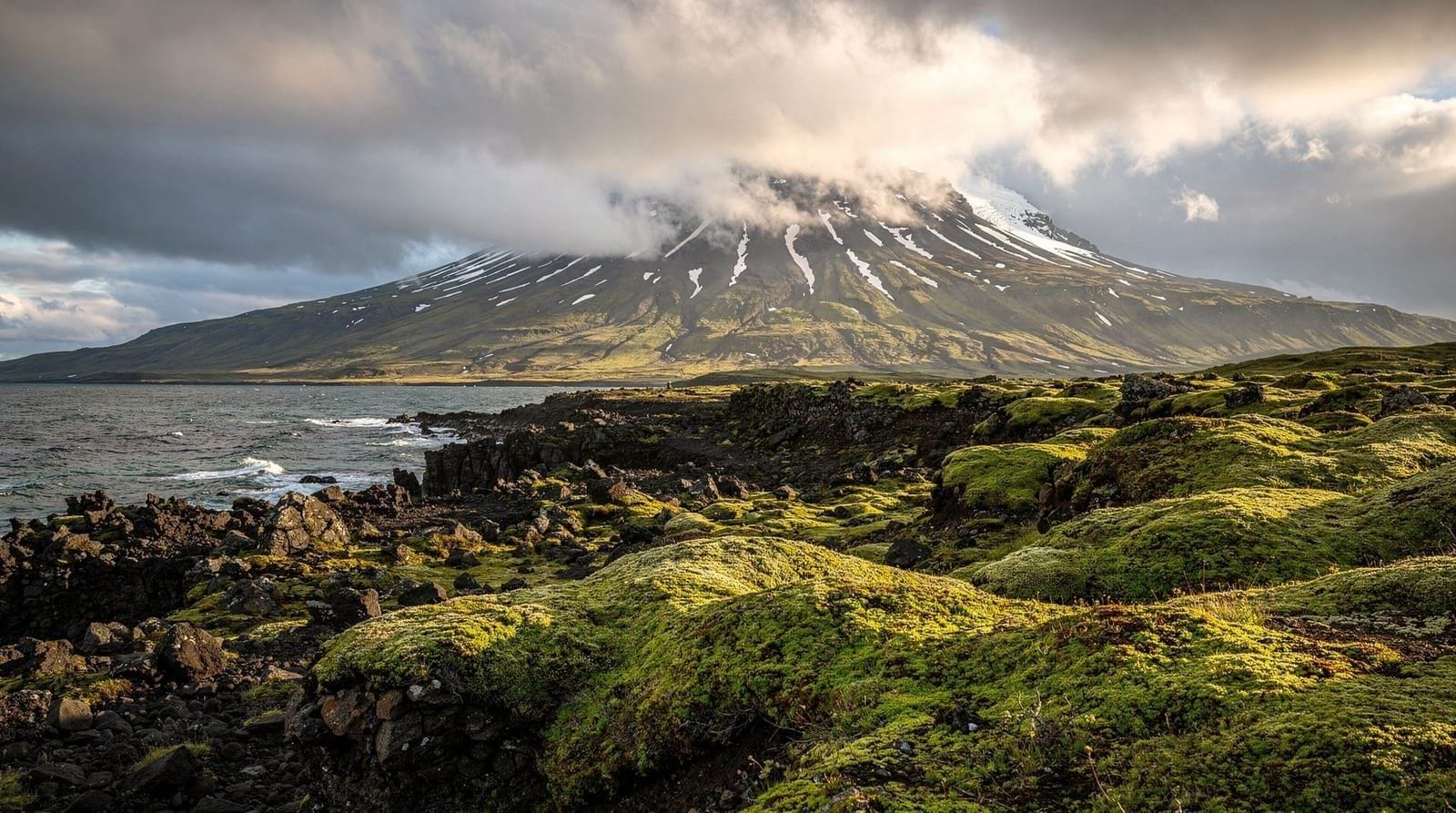
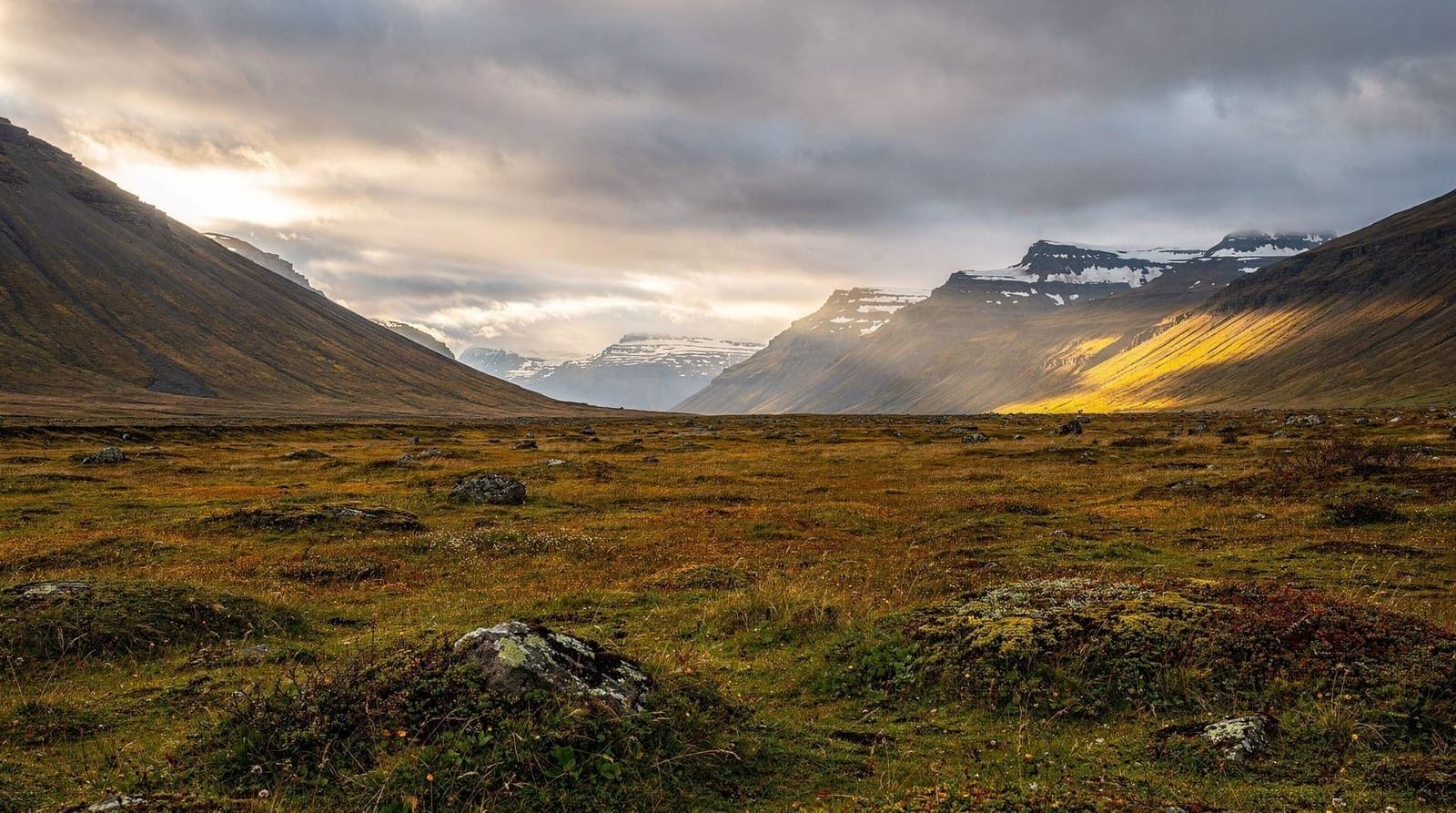
The midnight sun is not a trick of language. In late June in Reykjavik, the sun at 23:30 sits low on the northern horizon, casting long golden shadows across the lava fields and harbour. The sky is amber and salmon, the light is soft and warm, and it stays exactly like that until the sun climbs back toward morning without ever having been dark.
For most visitors, the experience is both stranger and more beautiful than they anticipated. The light at midnight in Iceland looks like sunset and sunrise compressed into one continuous, hours-long show. For photographers, it is a gift — golden hour lasts approximately six hours instead of forty minutes.
The practical challenge is that your body clock has no dark signal. Restaurants are full at 21:00. Families with young children are walking on the harbour at midnight. Your hotel room glows. This guide covers what the midnight sun actually is, when it occurs, how to live with it, and how to use it.
| Peak window | Approximately June 18-24 (summer solstice) |
| Bright-night season | Late May to mid-July |
| Where | Reykjavik and all of Iceland; strongest effect further north |
| What’s lost | No Northern Lights visibility during this window |
| Best for | Photography, long hikes, midnight Golden Circle tours |
When does the midnight sun occur in Iceland?
Peak midnight sun: Around the summer solstice, approximately June 18-24. In Reykjavik (latitude 64°N), the sun dips just fractionally below the northern horizon for a short window, but the sky never reaches full darkness. In Akureyri (~65.7°N) and further north, the sun stays completely above the horizon on the longest days.
Extended bright season: The practical range of continuous or near-continuous bright nights runs from late May to mid-July. Specifically:
- From approximately May 21, civil twilight (bright enough to see clearly without artificial light) persists all night.
- From approximately June 1, astronomical darkness (the kind dark enough for stars) is absent.
- The solstice falls on approximately June 21.
- Astronomical darkness returns around July 15.
- Civil twilight nights end approximately mid-August.
What this means for planning: If you travel in June or early July, you will not experience a dark sky. If you travel in late July or August, you will begin to see proper sunsets and stars again, with dark returning by late August. For Northern Lights, you need to be in Iceland September through April — the two phenomena cannot coexist.
Why the midnight sun happens in Iceland
Iceland sits between latitudes 63°N and 67°N. At latitudes above approximately 66.5°N (the Arctic Circle), the sun does not set at all around the solstice. Iceland’s capital is just south of this, which is why Reykjavik gets near-continuous light rather than the uninterrupted 24-hour sun seen in northern Norway or Greenland. The effect is nonetheless dramatic.
The Earth’s axial tilt of 23.5 degrees is what causes this — during summer, the northern hemisphere is tilted toward the sun, giving extreme northerly latitudes very long days. The inverse produces the Polar Night in winter.
How to sleep: practical advice
The challenge of sleeping during the midnight sun is real. Melatonin production requires darkness, and without a dark signal, some travellers struggle to sleep more than 4-5 hours per night.
What actually works:
- Blackout curtains: Most hotels in Iceland provide them during summer, but quality varies. The best Icelandic accommodation has proper blackout blinds that seal the window edges. Ask when booking if this matters to you.
- Sleep mask: Pack one regardless of what the hotel provides. It costs almost nothing and weighs nothing. This is one of the most useful items on the Iceland packing list.
Melatonin supplements: Available over the counter. Some travellers find a low dose (0.5-1mg) 30 minutes before the intended sleep time helps reset the body clock. 4. Adapt the schedule: Some travellers simply accept sleeping fewer hours and adjust by having an extended nap in the afternoon. You are not in Iceland for the sleep. 5. Ear plugs: Reykjavik city centre is lively late in summer. The combination of light and street noise can be disruptive in lighter-sleeping accommodation.
What to do during the midnight sun hours
The most obvious benefit of 24-hour light is that outdoor activities have no effective closing time.
Hiking: Trails that require an early start to beat the heat elsewhere in the world can be walked at 22:00 in Iceland’s summer light. The Highlands (Landmannalaugar) are accessible via F-road from mid-June and can be hiked in the evening with the same light quality as midday. The South Coast’s sea stack walks and cliff edges at Vik are extraordinary in late-evening golden light.
Photography: The continuous golden hour between approximately 21:00 and 02:00 produces the warm, low-angled light photographers call magic hour — but sustained for six hours. Seljalandsfoss waterfall with the cave walk lit by warm horizontal sunlight at midnight is a genuinely stunning composition.
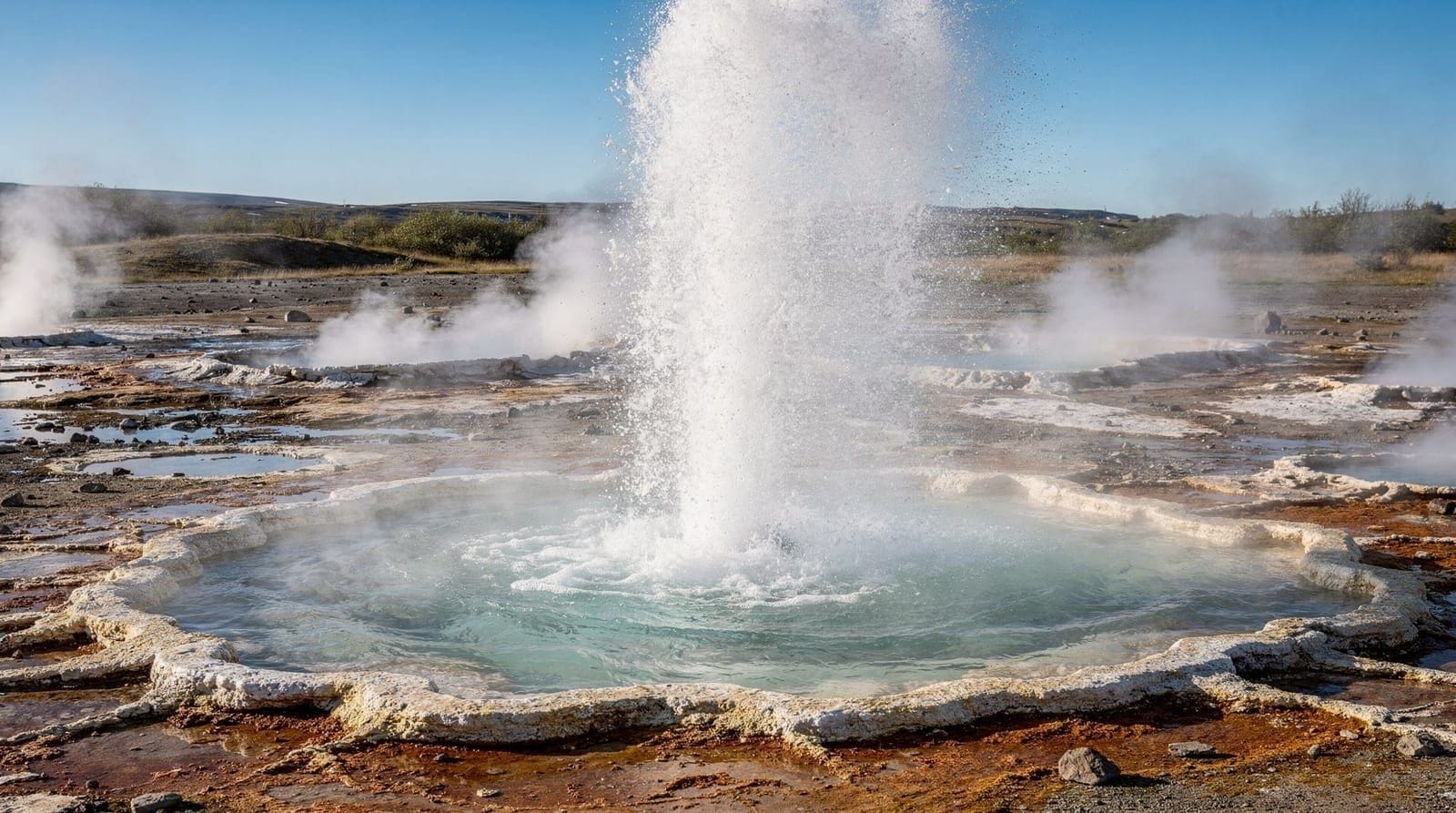
The Golden Circle at midnight: Organised evening tours specifically exploit this. The Geysir geothermal area erupts every 5-10 minutes regardless of the hour, and Gullfoss waterfall in late-evening horizontal light is one of Iceland’s most photographed scenes. The Golden Circle complete guide covers the standard route; the midnight sun version runs through the same sites with almost no other tourists.
Golden Circle midnight sun minibus tourWhale watching: Evening tours run in perfect light in summer. Humpback whales in the harbour at 21:00 with the city behind them in warm light is an experience unavailable at any other time of year. See whale watching Reykjavik.
Glacier hiking: Evening glacier hikes on Sólheimajökull operate in summer with the same light quality as the daytime tours, often with fewer people.
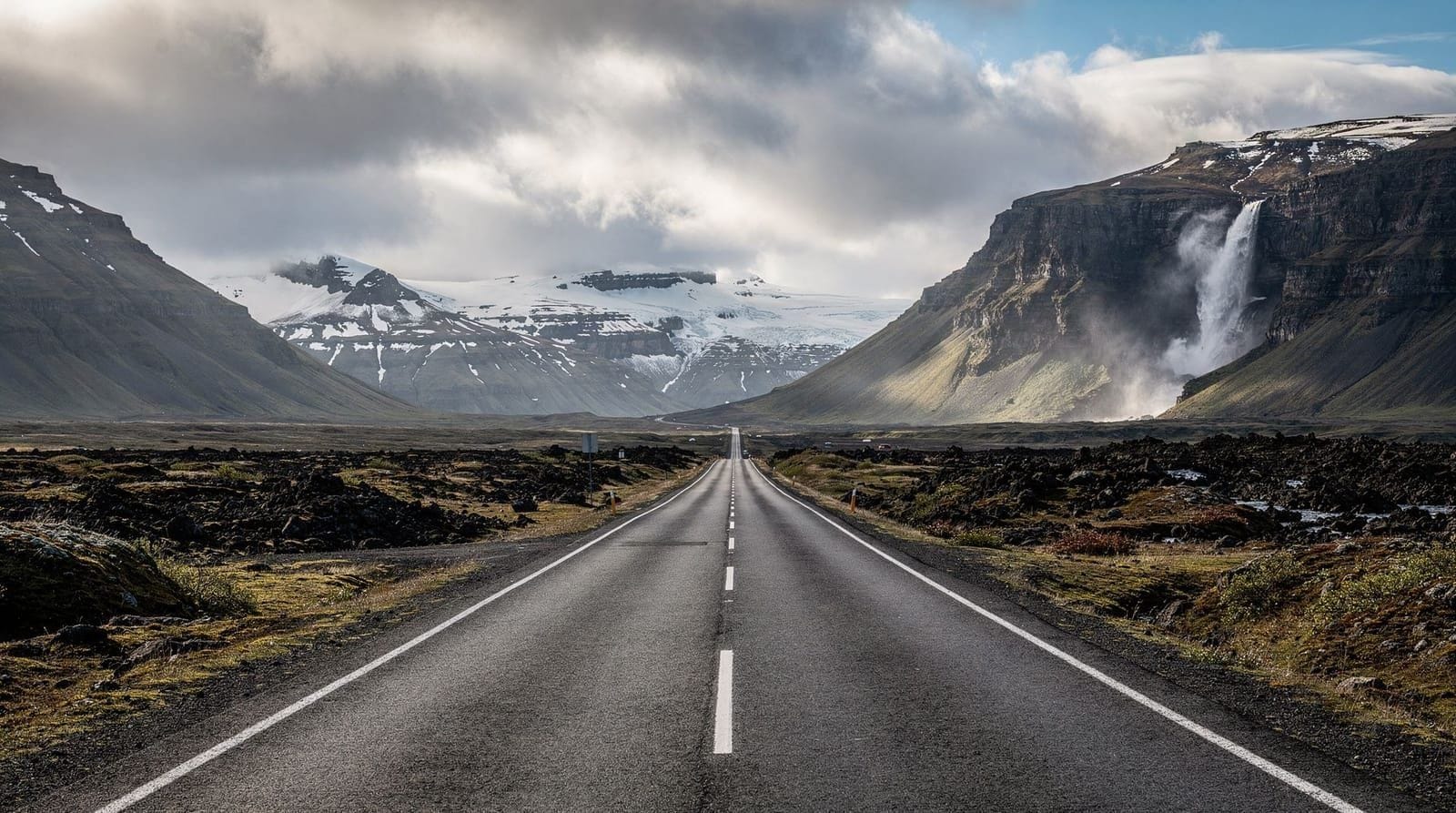
Driving: Long self-drive days effectively become longer. A road trip from Reykjavik to Jokulsarlon Glacier Lagoon can start at 15:00, stop at every South Coast waterfall without rushing, and arrive at the lagoon at midnight in the same orange-gold light as dusk. See the Iceland summer 5-day itinerary.
Puffin watching: Atlantic puffins breed in Iceland from April to August. Evening is actually the best time for puffin viewing — they are most active at the cliffs in the late evening hours. Several colonies are accessible from Reykjavik.
The midnight sun and Northern Lights: the trade-off
The single most common misconception: visitors book a June trip hoping to see both the midnight sun and Northern Lights, and are disappointed to find this is not possible.
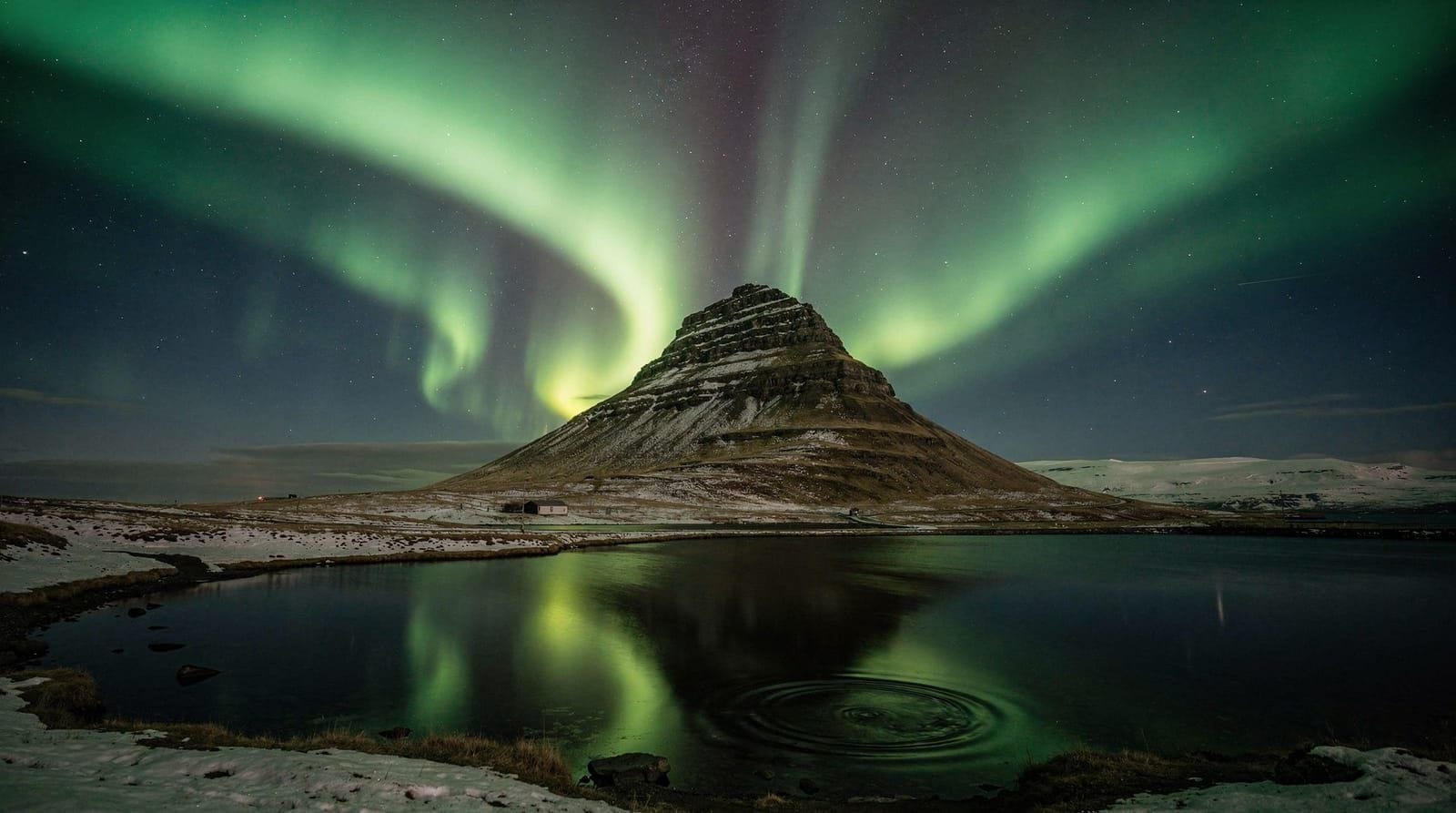
Northern Lights require complete darkness. The aurora borealis is an atmospheric phenomenon only visible against a dark sky. From approximately late May to mid-July, Iceland’s sky never reaches the darkness required for aurora visibility. You will not see Northern Lights during the midnight sun period.
The reverse is also true: if you visit for Northern Lights in winter, you will experience only 4-6 hours of daylight in December-January, and you will not see the midnight sun.
Choose your priority:
- Midnight sun, Highlands, maximum outdoor activity: June-early July
- Northern Lights, ice caves, winter landscapes: November-March
- Best balance of reasonable daylight and Northern Lights potential: September-October or March-April
For the full seasonal analysis, see best time to visit Iceland and the Northern Lights season guide.
Midnight sun on the South Coast and Snaefellsnes
The South Coast’s waterfalls — Seljalandsfoss (where you can walk behind) and Skogafoss — are among the most visited in Iceland for good reason. In midnight sun conditions, both are accessible at any hour with the same extraordinary light. The South Coast complete guide covers the full route.
Snaefellsnes Peninsula faces west. The Kirkjufell mountain — one of Iceland’s most photographed peaks — in late evening summer light with a double waterfall foreground is a composition that fills photography portfolios. The sun sets westward over the Atlantic in a spectacle that lasts two hours.
South Coast full-day tour: waterfalls, black sand, glacierPlanning your midnight sun visit
Book accommodation with confirmed blackout curtains. Read reviews specifically mentioning sleep quality in summer. Properties that were built or refurbished recently are more likely to have proper blackout systems.
Adjust your daily schedule. If you are sleeping 23:00-07:00, you are wasting the best light. A schedule of 08:00-12:00 activity, long lunch, 16:00-02:00 activity (the golden hours), late dinner, and sleep from 01:30-08:00 uses the midnight sun season properly.
Plan outdoor activities for the evening. In July, visiting Seljalandsfoss at 06:00 or 22:00 means far fewer people than midday. Same waterfall, fraction of the crowd.
See the Reykjavik 5-day itinerary and Iceland 7-day from Reykjavik for summer schedule suggestions.
Month-by-month: how bright is it really
Late May: Civil twilight persists all night; the sky never goes fully dark, though it dims noticeably around 01:00-03:00. A gentle introduction to the phenomenon without the full solstice intensity.
June: The core midnight sun month. Astronomical darkness disappears from around June 1, and the solstice around June 21 delivers the brightest, longest days of the year. This is the single best month to experience the effect at full strength.
Early July: Still very bright, with the sky beginning a slow transition back toward proper darkness by mid-month. Most visitors in early July still describe the experience as “midnight sun” in practice, even if technically past the solstice peak.
Mid-to-late July: Astronomical darkness returns around July 15, though nights remain long and bright well into August. Photographers who want both a taste of true dark-sky stars and lingering long evenings sometimes prefer this window.
Where the effect is strongest
Reykjavik, at roughly 64°N, gets a dramatic but not absolute midnight sun — the sun dips just below the horizon for a short stretch even at the solstice peak. For travellers who want the sun visibly above the horizon at midnight with no dip at all, destinations further north such as Akureyri and the Westfjords deliver a more complete version of the phenomenon, though Reykjavik’s version is more than enough to disorient a first-time visitor and requires no extra driving to experience.
Frequently asked questions about Iceland’s midnight sun
Does the sun literally never set during Iceland’s midnight sun?
In Reykjavik, the sun technically dips just below the horizon briefly around the solstice, but the sky stays bright enough to read outside at midnight. Further north, the sun stays entirely above the horizon.
How do you sleep during Iceland’s midnight sun?
Blackout curtains and a sleep mask are the practical solutions. Most quality hotels have blackout blinds. Pack a sleep mask regardless. Some travellers use melatonin supplements.
Can you see the Northern Lights during the midnight sun?
No. The two are mutually exclusive. Northern Lights require dark skies, which disappear approximately late May to mid-July in Iceland.
What can you do in Iceland at midnight in summer?
Hike, photograph, drive, take a midnight Golden Circle tour, watch puffins, kayak, or simply sit at a viewpoint in long golden light. The activity window effectively doubles compared to visiting in winter.
Does the midnight sun affect tours and attractions?
Positively — longer days mean tours can run later and landscape photography benefits from extended golden hour. The Golden Circle, waterfalls, and Highlands all look extraordinary in late-evening summer light.
What is the best place to experience the midnight sun in Iceland?
Anywhere outdoors with a good view: Hallgrimskirkja viewpoint in Reykjavik, Snaefellsnes Peninsula for west-facing Atlantic light, waterfalls on the South Coast or Golden Circle, and Highlands viewpoints.
How does the midnight sun affect outdoor activities?
The effective activity window nearly doubles. Hiking routes can be walked at 22:00 in full daylight. Glacier hikes operate in the evening. The Highlands F-roads can be driven at any hour. Photography golden hour lasts approximately six hours instead of forty minutes.
Top experiences
Bookable activities with verified prices and instant confirmation on GetYourGuide.