Reykjanes Volcano 2026: What Travelers Need to Know
Volcanic Activity on the Reykjanes Peninsula: A Moving Situation
Iceland has always sat atop one of the planet’s most active volcanic systems, but the Reykjanes Peninsula entered an extraordinary phase of activity starting in 2021 that shows little sign of stopping. For travelers planning a trip to Iceland in 2026, understanding what has happened and what conditions look like now is essential.
This article covers the factual background of recent eruptions, the current situation as of mid-2026, what it means for visiting key sites such as the Blue Lagoon and the town of Grindavik, and how to stay informed and safe.
Always check official Icelandic sources before visiting the Reykjanes Peninsula. Conditions can change within hours and this article cannot substitute for live information from the Icelandic Meteorological Office (vedur.is) or the Department of Civil Protection and Emergency Management (almannavarnir.is).
| Where | Reykjanes Peninsula, Grindavik and the Sundhnukar crater row |
| Status | Intermittent eruptions since Dec 2023, ongoing as of 2026 |
| Safest viewing | Helicopter tour from Reykjavik |
| Check before going | vedur.is, safetravel.is, road.is |
| Rest of Iceland | Unaffected — Golden Circle, South Coast, Snaefellsnes normal |
Background: Reykjanes Eruptions 2021-2025
After nearly 800 years of volcanic dormancy, the Reykjanes Peninsula woke up with the Fagradalsfjall eruption in March 2021. That eruption lasted six months and drew hundreds of thousands of visitors who hiked to see slow-moving lava flows at relatively safe distances.
Subsequent eruptions followed a pattern of increasing intensity and proximity to inhabited areas. The 2022 Meradalir eruption and the 2023 Litli-Hrutur eruption both occurred near Fagradalsfjall, but a significant shift came in late 2023 when eruptive activity migrated north to the Sundhnukar crater row, a volcanic fissure system much closer to the coastal town of Grindavik.
The Sundhnukar eruptions, beginning in December 2023, were a different category of event. Lava flows threatened infrastructure, prompted multiple evacuations of Grindavik’s roughly 3,000 residents, and caused the Blue Lagoon geothermal spa to close repeatedly. Defensive earthworks were constructed around parts of the town and protecting key geothermal infrastructure. By early 2024, lava had entered portions of Grindavik, destroying homes and roads.
Throughout 2024 and into 2025, the pattern continued: periods of quiet, then renewed fissure eruptions along the Sundhnukar system, each bringing fresh uncertainty about the town and surrounding roads.
The Situation in 2026
As of June 2026, the Reykjanes volcanic system remains active. Eruptions on the Sundhnukar crater row have occurred intermittently, and the scientific consensus from the Icelandic Meteorological Office and the University of Iceland’s Institute of Earth Sciences is that this eruptive episode is unlikely to end soon. Magma continues to accumulate beneath the peninsula.
What this means practically:
- The road to Grindavik (Route 43) has been closed and reopened multiple times. Its status on any given day depends on active eruptions.
- The Blue Lagoon has closed and reopened multiple times since late 2023. It was operating again as of early 2026 but check the Blue Lagoon’s official website directly before booking or visiting.
- Helicopter tours over the volcanic area have been a popular and generally safe way to see eruptions without entering exclusion zones.
For the most current access and exclusion-zone information, check the Icelandic Meteorological Office website (vedur.is) and the safetravel.is portal before heading to the Reykjanes Peninsula.
What You Can and Cannot Visit
The volcanic eruptions on Reykjanes have created a paradox: this is one of the most geologically dramatic corners of Europe, but access to specific sites is subject to sudden change.
Generally accessible (when no active eruption):
- Reykjanes Geopark viewpoints and the Bridge Between the Continents
- The geothermal fields around Reykjanesviti lighthouse
- Seltun geothermal area in Krisuvik
- Kleifarvatn lake
Access subject to restrictions:
- Areas near the Sundhnukar crater row, especially when eruptions are ongoing or lava is flowing
- Parts of Grindavik, which has been under evacuation orders at various times
- Routes approaching the Blue Lagoon when the road is closed
Safe way to see eruptions: Helicopter tours from Reykjavik remain one of the safest and most spectacular ways to witness active volcanic events. Pilots monitor conditions in real time and adjust routes as needed. Several operators offer tours specifically to the volcanic area.
New Volcanic Area Helicopter Tour from Reykjavik 45-Minute Volcano Sightseeing Helicopter TourFor ground-level Reykjanes Peninsula exploration when conditions allow, a guided super jeep tour gives you access to sites with a local guide who has current knowledge of road and access conditions.
Reykjanes Peninsula Day Trip by Super JeepThe Blue Lagoon: Closures and Reopenings
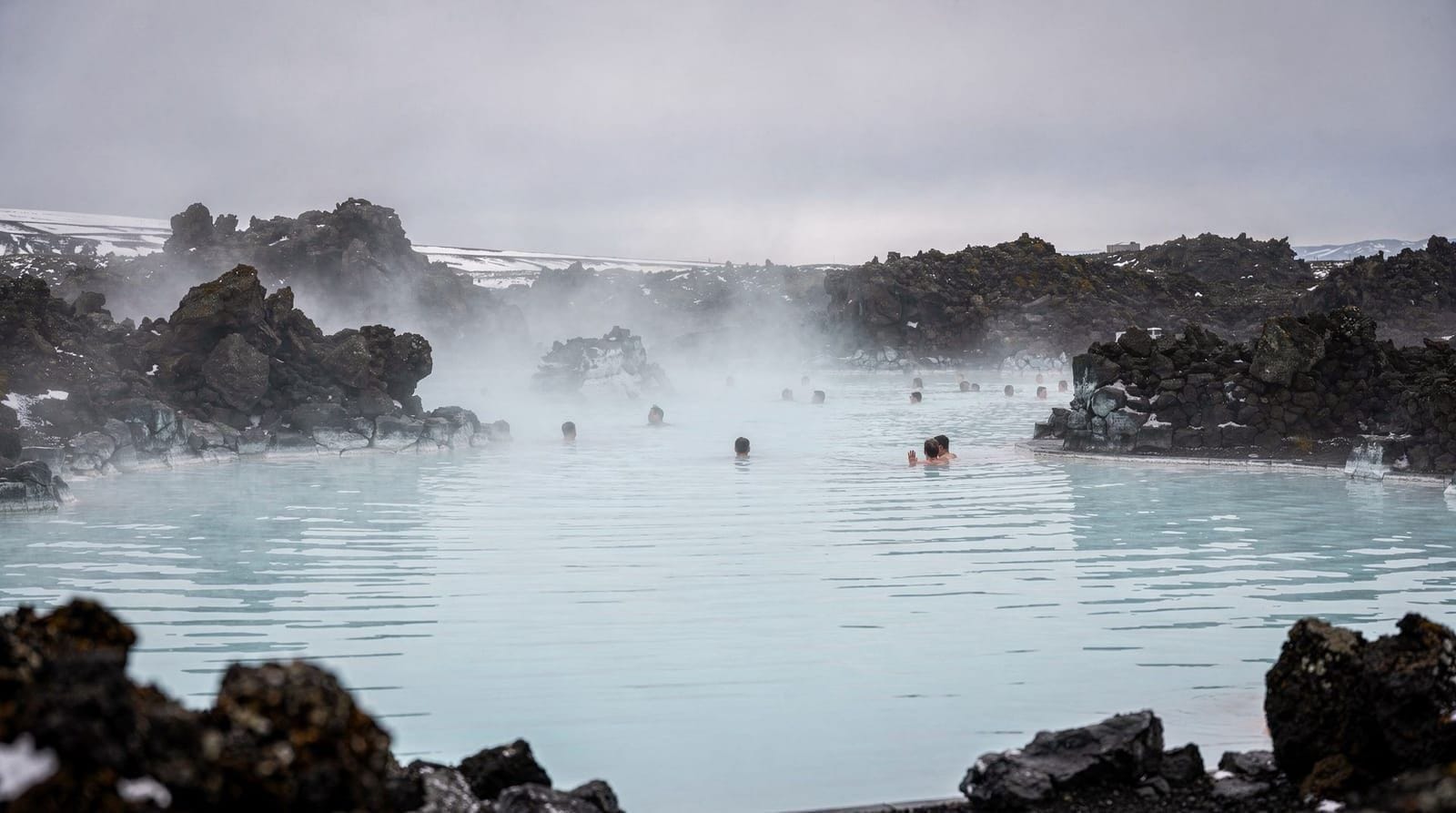
The Blue Lagoon is located just a few kilometers from the Sundhnukar volcanic fissure system. It has closed at least five times since December 2023, each time because of eruptions or imminent eruption warnings.
The facility has invested in additional protective earthworks and its owners have publicly committed to remaining in operation. As of early 2026 it was operating, though it has occasionally reduced capacity or changed booking windows at short notice.
If you are planning to visit the Blue Lagoon, book with a flexible cancellation policy and reconfirm within 48 hours of your visit. For a full analysis of whether the Blue Lagoon is worth the price and how it compares to alternatives, see our Blue Lagoon review.
The Blue Lagoon complete guide covers practical details including booking, what to bring, and what the different admission tiers include.
Grindavik: A Town in Limbo
Grindavik was evacuated on November 10, 2023 after ground deformation indicated an imminent eruption. That eruption came in December. Since then, the town has experienced repeated evacuations and partial returns. Some residents have moved permanently; others have returned during quieter periods.
The human story here is one of resilience and enormous difficulty. As a visitor, be aware that Grindavik is a real community with real losses. If you pass through when it is accessible, treat it accordingly.
Route 43, the main road to Grindavik and the Blue Lagoon, has at times been closed to all but residents and emergency vehicles. Check road conditions on road.is before driving.
Why Iceland Remains Safe to Visit
Despite dramatic media coverage, it is worth being clear: volcanic eruptions on the Reykjanes Peninsula have not made Iceland unsafe for tourists. The eruptions are relatively slow-moving effusive events, not explosive events like the 2010 Eyjafjallajokull eruption. Iceland’s civil protection system has managed evacuations effectively.
Reykjavik, the Golden Circle, the South Coast, Snaefellsnes, and the vast majority of Iceland’s attractions are entirely unaffected. Even within the Reykjanes Peninsula, most of the geopark’s sites are accessible most of the time.
What volcanic activity does mean is that the specific area around Sundhnukar and Grindavik requires checking conditions before you go. This is no different from checking road conditions before driving the highland roads in summer.
Planning Your Visit to Reykjanes
If the Reykjanes volcanic zone is on your itinerary, here is a practical approach:
- Set up an alert from vedur.is for Reykjanes Peninsula activity.
- Book Blue Lagoon tickets with flexible cancellation.
- Check safetravel.is and road.is the morning of your visit.
- Consider a helicopter tour as your primary volcanic sighting option; it gives you the best view and is not blocked by road closures.
- Have a backup plan. The Golden Circle makes an excellent alternative day trip if Reykjanes roads are closed.
The Reykjanes volcano guide covers the geological context in more depth, including the history of the Reykjanes Ridge volcanic system and what scientists know about how long this eruptive period might last.
For a broader Iceland trip, the Iceland first-timer guide puts Reykjanes in context alongside the country’s other regions.
What the Ongoing Activity Means for 2026 Travel
The honest answer is that the Reykjanes volcanic situation is unpredictable on a week-by-week basis but predictable in broad strokes: eruptions will continue, the Blue Lagoon will probably keep operating with occasional closures, and helicopter tours will continue to offer the safest views.
If you are visiting Iceland primarily for Reykjanes volcanic sightseeing, come with flexibility. If the Blue Lagoon is a must-have, book refundable tickets and reconfirm close to your travel date.
If volcanic activity is a bonus rather than the point of your trip, Iceland has more than enough to fill an itinerary without setting foot on the Reykjanes Peninsula. The South Coast and the Snaefellsnes Peninsula offer dramatic landscapes with far less logistical uncertainty.
Iceland in 2026 remains one of the most extraordinary destinations in the world. The volcanic activity on Reykjanes is part of that story, not a reason to stay home.
Emergency Information and Key Contacts
Iceland’s emergency number is 112, the same as Europe-wide. The safetravel.is portal run by the Icelandic Association for Search and Rescue (ICE-SAR) is the single best resource for travelers on hazardous conditions — it covers volcanic exclusion zones, highland road closures, avalanche warnings, and weather alerts.
If you are visiting the Reykjanes Peninsula during an active eruption phase:
- Do not ignore warning signs or barriers. Exclusion zones exist for reasons.
- Volcanic gases, particularly sulphur dioxide (SO2), can accumulate near active vents and are dangerous at elevated concentrations. Stay upwind of any visible gas plumes.
- Lava fields cool slowly. Lava that looks black and solid on the surface may still be molten just below. Never walk on recently formed lava unless on a marked and supervised route.
- Mobile phone coverage on the peninsula is generally good, but do not rely on it in all backcountry locations.
The ICE-SAR ask that all travelers in remote or hazardous conditions register their itinerary at safetravel.is before heading out. This is free, takes five minutes, and means a rescue team knows where to look if you do not return.
The Bigger Picture
The Sundhnukar eruptions represent something geologically significant: the reawakening of a volcanic system that was dormant for 800 years. Scientists believe the current eruptive episode is being fed by a persistent magmatic intrusion that will continue erupting along this fissure system for years to decades.
This is not catastrophe tourism. Iceland has always been shaped by volcanic activity — the entire country is geologically young, and the landscape visitors come to see (black sand beaches, lava fields, hot springs, geysers) is the direct product of this ongoing volcanism. The Reykjanes eruptions are simply bringing that geological reality closer to inhabited areas and visitor infrastructure than usual.
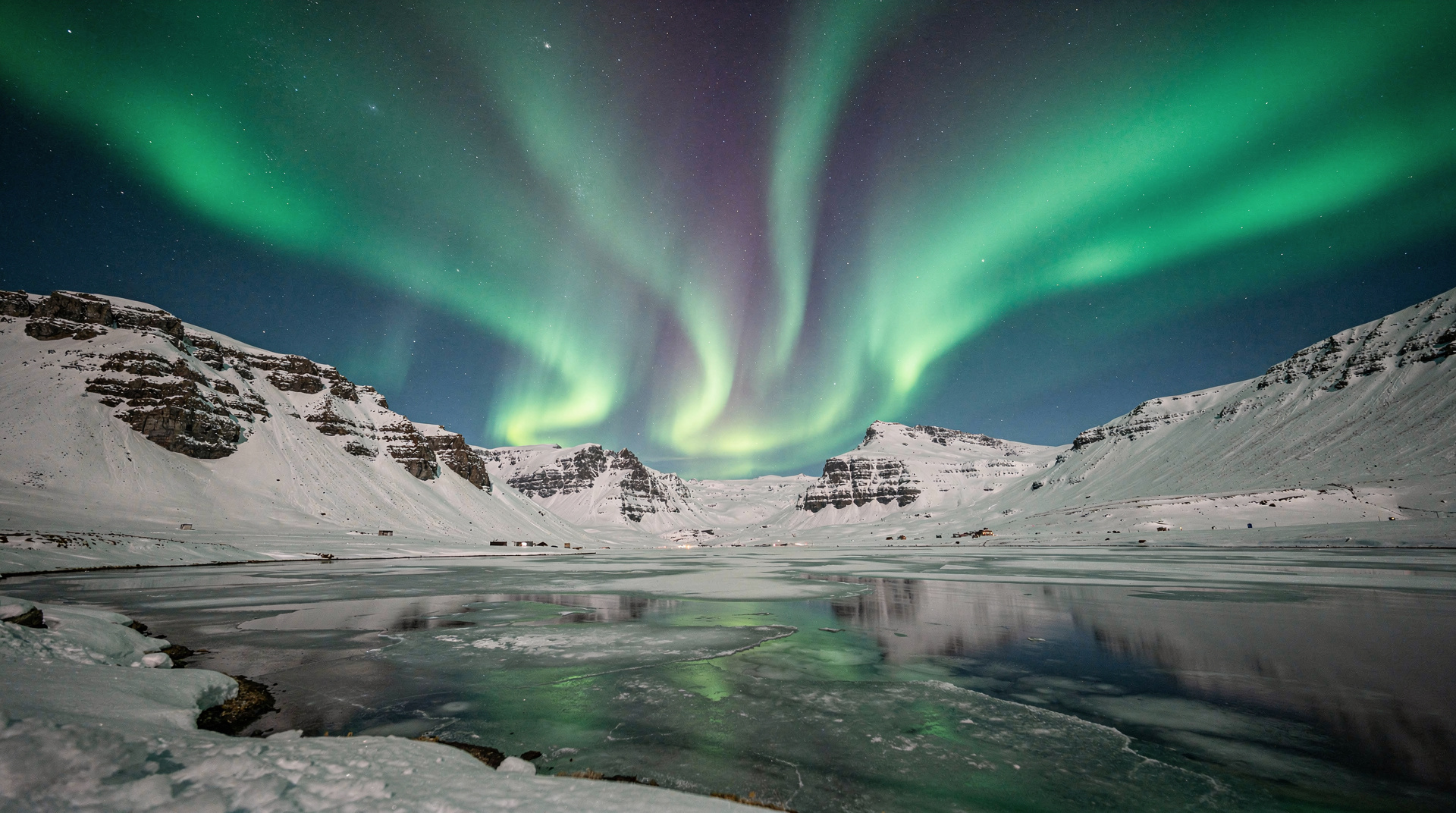
For travelers, the honest conclusion is this: go, be curious, respect safety information, and accept that one specific corner of Iceland is in a state of change. Everything else — the waterfalls, the glaciers, the northern lights, the food, the people, the city — remains exactly as good as it has always been.
How This Affects a Typical Reykjavik Itinerary
For most visitors, the Reykjanes situation changes almost nothing about the rest of an Iceland trip. A 24-hour Reykjavik itinerary, a Golden Circle day, or a multi-day South Coast trip are entirely unaffected, since none of those routes pass through the active Sundhnukar zone.
The one place it directly touches is a Blue Lagoon booking, since the spa sits a few kilometers from the fissure system — see is the Blue Lagoon worth it for how the closures factor into whether it is worth booking at all right now. If Route 43 is closed on your travel dates, the practical fallback is simple: treat the Golden Circle or South Coast as your primary day trip and keep Reykjanes as a bonus if conditions allow.
How Scientists Are Tracking the Situation
The Icelandic Meteorological Office monitors the Reykjanes system continuously using GPS ground-deformation sensors, seismometers, and satellite radar (InSAR) that can detect magma accumulating beneath the surface weeks before an eruption. This is why evacuations of Grindavik have generally had some advance warning — deformation patterns typically precede an eruption by days, sometimes longer. It is not a perfect science; the exact timing and location of a new fissure opening remains uncertain until hours before it happens, which is why official guidance always takes priority over any fixed itinerary.
A Short Timeline for Quick Reference
- March 2021: Fagradalsfjall eruption begins, ending nearly 800 years of dormancy on the peninsula.
- 2022-2023: Meradalir and Litli-Hrutur eruptions continue near Fagradalsfjall.
- December 2023: Activity migrates north to the Sundhnukar crater row; Grindavik evacuated.
- Early 2024: Lava enters parts of Grindavik; defensive earthworks expanded around the Blue Lagoon and town.
- 2024-2025: Repeated cycles of quiet periods and renewed fissure eruptions.
- 2026: Intermittent Sundhnukar activity continues; Blue Lagoon operating with occasional short closures.
Frequently Asked Questions
Is it safe to visit Iceland right now given the volcanic activity? Yes. The eruptions are contained to a specific part of the Reykjanes Peninsula, are slow-moving effusive events rather than explosive ones, and Iceland’s civil protection system manages evacuations effectively. The Golden Circle, South Coast, Reykjavik, and the vast majority of Iceland’s attractions are entirely unaffected.
Will the Blue Lagoon be open when I visit? Most likely, but not guaranteed on any specific date. The Blue Lagoon has closed and reopened multiple times since late 2023 in response to nearby eruptions, and was operating as of early 2026. Book with flexible cancellation and reconfirm within 48 hours of your visit through the official Blue Lagoon website.