Is the Blue Lagoon Worth It? An Honest Review for 2026
The Short Answer
The Blue Lagoon is genuinely impressive but expensive, operationally complicated due to Reykjanes volcanic activity, and not necessarily the best choice for every traveler. For the right visitor, it is a unique and memorable experience. For others, the Sky Lagoon or Secret Lagoon are better value. This review helps you figure out which category you fall into.
| Where | Grindavik, Reykjanes Peninsula, about 50 min from Reykjavik |
| Cost | From around EUR 80-96 (Comfort), plus transfer |
| Time needed | 2-3 hours in the water |
| Getting there | Reykjavik Excursions Flybus, private transfer, or rental car |
| Booking | Essential, no walk-ins; book flexible cancellation |
What the Blue Lagoon Actually Is
Most visitors arrive expecting a natural lake. The Blue Lagoon is not that. It is a geothermal spa built on waste water from the nearby Svartsengi geothermal power plant. The milky blue-white color comes from silica and algae suspended in the water, which is approximately 37-40 degrees Celsius year-round. The water is constantly refreshed.
The spa opened in 1992 and has expanded considerably, now including multiple pools, a lava cliff area, a sauna, steam caves, a swim-up bar, a restaurant, and a luxury hotel. The flagship setting, surrounded by black lava fields, is genuinely dramatic.
What it is not: a quiet, natural hot spring experience. Peak-season crowds are substantial, the facilities are large-scale commercial, and the silica mud that guests apply to their faces and bodies is a packaged amenity, not a wild geology lesson.
That is not a criticism. It is simply accurate framing for what you are paying for.
Prices in 2026
Blue Lagoon admission is structured around three main packages. Prices fluctuate and should be confirmed directly on blulagoon.com before booking.
- Comfort: From approximately EUR 80-96. Includes entrance, silica mud mask, algae mask, towel, and one drink. This is the baseline ticket.
- Premium: From approximately EUR 130-150. Adds extra masks, second drink, robe, and slippers.
- Retreat: From approximately EUR 300+. Access to the Retreat Spa, which is quieter and more exclusive.
On top of admission, transfers cost extra unless you drive yourself. The Reykjavik Excursions bus from Reykjavik costs approximately EUR 30-35 round trip. Private transfers are EUR 60-100+. Parking on site is paid.
If you want to eat beyond the basic snack bar, expect another EUR 30-60 at the LAVA Restaurant or Moss Restaurant.
A realistic all-in budget for one person doing the Comfort package with bus transfer and a light lunch: EUR 150-170.
Blue Lagoon Admission with Transfers from ReykjavikThe Case For Going
It is genuinely photogenic. The white silica water against black lava rock, often with steam rising and the sky above, is a specific kind of beautiful that photographs well and looks even better in person. On a clear winter evening with northern lights overhead, it is extraordinary.
It is reliable. The temperature is always right, the facilities are always clean, and the experience is consistent. There are no surprises.
It is convenient for airport stopover. Keflavik Airport is 15 minutes away. If you have a layover of 4+ hours or an early flight, the Blue Lagoon makes an excellent bookend to an Iceland trip.
The infrastructure is excellent. Lockers, showers, hair dryers, a mask bar, a swim-up bar — everything works. For travelers who want geothermal bathing without roughing it, this is the most comfortable option in Iceland.
The Case Against Going
The price. EUR 96 minimum for two to three hours in a pool is objectively expensive. You can have a comparable or better hot spring experience in Iceland for considerably less.
The crowds. The Blue Lagoon requires pre-booking, but even with timed entry the pool gets busy, especially in the late morning. You will share the silica water with many other people.
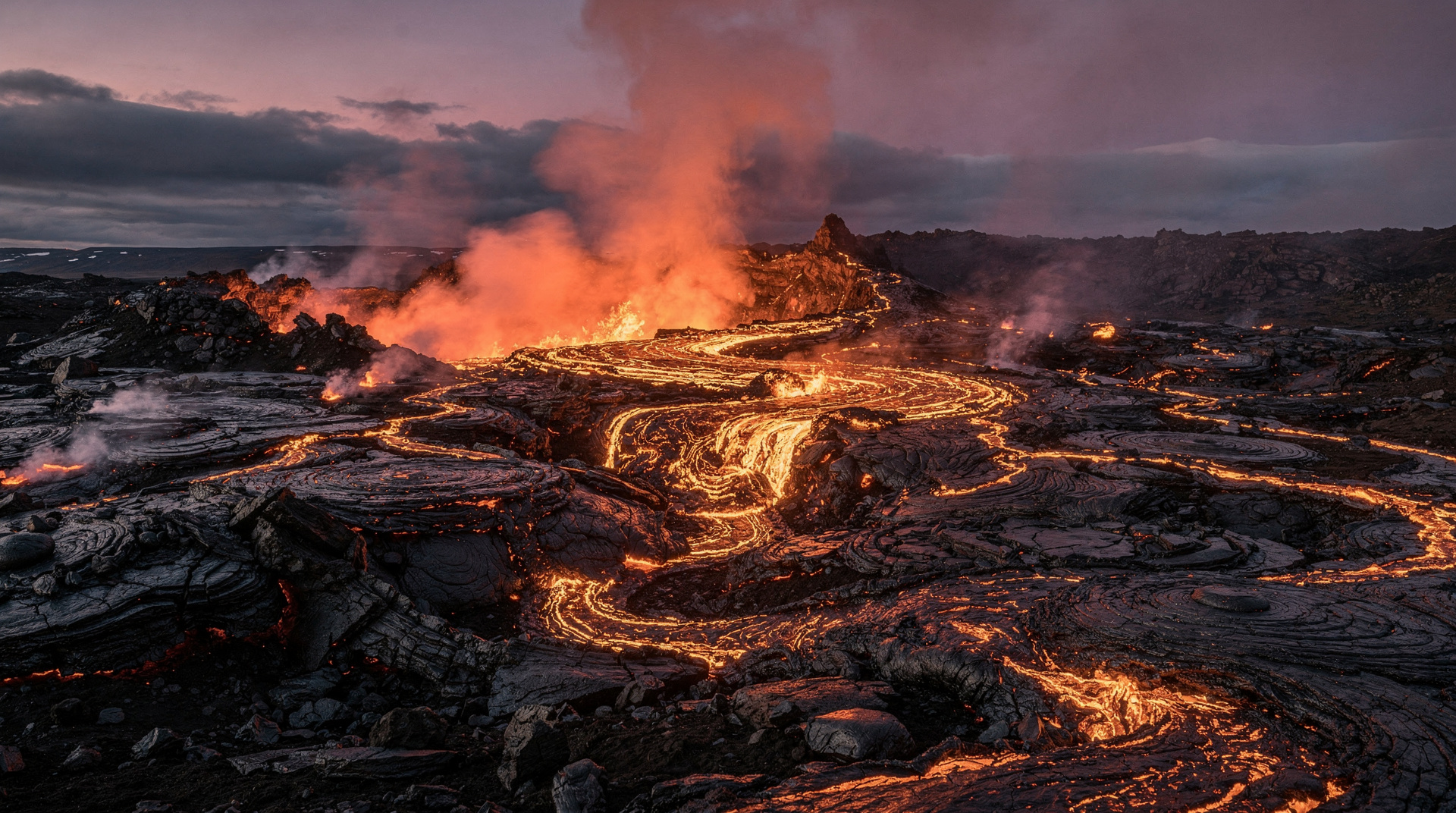
Volcanic instability. The Blue Lagoon has closed multiple times since late 2023 due to eruptions in the Sundhnukar volcanic system nearby. See our Reykjanes volcano 2026 update for details. This is a real practical risk if you are visiting in a narrow window.
The commercialism. If you want an authentic Icelandic experience, this is probably not it. The Blue Lagoon is a carefully branded, internationally oriented tourist facility. There is nothing wrong with that, but it should match your expectations.
Alternatives Worth Considering
Sky Lagoon
Located just 10 minutes from downtown Reykjavik in the Kopavogur district, Sky Lagoon opened in 2021 and has quickly become a serious competitor. It features an infinity pool with ocean views, a seven-step spa ritual (sauna, cold plunge, steam room, sky body scrub, shower, warm sauna, relaxation), and dramatically lower closure risk since it is nowhere near the volcanic activity.
Prices start around EUR 55-65 for the Pure Pass with the seven-step ritual. The setting is less dramatic than Blue Lagoon but the spa ritual is more developed and the crowd management is generally better.
For a detailed comparison, see Blue Lagoon vs Sky Lagoon and the Sky Lagoon guide.
Sky Lagoon Pure Pass with 7-Step Spa RitualSecret Lagoon (Gamla Laugin)
Located in Fludir on the Golden Circle route, the Secret Lagoon is a small, relatively simple geothermal pool that has been used since 1891. Admission is around EUR 20-25. It gets crowded in summer but is far quieter than Blue Lagoon. The setting is more genuinely natural, with geothermal vents and small geysers nearby.
It pairs well with a Golden Circle day trip.
Reykjadalur Hot River
Free geothermal river northeast of Hveragerdi, about 45 minutes from Reykjavik. Requires a 3 km hike each way over moderate terrain. The river varies in temperature — cooler upstream, hotter downstream — and you share it with locals as well as tourists. No facilities. Bring a towel and change under the Icelandic sky.
This is the budget and authenticity option.
The Honest Verdict: Who Should Go
Go if:
- You are doing a layover through Keflavik and have a half-day to spare
- You want a reliable, high-quality spa experience and do not mind the price
- It is winter and you want the iconic steam-and-blue-water visual
- You can book with flexible cancellation given volcanic uncertainty
Skip it if:
- Budget is a serious concern (choose Sky Lagoon or Reykjadalur)
- You want an authentic local experience rather than an international tourist product
- You are visiting in a very short window and cannot absorb a potential closure
- You have visited other large commercial spas and found them underwhelming
Compromise option: Combine the Golden Circle with a Blue Lagoon stop for a full-day itinerary. This way even if the Blue Lagoon is the highlight, you have had a full day in Iceland regardless.
Golden Circle Tour with Blue Lagoon Visit and EntryPractical Details
Booking: Essential. Walk-ins are not accepted. Book on blulagoon.com. Check for flexible cancellation options given volcanic closures.
Getting there: Bus from Reykjavik BSI terminal (Reykjavik Excursions Flybus), taxi, or rental car. The drive from Reykjavik is about 50 minutes via Route 41 and Route 43. Check road.is before driving as Route 43 has been closed during eruptions.
What to bring: Swimsuit (rental available but expensive), flip-flops (the lava rock is rough), conditioner for hair (the silica is drying), waterproof phone case if you want in-water photos.
Timing: Early morning slots (before 9am) or evening slots (after 6pm) are quietest. Midday is busiest.
Duration: Two to three hours is typical. More time is available if you book the higher tiers.
For full logistics, see the Blue Lagoon complete guide.
The Blue Lagoon and Reykjanes Peninsula destination page covers the broader area beyond just the spa.
What Happens Inside
For visitors who have never been, a step-by-step picture helps set expectations.
You arrive, check in, and receive a wristband with a chip that you use to charge drinks to your account (paid at checkout). You change in a locker room — the lockers are spacious, the showers are hot and plentiful. A brief shower before entering the water is mandatory, as with Icelandic public pools generally.
You enter the geothermal water. The temperature is consistent at 37-39 degrees Celsius. The color — that distinctive milky blue-white — is real and striking in person. The silica is thick enough that you cannot see your feet below the knee. The steam rises constantly, especially in cooler temperatures.
A mask bar is set up in the pool itself, where attendants apply silica mud and an algae mask to your face and hand you small containers to take into the water. You apply the mask, walk around for 10-15 minutes, wash it off in the pool. This is the core “ritual” of the Blue Lagoon experience.
The swim-up bar is exactly what it sounds like: you wade up to a counter and order a drink in the water. The first drink is included in most ticket tiers. Subsequent drinks are charged to your wristband.
There is a sauna built into a lava cliff. There are steam caves carved into the rock. The Silica Hotel and Retreat are on-site for those staying overnight — this dramatically changes the experience, removing most of the crowds.
You can stay in the water as long as your skin tolerates. Most people do 2-3 hours; the skin starts to feel dry and slightly raw after extended silica exposure. Shower thoroughly on exit, apply the conditioner provided (silica is hard on hair).
The Experience in Different Seasons
Winter: The classic Blue Lagoon experience. Thermal water against cold air, steam rising dramatically, potentially auroras overhead. The contrast between the warm water and icy air temperature is most pronounced. This is the version in all the iconic photos. Crowds can be slightly lower mid-week in January and February.
Summer: The midnight sun creates an eerie, bright-lit experience even at 11pm. Warm water in warm air is more like a regular pool experience. Crowds are highest June-August. The visual drama of steam and cold-air contrast disappears.
Shoulder season (September, October, April, May): Good compromise. Weather is variable but manageable, crowds lower than peak summer, aurora possible in September-April. This is arguably the best time to visit.
One More Practical Note: Hair
The silica in Blue Lagoon water is notoriously damaging to hair. The facility provides conditioner at the entrance to apply before getting in the water, and post-swim conditioner in the showers. Use both. People with fine, long, or chemically treated hair should consider braiding or bunning before entering to reduce exposure. Leaving hair loose in silica water for two hours causes significant tangling and dryness.
How It Compares on Value, Side by Side
Putting the three main options next to each other makes the trade-offs concrete.
| Blue Lagoon | Sky Lagoon | Secret Lagoon | |
|---|---|---|---|
| Entry price | From ~EUR 80-96 | From ~EUR 55-65 | ~EUR 20-25 |
| Distance from Reykjavik | ~50 min | ~10 min | ~1.5 hrs (Golden Circle route) |
| Setting | Dramatic lava fields, large-scale | Ocean-view infinity edge | Small, simple, historic pool |
| Crowd level | High, especially midday | Moderate, well-managed | Lower, except summer |
| Closure risk | Real, tied to Reykjanes volcanism | None (unaffected by Sundhnukar) | None |
| Best for | Bucket-list photo, layover | Best ritual, quick from the city | Budget, authenticity, Golden Circle day |
Combining It With Your Itinerary
The Blue Lagoon works best when it is not the entire day. Its location 15 minutes from Keflavik makes it a natural bookend on an arrival evening or a departure-day morning, before or after a flight rather than as a dedicated excursion. It also pairs cleanly with the Golden Circle as a single long day, letting you close the loop on Iceland’s biggest bucket-list sights without a second full day trip. If the entry price feels hard to justify for a few hours in a pool, a Blue Lagoon and Reykjanes Peninsula tour that bundles admission with the volcanic landscapes and geothermal sites nearby is the classic way to get more out of the same afternoon. If your itinerary already includes a 3-day Reykjavik itinerary or the Iceland winter 4-day itinerary, slot the Blue Lagoon into a travel day rather than carving out separate time for it.
What Past Visitors Get Wrong
Two expectation mismatches come up repeatedly in visitor feedback. First, people expect a natural, quiet hot spring and are surprised by the scale and commercial polish — if that is what you actually want, Reykjadalur or the Secret Lagoon deliver it, the Blue Lagoon does not. Second, people underestimate how much the add-ons (transfer, food, a second drink, photos) push the final bill well past the advertised entry price — budget the full EUR 150-170 all-in figure above, not the headline admission number, when deciding if it fits your trip.
Frequently Asked Questions
Is the Blue Lagoon overrated? It depends on what you want from it. As a reliable, photogenic, comfortable spa experience close to the airport, it delivers exactly what it promises. As a natural or budget hot-spring experience, it is the wrong choice — Sky Lagoon or Reykjadalur suit that better. It is not overrated for its actual purpose; it is sometimes booked by the wrong kind of traveler for it.
How far in advance should I book the Blue Lagoon? Book as soon as your dates are fixed, especially for peak summer or the exact evening slot you want, since popular time windows sell out. Choose a package with flexible cancellation given the ongoing Reykjanes volcanic activity, and reconfirm your booking within 48 hours of your visit.