Iceland on a Budget: Real Tips That Actually Work
Iceland Is Expensive. Here Is What Actually Helps.
Iceland consistently ranks among the most expensive countries in Europe for tourists. That is true and will not change. A realistic daily budget for a solo traveler staying in a hostel dorm, eating mostly self-catered meals, and doing one organized day trip works out to EUR 100-140 per day. A couple in a mid-range hotel with restaurant dinners is closer to EUR 250-350 per day combined.
What follows are budget strategies that genuinely reduce costs, not the kind of advice that suggests bringing your own teabags.
| Solo daily budget | Around EUR 100-140 (hostel, self-catered, one activity) |
| Couple daily budget | Around EUR 250-350 combined (mid-range hotel, dinners out) |
| Biggest lever | Cooking at Bonus supermarket instead of eating out |
| Second biggest lever | Flybus over taxi for the airport transfer |
| Currency | Icelandic Kronar (ISK), card-only in practice |
Food: The Biggest Variable
Food costs in Iceland are roughly 2-3 times higher than Western Europe. A restaurant main course in Reykjavik averages EUR 30-40. A beer is EUR 9-12. A takeaway sandwich at a petrol station costs EUR 8-12.
The most effective food strategy: cook your own food.
Bonus supermarket is Iceland’s lowest-cost supermarket chain, identified by a bright yellow pig logo. There are multiple locations in Reykjavik and branches in larger towns across the ring road. Basic groceries (pasta, bread, eggs, vegetables, skyr, dairy, cold cuts) are roughly 40-50% cheaper than equivalent items at Kronan or Hagkaup, and 60-70% cheaper than eating out. Most accommodations have kitchen facilities.
A packed lunch bought from Bonus the evening before costs EUR 5-8 per person versus EUR 15-25 for a cafe lunch.
N1 and Orkan petrol stations sell surprisingly good hot food: lamb soup, meat soup, hot dogs, pastries. The Icelandic pylsur (hot dog, traditionally with the works: ketchup, mustard, raw onion, fried onion, remoulade) is a national institution and costs under EUR 4. The BSI bus terminal hot dog stand in Reykjavik is famous among visitors for good reason.
Happy hours in Reykjavik: Most Reykjavik bars run happy hour discounts between approximately 4pm and 7pm. A beer that costs EUR 11 outside those hours may be EUR 7-8 during happy hour. Dillon Bar, Kaffibarinn, and most places on Laugavegur participate. If you want to drink, drink early.
Tap water is excellent. Iceland’s tap water is cold, clean, and straight from the mountains. Never buy bottled water. This is not a small saving — four people buying two bottles of water a day at EUR 2.50 each adds EUR 70 to a week-long trip for nothing.
Transport: Flybus vs Taxi
The airport (Keflavik) is 50 km from Reykjavik. This is one of the most expensive taxi rides in Europe: EUR 120-150 for a standard taxi. The Reykjavik Excursions Flybus costs approximately EUR 30 per person one way (EUR 40 with hotel drop-off), or EUR 55-75 round trip. For two people, the Flybus saves EUR 60-90 versus a taxi on the airport transfer alone.
The Flybus runs in coordination with flight arrivals and is reliable. Book online in advance for the best price.
Within Reykjavik, the Straeto bus network covers the city for around EUR 4 per single journey. Taxis are EUR 15-25 for typical city journeys. For day trips, renting a car is often more cost-effective than organized tours if you are traveling in a group of three or four — but factor in petrol and the potential cost of insurance.
Rental cars: Collision damage waivers are expensive and often pushed aggressively. Check whether your home credit card provides rental car coverage before buying the rental company’s insurance. If not, budget EUR 15-30 per day for a basic CDW. Gravel and sand protection (SAAP/SAAP) is genuinely worth having if driving on highland or unpaved roads.
The Keflavik airport to Reykjavik transfer guide covers all transport options with current price ranges.
Sights: What Is Free
Iceland has an unusually large number of genuinely remarkable free things to see.
Free in Reykjavik:
- Hallgrimskirkja exterior and grounds
- Tjornin lake
- All public street art
- Reykjavik Botanical Garden (Graenaskardar)
- City Hall (free Iceland map inside)
- Most beaches and parks
- The harbor waterfront
Free outside Reykjavik:
- Thingvellir National Park (parking fee only, around EUR 8, with a national park pass useful if you visit multiple parks)
- Geysir (Strokkur geyser area) — the geothermal field itself is free; only the restaurant and facilities cost money
- Skogafoss, Seljalandsfoss, Svartifoss waterfalls (parking fees apply)
- Reynisfjara black sand beach
- Reykjadalur hot spring valley (free geothermal river after a 6 km round-trip hike)
- Most mountain and coastal hiking
City Card: The Reykjavik City Card (around EUR 25/48 hours or EUR 35/72 hours) covers admission to most Reykjavik museums including the National Museum, Kjarvalsstadir art museum, Asmundarsafn, and free Straeeto buses. Worth it if you plan to visit three or more museums. Not worth it if you are only doing one or two.
Accommodation: The Honest Hierarchy
From cheapest to most expensive:
Camping (summer only, May-September): Iceland has a dense network of official campsites. Per-person fees are typically EUR 12-18 per night. Wild camping outside designated sites is restricted and officially discouraged in most places. A tent or a campervan is the cheapest sleep in Iceland.
Hostel dorms: EUR 45-70 per person per night in Reykjavik. Quality varies enormously. Kex Hostel and Loft Hostel are reputable options with social atmospheres.
Guesthouses: EUR 80-130 per room. Widespread across Iceland. Often family-run. Quality and inclusion of breakfast varies.
Mid-range hotels: EUR 150-250 per room in Reykjavik. The middle of the market has improved significantly in recent years.
Airbnb and apartments: Can offer better value than hotels for groups or longer stays, especially if you self-cater.
The furthest from Reykjavik accommodation you can find: Prices drop noticeably outside the capital. Vik, Akureyri, and smaller guesthouses on the ring road are significantly cheaper than Reykjavik equivalents.
Tours: When to Book vs When to DIY
Organized tours are not inherently bad value — for activities requiring guides (glacier hikes, ice caves, northern lights hunting), they are the correct choice. For others, DIY works fine.
Worth booking a tour for:
- Northern lights hunting (guides know where the clouds break, offer retries)
- Glacier hikes and ice cave tours (require safety equipment and guides)
- Whale watching (you need a boat)
- Day trips if you do not have a car
DIY and save money:
- Golden Circle (drive yourself; rent a car, follow Route 35, and stop at Thingvellir, Geysir, and Gullfoss yourself)
- South Coast waterfalls (easy to self-drive on Route 1)
- Reykjavik city sightseeing (walking)
- Reykjadalur hot spring river (hike yourself for free)
The Iceland cost and budget guide provides detailed cost breakdowns for accommodation, food, transport, and activities across different trip lengths.
Golden Circle Full-Day Tour from ReykjavikFor winter visits, a combined Golden Circle and northern lights tour gets you two major experiences in one long day — efficient and often better value than booking them separately.
Golden Circle and Northern Lights Tour from ReykjavikThe Budget Packing Advantage
Packing correctly prevents expensive in-country purchases. Waterproof layers, warm mid-layers, and good waterproof shoes are far cheaper bought at home than in Reykjavik outdoor stores. Laugavegur shops charge premium prices for gear.
Sunscreen and medication bought at Icelandic pharmacies (Lyfja, Lyf og Heilsa) are comparable in price to Western Europe. Basic toiletries from Bonus are cheap. Restaurant coffee is expensive; a travel kettle and instant coffee from Bonus is the budget traveler’s Iceland morning.
See what to pack for Iceland in winter for a full packing list calibrated for the season.
What Is Not Worth Skimping On
Some Iceland budget cuts create false economy:
Skimping on weather gear: If you are cold and wet for three days, you have not saved money — you have had a bad trip. Pack proper waterproof and warm layers before you go.
Skimping on car insurance: Icelandic roads, gravel, and weather conditions are hard on rental cars. The rental company damage claims process is not pleasant. Appropriate insurance is worth the cost.
Skimping on accommodation location: Staying far outside Reykjavik to save EUR 20/night and spending EUR 15 on taxis every time you want to go somewhere is not a saving.
Not booking in advance: Last-minute booking in peak summer season (June-August) means higher prices and fewer choices. Book accommodation and key activities (Blue Lagoon, ice cave tours) months ahead.
The best time to visit Iceland guide covers how seasonal demand affects prices — shoulder season (May, September) and winter (November-March) are both cheaper and less crowded than July and August.
For a realistic two-day Reykjavik plan that balances activities with budget, the Reykjavik weekend 2-day itinerary provides a structured framework.
Sample Daily Budget Breakdown
These are realistic ballpark figures based on mid-2026 prices. Prices in Iceland are denominated in Icelandic Kronar (ISK) but all amounts here are in EUR equivalents at approximate current rates.
Budget traveler (hostel dorm, mostly self-catered):
- Accommodation: EUR 50-65 per night (hostel dorm)
- Breakfast: EUR 0-5 (hostel kitchen, Bonus groceries)
- Lunch: EUR 5-8 (Bonus packed lunch, N1 hot dog)
- Dinner: EUR 15-25 (self-cooked or cheap restaurant)
- Coffee: EUR 5-8 (one good coffee shop visit)
- Local transport: EUR 4 (one bus journey)
- One activity/entry: EUR 0-25 (free sights some days, a museum or tour others)
- Total: approx. EUR 80-135 per day
Mid-range traveler (guesthouse, mix of eating out and self-catered):
- Accommodation: EUR 120-160 per night (guesthouse double)
- Breakfast: EUR 10-20 (guesthouse breakfast or cafe)
- Lunch: EUR 20-30 (casual restaurant or soup bar)
- Dinner: EUR 45-65 (mid-range restaurant, one drink)
- Activities: EUR 30-80 (museum, guided tour)
- Transport: EUR 15-25 (taxi, bus, or rental car share)
- Total: approx. EUR 240-380 per day for two
The biggest single-day cost spikes:
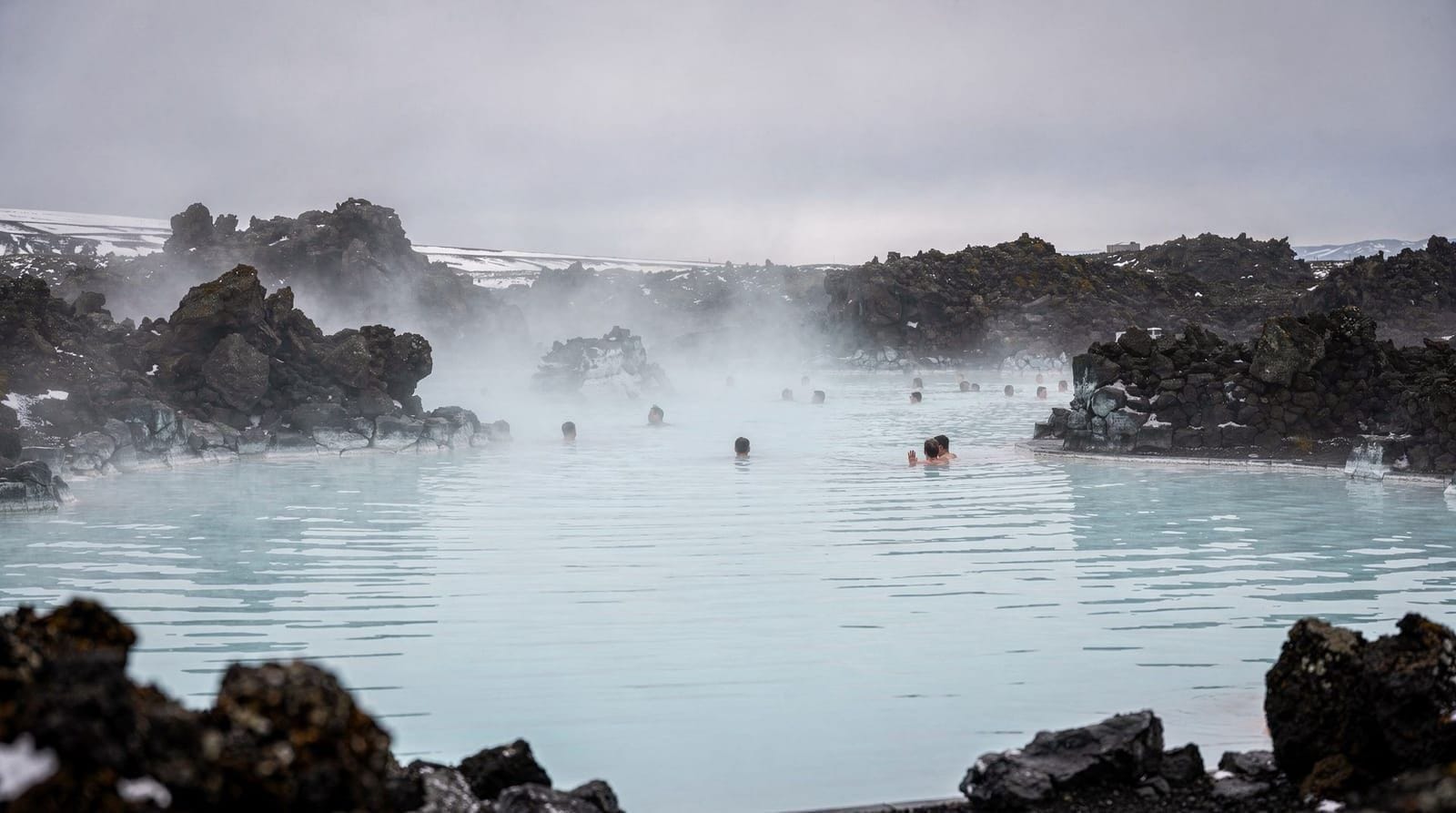
- Blue Lagoon all-in (admission + transfer + food): EUR 150-200 per person
- Glacier hike or ice cave tour: EUR 80-120 per person
- Whale watching: EUR 60-80 per person
- Helicopter over the volcano: EUR 250-400 per person
Plan these high-cost days and compensate with cheaper days built around free sights, self-catered food, and city walking.
Currency and Tipping Culture
Iceland uses the Icelandic Kronar (ISK). As of 2026, the rough rate is approximately 145-150 ISK to 1 EUR, though exchange rates fluctuate. Cards are universally accepted; you realistically never need Kronar cash.
Tipping in Iceland is genuinely not expected. Wages in the service industry are regulated, and adding a tip is not the norm. Some restaurants now include a tip line on card payment terminals — you can leave it blank without awkwardness. Exceptional service at a fine dining restaurant is the only context where a small tip might be considered.
Currency exchange at the airport is expensive. Use a credit or debit card with no foreign transaction fees for all purchases. Revolut, Wise, and most travel cards from major banks offer good exchange rates and no additional fees.
Free Museums, City Card Math, and Where the Line Falls
The Reykjavik City Card is worth doing the arithmetic on rather than buying by default. At around EUR 25 for 48 hours, it pays for itself once you visit two paid museums plus use the bus a couple of times — the National Museum alone runs about EUR 15, and free Straeto travel on top of that closes the gap fast. If your plan is one museum and mostly walking, skip it and pay individual admissions. The Reykjavik museums and attractions guide breaks down which sites the card actually covers, and the free things to do guide lists the sights that need no ticket at all, which is where a tight-budget day should start.
Booking Tours Early vs Late: The Real Trade-Off
Conventional wisdom says book everything months ahead, but the picture is more nuanced. Fixed-capacity, high-demand activities — northern lights hunts in peak winter weeks, ice cave tours, Blue Lagoon slots — do get more expensive and sell out closer to the date, so book those early. Flexible-capacity activities like Golden Circle bus tours rarely sell out and sometimes run last-minute discounts to fill seats, so there is less urgency. If your budget is tight, watch for shoulder-season discounts on the bigger bus tours rather than assuming every booking needs to happen the day you land.
Golden Circle Small-Group Tour from ReykjavikA Week-Long Budget Trip, Priced Out
For a concrete sense of scale, a genuinely budget-conscious week (hostel dorms, mostly self-catered, one paid activity every two or three days, Flybus instead of taxis) lands around EUR 700-950 per person excluding flights, on top of the accommodation and food figures above. Swapping even two dinners out for Bonus-cooked meals and one taxi ride for the bus can shift that total by EUR 80-120. The Iceland cost and budget guide extends this into a full multi-day breakdown by trip length, and the 7-day Iceland itinerary from Reykjavik shows how a week’s worth of activities maps onto that budget.
Frequently Asked Questions
Is Iceland too expensive for a budget traveler? No, but it requires deliberate choices. A solo traveler using hostels, Bonus supermarket groceries, the Flybus, and free sights can realistically travel on EUR 100-140 per day, which is closer to Western European city prices than Iceland’s reputation suggests. The expensive version of Iceland comes from restaurant dinners every night, taxis everywhere, and full-price guided tours for things that are easy to DIY.
What is the single best money-saving tip for Iceland? Cook at least some of your own meals using Bonus supermarket groceries. Restaurant food in Iceland runs 2-3 times Western European prices, while grocery costs are much closer to normal, and nearly every accommodation type — hostels, guesthouses, Airbnbs — has some kitchen access.