What to Pack for Iceland in Winter: The Complete List
Iceland Winter Packing: What the Weather Actually Demands
Iceland in winter (October through April) is not as brutally cold as many visitors expect. Reykjavik averages -1 to 4 degrees Celsius in January and February — colder than London or Amsterdam but warmer than Stockholm or Oslo. The challenge in Iceland is not extreme cold so much as wind, rain, and the combination of both.
Wind chill at -2 degrees Celsius with 60 km/h gusts feels far colder than -10 in still air. Rain that soaks through a non-waterproof jacket at 3 degrees Celsius causes dangerous chilling. Icelandic weather changes within hours. A morning that starts sunny can end in a horizontal sleet squall.
The packing strategy for Iceland in winter is not about bringing the warmest possible gear. It is about bringing layering systems that handle rapid change, water exposure, and the specific demands of outdoor activity in subarctic conditions.
Here is what to bring, and why.
| Typical temps | Around -1 to 4°C (Reykjavik, Jan-Feb) |
| Bigger risk than cold | Wind and rain soaking through non-waterproof layers |
| Core system | Base (merino) + mid (fleece/insulated) + waterproof shell |
| Non-negotiable extra | Micro-spikes/Yaktrax for icy pavements |
| Don’t forget | Swimsuit for geothermal pools, even in winter |
The Layering System
Iceland winter clothing works in three layers. Understanding this logic helps you adapt to conditions rather than over- or under-packing.
Base layer (worn against skin): Merino wool or synthetic moisture-wicking fabric. Cotton is specifically wrong for Iceland — it absorbs moisture, holds it against your skin, and loses insulation when wet. Merino wool keeps you warm even when damp and resists odor. Two base layer tops and two base layer bottoms are sufficient for most trips.
Recommended: long-sleeve merino top and merino or thermal leggings. Icebreaker and Smartwool are well-regarded brands; budget options include Decathlon’s Forclaz line.
Mid layer (insulation): Fleece jacket or down jacket. This is your insulation layer. Fleece works better in wet conditions (down loses insulation when saturated). A medium-weight fleece (250 weight) is versatile. A synthetic-fill insulated jacket is a good alternative if you prefer down feel.
Bring at least one insulating mid layer. Two options (one lighter fleece for moderate days, one warmer synthetic fill for cold nights) give you more range.
Outer shell (protection): A waterproof, windproof jacket is non-negotiable for Iceland winter. It does not need to be heavily insulated (the mid layer handles warmth) but it must be fully waterproof, not merely water-resistant. Look for a jacket with taped seams and a genuine waterproof rating (10,000 mm hydrostatic head minimum; 20,000+ is better). A hood is essential.
Waterproof trousers are worth bringing if you plan to walk to waterfalls, hike at glaciers, or spend extended time outdoors. Jeans and standard outdoor trousers get soaked at Seljalandsfoss in seconds.
Footwear
Waterproof boots are mandatory. Ankle-height waterproof hiking boots work for most Reykjavik tourism and soft trail hiking. If you plan to do glacier hikes or walk on icy highland roads, mid-height boots with ankle support are safer.
Key: waterproofing must be genuine. Gore-Tex lining or equivalent. Shoes labeled “water-resistant” are not adequate.
Crampons or micro-spikes: Iceland’s footpaths and car parks become sheets of ice in winter. Compact micro-spikes (Yaktrax or similar) that slip over regular boots cost EUR 15-30 and make an enormous difference. Several visitors have been injured slipping on Reykjavik pavements during frost. Pack them even if you do not think you will need them — they take no space and weigh nothing.
A second pair of dry shoes: Boots soaked through in the morning should not be your only footwear for the afternoon. Pack a second pair (casual sneakers or waterproof trail runners) to rotate. Place the wet pair near a radiator overnight.
Accessories
Hat: A warm wool or fleece hat that covers your ears. Essential. Iceland’s wind makes hatless outdoor time unpleasant even at mild temperatures.
Neck gaiter or scarf: A buff-style neck gaiter is more versatile than a scarf. Can be worn as neck cover, face covering against wind, or pulled up over the lower face. Merino wool or fleece.
Gloves: Waterproof outer gloves with an insulating liner. Leather gloves are not adequate in rain. Ideally waterproof shell gloves over thinner liner gloves, so you can remove the outer shell for photography or touchscreen use.
Wool socks: Two to three pairs of merino wool hiking socks. Cotton socks with wet boots cause blisters and cold feet.
Sunglasses: Iceland’s low winter sun reflects intensely off snow and ice. Polarized sunglasses reduce glare significantly and protect against snow blindness on glacier walks.
Headlamp: Useful if you are hiking in the late afternoon when darkness falls (as early as 4pm in December). A small LED headlamp takes no space and is essential for trail hiking in fading light.
Swimwear: Do Not Forget It
Iceland’s geothermal pools are year-round activities and among the country’s best experiences. The Blue Lagoon, Sky Lagoon, Secret Lagoon in Fludir, Reykjadalur hot river, and countless municipal hot pools (sundlaug) require a swimsuit.
Pack:
- Swimsuit (trunks or one-piece; bikinis work fine at the Blue Lagoon and Sky Lagoon)
- Flip-flops (required footwear in changing rooms; the Blue Lagoon’s lava rock poolside is rough on bare feet)
Note: the eye mask you might associate with geothermal bathing is only relevant at the Blue Lagoon where it is provided. Other pools do not use silica masks. You do not need to bring your own mask products.
The Sky Lagoon guide and Blue Lagoon complete guide have specific packing notes for each spa.
Sky Lagoon: Pure Pass with 7-Step Spa RitualPhotography Gear
Iceland in winter is extraordinarily photogenic. A few practical notes:
Camera batteries die faster in cold. Keep a spare battery in an inner pocket against your body. Take it out just before shooting.
Condensation when moving between cold outdoors and warm indoors. Keep your camera in your bag for 10-15 minutes after coming inside before opening the bag, to allow temperature equalization.
Tripod: If northern lights photography is a goal, a tripod is essential. Phone aurora shots are increasingly capable with long-exposure modes. A small, lightweight travel tripod is sufficient.
Waterproof camera bag or dry bags: Rain and spray at waterfalls can damage camera equipment. A rain cover for your camera bag or dry bags for equipment is worth the small extra weight.
Electronics and Power
Iceland uses European-style two-pin (Type F) plugs at 230 volts / 50 Hz. The same as most of mainland Europe. UK and US visitors need adaptors. A universal travel adaptor is the practical choice.
Power banks are worth bringing for long days when you may not return to accommodation for 10+ hours.
Documents and Money
Travel insurance: Essential in Iceland. Glacier hikes, highland driving, and weather-related disruptions are real possibilities. Check your policy covers outdoor adventure activities.
Driving licence: Required if renting a car. A standard national driving licence from most countries is valid; an international driving permit may be required for some nationalities.
Cash: Iceland is almost entirely cashless. Visa and Mastercard are accepted everywhere, including petrol stations in rural areas. You do not need Icelandic Kronar in cash for most purchases. A card with no foreign transaction fees saves money on every purchase.
What to Leave Behind
Bulky cotton items: Cotton jeans, cotton sweaters, cotton base layers. They soak through and take forever to dry.
Formal clothing: Reykjavik restaurants, even fine dining ones, have no formal dress codes. Smart casual is the ceiling of what you need.
An eye mask for sleeping: In winter there is no midnight sun, so Iceland’s winter nights are genuinely dark. You do not need a sleep mask unless you are visiting in summer.
Expensive spa products: The Blue Lagoon and Sky Lagoon provide what you need. No need to pack silica masks or special bathing products.
Too many layers: Over-packing is a common mistake. Two good base layers, two mid layers, and one excellent outer shell handle all conditions. More than this creates weight and bulk without benefit.
A Condensed Packing List
Clothing:
- 2 merino wool long-sleeve base layer tops
- 2 merino or thermal base layer bottoms
- 1 medium-weight fleece jacket
- 1 synthetic or down insulated jacket
- 1 waterproof shell jacket (taped seams, proper hood)
- Waterproof trousers (optional but useful)
- 3-4 casual t-shirts or light long-sleeve shirts
- 2 pairs of comfortable trousers or travel pants
- Swimsuit and flip-flops
- 3 pairs merino wool hiking socks
- Wool/fleece hat, neck gaiter, gloves
- Sunglasses
Footwear:
- Waterproof hiking boots (ankle or mid height)
- Micro-spikes or Yaktrax
- Casual shoes or sneakers (second pair)
Accessories:
- Headlamp
- Sunscreen (UV reflects off snow)
- Lip balm (wind and dry air are hard on lips)
- Power bank
- Universal travel adaptor
For context on when Iceland is at its best for different activities, see the best time to visit Iceland guide, and the Iceland winter vs summer comparison for a full season breakdown.
The Iceland winter 4-day itinerary is a practical framework for first-time winter visitors balancing aurora hunting, glacier activities, and the South Coast.
Golden Circle and Northern Lights Winter Combo TourPacking by Activity: What Changes for Specific Days
The base layering system above covers general sightseeing, but a few specific activities call for extra items.
Glacier hikes and ice caves: The tour operator supplies crampons, harnesses, and helmets, but you should bring your own warm base layers, waterproof trousers, and gloves rated for standing still on ice for extended periods. See the glacier hikes and ice caves guide for what tours typically provide versus what you need to bring yourself.
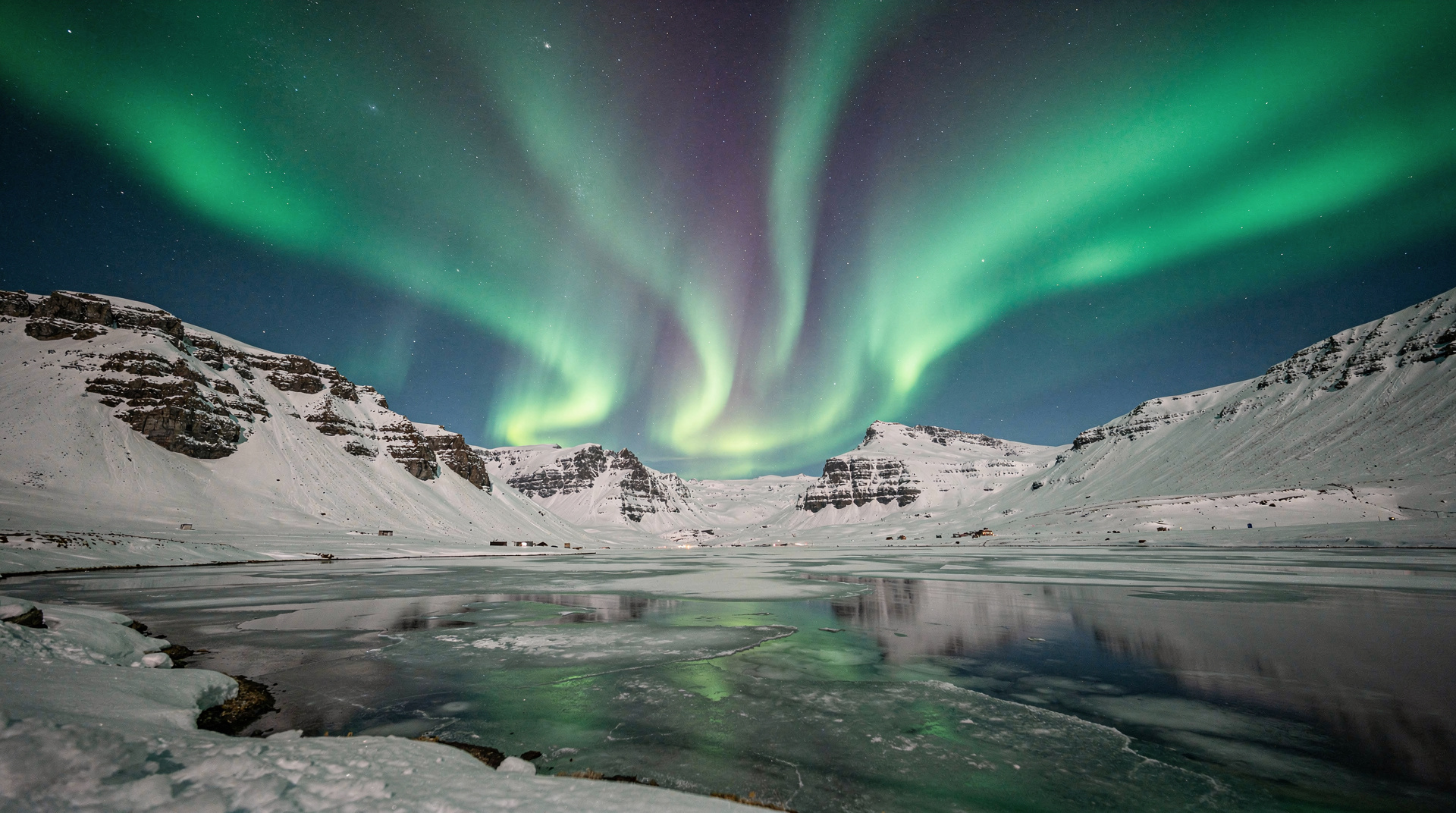
Northern lights hunting: This means standing still outdoors at night, often for 30-60 minutes at a time, which is colder than active sightseeing. Add an extra insulating layer beyond your daytime setup, and prioritize warm, waterproof boots over style. The northern lights forecast 2026 guide has the full picture on timing and gear for photography specifically.
Whale watching boat tours: Wind chill on open water is significantly colder than on land. Operators usually provide flotation suits, but wear your warmest layers underneath and bring gloves and a hat regardless of the shore-side temperature.
Self-drive day trips: Keep a small emergency kit in the car: an extra blanket, snacks, a headlamp, and a fully charged phone. Icelandic winter weather can close roads with little notice; check road.is before any drive outside Reykjavik.
A Note on Renting Gear Instead of Buying
If a one-time Iceland trip does not justify buying full winter gear, several Reykjavik outdoor shops rent jackets, waterproof trousers, and boots by the day or week. This is worth considering for occasional travelers rather than overspending on gear that will not get used again. It is generally not worth renting micro-spikes, however — they are cheap enough (EUR 15-30) to simply buy and keep for future trips.
Frequently Asked Questions
Do I really need crampons or micro-spikes for a short Reykjavik trip? Yes, if you are visiting between November and March. Reykjavik’s pavements and car parks ice over regularly, and slipping is one of the most common ways visitors get hurt in winter. Compact micro-spikes that slip over your regular boots cost very little, weigh almost nothing, and make a genuine difference.
Is Iceland in winter actually as cold as people expect? Usually not in raw temperature terms — Reykjavik typically sits between -1 and 4°C in January and February, milder than Stockholm or Oslo. The real challenge is wind and rain combined with cold, which is why a genuinely waterproof, windproof outer shell matters more than sheer insulation.