Blue Lagoon Tickets Compared: Which Package Is Worth It?
Blue Lagoon: Admission Package with Drink, Towel, and Mask
Duration: category: blue-lagoon-spas
What the Blue Lagoon actually is (and is not)
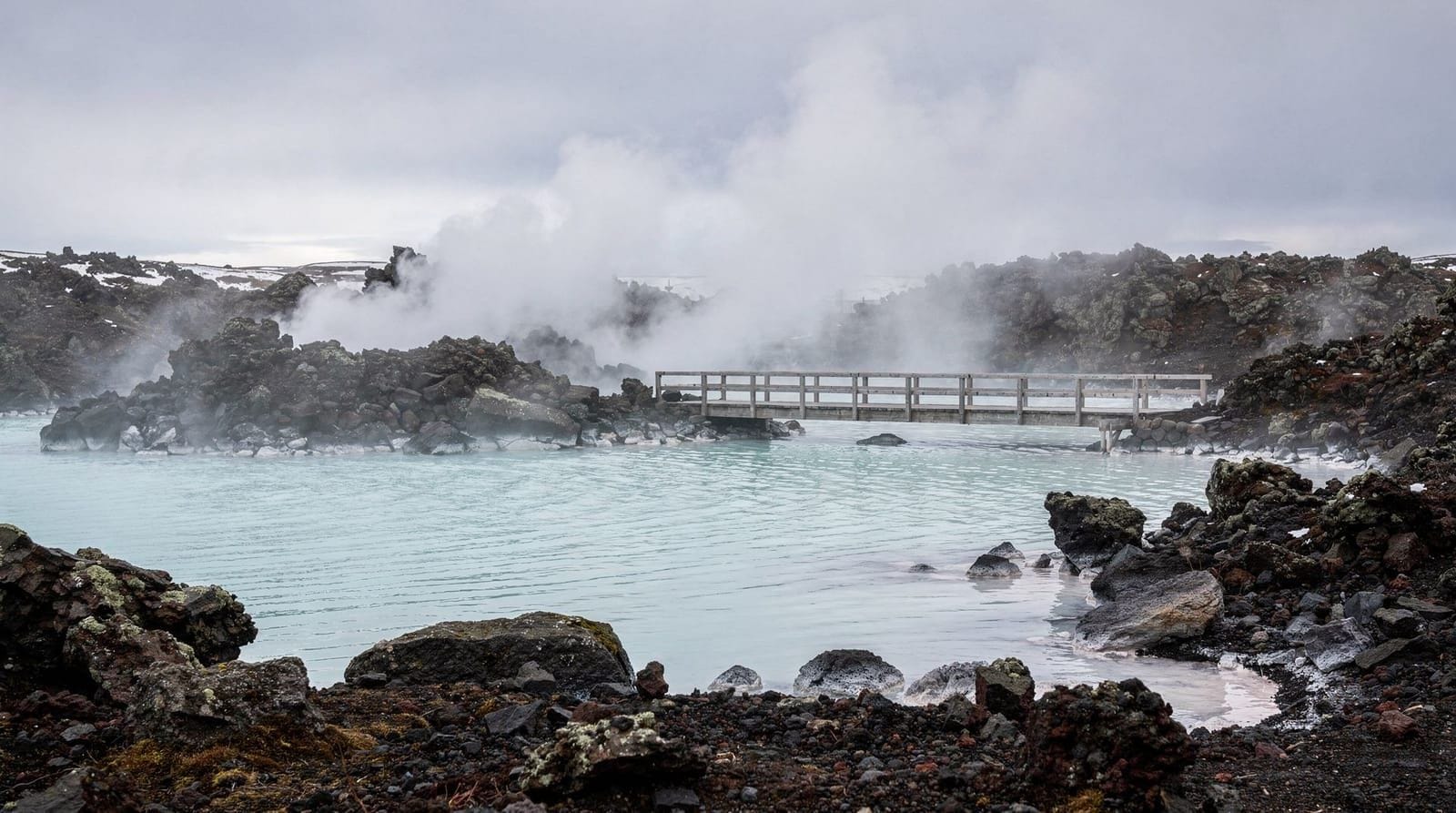
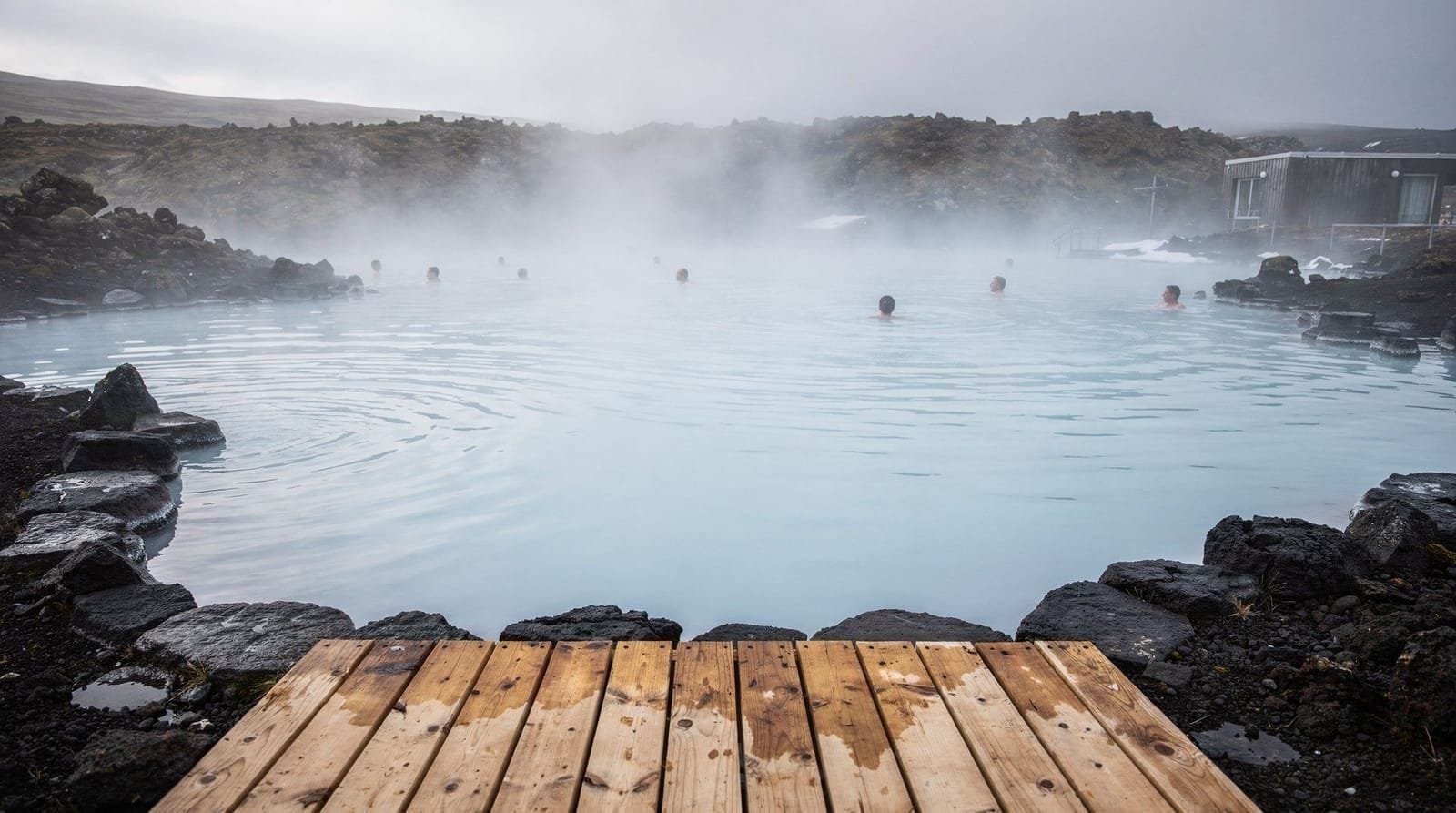
The Blue Lagoon is a man-made geothermal spa built on lava fields in the Reykjanes Peninsula, about 45 minutes southwest of Reykjavik. Despite looking natural in every photograph, the milky blue water sits in an excavated pool fed by runoff from the Svartsengi geothermal power plant. The silica, algae, and minerals that give it the characteristic blue-white colour are genuine; the “natural pool” framing is marketing.
That does not make it unpleasant. On a grey Icelandic morning, soaking in 38-40°C water surrounded by black lava fields is genuinely wonderful. But the experience is also heavily managed, often crowded, and priced accordingly. This page compares the main ticket options honestly so you book the right thing for your trip.
| Where | Reykjanes Peninsula, around 45 min southwest of Reykjavik |
| Cost | Around €70-250+ per adult depending on tier |
| Time needed | 2.5-3 hours minimum, longer if unhurried |
| Getting there | Transfer bus, Flybus, hire car (Route 41), or private taxi |
| Best time | Early morning (08:00-09:00) or late afternoon for smaller crowds |
Blue Lagoon ticket tiers: what each includes
| Tier | Entry | Towel | Drink(s) | Mask | Robe/slippers | Approx. price (per adult) |
|---|---|---|---|---|---|---|
| Comfort | Yes | Yes | 1 | Silica mud | No | €70-90 |
| Premium | Yes | Yes | 2 | Silica + algae | Yes | €120-150 |
| Retreat (hotel guests) | Yes | Yes | Multiple | Multiple | Yes + more | €180-250+ |
| Transfer-only packages | Transfer + entry | Yes | 1 | Yes | No | €85-110 |
The most widely booked option is the standard admission package with drink, towel, and mask. The Blue Lagoon Comfort admission package covers the essentials and gets you into the lagoon. You will not feel short-changed versus Premium unless you specifically want a bathrobe or a second drink at the bar.
Should you include transfer?
If you are not renting a car, pairing your entry ticket with transport is the easiest approach. The Blue Lagoon admission with roundtrip transfer from Reykjavik is priced at only a modest premium over buying lagoon entry and Flybus separately. It also removes the hassle of timing connections — the bus waits for the group.
The downside: you go on their schedule. Buses generally depart Reykjavik at fixed intervals in the morning and return in the afternoon. If you want to arrive at opening time (to beat the midday rush) or stay until late afternoon, check the specific departure times before booking.
Premium admission: is it worth the extra €40-60?
The Premium admission adds a second drink, bathrobe and slippers, and a reserved in-water float area. On a cold day, the robe matters — the walk between changing rooms and the pool is exposed. If you visit in summer or are comfortable moving quickly in a swimsuit, the robe has less value.
The in-water bar (where you present your wristband for drinks) operates at both levels. Premium’s second drink is roughly the same cost as buying it separately at the lagoon. The honest verdict: Premium is worth it in winter or if you are treating yourself; it is marginal value in summer for budget-conscious travellers.
Combining with the Golden Circle
Several operators bundle a full-day Golden Circle tour with Blue Lagoon entry. The Golden Circle tour with Blue Lagoon visit and entry fits both into one long day — typically Golden Circle in the morning, Blue Lagoon in the late afternoon before returning to Reykjavik. This is efficient but tiring: you are looking at 10-12 hours out.
If you want to properly enjoy the lagoon (most people spend 2-3 hours in the water), consider separating the two experiences across different days. The combination works best for people with limited time who will not return to Iceland. See the Golden Circle complete guide for what the daytime portion actually covers.
Blue Lagoon vs. Sky Lagoon: the honest comparison
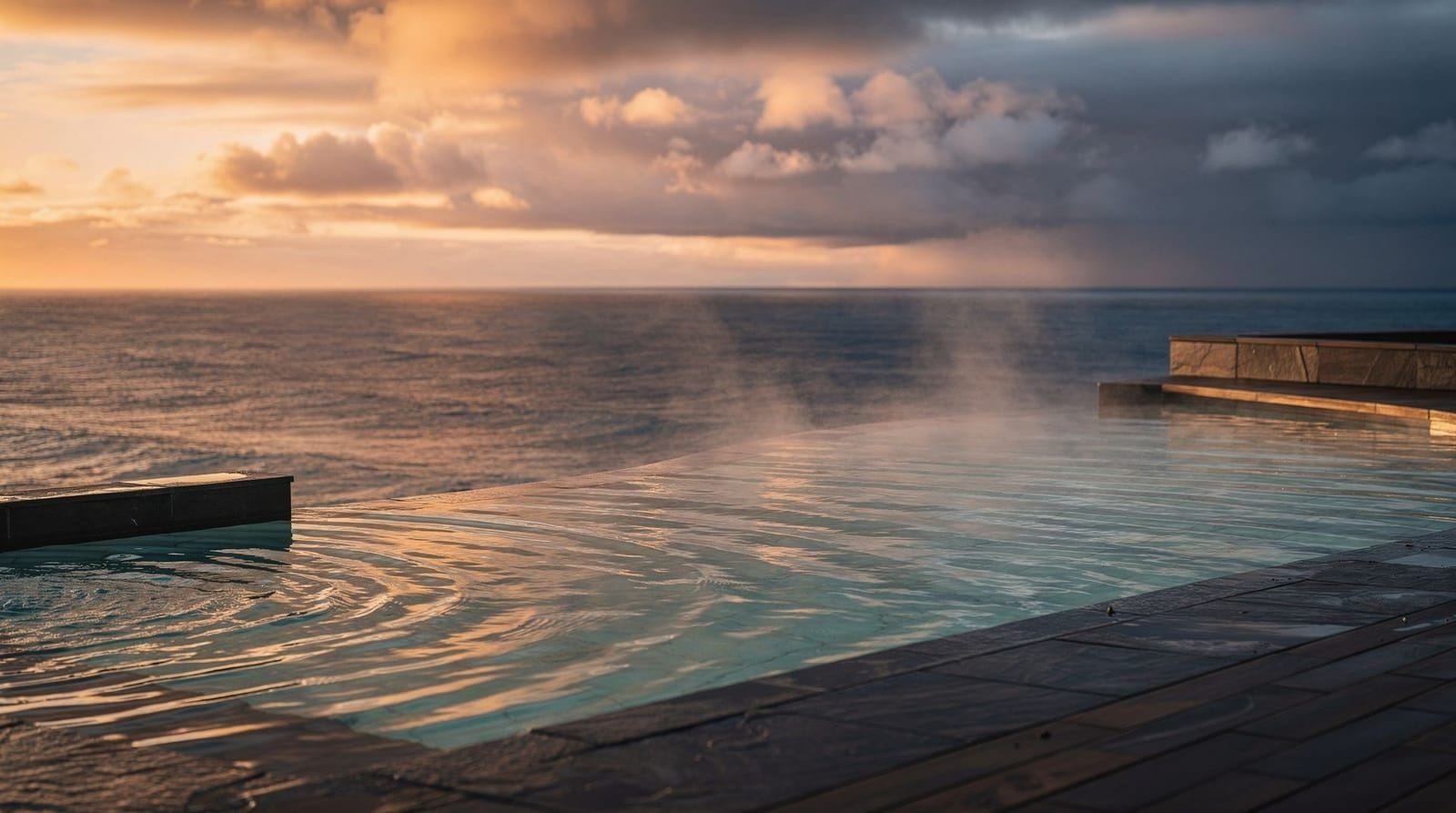
Sky Lagoon in Reykjavik is the main alternative. It sits on the coast just outside the city, does not require a 45-minute drive, and costs less (roughly €50-80 for the signature 7-step ritual). The ocean-edge infinity pool is genuinely beautiful in its own right.
The Blue Lagoon wins on scale, famous milky colour, and the lava-field setting. Sky Lagoon wins on intimacy, convenience, and price. For a full breakdown see our Blue Lagoon vs. Sky Lagoon comparison.
Practical notes
- Book early. The Blue Lagoon sells out weeks in advance in peak season. If you have fixed travel dates, book the day you book your flights.
- Arrival timing. Midday (11:00-14:00) is the busiest window. Early morning (8:00-9:00) or late afternoon (16:00+) are quieter.
- Silica mud. Apply the complimentary mask generously — it is the thing everyone posts about and it is included with every ticket tier.
- Valuables. Lockers are provided with a wristband-based electronic lock. Leave jewellery at your hotel; silica and minerals are hard on silver and gold.
- Reopening note. The Blue Lagoon briefly closed and relocated its Grindavik-adjacent operations following volcanic activity in 2023-2024. Confirm current operating status if visiting near Reykjanes active zones.
For the full history, visitor tips, and season guide, read the Blue Lagoon complete guide.
Frequently asked questions about Blue Lagoon tickets and packages
Do I need to book Blue Lagoon tickets in advance?
Yes. The Blue Lagoon operates timed entry and sells out weeks ahead, especially in summer and around the holiday period. Booking on the day is rarely possible. Book as early as you can confirm your travel dates.
What is the difference between Comfort and Premium tickets?
Comfort includes towel, one drink, and a silica mud mask. Premium adds a second drink, a bathrobe and slippers, and access to a reserved in-water area. Both give the same access to the main lagoon. Premium costs roughly €50-80 more per person depending on season.
How do I get from Reykjavik to the Blue Lagoon?
Options: book a package that includes the transfer bus (departs Harpa / BSI), take the Flybus, rent a car (45 min on Route 41), or book a private taxi. Flybus fares are around 3,500-4,000 ISK one-way. Transfer-inclusive packages are often only slightly more expensive than buying lagoon entry and bus separately.
Can I visit the Blue Lagoon on the way to or from Keflavik airport?
Yes, and this is a very popular option. The lagoon is right beside the airport. Allow 2.5-3 hours minimum in the lagoon plus changing time. Several shuttle options connect KEF airport to the Blue Lagoon and then to Reykjavik.
Is the Blue Lagoon worth the price?
It depends on expectations. The water is genuinely beautiful and the experience is unique. It is also very crowded, very commercialised, and expensive at €70-120+ per person before extras. Sky Lagoon offers a more intimate experience at a lower price.
Are children allowed at the Blue Lagoon?
Children under 2 enter free. Ages 2-12 pay a reduced rate. The lagoon is shallow in most areas but is not a place for unsupervised children. Lockers and changing rooms accommodate families.
Can I reschedule my Blue Lagoon ticket if my flight or plans change?
Most standard tickets can be moved to a different date or time online, though how close to your original slot you can do this varies by package and gets stricter near the visit date. Bundled packages that include transfer may carry separate terms for the transport portion, so check both before assuming a full reschedule is possible.
Is it worth visiting the Blue Lagoon twice on the same trip?
For most travellers, no — a single well-timed visit (early morning or late afternoon) covers the experience, and the entry price makes a repeat visit poor value compared with trying Sky Lagoon or another Icelandic pool instead. Repeat visits make more sense only for travellers based nearby for an extended stay.
Fitting the Blue Lagoon into your trip? See the 5-day Reykjavik itinerary for a logical day-by-day plan that includes both the Blue Lagoon and the Golden Circle without doubling back.
What the experience is actually like
You book a time slot. You arrive, check in, receive a wristband that tracks your locker and drink voucher. You undress, shower (mandatory before entering the lagoon — this is a firm rule), and walk out into the pool. The water is shallow at the edges (around 1 metre) and deeper in the central channel (around 1.4 metres). The colour is the famous opaque blue-white from the silica and algae suspension.
The spa complex rebuilt after the 2023-2024 volcanic activity is modern and well-designed. Facilities include multiple changing rooms, hair dryers, individual lockers, showers, a swim-up bar, and relaxation rooms. The in-water amenities include silica mud dispensers (apply to face and let dry while you soak), mineral salts, and an algae mask area.
One thing not in the brochures: the crowd dynamic. On busy midday slots in July, the lagoon holds several hundred people at once. You will be sharing the in-water bar queue and some of the narrower channels with significant numbers. Early morning slots (08:00-09:00) are measurably quieter.
Budget reality check
At current pricing (2026), a standard Comfort ticket with transfer from Reykjavik runs approximately €95-115 per adult. For a couple, that is €190-230 before food or drinks beyond the included one. For a family of four with children, expect to pay €300-400+ total.
Is this worth it? That is an individual judgement, but the honest framing is: the Blue Lagoon is a luxury experience priced as one. The silica water, the setting, the polished facilities — they are genuinely good. If you are comparing it to a €10 municipal swimming pool experience, the comparison is unfair. If you are comparing it to other luxury spas globally, it is competitive.
The Iceland cost and budget guide has more on managing expenses across your trip.
Which tier fits which traveller
Solo travellers on a tight schedule generally do best with Comfort plus transfer — it removes the logistics of car hire or bus timing for a single visit and keeps cost down. Couples celebrating something usually get more out of Premium: the robe and second drink turn a quick soak into an evening out, and the reserved float area is a genuine perk on a busy day. Families with young children should prioritise flexibility over frills — Comfort covers the essentials, and the money saved on robes is better spent on the drive time and snacks a toddler actually needs. Winter visitors of any budget benefit most from Premium’s robe, since the walk between the changing rooms and the water is genuinely cold once the sun is down.
If you are combining the visit with the Golden Circle or arriving straight from Keflavik airport, lean towards a transfer-inclusive package — coordinating your own transport around a long day is where most self-driven itineraries lose time.
Rebooking, cancellations and rescheduling
Blue Lagoon tickets are date- and time-specific, and most standard tickets can be rescheduled online if your plans change, though refund policies are stricter closer to the visit date. If Iceland’s weather forces a change of plan — a real possibility outside summer — check your specific package’s cancellation window before booking, especially for bundled packages that combine transport with entry, since the transport portion may have separate terms from the lagoon admission itself.